

These colored dots on your tires are precise manufacturer markings designed to help technicians achieve optimal tire mounting and balancing. Understanding these indicators can help you ensure your tires perform at their best and last longer.
The yellow dot marks the lightest point of your tire. During manufacturing, tires are spun at high speeds to detect weight variations throughout the rubber. Since perfect weight distribution is rarely achieved in mass production, this marking becomes essential for proper installation.
When mounting your tire, the yellow dot should align with the valve stem — the heaviest point on most wheels. This strategic pairing creates natural balance by placing the tire's lightest section opposite the wheel's heaviest area.
The red dot indicates the high point of radial force variation, also called radial runout. This marking shows where the tire's sidewall is stiffest or where the tire measures tallest and most "out of round". Manufacturers determine this location by measuring stiffness variations around the entire tire circumference.
Without proper alignment, this stiff point can create excessive road force during rotation, leading to vibrations and uneven wear patterns. Most wheels include their own low point markings — either drilled dots or stickers — that should align with the red dot to minimize these issues.
When both colored dots appear on your tire, the red dot takes precedence over the yellow dot. This prioritization makes sense because controlling vibrations from radial force variation proves more critical than weight balancing, especially for high-performance applications.
The science behind this approach involves matching the tire's high point with the wheel's low point, effectively canceling out imperfections and reducing out-of-roundness.
Proper dot alignment during mounting delivers measurable improvements:
Smoother, quieter ride with reduced vibrations
More even tire wear, extending tire lifespan
Better fuel efficiency due to reduced rotating energy requirements
Minimized need for additional balancing weights
Reduced strain on suspension and steering components
These markings serve as precision tools that help technicians achieve the best possible tire-wheel balance without excessive additional weights during the balancing process. The result is enhanced performance that you can feel every time you drive.
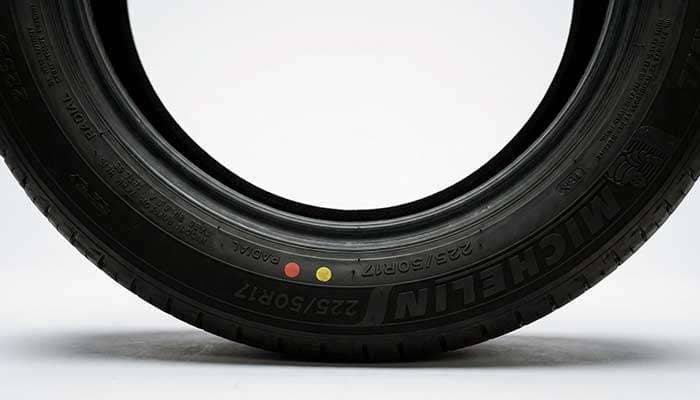
These colored markings work as precision tools for achieving optimal tire-wheel balance. Each dot serves a specific function that addresses different types of imbalance that occur during manufacturing.
The red dot marks where maximum radial force occurs during tire rotation. This spot represents the tire's stiffest sidewall area, creating what installers call a "high spot". Tire manufacturers identify this location by spinning tires at high speeds and measuring how stiffness varies around the entire circumference.
When this stiff point isn't properly positioned, it creates uneven pressure against the road surface. This force variation can cause steering wheel shake, especially at highway speeds, and affects handling precision in performance vehicles.
The yellow dot pinpoints exactly where the tire weighs the least. Manufacturing processes, despite quality controls, rarely produce perfectly uniform weight distribution. This marking gives tire technicians a reference point for the tire's lightest section, making it possible to achieve better balance without adding excessive wheel weights.
Every wheel's valve stem area carries the most weight. The valve mechanism and its mounting hardware create a concentrated mass in this location. Smart installers use this predictable heavy spot as their starting reference for proper tire positioning.
Professional installation follows proven alignment strategies. Weight balancing requires positioning the yellow dot directly opposite the valve stem. This approach places the tire's lightest area against the wheel's heaviest point.
Uniformity balancing demands aligning the red dot with the wheel's designated low point (marked by drilled holes or manufacturer stickers). This technique counters the tire's force variation with the wheel's natural low area.
When both colored dots appear on a tire, experienced technicians prioritize red dot alignment. Force variation management delivers better ride quality results than weight balancing alone. Most tire shops focus on red dot positioning for performance applications while using yellow dot alignment for standard passenger vehicles.
Proper dot alignment delivers measurable improvements that directly impact your wallet and driving experience. These small markings create significant value when positioned correctly during installation.
Correct alignment eliminates the vibrations that make driving uncomfortable. When the red dot matches with the wheel's lowest point, it cancels out the tire's natural force variations. This creates a noticeably quieter cabin and reduces the harsh vibrations that transfer through your steering wheel and seats.
Misaligned tires lose up to 25% of their expected lifespan. Proper dot positioning ensures even pressure distribution across the entire tread surface, preventing the premature wear patterns that force early replacement. This balanced contact can potentially double the mileage you get from each tire set.
The U.S. Department of Energy reports that properly aligned tires improve gas mileage by up to 10%. Balanced tires roll more efficiently, requiring less engine power to maintain speed. Your engine doesn't work against unnecessary drag or drivetrain binding.
Smart dot placement minimizes the need for additional balancing weights. This reduces stress on the tire structure and creates a cleaner wheel appearance. Fewer weights also mean lower installation costs and less potential for weight loss during driving.
Aligned tires provide superior stability, especially during emergency situations. The balanced grip improves steering response and eliminates the annoying pull to one side that many drivers experience. Recovery from road irregularities or crosswinds becomes more predictable and controlled.
Many vehicle owners prefer a cleaner appearance and wonder about removing these colored markings. While these dots served their purpose during mounting, they can be safely removed once proper installation is complete.
Colored markings on tires rarely disappear through normal driving. Red dots typically consist of sticker material, while yellow dots are usually paint marks applied during manufacturing. Neither type fades completely through regular use or weather exposure alone.
Several methods work well for removing these markings at home:
Magic Eraser: Takes about 15 seconds of gentle scrubbing per tire
Soap pad: Effective on both sticker and paint markings
Standard wash solution: Regular car soap with a tire brush removes most paint dots
Mild solvents: Lacquer thinner or mineral spirits handle stubborn marks
Pocket knife: Works for carefully scraping off sticker-type red dots
Exercise care when removing these markings. Strong degreasers can damage rubber compounds, while harsh chemicals might discolor the sidewall or compromise tire integrity. Test any solvent on a small area first before treating the entire marking.
Remember that these dots played an important role during initial tire mounting and balancing. Once removed, they cannot assist with future tire services.
Understanding tire dots helps you make informed decisions about tire mounting and maintenance for optimal vehicle performance.
Red dots mark the tire's stiffest point - align with wheel's low point to reduce vibrations and improve ride quality
Yellow dots indicate the lightest tire section - should align with valve stem (heaviest wheel point) for better weight balance
Proper dot alignment extends tire life by up to 25% and improves fuel efficiency by up to 10% through even wear patterns
Red dot takes priority when both colors are present - managing radial force variation is more critical than weight balancing alone
Dots can be safely removed with magic erasers or mild solvents - they're purely esthetic after proper tire mounting is complete
When properly aligned during installation, these simple markings create measurable improvements in ride comfort, tire longevity, and fuel economy while reducing the need for additional balancing weights.
The yellow dot indicates the tire's lightest point, while the red dot marks the stiffest point or high spot of radial force variation. These markings help with proper tire mounting and balancing.
Ideally, the yellow dot should be aligned with the valve stem (the wheel's heaviest point). If both dots are present, the red dot takes precedence and should be aligned with the wheel's low point marker for optimal balance.
Yes, incorrect alignment can lead to uneven tire wear, reduced fuel efficiency, increased vibrations, and compromised handling. Proper alignment can improve ride comfort and extend tire lifespan by up to 25%.
Yes, you can safely remove these dots for esthetic reasons using methods like magic erasers, mild solvents, or gentle scrubbing with soap pads. However, avoid using harsh chemicals that might damage the tire's rubber compound.
Not all tires have both red and yellow dots. Some may have only one or the other, while others might not have any visible markings. The presence of these dots depends on the manufacturer and the specific tire model.



