
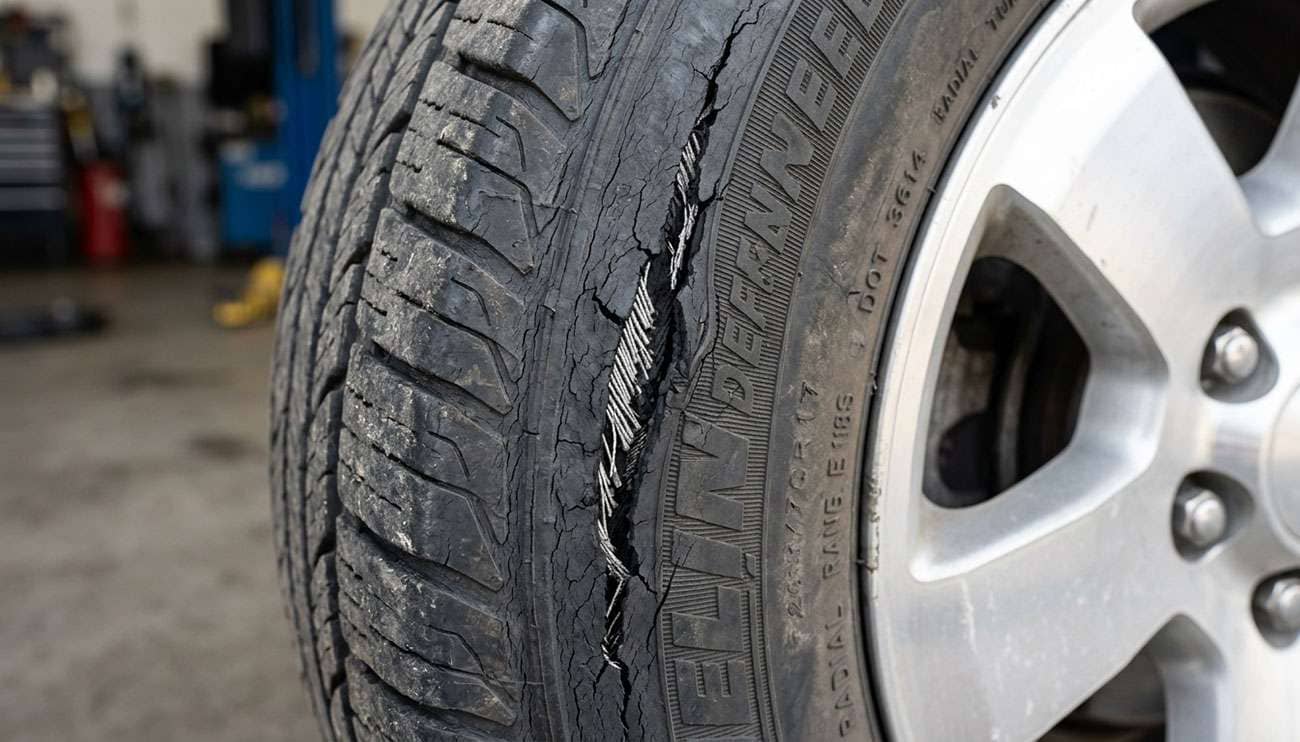
Tire dry rot kills. It's one of the most dangerous conditions affecting millions of vehicles right now, and most drivers don't spot it until it's too late. Unlike a flat tire or worn tread, dry rot creeps up slowly and destroys your tire's structural integrity long before you feel anything wrong. Those small cracks forming on your sidewall? That's dry rot telling you your tires are compromised—regardless of how much tread depth remains.
Here's the reality: your tires degrade even when parked. Oxygen, UV rays, and environmental factors break down the rubber compounds that keep your tires flexible and safe through a process called oxidation. You need to understand what tire dry rot looks like, how to identify it at every stage, when your tires cross from safe to dangerous, and—most importantly—how to prevent it from happening in the first place.
This isn't about passing inspection. It's about protecting you and your passengers from blowouts and loss of control. Whether you drive a classic car that sits most of the year, a daily driver baking in harsh sunlight, or you simply want maximum value from your tire investment, you must know the warning signs and act before minor cracking becomes a major safety hazard.
Tire dry rot—technically called sidewall weathering or ozone cracking—occurs when the chemical compounds in your tire rubber break down from environmental exposure. Modern tires contain oils and chemical additives that keep rubber supple and flexible. When these compounds evaporate or degrade over time, your rubber loses elasticity and starts cracking. This happens whether you're driving or not, which is why tire age matters just as much as tread depth when evaluating safety.
UV radiation from sunlight causes the most damage, followed by ozone exposure, extreme temperature swings, low tire pressure, and extended inactivity. Each factor accelerates rubber compound breakdown, creating visible surface cracks that eventually penetrate deeper into the tire structure. Once dry rot reaches your tire's internal fabric layers or steel belts, the tire can fail catastrophically without warning—even at highway speeds.
You need to know what separates normal aging from dangerous degradation. Surface crazing—fine hairline cracks less than 1/32 inch deep—represents early-stage weathering that may not immediately threaten your safety. But when cracks exceed 1/16 inch in depth or width, penetrate into your tire's sidewall structure, or appear between tread blocks, you need immediate replacement. The tire industry considers any crack exposing underlying fabric or cord material an automatic failure requiring replacement right now.
Tire age plays a critical role in dry rot development. The Rubber Manufacturers Association recommends replacing tires after six years regardless of tread depth, with an absolute maximum service life of ten years from manufacture. You'll find your tire's manufacturing date stamped on the sidewall in the DOT code—the last four digits represent the week and year of manufacture. For example, "3524" means your tire was manufactured in the 35th week of 2024. Even if your tires look pristine with full tread depth, rubber compounds deteriorate with age, making older tires increasingly susceptible to dry rot and sudden failure.
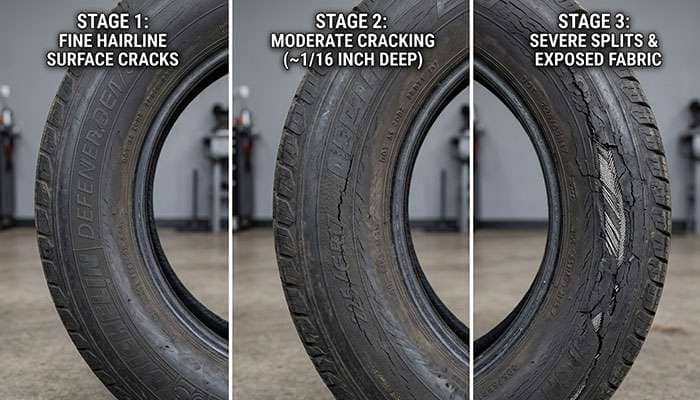
Location matters significantly when you're assessing dry rot severity. Sidewall cracks represent the greatest danger because sidewalls flex constantly during driving and contain no reinforcing tread structure. Cracks in the tread area, particularly between tread blocks, also compromise tire integrity and can lead to tread separation. Even small cracks in high-stress areas like the shoulder—where tread meets sidewall—indicate advanced degradation requiring immediate attention.
The most dangerous misconception? Believing tires with plenty of tread depth remaining are still safe to drive. Tread depth measures wear from road contact, not structural integrity. Your tire can have 8/32 inch of tread—well above the legal minimum of 2/32 inch—yet be completely unsafe due to dry rot compromising its internal structure. Never rely solely on tread depth measurements when evaluating tire condition. Visual inspection of sidewalls and tread grooves for cracking is equally critical.
Many vehicle owners attempt to restore dry rotted tires using tire shine products, rubber conditioners, or home remedies. These products may temporarily darken rubber and make cracks less visible, but they cannot reverse the chemical breakdown that's already occurred. Some petroleum-based tire dressings actually accelerate rubber degradation by drawing out remaining protective oils. Once dry rot develops, no treatment can restore your tire's structural integrity—replacement is your only safe option.
Another critical error: assuming garage-stored or rarely driven vehicles are immune to dry rot. The opposite is often true. Tires on vehicles that sit stationary for extended periods develop flat spots where rubber constantly flexes in the same location, accelerating crack formation. Additionally, tires that aren't regularly exercised don't distribute protective oils throughout the rubber, leading to faster degradation. If you own a classic car or seasonal vehicle, you need extra vigilance about tire condition regardless of mileage.
Specific measurements help determine whether you need immediate replacement. Cracks less than 1/32 inch deep typically indicate early-stage weathering that requires monitoring but may not yet compromise safety. Any crack reaching 1/16 inch or deeper has penetrated beyond the protective outer layer and threatens tire integrity. If you can insert the edge of a penny into a crack and it disappears beyond Lincoln's head, the crack is too deep and you must replace the tire.
Your tire pressure monitoring system (TPMS) reading provides important clues about dry rot development. Tires with developing dry rot often lose air pressure more rapidly than healthy tires because microscopic cracks allow air molecules to escape. If you're adding air to your tires more than once per month, or if one tire consistently runs 3-5 PSI lower than the others without an obvious puncture, early-stage dry rot may be developing even before visible cracks appear.
Temperature extremes significantly impact dry rot progression rates. In consistently hot climates above 90°F, tire rubber can degrade up to 30% faster than in moderate climates. Cold temperatures below 40°F cause rubber to become brittle and more susceptible to cracking. If you live in an area with extreme seasonal temperature swings, your tires face accelerated aging from both thermal stress and repeated expansion-contraction cycles that break down rubber compounds.
Preventing and managing tire dry rot requires a strategic approach tailored to your specific vehicle usage, storage conditions, and climate. Not all vehicles face the same dry rot risk factors. The prevention strategies that work for a daily driver differ significantly from those needed for a weekend sports car or stored classic vehicle. Understanding your particular risk profile helps you implement the most effective protective measures and inspection schedule.
Daily driven vehicles typically accumulate miles faster than age-related deterioration, meaning tread wear usually becomes the limiting factor before dry rot. You still need to inspect your tires quarterly for early cracking signs, especially if you park outdoors in direct sunlight. For commuter vehicles, focus on maintaining proper tire pressure, rotating tires every 5,000-7,000 miles, and parking in shaded areas whenever possible. Regular flexing and heat generation from daily driving actually helps distribute protective oils throughout rubber, providing natural protection against dry rot.
Performance and sports cars present unique challenges because they often use ultra high performance tires with softer rubber compounds that deliver superior grip but age faster than standard touring tires. These tires typically have shorter recommended service lives—often five years maximum regardless of tread depth. If you drive a performance vehicle on weekends only, your tires may develop dry rot before you've worn down the tread. Track-focused tires are especially vulnerable because they use extremely soft compounds optimized for maximum grip over short periods rather than longevity.
Trucks and SUVs used for towing or off-road driving need particularly vigilant dry rot monitoring because these vehicles place extreme stress on tire sidewalls. Heavy loads and lower tire pressures used for off-roading create significant sidewall flexing that can accelerate crack propagation once dry rot begins. Additionally, truck tires often have reinforced sidewalls with additional rubber layers, which means visible surface cracking may hide more extensive internal deterioration. For trucks and SUVs, monthly visual inspections are essential, and any sidewall cracking warrants immediate professional evaluation.
Aggressive drivers who frequently accelerate hard, brake late, and corner at high speeds generate more tire heat, which accelerates chemical breakdown of rubber compounds. While this driving style typically wears out tread faster than dry rot develops, it also creates internal heat cycles that can weaken tire structure and make it more susceptible to cracking when the vehicle sits unused. If you drive aggressively, inspect your tires for both tread wear and dry rot signs, paying special attention to shoulder areas where cornering forces concentrate.
Conservative drivers and those with short commutes may actually face higher dry rot risk because their tires spend more time sitting stationary and never reach optimal operating temperatures. Tires need regular heat cycles to distribute protective oils and maintain rubber flexibility. If your typical drive is under 15 minutes, consider taking a longer drive at highway speeds at least once per month to properly heat-cycle your tires. This helps maintain rubber pliability and can significantly extend tire life by preventing premature dry rot development.
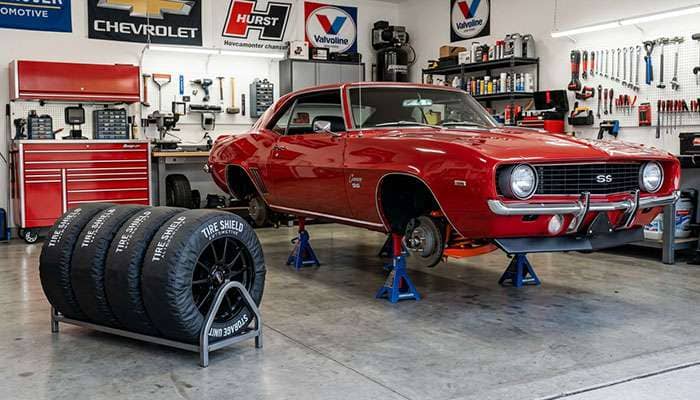
Seasonal drivers who store vehicles for months at a time must take active measures to prevent dry rot during storage periods. Before storage, thoroughly clean your tires to remove contaminants, increase tire pressure by 5-10 PSI above recommended specification to reduce flat-spotting stress, and ideally place your vehicle on jack stands to remove weight from the tires entirely. If jack stands aren't practical, move your vehicle slightly every few weeks to change the contact patch and prevent constant flexing in the same location. Cover stored vehicles or park them in temperature-controlled environments to minimize UV and ozone exposure.
When it comes to preventing tire dry rot, investing in quality tires from reputable manufacturers provides better long-term value than choosing the cheapest available option. Premium tire manufacturers like Michelin, Goodyear, and Bridgestone use advanced rubber compounds with superior oxidation resistance and longer-lasting protective additives. While these tires cost more initially, they typically resist dry rot better and last longer overall, especially if your vehicle sees limited use or faces harsh environmental conditions.
Budget-conscious buyers should understand that tire dry rot prevention costs relatively little compared to premature tire replacement. A set of quality tire covers for stored vehicles costs $30-60 and can extend tire life by years. Regular tire pressure monitoring using a quality digital gauge costs under $20 and prevents the low-pressure conditions that accelerate dry rot. Even simple measures like parking in your garage instead of the driveway, or under a carport instead of in the open, provide significant protection without any cost. Prevention requires minimal investment while premature replacement due to neglected dry rot becomes extremely expensive.
For vehicles that accumulate very low annual mileage—under 5,000 miles per year—consider purchasing tires manufactured as recently as possible. Check the DOT date code before purchase and avoid tires that have been sitting in warehouse storage for more than two years. A brand-new tire that's already two years old from the manufacturing date has already used up a third of its recommended service life before you even install it. Some retailers, including Performance Plus Tire, maintain fresh inventory and can provide manufacturing date information to help you maximize your tire investment.
Different driving situations and vehicle types require specific approaches to dry rot prevention and tire selection. The following recommendations help you implement the most effective strategies based on your particular circumstances.
Daily drivers benefit most from all-season touring tires with proven longevity and weather resistance. These tires balance tread life, dry rot resistance, and all-weather capability. Focus on maintaining a consistent inspection schedule: check tire pressure monthly, rotate every 5,000-7,000 miles, and perform visual dry rot inspections every three months. Pay special attention to inner sidewalls, which are harder to see during casual walkarounds but often show the first signs of weathering.
For maximum dry rot protection on daily drivers, implement these practices: maintain tire pressure within 2 PSI of your manufacturer's recommended specification, wash your tires monthly to remove road contaminants and ozone-generating pollutants, apply a water-based tire protectant (not petroleum-based) every 4-6 weeks, and park in covered or shaded areas whenever possible. If you must park in direct sunlight regularly, consider investing in tire shades or moving your vehicle to different parking spots to vary sun exposure.
Prevention Strategy |
Cost |
Effectiveness |
Time Investment |
|---|---|---|---|
Monthly pressure checks |
$15-20 (gauge) |
High |
5 minutes/month |
Quarterly visual inspections |
Free |
High |
10 minutes/quarter |
Covered parking |
Varies |
Very High |
None |
Water-based protectant |
$10-15 |
Moderate |
15 minutes/6 weeks |
Premium tire selection |
$50-100/tire premium |
Moderate-High |
None |
When you notice early-stage dry rot on a daily driver—fine surface cracks less than 1/32 inch deep—increase your inspection frequency to monthly and begin planning for replacement within the next 6-12 months. Don't wait for cracks to worsen. Early detection gives you time to budget for replacement and take advantage of sales or promotions rather than facing an emergency replacement situation.
Performance vehicle owners should prioritize tire age over tread depth when determining replacement intervals. High-performance tires use softer rubber compounds that deliver exceptional grip but sacrifice longevity. Even with minimal visible wear, replace performance tires after five years from the manufacture date, and inspect them every two months for dry rot signs. The combination of soft compounds and high operating temperatures makes these tires particularly vulnerable to accelerated aging.
Track day participants need especially vigilant monitoring because extreme heat cycles from track use dramatically accelerate rubber degradation. After any track session, inspect your tires within a week for new cracking or existing cracks that have lengthened or deepened. Consider maintaining separate tire sets for street and track use—this allows you to monitor each set's condition independently and prevents compromised structural integrity from track stress from affecting your daily driving safety.
For performance applications, proper storage between driving sessions becomes critical. If your performance car sits for weeks between drives, store it in a climate-controlled garage, maintain slightly elevated tire pressures (add 5 PSI to prevent flat-spotting), and if possible, place your vehicle on jack stands to remove weight from the tires completely. When you do drive, allow your tires to warm gradually rather than launching aggressively on cold rubber—this prevents thermal shocking that can initiate or worsen existing cracks.
Budget-conscious vehicle owners can effectively prevent dry rot without significant expense by focusing on the highest-impact preventive measures. The most cost-effective strategy? Simply parking in shade whenever possible—this single practice can extend tire life by 2-3 years in sunny climates and costs nothing. If covered parking isn't available, invest in a set of tire sun shades for $40-60; these fold flat for storage and provide excellent UV protection when your vehicle sits outdoors for extended periods.
For stored vehicles on a tight budget, prioritize proper positioning over expensive tire covers or jack stands. Move your vehicle forward or backward 2-3 feet every two weeks to change the contact patch and prevent constant flexing in the same location. This takes under a minute and effectively prevents the flat-spotting and stress concentration that accelerate dry rot formation. If you can only afford one protective measure, make it this simple repositioning routine.
When selecting replacement tires on a budget, avoid the temptation to purchase the absolute cheapest available option. Instead, look for value-oriented tires from established manufacturers that balance initial cost with longevity. Mid-tier models often provide 80% of premium tire performance at 50-60% of the cost, including better dry rot resistance than bottom-tier brands. Additionally, check if your retailer offers warranty programs covering premature dry rot—some manufacturers stand behind their products and will provide pro-rated replacements if dry rot appears unusually early in your tire's service life.
Tire dry rot represents a serious safety hazard that demands your attention regardless of how much tread depth remains on your tires. Unlike tread wear, which develops gradually and predictably based on driving habits, dry rot can progress rapidly once initiated and lead to catastrophic tire failure without warning. The good news? With proper prevention strategies, regular inspections, and timely replacement when necessary, you can minimize dry rot risk and maximize both safety and tire value.
Tire age matters just as much as tire condition. Even if your tires look perfect and have full tread depth, replace them after six years of service or ten years from the manufacture date at the absolute maximum. Check your tire's DOT code regularly and mark your calendar for inspection intervals appropriate to your driving patterns and storage conditions. The few minutes invested in monthly pressure checks and quarterly visual inspections can literally save your life by catching dry rot before it progresses to dangerous levels.
When you do need replacement tires, whether due to dry rot, age, or wear, visit Performance Plus Tire for a comprehensive selection of quality tires suited to every vehicle type and budget. Our expert team can help you select tires with proven longevity and weather resistance, provide accurate manufacturing date information, and ensure you're getting the freshest possible inventory to maximize your investment. Don't compromise on tire safety—dry rot is too dangerous to ignore and too easy to prevent with the right approach.
Here are the essential points to remember about tire dry rot prevention and replacement:
• Tire age trumps tread depth: Replace your tires after six years regardless of remaining tread, with an absolute maximum of ten years from the manufacture date found in the DOT code on your sidewall.
• Visual inspection catches problems early: Check your tires quarterly for cracks in sidewalls and between tread blocks, and replace immediately if cracks exceed 1/16 inch depth or expose internal fabric layers.
• Prevention costs far less than replacement: Simple measures like parking in shade, maintaining proper tire pressure, and regular cleaning can extend tire life by years without significant expense.
• Low-mileage vehicles face higher dry rot risk: Classic cars, seasonal vehicles, and short-commute daily drivers need more vigilant dry rot monitoring because tires deteriorate from age and environmental exposure even when not driven.
• No product reverses existing dry rot: Once cracks develop, tire dressings and conditioners only mask the problem temporarily—your only safe solution is complete tire replacement before structural failure occurs.
You should not drive on tires showing dry rot cracks deeper than 1/32 inch or any cracks that expose underlying fabric or cord material. While very fine surface crazing (hairline cracks) may not immediately compromise your safety, any visible cracking indicates your tire has begun deteriorating and should be replaced within 6-12 months maximum. Dry rot progresses rapidly once initiated, and what appears minor today can become dangerous within weeks—especially if you drive at highway speeds or in hot weather. The risk of sudden tire failure far outweighs any cost savings from delaying replacement.
Check the DOT code stamped on your tire's sidewall—the last four digits indicate the week and year of manufacture. For example, "2319" means your tire was made in the 23rd week of 2019, making it over six years old and due for replacement regardless of appearance. Look for the DOT code beginning with the letters "DOT" followed by 10-12 characters; the final four digits are the manufacture date. Tires older than six years should be replaced even with full tread depth, and tires over ten years old are unsafe under any circumstances. Many tire shops offer free DOT code checks if you're having difficulty locating or reading the code yourself.
No, tire dressings and rubber conditioners cannot prevent dry rot or reverse existing damage. While water-based tire protectants may provide minimal UV protection when freshly applied, petroleum-based products actually accelerate rubber degradation by drawing out the protective oils already present in your tire compound. The chemical breakdown that causes dry rot occurs deep within the rubber structure, far beyond what any surface treatment can affect. The most effective prevention strategies are parking in shade, maintaining proper tire pressure, driving regularly to heat-cycle your tires, and replacing tires before they exceed six years of age. Save your money on tire dressings and invest it in proper storage and timely replacement instead.
Yes, tire dry rot develops significantly faster in hot, sunny climates with high UV exposure and ozone levels. Consistent temperatures above 90°F can accelerate rubber degradation by up to 30% compared to moderate climates. Desert environments with extreme heat and intense sunlight represent the worst conditions for tire longevity. However, extremely cold climates also create problems—temperatures below 40°F make rubber brittle and more susceptible to cracking. Coastal areas with high humidity and salt air exposure face additional challenges. If you live in a climate with extreme conditions, inspect your tires more frequently (every 1-2 months instead of quarterly) and expect to replace them closer to the five-year mark rather than six years, especially if you park outdoors regularly.
If your tires are all the same age and one shows visible dry rot, the others are likely experiencing similar degradation even if cracks haven't appeared yet. For safety and optimal vehicle handling, you should replace all four tires, especially on all-wheel-drive vehicles where significant tread depth differences can damage the drivetrain. However, if only one or two tires show dry rot and the others are significantly newer (different manufacture dates), you may be able to replace just the affected tires while closely monitoring the remaining ones. Always consult with a tire professional about your specific situation—they can measure tread depth differences and assess whether partial replacement is safe for your vehicle. Remember that dry rot indicates age-related deterioration, so if one tire has reached this condition, the others from the same set aren't far behind.



