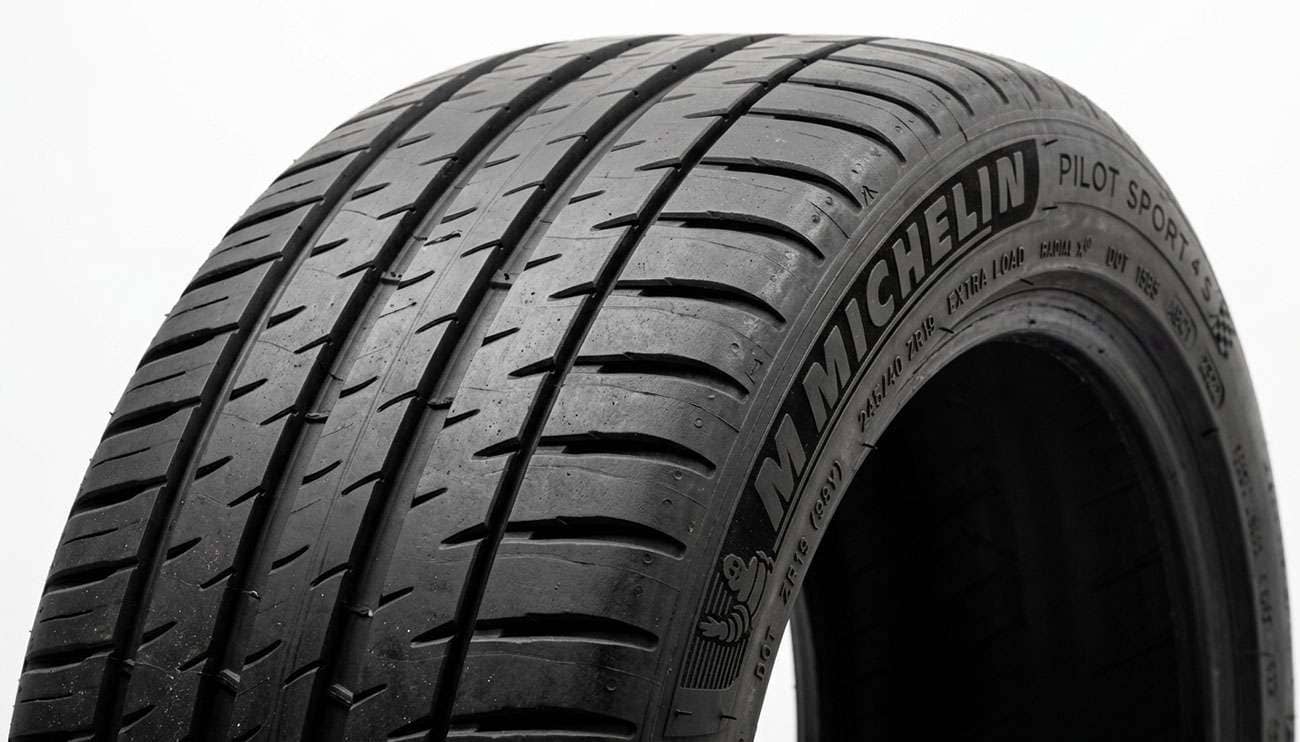
I've been pulling tires off rims since before some of you were born, and I'll tell you the question that comes up more than you'd think, usually from a kid hanging around the shop: "Hank, why are all tires black?" Most folks figure it's just what rubber looks like. It isn't. Raw rubber is closer to the color of a glass of milk. Every black tire on your car got that way on purpose, and the reason has almost nothing to do with looks and everything to do with keeping you alive on the road.
So let's settle it the way I'd settle it leaning on a fender with a cup of coffee.
Tires are black because of an ingredient called carbon black. It's a fine, sooty powder made by burning petroleum products with not quite enough oxygen, and tire makers blend it into the rubber compound by the pound. It turns the rubber from off-white to deep black, sure, but the color is a side effect. What carbon black really does is make a tire strong enough to survive thousands of miles of heat, friction, and sunlight without falling apart. Take it out, and you don't have a tire worth bolting on.
That's the bumper-sticker version. The story behind it is a good one, so stick with me.
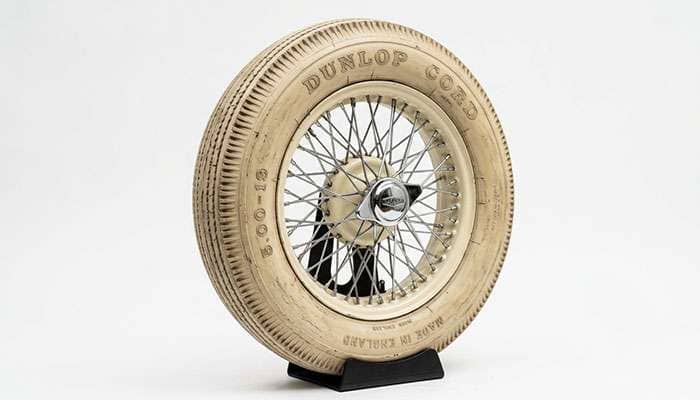
They sure did. Natural rubber, straight off the tree and processed, comes out a pale, milky off-white, sometimes a light gray or tan once it's mixed up. The earliest automobile tires wore that color proudly. Trouble was, they were lousy tires. They wore out fast, cracked in the sun, couldn't shed heat, and turned brittle long before their time. As cars got quicker and people started actually driving them hard, those soft white tires couldn't keep up.
Tire builders started experimenting with additives to toughen the rubber. Early on they tried things like zinc oxide. Then they tried mixing in soot, the same black residue you'd scrape out of a lamp chimney, and the rubber got noticeably tougher. That soot was the rough ancestor of the carbon black we use today, and the moment makers saw what it did for durability, the white tire's days were numbered. If you want the deeper backstory on what goes into modern rubber, I laid it out in our rundown on what auto tires are made of.
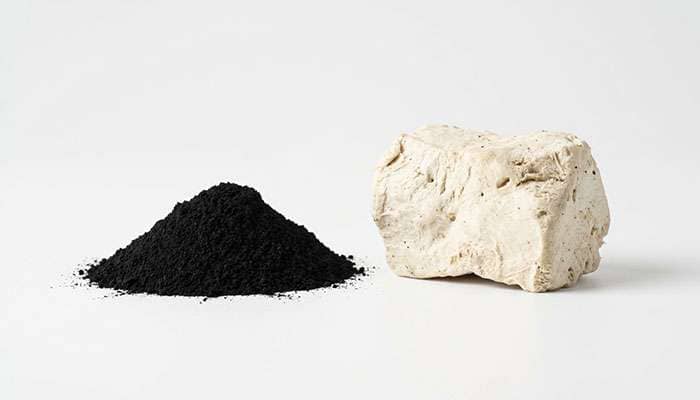
Here's where folks get surprised. Carbon black isn't a dye. It's a reinforcing filler, which is a fancy way of saying it grabs hold of the rubber molecules and makes the whole compound behave better. When the rubber gets heated and cured (that curing process is called vulcanization, and Charles Goodyear gets the credit for cracking it, which I dug into in our piece on when vulcanized rubber was invented), the carbon black knits itself through the material and changes what that tire can take.
A few jobs it pulls off at once:
What It Does |
Why It Matters to You |
|---|---|
Boosts tensile strength and abrasion resistance |
The tread can scrub against pavement for tens of thousands of miles without shredding. |
Conducts heat away from the tread and belts |
The hottest parts of a rolling tire stay cooler, so they don't break down early. |
Blocks UV light and ozone |
Sun and air don't dry the rubber out and crack it nearly as fast. |
Extends overall tire life |
You replace tires once every several years instead of a couple times a year. |
Helps dissipate static electricity |
Charge built up by the rolling tire has a path to ground. |
Hides road grime (the bonus) |
A white tire would look filthy after one trip around the block. |
That heat point is the one I'd hammer home if I could only pick one. A tire flexing thousands of times a minute generates a lot of heat right where the tread meets the steel belts. Carbon black pulls that heat through the rubber so it can escape instead of cooking the tire from the inside. Heat is what kills tires, and carbon black is one of your best defenses against it.
This is my favorite part, because it's one of those happy-accident stories the history books gloss over. Around 1904, chemists working with rubber noticed that adding carbon black didn't just darken the mix, it made the rubber dramatically tougher and more resistant to wear. Credit gets split a couple of ways depending on whose account you read, but the company that ran with it was BFGoodrich.
Once Goodrich understood what they had, they needed carbon black in serious volume, so they put out a call for a supplier who could crank out a million pounds of the stuff. The outfit that stepped up was a little company called Binney & Smith. If that name doesn't ring a bell, their most famous product will: a few years later they'd be known as Crayola. The same folks who'd go on to make crayons helped put the black in your tires. Tell that one at the next car show. By around 1912, Goodrich was building carbon-black-rich tires, and the rest of the industry followed.
What sealed the deal was the First World War. Up to that point, zinc oxide was a common reinforcing additive. But zinc went into brass, brass went into munitions, and suddenly zinc was too scarce and too valuable to waste on tires. Carbon black filled the gap, performed better in most respects, and never gave the spot back. A hundred years later it's still the backbone of nearly every tire compound made.
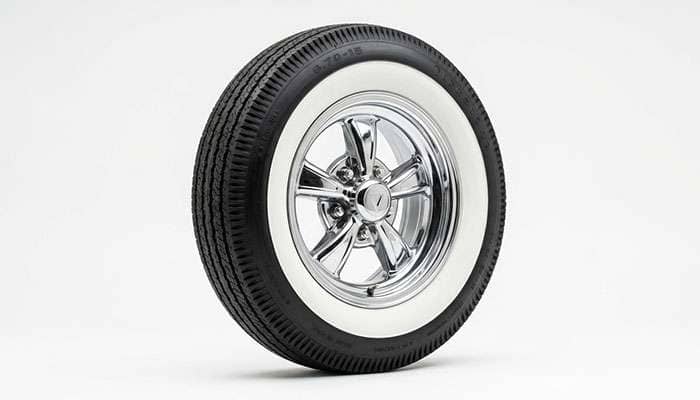
If carbon black is the reason tires are black, then the white parts of a tire are simply the parts without it. That white rubber on a whitewall or the raised lettering on a set of vintage truck tires is a separate compound that leaves the carbon black out, which is exactly why it stays pale.
And here's a wrinkle most people don't know: early whitewalls weren't a fashion statement at all. When carbon black was new and not exactly cheap, some makers cut costs by mixing it only into the tread, where toughness mattered most, and leaving the sidewalls in their natural light color. The two-tone look caught on, buyers fell in love with it, and before long manufacturers were laying a white veneer over an all-black tire and charging extra for the privilege. The whitewall went from a penny-pinching shortcut to a premium feature, which is part of why whitewall tires still command a premium today. If you're running a classic and want to get the look right, our whitewall width guide and the breakdown on which way raised white letters should face will keep you out of trouble.
People ask me this all the time, usually right after they've seen some show car rolling on red or blue tires. The answer is yes, you can make a colored tire, but there's a catch, and it's a big one.
To get a color other than black, you swap carbon black for a different reinforcing filler, like silica or a colored pigment compound. The problem is that those substitutes generally cost more and don't reinforce the rubber as well as carbon black does. So a colored tire tends to be pricier and, depending on the mix, can give up grip, durability, or heat resistance. That's a fine trade-off for a slow-rolling novelty or a burnout-pit showpiece, but it's a poor one for a tire you actually trust at highway speed. For the overwhelming majority of drivers, plain old black still wins on every measure that counts, which is why you don't see purple tires on the daily driver in your neighbor's driveway.
Strip the carbon black out and you're back to that soft white rubber the pioneers were stuck with. It would harden in the sun, crack from ozone in the air, overheat under load, and wear down at an alarming rate. By some estimates, a tire built without carbon black might survive only a few thousand miles before it was finished. That's the difference between replacing tires every few years and replacing them a couple times a year.
You can actually watch a milder version of this play out on tires that get old or sit too long, where the protective ingredients give up and the rubber starts checking and cracking. That's the same family of failure carbon black helps hold off, and it's worth understanding if you store a vehicle or run older rubber. I walked through the warning signs in our guide to tire dry rot and when to replace.
After a lifetime in this trade, here's how I'd put it: a tire is black because somebody, more than a century ago, was trying to build a part that wouldn't quit on you, and the answer turned out to be a sooty powder that happens to be black. The color is the last thing on the list of reasons. What you're really looking at is strength, heat control, and sun protection all rolled into one ingredient that quietly keeps you stuck to the road. Next time somebody asks you why tires are black, you can give them the real answer, and the Crayola story too.
Tires are black because of carbon black, a fine powdery substance made by burning petroleum products. It is blended into the rubber compound as a reinforcing filler, and it turns the naturally off-white rubber deep black as a side effect of its main job, which is strengthening and protecting the tire.
Yes. Natural rubber is a milky off-white color, and the earliest automobile tires reflected that. They were pale but weak, wearing out quickly and cracking in the sun, which is why makers began adding carbon black to toughen them up.
Carbon black increases the rubber's strength and abrasion resistance, conducts heat away from the tread and belts so the tire runs cooler, protects against UV light and ozone, and significantly extends tire life. It also helps dissipate static electricity and has the bonus of hiding road grime.
The white portion of a whitewall or raised-letter tire is a separate rubber compound made without carbon black, which is why it stays pale. Early whitewalls actually started as a cost-saving measure, with carbon black applied only to the tread, before the look became a sought-after premium style.
You can, using alternative fillers like silica or colored pigment compounds instead of carbon black. However, those substitutes typically cost more and reinforce the rubber less effectively, so colored tires often sacrifice grip, durability, or heat resistance. For everyday driving, black tires remain the better performer.