
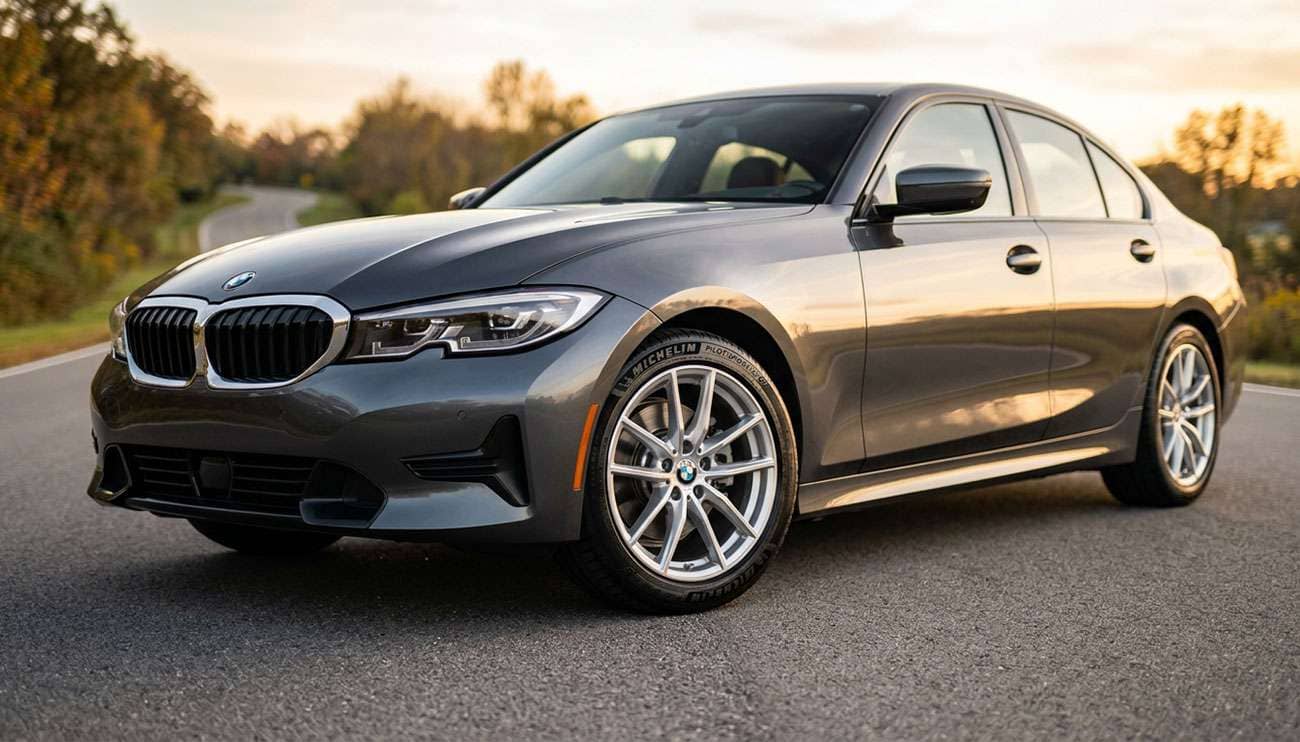
You just invested good money in a fresh set of tires, had them mounted and balanced, and you're ready to hit the road. Here's what most drivers don't find out until it's too late: those brand-new tires are not performing at their peak the moment you leave the shop. For the first 500 miles, they're actually more slippery and less responsive than they'll become — and if you push them hard during that window, you're trading premature wear and reduced grip for zero gain.
The break-in period for new tires is real, it's backed by engineering, and it applies whether you're driving a daily commuter, a performance sports car, or a heavy-duty truck. This guide tells you exactly what's happening to your tires during those critical early miles, how to drive during break-in, which mistakes cost you tread life, and how to match your new rubber to your vehicle so you squeeze every mile out of your investment.
Most drivers assume new tires are immediately ready for hard cornering, aggressive braking, and highway speeds. It's a reasonable assumption — new equipment should outperform old, right? Tires don't work that way. They leave the manufacturing line coated with a release agent — sometimes called mold release lubricant — that prevents rubber from sticking to production molds. That residue doesn't vanish when you pull out of the shop. Road friction wears it away, and until that happens, your grip is measurably reduced compared to what those tires will eventually deliver.
There's also the tire's internal structure to consider. Belts, cords, and rubber compounds need real-world heat cycling to fully seat and flex into their optimal state. Think of breaking in a new pair of work boots — the material needs to work through its initial stiffness before it performs the way it was designed to. For tires, that process takes 500 to 1,000 miles of moderate, varied driving. During that time, the rubber is literally heat-cycling into its final operating condition.
Your tire's sidewall tells you a lot — speed rating, load index, treadwear rating (UTQG), and temperature and traction grades. Understanding what those numbers mean during break-in helps you drive appropriately and protect your investment.
The speed rating defines the maximum sustained speed the tire is engineered to handle — but during break-in, stay well below that ceiling. An "H"-rated tire is certified for 130 mph, but that doesn't mean you push anywhere near it in the first 500 miles. The treadwear rating — a three-digit number like 500 or 700 — reflects relative longevity against a baseline reference tire. A 500-rated tire should last roughly twice as long as a 250-rated tire under equivalent conditions, but only when the break-in is respected. Abuse those early miles and you compromise compound integrity, dragging real-world wear far below the projected numbers.
Load index matters during break-in too. Hauling a full payload or towing during the first 500 miles puts extra stress on tires that haven't fully seated yet. If you drive a truck or SUV, keep loads light during this initial window.
Hard acceleration from a stop is one of the fastest ways to damage new tires before they've had a chance to condition. Even brief tire spin generates excessive heat on rubber that isn't yet thermally ready, creating irregular wear patterns that can persist for the entire life of the tire. Hard braking carries the same risk — aggressive threshold braking events in the first few hundred miles can flat-spot or uneven the tread surface before it has a chance to seat.
Aggressive cornering is the third major mistake. New tires haven't yet developed the full lateral grip their compound is capable of. Pushing hard into corners before the 500-mile mark — especially on performance tires — risks exceeding your tire's current (not rated) grip limits, producing understeer or oversteer you simply wouldn't experience on a properly broken-in set. On top of that, many drivers skip the pressure check after a new installation. Heat and air pressure shifts during the first few drives can move pressures by several PSI, and underinflated new tires wear faster and break in unevenly. Check pressure after your first 50 miles and again at 200 miles.
The 500-mile break-in benchmark isn't a guess — it comes from manufacturer testing showing that at approximately that mileage, the release agent is substantially worn away and internal components have properly seated. Some premium performance tires, particularly softer-compound options, hit that point closer to 300–400 miles. Harder touring tires can take 800–1,000 miles for full compound conditioning.
Temperature cycling is doing critical work during those miles. Each heat cycle — from cold ambient temperature up to full operating temperature and back down — helps the rubber compound vulcanize to its final performance state. Driving exclusively short trips means the tire never fully warms up, which extends your effective break-in period. Mix short and longer drives — say, a 10-minute commute paired with a 30-minute highway run — and you get the temperature variation that accelerates proper conditioning.
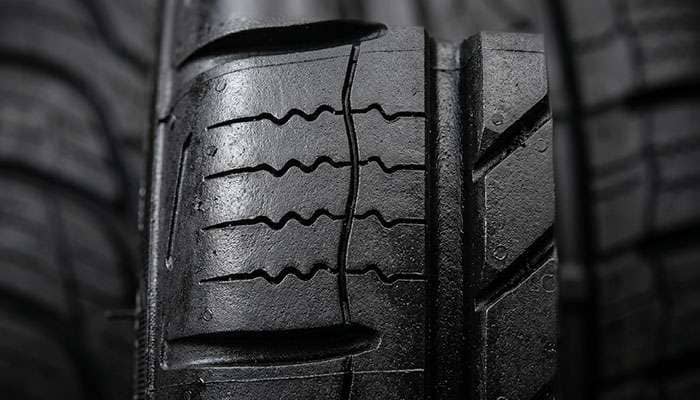
Choosing the right tire matters just as much as how you break it in. A tire mismatched to your vehicle type, driving style, or climate will wear faster, handle worse, and never deliver on its rated performance — regardless of how disciplined your break-in was. The right tire choice and a proper break-in work as a system. Here's how to make sure you're starting with the correct rubber before those first 500 miles even begin.
Always start with your vehicle's OEM tire size — you'll find it on the doorjamb sticker or in the owner's manual. Deviating significantly from that size, especially in overall diameter, affects speedometer accuracy, suspension geometry, and load capacity. If you're considering an upsize or plus-size fitment, use a tire size comparison calculator to confirm the overall diameter stays within 3% of stock.
Vehicle type is equally critical. A crossover SUV needs a tire engineered for its weight class — not a passenger car tire that happens to fit the rim. Trucks and SUVs carry significantly higher loads, and running a light passenger tire on them degrades break-in effectiveness and accelerates wear. If you drive a truck, shop specifically for truck tires rated for your vehicle's load requirements rather than defaulting to whatever fits the size.
If you drive hard — spirited acceleration, canyon roads, occasional track days — you need a performance-oriented tire with a compound engineered for those demands. Mounting a standard touring tire on a sports car and expecting performance-tire behavior isn't realistic, and the break-in period will be compressed or overwhelmed by the loads you're placing on it. Performance tires reach operating temperature quickly and deliver progressive grip feedback — but they need those first 300–500 miles of controlled driving to get there.
On the other hand, if you're mostly commuting at moderate speeds on well-maintained roads, an ultra-high-performance summer tire is overkill. Its softer compound will wear faster than a touring or all-season option built for steady, moderate use. Be honest with yourself about how and where you actually drive before you pick a tire category.
Going with a budget tire brand makes sense for certain driving scenarios, and a value-tier tire is a perfectly reasonable choice when it matches your needs. That said, budget tires typically use simpler rubber compounds and less sophisticated internal construction — which makes the break-in window more critical and more sensitive to abuse than with a premium tire. A budget tire handled correctly during break-in will outperform a premium tire that was thrashed from day one. But a budget tire pushed hard in the first few hundred miles may never seat evenly.
If you're weighing upfront cost against long-term value, consider this: a tire with a 60,000-mile treadwear warranty that costs 20% more upfront often delivers better cost-per-mile value than a 40,000-mile budget option. A harder-compound touring tire from a reputable brand rewards careful break-in with years of consistent, even wear — and that math adds up fast.
Tire Category |
Typical Break-In Miles |
Max Speed During Break-In |
Best For |
|---|---|---|---|
Touring / All-Season |
500–800 miles |
55–60 mph |
Daily commuters, sedans, crossovers |
High Performance / Summer |
300–500 miles |
50–55 mph |
Sports cars, spirited drivers |
Truck / SUV All-Terrain |
500–1,000 miles |
55 mph |
Trucks, SUVs, light off-road use |
Winter / Studded |
300–500 miles |
45–50 mph |
Snow, ice, cold-weather driving |
Budget / Value Tier |
500–800 miles |
55 mph |
Low-mileage drivers, secondary vehicles |
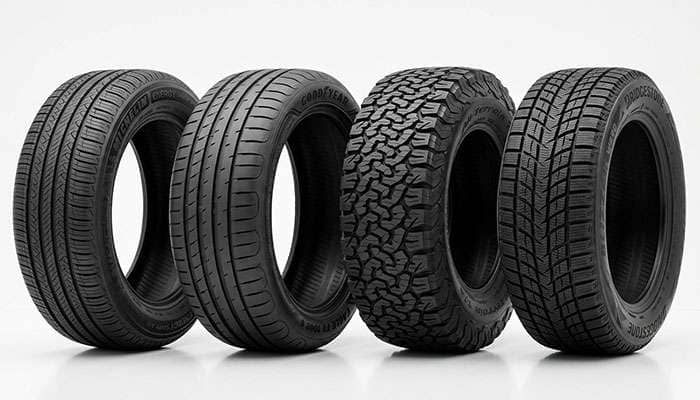
Understanding break-in technique matters most when you're also running the right tire for your use case. These recommendations reflect tires with proven track records for durability, consistent break-in behavior, and real-world performance across their respective categories. Give any of these a proper 500-mile break-in and you'll see excellent long-term wear, confident handling, and real value from your purchase.
For drivers logging consistent miles on paved roads — highways, surface streets, suburban routes — a touring all-season tire is almost always the right answer. These tires are built for longevity, ride comfort, and reliable wet-weather grip. Their break-in periods tend to be forgiving because the compounds are engineered for steady, moderate use rather than heat spikes.
The Michelin Defender LTX M/S is widely regarded as one of the best daily-driver tires available — it carries a 70,000-mile treadwear warranty and a compound that seats evenly and predictably throughout break-in. The Goodyear Assurance WeatherReady is another excellent pick for commuters in mixed-climate regions — its silica-enhanced tread compound responds well to the heat cycling of varied daily driving and breaks in noticeably within the first 300–400 miles for most drivers. If you're watching your budget, the Hankook Kinergy PT offers solid treadwear ratings at a lower price point without sacrificing break-in consistency.
Aggressive acceleration, high cornering loads, and elevated speeds demand a tire whose compound develops grip through thermal cycling. Performance tires break in faster — often within 300–400 miles — but they're less forgiving of early abuse. Hard launches or late braking during that window can cause uneven tread wear that compounds over time and never fully corrects itself.
The Michelin Pilot Sport 4S is the benchmark in ultra-high-performance street tires — its bi-compound tread uses different rubber formulations across the inner and outer tread zones, and both zones need to break in properly for the tire to deliver its rated lateral grip. The Continental ExtremeContact Sport 02 is another top performer, with a tread design that generates progressive grip feedback during break-in so you can feel the tire approaching full operating capacity. Both tires demand genuine restraint for the first 300–500 miles — no track sessions, no hard launches.
Budget tires don't have to mean compromising break-in quality or overall performance — it means matching the tire honestly to your actual needs. If you're not driving aggressively and you're putting moderate annual mileage on a reliable daily driver, a value-tier tire from a reputable manufacturer delivers excellent cost-per-mile performance when you break it in properly.
The Falken Sincera SN250 A/S stands out as one of the better value touring tires on the market, offering a smooth break-in curve and respectable treadwear for its price. For truck and SUV drivers keeping costs down without sacrificing load capacity, the all-season tire options in the mid-tier from brands like Kumho and Nexen have improved significantly in recent years. With budget tires, be especially diligent about pressure checks during break-in — construction tolerances are slightly wider, and pressure management during the first 500 miles has an outsized impact on how evenly the tread seats. At Performance Plus Tire, we carry options across every price point and can help you find the right fit for your budget and your vehicle.
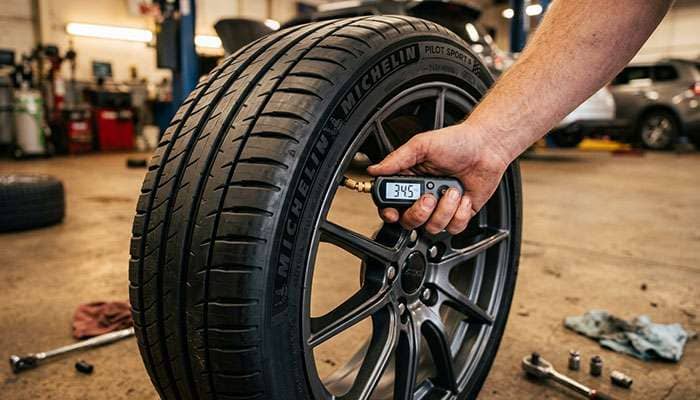
Breaking in new tires isn't complicated — but it demands a deliberate approach during those first 500 miles. Mold release lubricant on the tread surface combined with unseated internal components means your new tires are genuinely less capable in the early miles than they'll eventually become. Respecting that reality is what separates drivers who get 70,000 miles out of a set from those puzzling over why their tires wore out at 35,000. Moderate speeds, smooth acceleration and braking, easy cornering loads, and regular pressure checks during break-in are the concrete steps that protect your investment and ensure the compound seats evenly across the full tread face.
Pairing a proper break-in with the right tire for your vehicle type and driving style is what truly maximizes lifespan. Whether you're running a premium touring tire, a high-performance summer set, or a budget all-season, the break-in discipline is consistent — only the timeline and speed thresholds shift slightly by category. Take the first 500 miles seriously and you'll see better wear, sharper handling response, and stronger overall value from every set you ever mount.
Ready to find the right set of tires for your vehicle? At Performance Plus Tire, we carry a full range of options across every category — from premium brands to value-tier selections — and our team can help you match the right tire to your specific driving needs. Visit our tire shop to get started, or explore our financing options if you want to spread the cost over time.
Here are the most important things to remember about breaking in new tires properly.
• New tires are slippery at first: Mold release lubricant on the tread surface cuts grip for the first 300–500 miles — cautious driving during this window is a mechanical necessity, not just a suggestion.
• The 500-mile rule is the standard benchmark: Most tire manufacturers and engineers mark 500 miles as the point at which the tread compound has adequately heat-cycled and the release agent has worn away enough for full performance.
• Avoid hard acceleration, braking, and cornering: These three behaviors during break-in are the most common causes of premature uneven wear — the kind that shortens a tire's total lifespan and can't be undone.
• Check tire pressure early and often: Pressure shifts are common in the first 50–200 miles on new tires. Correct inflation during break-in directly determines how evenly the tread seats across its full width.
• Match the tire to your driving style before you worry about break-in: A perfectly broken-in tire that's wrong for your vehicle or habits will still underperform. Start with the right category — touring, performance, truck, winter — then execute the break-in correctly.
Yes — and the reason is both chemical and structural. New tires come off the production mold coated with a release agent that reduces grip until road friction wears it away. At the same time, the tire's internal belts and compounds need heat cycling to fully seat and conform. Skipping or rushing the break-in period causes uneven tread wear that shortens the tire's lifespan and undermines the handling performance you paid for.
Mold release lubricant is the primary culprit. Manufacturers apply it during production to prevent the tire from bonding to the mold. That residue coats the tread surface and significantly reduces friction with the road until it wears off — typically within the first 300–500 miles. You'll notice slightly longer braking distances and less responsive cornering grip until the process is complete. This is normal and expected behavior; drive accordingly during that window.
The standard recommendation across most major tire manufacturers is 500 miles of moderate driving. That said, the timeline varies by tire type: performance tires with softer compounds can reach full grip potential in as few as 300–400 miles, while harder touring or truck tires may need 800–1,000 miles to fully seat. The key variable is heat cycling — tires driven exclusively on short trips without reaching full operating temperature take longer to complete break-in than those used for a mix of short and longer drives.
During the first 500 miles, avoid hard acceleration from stops — tire spin generates heat on rubber that isn't thermally conditioned yet, causing uneven tread wear. Skip aggressive braking, which can flat-spot the tread before it's seated, and avoid high-speed cornering, which pushes lateral loads beyond your tire's current pre-break-in grip capability. Hold off on track driving, towing heavy loads, or carrying maximum payload during this window. Keep speeds moderate — under 55–60 mph for most tire categories — and check tire pressure after the first 50 miles and again at 200 miles.
Yes — in timeline and sensitivity. Performance tires, especially ultra-high-performance and summer compounds, use softer, stickier rubber that heats up faster and typically completes break-in within 300–400 miles. But they're more sensitive to abuse during that window — hard launches or aggressive cornering can cause compound deformation or uneven wear patterns that are difficult to correct. All-season touring tires use harder compounds that take longer to fully heat-cycle, with 500–800 miles being common, but they're generally more forgiving of moderate driving imperfections during break-in.



