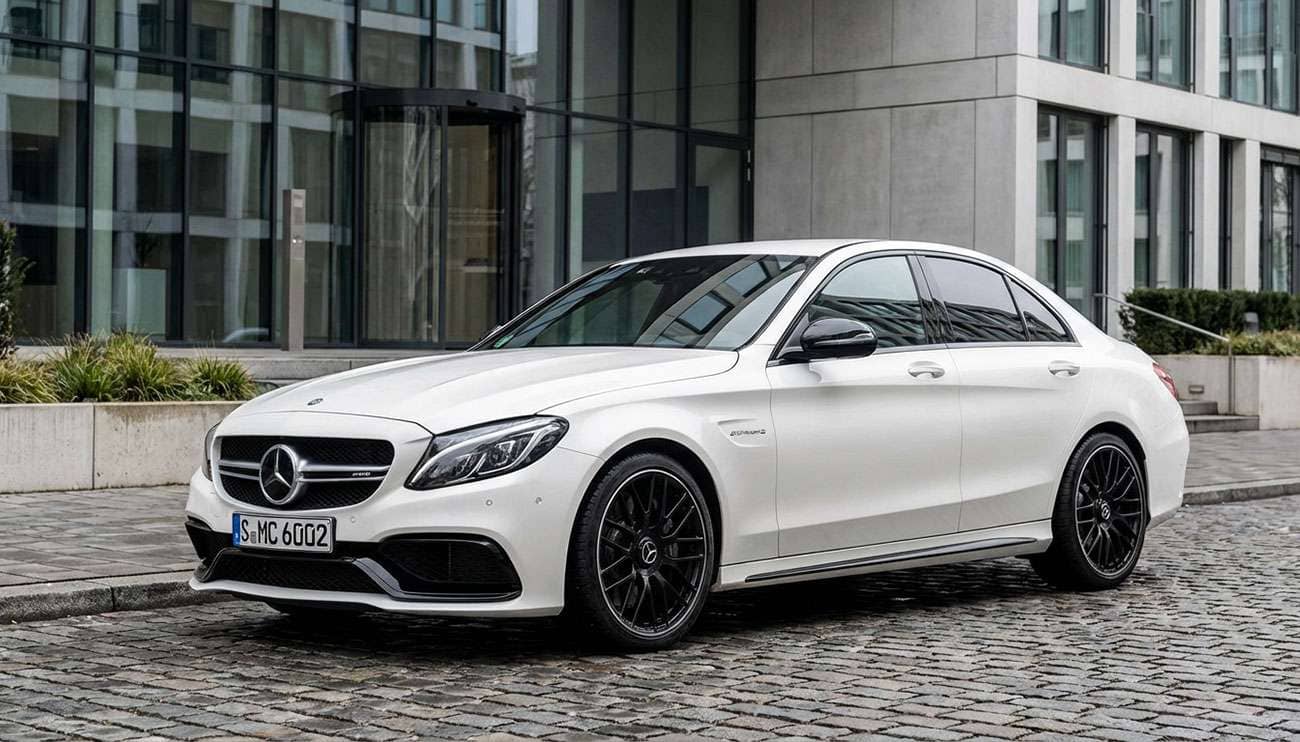
Mercedes C-Class aftermarket wheels represent one of the most popular vehicle upgrades among enthusiasts. Every C-Class generation shares the same fundamental starting point - a consistent 5x112mm bolt pattern that makes wheel selection straightforward once you understand the basics.
We carry extensive knowledge of Mercedes Benz C-Class rims specifications to help you make the right choice. Factory wheels for the C-Class typically range from 17 to 20 inches in diameter and 7.5 to 8.5 inches in width, with offsets between +35 and +53. These aren't random numbers - Mercedes engineers these specifications to deliver optimal performance, comfort, and safety for your specific vehicle.
When selecting Mercedes Benz aftermarket wheels, proper fitment becomes essential for both appearance and performance. We work with fitting chart data sourced directly from Mercedes factory specifications and established tuning companies like AMG and Brabus. This ensures you get wheel sizes that have been properly tested and proven safe for your C-Class.
Whether you want a more aggressive stance or simply want to upgrade your C-Class appearance, choosing the right wheels enhances both style and performance without compromising safety. Our guide covers the essential knowledge you need to make this important upgrade successfully.
Wheel fitment determines the precise relationship between your wheels and your Mercedes-Benz C-Class in terms of size, positioning, and clearance relative to the suspension and brakes. Proper fitment affects vehicle control, safety, and fuel economy - it's far more than just appearance.
Wheel fitment describes how well a wheel matches your specific Mercedes model's requirements. Poor fitment creates serious problems: handling issues, fender rubbing, and excessive stress on suspension components. Proper fitment maintains optimal clearance between the wheel's interior and strut housing for safe operation.
Here's what happens with incorrect specifications: wheels might look impressive initially but cause fender scrubbing, compromised handling, and premature suspension wear. Think of installing 20x10 -12 offset wheels on a compact car - the problems become obvious quickly.
Three critical measurements determine whether Mercedes-Benz C-Class aftermarket wheels will fit properly:
Offset measures the distance between the mounting surface and wheel centerline. Most C-Class models use positive offsets from 35mm to 52mm as standard. Straying from these specifications causes rubbing or excessive fender protrusion.
Bolt Pattern specifies how bolts secure the wheel. Every C-Class generation uses the same 5x112mm pattern - five bolts arranged in a 112mm diameter circle.
Hub Bore refers to the central hole that must match your C-Class hub size, typically 66.6mm, for proper wheel centering. Incorrect centering leads to vibrations and uneven tire wear.
Correct wheel fitment provides measurable benefits for your C-Class:
Better handling through improved wheel and tire responsiveness
Maximum performance when wheels are properly sized and fitted
Enhanced safety by preventing suspension stress and maintaining driving stability
C-Class AMG models demand especially precise fitment because of their larger brake calipers and rotors, requiring wheels with adequate clearance. Staggered configurations with larger rear wheels are popular on AMG models for improved traction and sportier appearance.
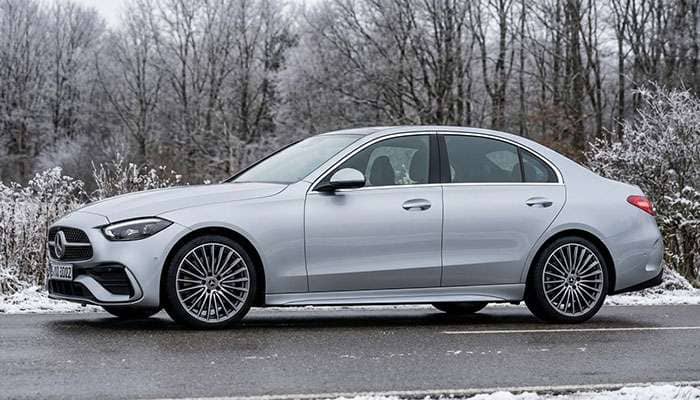
Mercedes-Benz C-Class models have progressed through five generations, each bringing specific wheel specification changes that directly impact your aftermarket wheel selection. Understanding these differences helps ensure you choose wheels that perfectly complement your specific C-Class generation.
Mercedes C-Class wheel specifications have steadily evolved toward larger diameters and wider profiles:
W202 (1993-2000): Featured 15-inch to 17-inch wheels with offsets around +37mm
W203 (2000-2007): Equipped with 16-inch to 17-inch wheels, offsets ranging from +31 to +37mm
W204 (2007-2011): Introduced 16-inch to 18-inch factory wheels with higher offsets between +43 and +58mm
W204 Facelift (2011-2015): Maintained similar specifications as the earlier W204 models
W205 (2014-2022): Expanded to 16-inch to 19-inch options with offsets typically between +38 and +56mm
W206 (2021-present): Currently offers wheel sizes from 17-inch to 20-inch with comparable offset ranges
We recommend 18-inch and 19-inch wheels as the optimal choice for most non-AMG C-Class upgrades, delivering enhanced appearance while maintaining ride comfort.
Despite significant design evolution, Mercedes has maintained two critical specifications:
Bolt pattern: Every C-Class generation from W202 through W206 uses the same 5x112mm bolt pattern
Hub bore: The standard 66.6mm center bore remains unchanged across all generations
This consistency simplifies aftermarket wheel selection since these fundamental measurements work across all C-Class models.
AMG variants require different considerations compared to standard C-Class models:
Wider fenders and track width accommodate more aggressive wheel fitment
Larger brake calipers demand wheels with increased inner clearance—18-inch minimum diameter required
Offset preferences for AMG models typically range from +25mm to +40mm
Staggered setups with wider rear wheels up to 10.5 inches provide enhanced traction and sportier stance
Current AMG models in the BR206 generation can handle wheel diameters up to 21 inches, while standard C-Class models typically accommodate up to 20 inches maximum.
Aftermarket wheels for your Mercedes C-Class offer endless customization possibilities, but getting the fitment right separates a successful upgrade from an expensive mistake. The key lies in matching wheel specifications to your specific driving needs and vehicle requirements.
Your wheel selection process should start with a clear understanding of your priorities. Are you seeking improved comfort for daily driving, enhanced appearance for weekend shows, or maximum performance for track use? Each goal requires different specifications and compromises.
Brake caliper clearance becomes critical, especially with AMG models that feature larger braking systems. Always verify clearance before purchasing, as even wheels with identical dimensions can have vastly different spoke designs that affect fitment. Choose widths that accommodate your desired tire size without creating clearance issues with fenders or suspension components.
For perfectly matched wheels specific to your Mercedes-Benz C-Class model, Performance Plus Tire's vehicle-specific search tool can help you find compatible options that meet your exact specifications.
Staggered setups feature wider rear wheels and offer distinct advantages:
Enhanced traction during acceleration
Improved stability when cornering at speed
More aggressive, performance-oriented appearance
Square setups use identical wheels front and rear, providing:
Neutral handling characteristics that are easier to predict
Simplified maintenance with easier tire rotation
Lower long-term costs for replacement tires and wheels
C300 owners with all-wheel drive systems must maintain consistent overall diameter when choosing staggered configurations to prevent drivetrain stress.
Wheel spacers solve specific fitment problems by moving wheels outward from the hub, correcting excessive positive offset that causes inner wheel well contact. Quality hub-centric rings eliminate gaps between different center bore sizes, ensuring proper wheel centering and preventing vibrations.
Mercedes C-Class applications typically require hub-centric rings when adapting from larger bore sizes like 72.6mm down to the standard 66.6mm Mercedes specification.
Rolling diameter consistency across all four wheels remains essential for proper vehicle operation. Electronic stability systems and all-wheel drive components rely on consistent wheel speeds to function correctly.
While staggered setups allow different tire widths front to rear, the overall diameter should stay within 2-3% tolerance. Exceeding this range can trigger system warnings and potentially damage drivetrain components over time.
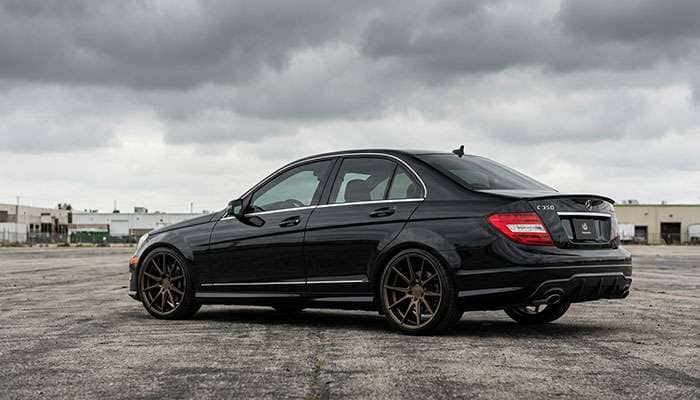
Even experienced enthusiasts make critical errors when selecting Mercedes-Benz C-Class aftermarket wheels. These mistakes can cost thousands in repairs and create dangerous driving conditions. Here's how to avoid the most common problems.
Mercedes-Benz C-Class models feature large multi-piston brake calipers that frequently interfere with aftermarket wheels. The problem isn't just about offset—spoke design and internal wheel structure play major roles in clearance. Two wheels with identical diameter specifications can have completely different brake caliper clearance depending on their internal design.
AMG models present particular challenges due to their oversized brake components. Nothing smaller than 18-inch wheels will clear these calipers properly.
Understanding offset types helps prevent major fitment issues. Zero offset places the mounting surface at the wheel centerline, positive offset moves it toward the front face, and negative offset pushes it toward the back. Most C-Class models use positive offset wheels from the factory.
Straying more than ±5mm from factory specifications creates problems. Lower offset values cause fender rubbing, while higher offsets risk suspension component interference. This isn't just about appearance—incorrect offset affects handling and can damage suspension components.
TPMS sensors must work with your mercedes benz c class rims. Mercedes benz aftermarket wheels often present sensor compatibility challenges. Common solutions include:
Aftermarket stems and seals that adapt existing sensors
Drop center mounting using specialized band kits
Programmable sensors for flexible installation options
When changing tire size or load rating, TPMS module recalibration becomes necessary since different specifications require adjusted pressure settings. Skipping this step triggers warning lights and compromises safety monitoring.
Selecting aftermarket wheels for your Mercedes C-Class becomes straightforward when you understand the key factors we've covered. Proper wheel fitment ensures your upgrade enhances both appearance and performance while maintaining safety and reliability.
The consistent specifications across all C-Class generations make wheel selection easier than many other luxury vehicles. Whether you own a W202 or the latest W206, the foundation remains the same. AMG owners have additional considerations with their larger brake systems, but this opens up more aggressive fitment possibilities.
Your choice between staggered and square setups depends on your priorities - sportier appearance and better traction versus easier maintenance and cost savings. Both options work well when properly selected for your specific model and driving needs.
When shopping for Mercedes-Benz C-Class wheels, remember that brake caliper clearance and proper rolling diameter matter more than just visual appeal. During your search for the perfect Mercedes-Benz C-Class wheels, you can explore compatible options through Performance Plus Tire's vehicle-specific search tool to ensure proper fitment.
Ready to upgrade your C-Class? The right wheels transform your vehicle's appearance and driving experience without compromising the engineering excellence Mercedes built into your car. With proper selection, you'll enjoy improved looks, better performance, and the confidence that comes from choosing wheels designed to work perfectly with your vehicle.
Choosing the perfect aftermarket wheels for your Mercedes C-Class requires understanding critical specifications and avoiding common fitment mistakes that could compromise safety and performance.
• All C-Class generations share the same 5x112mm bolt pattern and 66.6mm hub bore, making wheel selection consistent across models from W202 to W206.
• Proper offset is crucial—stick within ±5mm of factory specifications (+35 to +53mm) to avoid fender rubbing or suspension interference issues.
• AMG models require special consideration due to larger brake calipers that need 18+ inch wheels and wider track widths allowing more aggressive fitment.
• Always verify brake caliper clearance and maintain correct rolling diameter within 2-3% tolerance to preserve electronic stability systems and drivetrain performance.
• Consider staggered setups for sportier appearance and better traction, or square configurations for easier maintenance and more predictable handling characteristics.
Remember that wheel fitment directly impacts vehicle safety, handling, and component longevity. When in doubt, consult with professionals or use manufacturer-specific fitment tools to ensure your upgrade enhances rather than compromises your C-Class's engineered performance.
The standard bolt pattern for all Mercedes C-Class generations is 5x112mm. This consistency makes it easier to find compatible aftermarket wheels across different model years.
Wheel offset determines the wheel's position within the wheel arch. Proper offset (typically between +35mm and +53mm for C-Class) ensures optimal handling, prevents rubbing, and maintains correct suspension geometry. Deviating too far from factory specifications can negatively impact performance and safety.
Yes, staggered setups (wider rear wheels) can be used on Mercedes C-Class models. They offer improved traction, stability in corners, and a sportier appearance. However, ensure the overall diameter remains consistent to avoid issues with electronic systems and drivetrain performance.
AMG models require wheels with increased inner clearance due to larger brake calipers. Typically, nothing smaller than 18-inch wheels will fit. AMG variants also allow for more aggressive fitment due to wider front fenders and track width. Consider lower offset values (between +25mm to +40mm) for AMG models.
Brake caliper clearance is crucial, especially for AMG models with larger brakes. Overlooking this can lead to wheels that don't fit properly or interfere with brake operation. Always verify that the wheel's internal structure provides adequate clearance for your specific C-Class model's brake calipers.