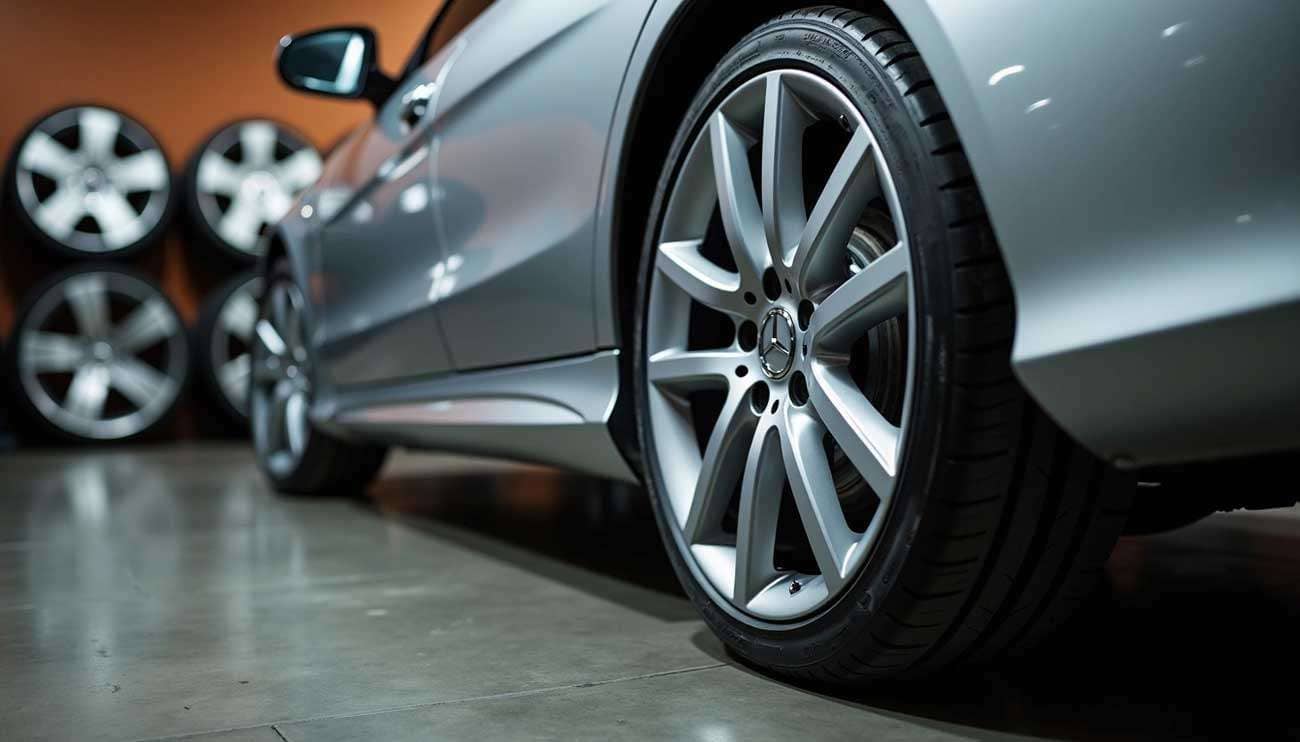
The 5x112 bolt pattern appears on countless European vehicles, especially those from Audi, Mercedes-Benz, and Volkswagen. This wheel configuration uses 5 lug holes positioned in a precise circle measuring 112 millimeters in diameter. Finding compatible wheels becomes straightforward once you understand which vehicles share this popular bolt pattern.
We carry an extensive selection of wheels designed for 5x112 vehicles, giving us deep expertise in this wheel fitment. German luxury manufacturers like BMW and Bentley rely on this pattern, along with emerging brands such as Aiways and BAIC. When shopping for aftermarket wheels, you'll often see this measurement listed as 5x4.41 inches. Our guide covers which cars use the 5x112 bolt pattern, explains why manufacturers prefer this configuration, and shows you exactly how to verify your vehicle's fitment requirements.
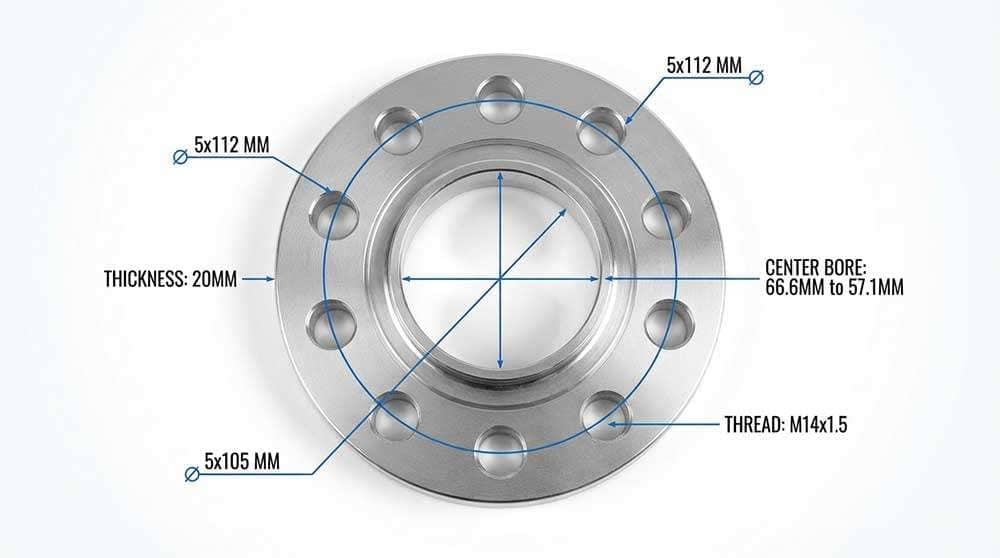
Selecting wheels requires matching your vehicle's bolt pattern exactly. This specific configuration must align perfectly with your vehicle's hub to ensure safe, secure wheel installation.
The 5x112 bolt pattern contains two essential measurements that determine wheel attachment. The first number (5) tells you how many lug holes or bolts the wheel has. The second number (112) measures the diameter in millimeters of the imaginary circle connecting these lug hole centers. This measurement is called the Pitch Circle Diameter (PCD).
The bolt pattern controls precise spacing between wheel lugs. For 5x112 wheels, all five bolts sit evenly spaced on a 112mm diameter circle. This exact spacing distributes load properly across the wheel and hub assembly, making it crucial for both safety and performance.
Mismatched bolt patterns create serious problems. If replacement wheels don't match your vehicle's hub configuration, you simply cannot install them properly. Forcing incompatible wheels leads to dangerous vibrations, accelerated wear, and potential safety hazards while driving.
Metric measurements dominate wheel specifications, but imperial units remain popular in North American markets. The 5x112 bolt pattern converts to 5x4.41 inches for those working with imperial measurements.
Converting between these measurement systems is straightforward:
1 inch = 25.4 millimeters
112 millimeters ÷ 25.4 = 4.41 inches
This conversion matters when shopping for aftermarket wheels, since manufacturers may list specifications using either system. Older or classic vehicles often reference wheel specifications exclusively in inches, while newer models typically use metric measurements.
Here are common 5-lug bolt pattern conversions for reference:
5x100mm = 5x3.94"
5x112mm = 5x4.41"
5x114.3mm = 5x4.50"
5x120mm = 5x4.72"
The 5x112 bolt pattern has become standard among European automakers, especially German luxury brands. Manufacturers like Audi, Mercedes-Benz, Volkswagen, and newer BMW models use this pattern extensively.
Several factors drive this bolt pattern's popularity among European vehicles. The 5x112 configuration delivers an excellent balance between durability, design flexibility, and load distribution. Standardizing this pattern across multiple vehicle platforms also allows manufacturers to streamline production and reduce costs.
Car enthusiasts benefit significantly from the 5x112 pattern's widespread adoption. It creates compatibility across different models and brands, providing access to a much wider selection of aftermarket wheels. This versatility proves particularly valuable for those seeking to customize their vehicles with unique wheel designs.
The pattern's prevalence means 5x112 wheels come readily available in various designs, materials, and performance specifications. This availability gives European car owners exceptional flexibility when upgrading or replacing wheels, making it easier to find options that match both aesthetic preferences and performance requirements.
The 5x112 bolt pattern spans multiple vehicle brands and model generations. Here are eight popular cars that use this specific wheel configuration.
The Audi A4 has maintained the 5x112 bolt pattern since the B5 generation launched in 1994. Every iteration follows this standard, including the B6 (2000-2006), B7 (2004-2009), B8 (2007-2012), B8 Facelift (2011-2016), B9 (2015-2020), and B9 Facelift (2019-2025). This consistency gives A4 owners access to an enormous range of compatible wheels, making upgrades simple and affordable.
BMW made a significant change with the G-chassis 3 Series (G20/G21), switching from the traditional 5x120 to the 5x112 bolt pattern in 2018. The new configuration includes a 66.6mm center bore. This shift improved wheel design compatibility and reduced vibrations for smoother rides. The change also aligned the 3 Series with other European manufacturers, expanding wheel options considerably.
Starting with the B5 generation in 1997, the Volkswagen Passat adopted the 5x112 bolt pattern. Earlier B3 (1988-1993) and B4 (1993-1997) models used 4x100 or 5x100 configurations. All subsequent generations—B5 Facelift (2000-2005), B6 (2005-2010), B7 (2010-2015), B8 (2014-2019), B8 Facelift (2019-2024), and the current B9 (2024-2026)—continue with 5x112. This standardization makes wheel selection consistent across decades of Passat production.
Mercedes-Benz has used the 5x112 bolt pattern on the C-Class since its debut in 1993. From the original Br202 (1993-2000) through every generation—Br203 (2000-2007), Br204 (2007-2011), Br204 Facelift (2011-2015), Br205 (2014-2023), to the current Br206 (2021-2026)—the pattern remains unchanged. This consistency extends across nearly the entire Mercedes-Benz lineup, creating unified fitment standards.
The Bentley Continental GT used 5x112 for its first two generations. Both the original (2003-2011) and second generation (2011-2018) maintained this pattern. The third generation (2018-2024) and fourth generation (2024-2025) switched to 5x130. Earlier Continental GT owners can choose from premium wheel brands like Asanti, Dub, TSW, Vossen, and KMC.
The Audi Q5 has exclusively used 5x112 across all generations. This includes the original 8R (2008-2012), 8R Facelift (2012-2018), FY (2017-2020), FY Facelift (2020-2025), and upcoming GU (2025-2026) models. Q5 wheels typically use offsets between 40mm to 45mm for optimal clearance and stability.
The BMW X5 switched to 5x112 with the G05 generation in 2018. Previous versions used a 5x120 pattern. This change reflects BMW's broader adoption of 5x112 across newer models. The G05 X5 shares the 66.6mm center bore and 5x112 pattern with other G-chassis BMWs, using conical seat lug bolts with M14x1.25mm threads.
The Volkswagen Golf moved to 5x112 starting with the Mk5/A5 generation (2003-2009). Earlier models used different patterns—Mk1 through Mk3 used 4x100, while Mk4 used 5x100. The Mk6 (2008-2014), Mk7 (2012-2017), and Mk7 Facelift (2017-2020) generations all maintained 5x112. The newest Mk8 models (2019-present) continue this standard.
Manufacturers select wheel bolt patterns based on engineering requirements and performance targets. The 5x112 configuration has become a go-to choice because it solves multiple design challenges while delivering measurable benefits.
Five-bolt configurations provide superior weight distribution compared to four-bolt setups. The 5x112 pattern delivers exceptional stability for high-performance applications that demand reliable wheel attachment under extreme stress. This design spreads loads evenly across the hub assembly, enabling vehicles to maintain traction and control during aggressive driving.
The strength advantage over four-bolt patterns is significant. Modern 5x112 wheels handle higher load ratings, making them suitable for both performance vehicles and heavier applications. This robust attachment ensures wheels stay securely mounted even at high speeds, directly improving safety and ride quality.
Advanced braking systems require wheels that provide adequate clearance and support. The 5x112 bolt pattern accommodates larger brake calipers and rotors without compromising wheel design. Proper engineering ensures these components work together effectively.
Key performance benefits include:
Superior heat dissipation through optimized metal conductivity
Enhanced steering precision with reduced rotational mass
Better braking performance through integrated component design
The pattern's structural design supports high-performance braking systems while maintaining other critical wheel characteristics.
Adopting consistent bolt patterns creates significant advantages for both manufacturers and consumers. The 5x112 standard represents proven engineering that balances durability, design flexibility, and load capacity. Production becomes more efficient when multiple vehicle platforms share common specifications.
This standardization creates a thriving aftermarket with extensive wheel options across various styles, materials, and performance levels. German automakers like Audi, Volkswagen, and Mercedes-Benz have established this pattern as an industry benchmark. The result is robust aftermarket support with countless customization possibilities.
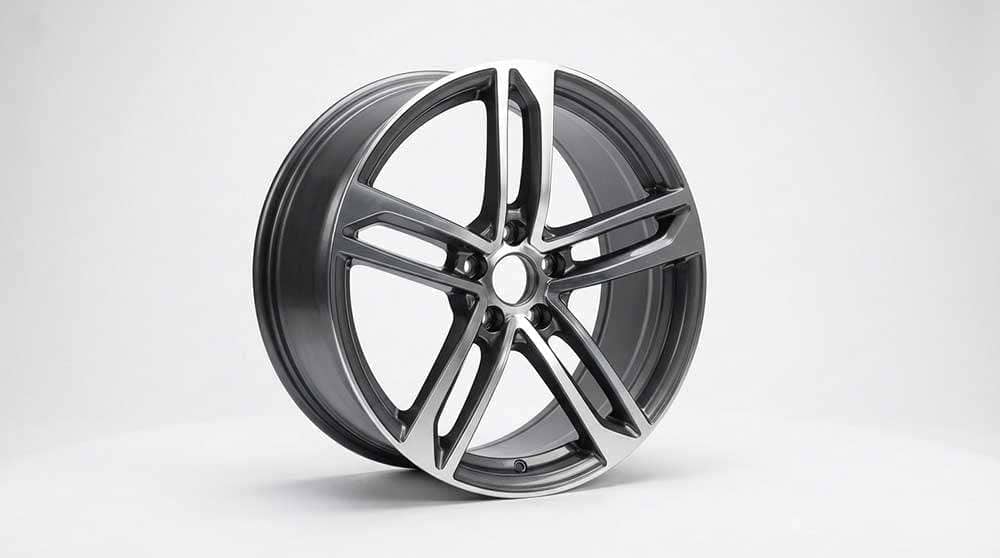
We carry the best selection of 5x112 aftermarket wheels at competitive prices. The 5x112 bolt pattern has become one of the most popular configurations for custom wheel upgrades, making it easy to find the perfect match for your vehicle.
Aftermarket 5x112 wheels are custom replacements designed specifically for vehicles with this bolt pattern. You'll find these wheels in sizes ranging from 17 to 22 inches in diameter. Our inventory includes multiple finishes like matte black with double dark tint face, gloss black milled, and brushed titanium. These wheels have gained popularity because they fit so many European vehicles including Audi, Volkswagen, Mercedes-Benz, and newer BMW models.
Top manufacturers produce high-quality 5x112 wheels that deliver both style and performance. Our selection includes respected brands such as:
Niche, TSW, Vision, and American Racing
BBS, Rotiform, Vossen, OZ Racing, and Enkei
Fifteen52 and Discount Tire
Most retailers provide search tools where you can enter your vehicle's make, model, and year to find compatible 5x112 options. This makes finding the right wheels much simpler than guessing based on appearance alone.
Wheel offset and center bore specifications determine how your new wheels will fit and perform. Offset controls wheel positioning relative to your vehicle's body. Positive offsets work best for FWD and AWD vehicles, keeping wheels closer to the body. Negative offsets create a more aggressive stance but may affect handling.
Center bore size must match your vehicle's hub or be larger with proper hub-centric rings. Most 5x112 vehicles use hub bores between 57.1mm (common on Volkswagen/Audi) and 66.6mm (standard for Mercedes-Benz). Wrong offset measurements can hurt handling and cause suspension interference.
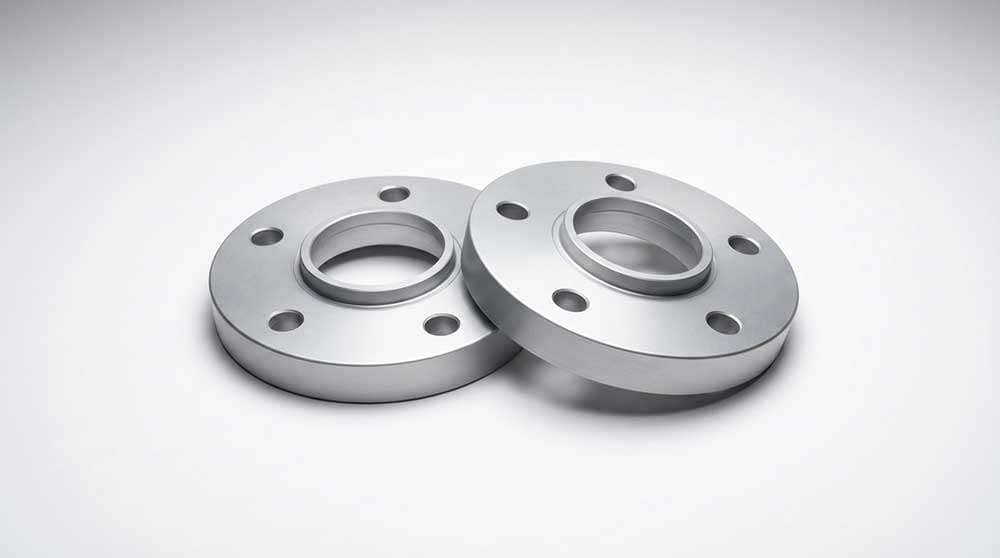
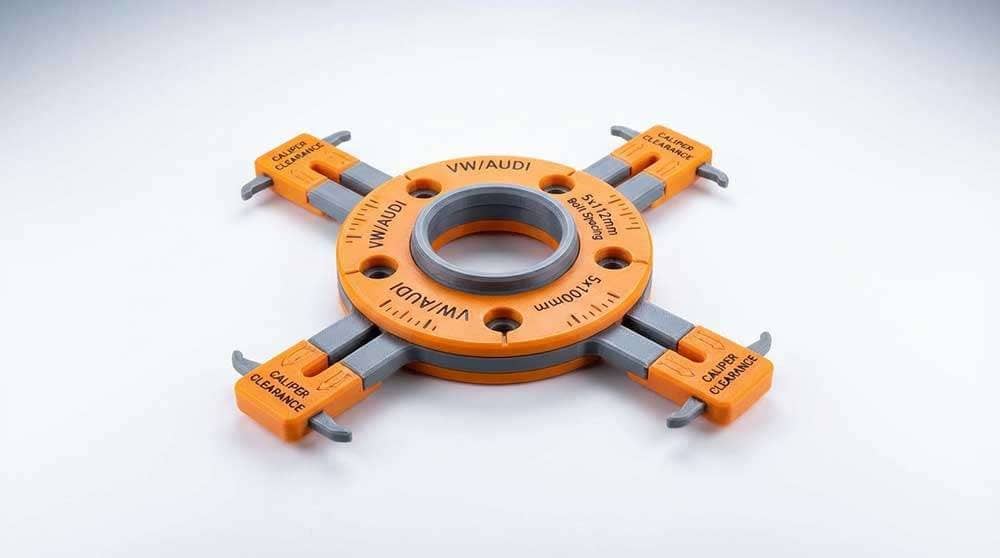
While adapters exist to convert between 5x112 and 5x114.3 bolt patterns, we strongly recommend against using them. Wobble bolts and PCD adapters create serious safety risks including vibrations, wheel failure under load, and improper torque distribution. If you absolutely must use adapters, choose hub-centric designs made from 6061 T6 aluminum with proper anodizing. However, selecting wheels with the correct bolt pattern remains the safest choice.
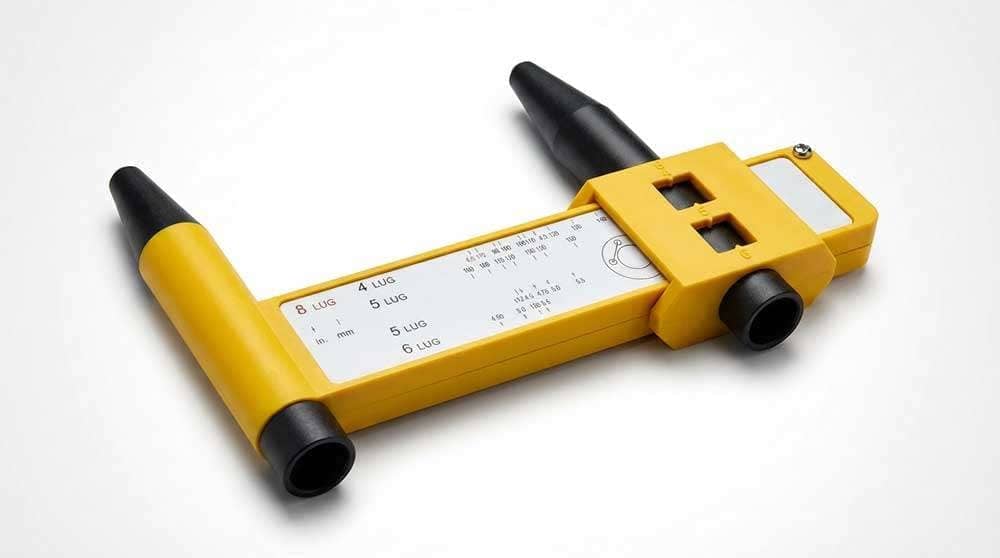
Accurate wheel fitment starts with knowing your vehicle's exact bolt pattern. Before ordering new wheels, you need to verify that your vehicle actually uses the 5x112 configuration. Here are three reliable methods to confirm your fitment.
Your owner's manual provides the most reliable source for bolt pattern specifications. Most manufacturers include wheel specifications in a dedicated section, usually called "Technical Specifications" or "Wheel and Tire Information". This eliminates any guesswork and gives you manufacturer-verified data.
Can't find your physical manual? Most manufacturers now offer digital versions online that you can access using your Vehicle Identification Number (VIN). This approach saves time and provides the exact specifications your vehicle was designed for.
Several online resources help identify your vehicle's bolt pattern using basic vehicle information. Websites like Wheel-Size.com offer detailed databases where you can check bolt pattern, center bore, offset, and recommended tire sizes. Many wheel retailers also provide search tools that show only compatible options after you enter your vehicle details.
We recommend checking multiple sources for accuracy. Different databases sometimes contain conflicting information, especially for vehicles with multiple wheel options from the factory.
For direct confirmation, you can measure the pattern yourself:
For 5-lug wheels: No holes sit directly across from each other, so you'll need a specific approach.
Remove two non-adjacent lug nuts from the wheel.
Measure from the center of one bolt to the outside edge of another bolt that's not adjacent.
Use a digital caliper for the most precise measurement.
This hands-on method gives you definitive proof of whether your vehicle uses the 5x112 bolt pattern. The measurement should come out to exactly 112 millimeters (or 4.41 inches) for a true 5x112 configuration.
Knowing your vehicle's bolt pattern makes wheel selection simple and ensures perfect fitment every time. The 5x112 pattern dominates European automotive design, appearing on vehicles from Audi and Mercedes-Benz to Volkswagen and newer BMW models.
This pattern delivers real advantages for drivers. The five-bolt configuration provides superior stability and load distribution compared to four-bolt designs. More importantly, the standardization across European brands means you have access to an enormous selection of aftermarket wheels.
Smart verification prevents costly mistakes. Check your owner's manual, use our online fitment tools, or measure directly - but always confirm before you buy. We strongly advise against using bolt pattern adapters, as they create unnecessary safety risks.
At Performance Plus Tire, we understand the 5x112 fitment inside and out. Whether you drive an Audi A4, BMW X5, or Mercedes C-Class, our expert team can guide you to wheels that fit perfectly and perform flawlessly. Ready to upgrade your European vehicle? Our 5x112 wheel selection combines the latest designs with guaranteed fitment, giving you confidence in every mile.
Understanding the 5x112 bolt pattern is crucial for European car owners seeking proper wheel fitment and compatibility across multiple vehicle brands.
• The 5x112 bolt pattern (5x4.41 inches) features 5 lug holes on a 112mm diameter circle, predominantly used by Audi, Mercedes-Benz, Volkswagen, and newer BMW models.
• This configuration provides superior wheel stability, load distribution, and compatibility with high-performance braking systems compared to 4-bolt patterns.
• Popular vehicles include Audi A4/Q5, BMW 3 Series/X5 (2018+), VW Passat/Golf, Mercedes C-Class, and Bentley Continental GT (2003-2018).
• Always verify your vehicle's bolt pattern through VIN lookup, owner's manual, or online databases before purchasing aftermarket wheels to ensure proper fitment.
• Avoid using bolt pattern adapters (like 5x112 to 5x114.3) as they create safety risks including vibrations and potential wheel failure under load.
The standardization of 5x112 across European manufacturers has created an extensive aftermarket wheel selection, making customization easier while maintaining safety and performance standards for millions of vehicles worldwide.
The 5x112 bolt pattern is commonly found on European vehicles, particularly those from Audi, Mercedes-Benz, Volkswagen, and newer BMW models. This configuration has become a standard among many luxury and performance car manufacturers.
The 5x112 bolt pattern offers improved wheel stability, better load distribution, and compatibility with high-performance braking systems. It also provides a wide range of aftermarket wheel options due to its popularity among European car manufacturers.
You can verify your vehicle's bolt pattern by checking the owner's manual, using online fitment databases, or measuring it manually. For manual measurement, remove two non-adjacent lug nuts and measure from the center of one bolt to the outside edge of another bolt that's not adjacent.
Some popular vehicles with the 5x112 bolt pattern include the Audi A4 and Q5, Volkswagen Passat and Golf, Mercedes-Benz C-Class, BMW 3 Series and X5 (2018 onwards), and the Bentley Continental GT (2003-2018).
While adapters exist to modify bolt patterns, it's strongly advised against using them, especially between 5x112 and other patterns like 5x114.3. Using adapters can lead to safety risks such as vibrations, improper torque distribution, and potential wheel failure under load. It's always best to use wheels with the correct bolt pattern for your vehicle.