
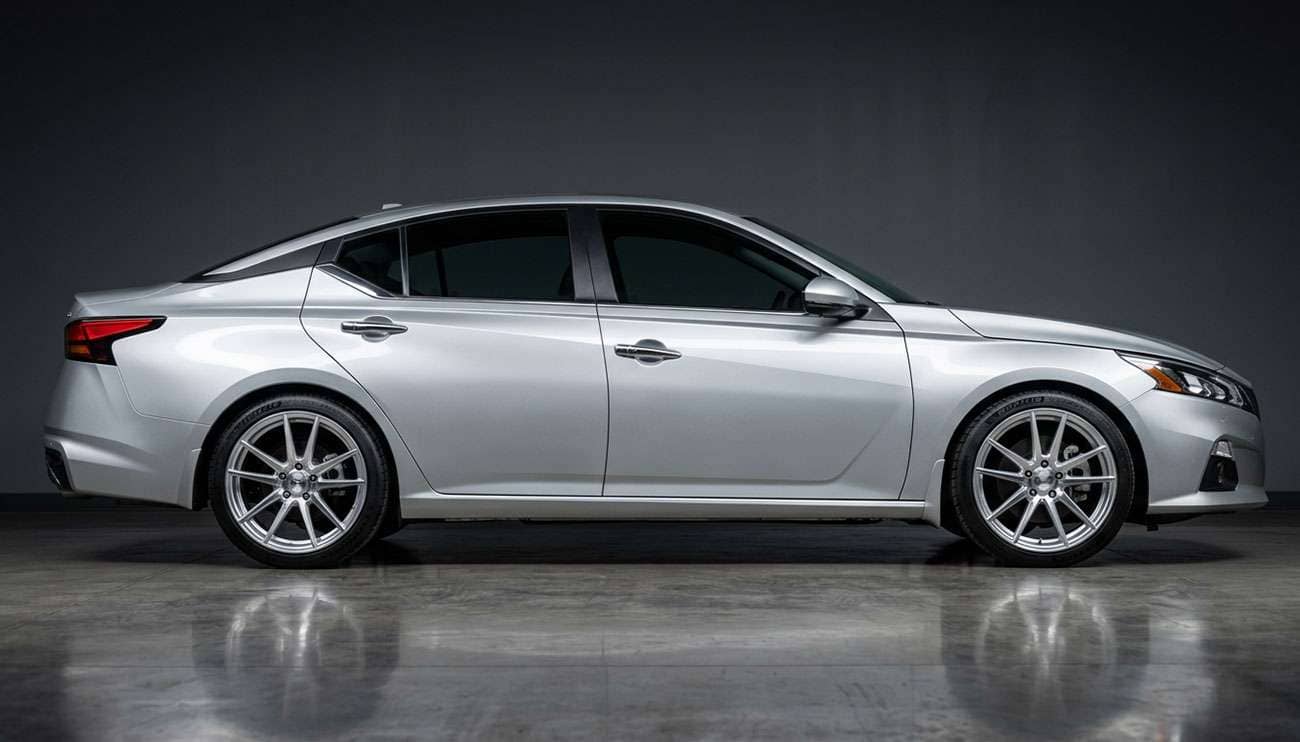
Nissan Altima wheels offer a popular way to upgrade both the performance and appearance of your vehicle. Aftermarket options can be up to 18% lighter than factory wheels, directly improving your fuel efficiency and handling.
Understanding wheel fitment is important before making a purchase. Incorrect fitment leads to rubbing, clearance issues, and safety problems that can damage your vehicle.
This guide covers everything you need to know about Nissan Altima wheels, from the nissan altima bolt pattern and wheel specifications to selecting the perfect nissan altima rims for your setup. We'll explain the ideal 2019 nissan altima tire size options and help you choose between 17", 18", or 19" configurations.
When you finish reading, you'll know exactly how to select wheels that fit properly, perform exceptionally, and give your Altima the look you want.
Factory Nissan Altima wheels range from 15 inches to 18 inches in diameter. Steel wheels come in 15-inch or 16-inch sizes with painted finishes and feature 15 holes. Alloy nissan altima rims offer more variety with machined, silver, polished, chrome, medium gray, or hyper silver finishes. Spoke patterns include 5, 6, 7, 5 double, or 6 twin spoke designs.
The 2013-2015 models used 17-inch cast aluminum alloy wheels measuring 7.5 inches wide. These wheels featured a 50mm offset with a 66.1mm center bore and weighed approximately 27 pounds each. Base models typically received 16-inch or 17-inch wheels, while higher trims got 18-inch or 19-inch configurations depending on the model year.
The nissan altima bolt pattern changed in 2002. Models from 1993 to 2001 used a 4x114.3 bolt pattern. Starting with the 2002 model year, Nissan switched to a 5x114.3 bolt pattern, also written as 5x4.5[63]. This five-lug configuration continues through current generations, including 2023-2027 models.
Any nissan altima aftermarket wheels designed for 2002 and newer models use the same 5x114.3 mounting pattern. Most Altima models use M12 x 1.25 lug nuts with a recommended torque specification of 83 ft-lbs. Wrong bolt patterns cause vibrations, uneven tire wear, and safety issues.
Offset measures the distance in millimeters from the wheel centerline to the mounting surface. Positive offset positions the mounting surface closer to the wheel face, tucking wheels inward toward the suspension. Negative offset places the mounting surface toward the inner lip, pushing wheels outward past the fender. Zero offset aligns the mounting surface with the wheel centerline.
Backspacing measures in inches from the wheel's back edge to the mounting surface. Higher backspace values match positive offset, positioning wheels closer to suspension components. Lower backspace creates an outward stance. Offset uses metric measurements from the centerline, while backspacing provides inch-based measurements from the wheel's rear edge. Both affect suspension clearance, fender rubbing, wheel travel, and turning radius.
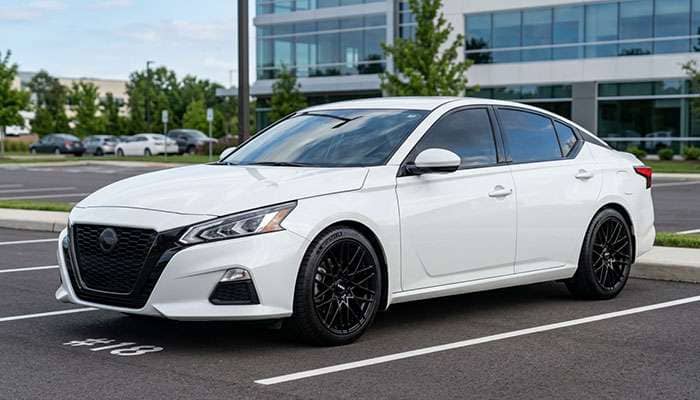
Seventeen-inch wheels remain the most common factory size for Altima SV and SL trims from 2016 through 2022. Factory nissan altima wheels in this diameter measure 7.5 inches wide with a 50mm offset and weigh approximately 27 pounds. These wheels prioritize ride comfort over aggressive appearance.
The taller sidewall height absorbs road imperfections more effectively than larger diameters. This makes 17-inch options the practical choice for drivers who value smooth rides and fuel efficiency over sporty looks. The additional sidewall also provides better protection against pothole damage.
Eighteen-inch nissan altima rims deliver the ideal balance between performance and comfort. This diameter accommodates wider tire fitment than 17-inch options, providing enhanced grip and cornering stability while maintaining much of the ride quality. The reduced unsprung mass from alloy construction improves suspension response to bumps and steering inputs.
Popular configurations include 18x8 wheels with 40-45mm offset paired with 225/45/18 or 235/45/18 tires. Browse quality options at Performance Plus Tire's Nissan Altima selection for verified fitment.
Nineteen-inch wheels create maximum visual impact but demand careful fitment planning. While factory 19-inch options exist for higher trims, aftermarket installations require precise offset selection. A 19x8.5 configuration with 35mm offset accommodates the rear without clearance issues when using 245/40/19 tires. Front wheels perform best at 19x8.0 with 35mm offset and 225/40/19 tires.
The reduced sidewall height creates a firmer ride and increases road noise. Consider these trade-offs against the dramatic appearance improvement.
Wheel width directly affects tire selection and performance characteristics. Eight-inch wheels pair naturally with 225mm tires, while 8.5-inch widths accommodate 245mm rubber. Offset choices between 35-45mm determine whether wheels sit flush with fenders or tuck inward.
Conservative 45mm offset mirrors factory fitment, while 35mm offset creates an aggressive stance that may require fender modifications. Choose offset based on your desired appearance and willingness to perform additional modifications.
Stock suspension works well with conservative nissan altima wheels configurations. Look for wheels that stay within 7.5-8 inch widths with 40-45mm offset ranges to avoid clearance problems. This approach preserves factory ride height clearances while allowing meaningful wheel upgrades.
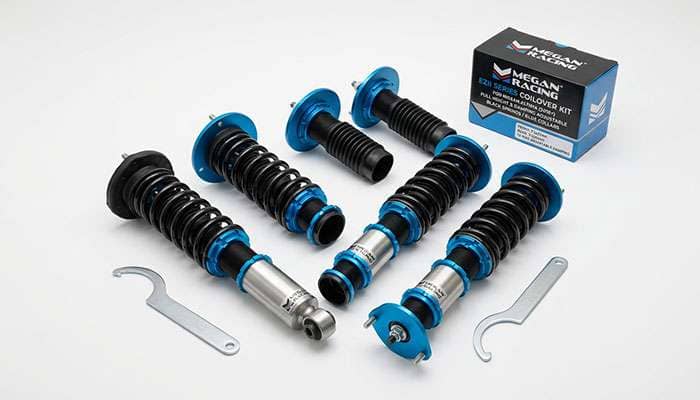
Lowering springs reduce fender gap while keeping your existing shocks. RS-R Down Sus drops the front 25-30mm and rear 30-35mm. Megan Racing springs create a 35mm front drop with 25mm rear reduction. The Eibach Pro-Kit lowers the 2019-2023 Altima center of gravity while reducing body roll and nose-dive. These modifications tighten wheel clearances, so careful offset selection becomes essential to prevent fender contact.
Coilovers offer adjustable height and damping control for fine-tuning your fitment. Adjustable setups allow ride height changes in 5-10mm increments to eliminate rubbing without sacrificing your desired stance. Stiffer spring rates prevent excessive compression under load, particularly important when carrying audio systems or passengers. Adjustable rate coilovers solve rubbing issues better than simply dropping the car further.
Tire width directly determines rubbing probability. Owners report that 245mm tires frequently rub, while 225mm widths eliminate contact issues. Offset selection between 35-45mm controls how close wheels sit to the fenders. Rolling fenders provides critical millimeters when minor rubbing occurs during compression. Worn suspension components reduce effective clearance, making rubbing more likely over bumps and road imperfections.
Manufacturing methods determine wheel performance and cost. Cast wheels pour molten aluminum into molds, creating affordable options that absorb shock well but weigh more. Forged wheels compress heated aluminum billets under massive pressure, producing wheels that are 25-30% lighter than cast alternatives. Flow-formed wheels split the difference, delivering 85-90% of forged performance at half the cost. Under heavy impact, cast wheels crack while forged wheels bend.
Lighter nissan altima aftermarket wheels directly improve acceleration, braking, and fuel economy by reducing unsprung and rotational mass. Flow-formed construction provides the best performance-to-price ratio for most drivers. Weight reductions of 4-8 pounds per wheel create noticeable handling improvements without premium forged pricing.
Federal law requires TPMS on all vehicles from September 2007 forward. Your factory sensors transfer to most aftermarket nissan altima rims, though approximately 93% of modern aftermarket wheels include TPMS sensor pockets. Incompatible wheels require adapter kits or aftermarket sensors programmed to your vehicle.
Powder coating delivers superior durability against chemicals and UV exposure compared to paint. Polished finishes create mirror-like surfaces, while machined options offer distinctive two-toned appearances. Brushed finishes require up to 8 hours of hand work per wheel but provide unique esthetics.
Aftermarket nissan altima wheels start around $887 for quality four-wheel sets, while premium options reach $1,672. Cast wheels remain most affordable, flow-formed range $250-$600 per wheel, and forged command $400-$1,200+ each. We recommend checking verified fitment options at Performance Plus Tire's Nissan Altima selection for your specific model year.
You now have the knowledge to select nissan altima aftermarket wheels that fit properly and perform exceptionally. Whether you choose 17-inch comfort, 18-inch balance, or 19-inch style, understanding bolt patterns, offset, and suspension compatibility ensures the right selection. Browse verified fitment options for your specific Altima model to find wheels that match your performance goals and budget.
Your Altima's transformation starts with proper fitment knowledge, and you have everything you need to make the right choice.
Master these essential points to select the perfect aftermarket wheels for your Nissan Altima without costly fitment mistakes.
• Know your bolt pattern: All 2002+ Altimas use 5x114.3 bolt pattern; pre-2002 models require 4x114.3 compatibility • Choose size strategically: 17" prioritizes comfort, 18" balances performance and ride quality, 19" maximizes style but reduces comfort • Match offset to suspension: Stock suspension works with 40-45mm offset; lowered setups need careful offset selection to prevent rubbing • Consider wheel weight: Flow-formed wheels offer 85-90% of forged performance at half the cost, improving handling without premium pricing • Verify TPMS compatibility: 93% of aftermarket wheels accommodate factory sensors, but confirm compatibility to avoid dashboard warnings
Proper fitment knowledge prevents rubbing issues, ensures safety, and maximizes your investment in both performance and appearance upgrades.
For 2002 and newer Nissan Altima models, you need wheels with a 5x114.3 bolt pattern (also written as 5x4.5). If you have a 1993-2001 Altima, the bolt pattern is different at 4x114.3. Using the correct bolt pattern is essential for safety and proper wheel mounting.
18-inch wheels offer the ideal balance between performance and comfort for most Altima owners. They provide better grip and cornering stability than 17-inch wheels while maintaining much of the ride comfort. Common configurations include 18x8 wheels with 40-45mm offset paired with 225/45/18 or 235/45/18 tires.
Yes, approximately 93% of modern aftermarket wheels include TPMS sensor pockets that accommodate your factory sensors. Your existing sensors can typically transfer to new wheels, though some incompatible wheels may require adapter kits or aftermarket sensors programmed to your vehicle.
To avoid rubbing on a lowered Altima, stick with 225mm tire widths rather than 245mm, choose offset between 35-45mm carefully based on your drop amount, and consider adjustable coilovers that allow fine-tuning in 5-10mm increments. If minor rubbing occurs, rolling the fenders can free up critical clearance.
Flow-formed wheels offer the best value, delivering 85-90% of forged wheel performance at half the cost. While forged wheels are 25-30% lighter than cast options and bend rather than crack under impact, flow-formed construction provides noticeable handling improvements without the premium pricing of fully forged wheels.



