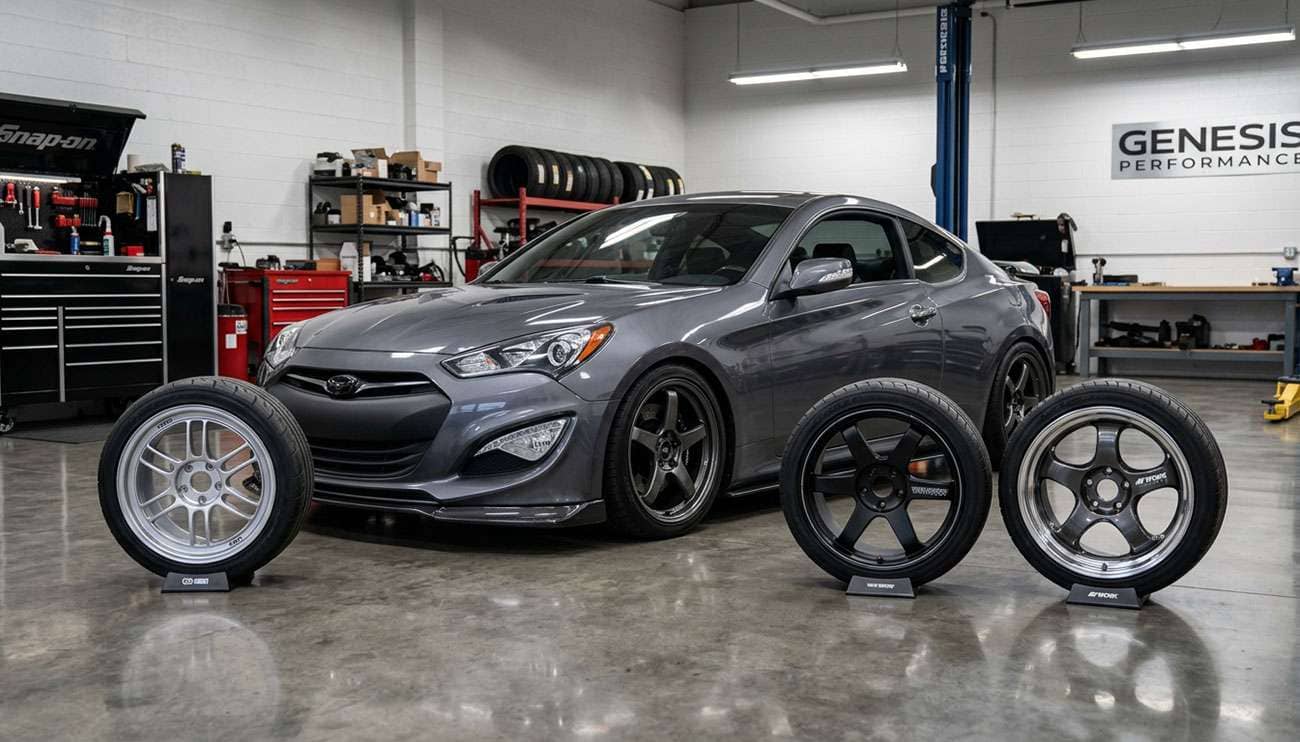
Genesis aftermarket wheels can transform your vehicle's appearance and performance dramatically. Wrong fitment choices create expensive problems with rubbing fenders, clearance issues, and safety concerns that turn your dream build into a costly nightmare.
The Genesis Coupe's RWD platform has attracted motorsports enthusiasts and show car builders since its 2010 USDM release. The 5x114.3mm bolt pattern and specific hub requirements mean careful selection becomes essential, particularly with the factory wheel diameter range spanning 18 to 19 inches.
At Performance Plus Tire, we understand that choosing the right wheels requires expert guidance and precise fitment knowledge. This guide covers genesis coupe wheels, hyundai genesis bolt pattern specifications, and genesis g70 aftermarket wheels with the detailed information you need. We'll help you select the perfect setup while avoiding the fitment mistakes that cost other builders time and money.
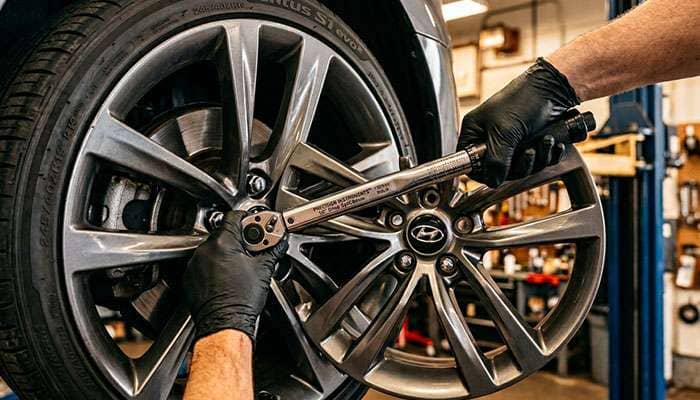
Understanding your Genesis Coupe's exact wheel specifications prevents costly fitment mistakes. Wrong measurements result in wheels that won't mount properly or create dangerous clearance problems during driving.
The non-track BK1 Genesis Coupe came with 18x7.5 +33 front wheels and 18x8.0 +33 rear wheels. Track editions received larger 19x8.0 +35 front and 19x8.5 +35 rear configurations. The BK2 generation uses nearly identical specifications, with the same wheel widths and only minor offset differences of a few millimeters. Fitment compatibility remains consistent between BK1 and BK2 generations.
Every factory setup uses staggered wheel configurations instead of square setups. Brembo brake models (Track and R-spec) come with 19-inch wheels, while base models use 18-inch wheels. These factory sizes don't limit your aftermarket options. Select 18-inch wheels, and even certain 17-inch configurations, clear Brembo brake systems.
Every Genesis Coupe shares these critical specifications:
Lug pattern: 5x114.3
Lug thread: M12 x 1.5
Center bore: 66.7mm
Lug torque: 74 ft lbs
The 5x114.3 bolt pattern matches Nissan 350z and 370z models, which explains why many fitment discussions reference these vehicles. Matching bolt patterns alone doesn't ensure proper fitment compatibility.
The 66.7mm center bore dimension affects fitment more than most buyers understand. This measurement determines how the wheel centers on your vehicle's hub and supports the vehicle's weight. Aftermarket wheels with larger center bores require hubcentric rings to fill the gap and prevent vibration problems. Operating with incorrectly sized center bores damages wheel studs and creates wheel detachment risks.
Some sources specify the center bore as 67.1mm for certain model years. The 0.4mm variance stays within acceptable tolerance when using proper hubcentric rings.
Brembo-equipped Genesis Coupes create the biggest clearance challenges for wheel selection. Factory 19-inch wheels don't guarantee that aftermarket 19-inch options will clear these oversized brake calipers. Always verify clearance with your wheel manufacturer before making any purchase.
Eighteen-inch wheels on Brembo cars make offset selection critical. Higher offset wheels often require spacers to achieve proper caliper clearance. Some owners run 18x9.5 wheel combinations successfully, but only with careful offset and spacer selection. Brembo brake systems require more clearance than any standard factory brake setup.
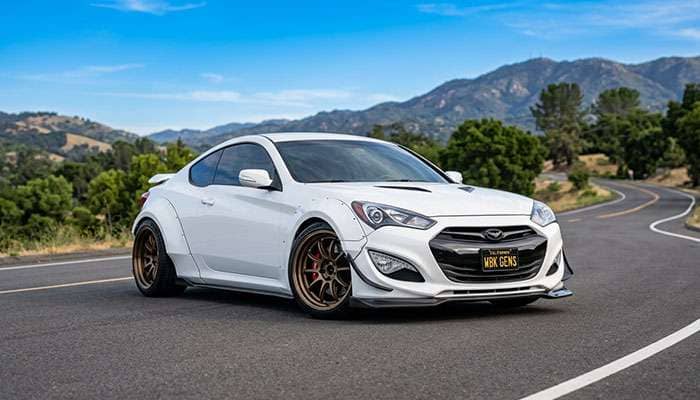
Selecting the right aftermarket setup requires balancing multiple specifications that directly impact your Genesis Coupe's handling, appearance, and daily usability. Each decision affects not only how your car looks but how it performs on the street or track.
Most aftermarket applications stick to factory diameters of 18 to 19 inches. Nineteen-inch wheels remain the most popular choice, but not all 19-inch options clear factory Brembos without spacers. Seventeen-inch wheels aren't recommended since very few clear Brembo brakes.
Twenty-inch wheels fit but create significant compromises. You'll almost certainly need to remove fender liners since 20-inch rims will rub the factory inner fender even with thin tires. Twenty-inch wheels also carry significantly more weight, making lightweight 18-inch options better for performance-focused builds.
Front widths typically range from 7.5 to 11 inches with offsets between 0 and 45mm. Rear applications run 8 to 12 inches wide with the same offset range. A flush staggered setup uses 18x9.5 +35mm front with 18x10.5 +30mm rear, while aggressive track setups run 18x9.5 +22mm front and 18x10.5 +22mm rear.
Lower offsets create more aggressive poke and stance. Setups around +22mm to +35mm provide flush fitment, while +10mm configurations require rolled fenders. Widebody builds push extremes with 18x11 -28 front and 18x13 -33 rear specifications.
Factory configurations use staggered setups. Square setups allow tire rotation but may trigger traction control issues during aggressive acceleration. Staggered provides better rear traction for the RWD platform but prevents rotation between front and rear tires.
Wheel weight dramatically affects performance in ways most people don't realize. Reducing wheel weight by 12 pounds per wheel improved 0-60 times by 0.29 seconds in testing. One pound of rotating wheel weight impacts performance similar to 5-10 pounds of static vehicle weight. Lighter wheels enhance suspension response, steering feel, and brake performance by reducing unsprung mass. Browse performance wheel options that balance weight with strength for optimal results.
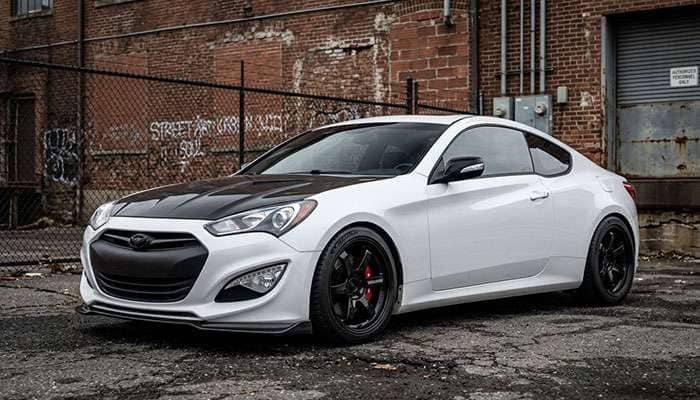
Your specific build goals determine which genesis coupe wheels deliver the best results for your needs and budget. Each setup requires different priorities and compromises.
Eighteen-inch wheels with larger sidewalls make the biggest difference in ride comfort. Switching from 19s or 20s to 18-inch wheels dramatically improves daily driving quality. The base 245/40/18 tire size provides adequate sidewall thickness without appearing oversized.
Avoid lowering springs, coilovers, and fender modifications to maintain stock ride quality. For practical daily driving, stick with near-stock specifications and invest in quality tires rather than aggressive wheel setups. This approach prioritizes long-term comfort and tire life over aggressive appearance.
Eighteen-inch wheels remain the preferred choice since tire costs stay lower than 19-inch options. Square setups work well for track use, with 18x9.5 +22 all around using 265/35/18 tires. Lightweight wheels improve lap times more than aggressive offsets.
Browse genesis g70 aftermarket wheels options that prioritize weight reduction over aesthetics. Performance builds benefit from consistent contact patch and predictable handling characteristics that square setups provide.
Static builds typically run 18x8.5 +35 front with 18x9.5 +22 rear on BC Racing coilovers. Fender liner removal becomes necessary at lower ride heights. Widebody builds push extremes with 18x11 -28 front and 18x13 -33 rear specifications.
These setups demand extensive modifications and regular maintenance. Expect increased tire wear and reduced ride quality in exchange for maximum visual impact.
The 18x9.5 +22 square setup with 225/40 front and 245/40 rear tires provides flush fitment. Expect slight fender rolling to prevent rubbing. This approach maintains reliability while enhancing appearance and handling characteristics over stock configurations.
Even properly spec'd genesis coupe wheels create problems when installed incorrectly or paired with incompatible modifications.
Lowered cars with 20mm spacers experience rubbing on bumps and high-speed corners. The passenger side typically rubs more than the driver side despite identical height measurements. Running -2 degrees camber may not prevent contact with fender liners.
Fender rolling carries serious risks. Shops can create waves or hail-dent appearances in the metal, and reheating rarely fixes the damage completely. The fronts come partially rolled from factory, but aggressive setups require additional work.
Coilovers and camber adjustments help, yet excessively stiff dampening creates harsh ride quality. Raising the car slightly allows the multi-link rear's natural negative camber gain during compression to clear fenders.
Hub-centric forged AL7075-T6 or AL6061-T6 spacers prevent vibration issues. Avoid lug-centric, cast, and steel options. Torque specifications must be checked after 500 miles. Popular combinations include 20mm front with 25mm rear.
Stretched tires like 225/40R19 on 19x9.5 wheels cause bead seating problems and air leaks. Bead sealant often fails to stop leaks between rim and tire.
Despite matching 5x114.3 bolt patterns, 350z wheels have 66.1mm center bores versus the Genesis's 67.1mm requirement. Hub-centric rings become mandatory.
Genesis coupe wheels require careful selection to achieve the performance and appearance you want. Always verify bolt pattern compatibility, offset specifications, and Brembo brake clearance before making any purchase. Browse verified Genesis wheel options that match your specific build requirements and performance goals.
The right wheel setup transforms both your vehicle's handling characteristics and visual impact. Whether you're building a weekend track car or a show-stopping daily driver, proper fitment makes the difference between a successful build and expensive mistakes.
We pride ourselves on providing the technical knowledge and product selection you need to get your Genesis sitting exactly right the first time. Start with accurate measurements, choose quality components, and your build will deliver the results you envisioned.
Choosing the right aftermarket wheels for your Genesis Coupe requires understanding critical specifications and avoiding common fitment mistakes that can turn your dream build into an expensive headache.
Know Your Specs First: All Genesis Coupes use 5x114.3 bolt pattern with 66.7mm center bore - verify Brembo brake clearance before buying any wheel under 19 inches.
Match Wheels to Your Build Purpose: Daily drivers benefit from 18-inch wheels for comfort, while track builds prioritize lightweight options over aggressive offsets for better performance.
Avoid Common Fitment Disasters: Fender rolling risks permanent damage, stretched tires cause air leaks, and improper spacers create dangerous vibrations - plan modifications carefully.
Weight Matters More Than Looks: Reducing wheel weight by 12 pounds per wheel improves 0-60 times by 0.29 seconds - prioritize lightweight construction for performance gains.
Factor in Total Cost of Ownership: Larger wheels mean expensive tires and harsher ride quality - 18-inch setups offer the best balance of performance, comfort, and affordability.
The key to success lies in matching wheel specifications to your specific build goals rather than chasing aggressive fitment that compromises daily usability and long-term reliability.
All Genesis Coupes use a 5x114.3 bolt pattern with M12 x 1.5 lug threads and a 66.7mm center bore. You'll need to torque the lug nuts to 74 ft-lbs. If your aftermarket wheels have a larger center bore, you must use hubcentric rings to prevent vibration issues and ensure proper wheel centering.
Some 18-inch wheels can clear Brembo brakes, but not all will fit without modifications. Offset becomes critical with 18-inch wheels on Brembo-equipped models. You may need spacers to achieve proper clearance, and it's essential to verify fitment with the wheel manufacturer before purchasing to avoid clearance problems with the larger calipers.
Eighteen-inch wheels offer better ride comfort due to larger sidewalls, lower tire costs, and reduced weight compared to 19-inch options. They're ideal for daily driving and provide better wheel protection from road damage. Nineteen-inch wheels are the most popular choice and match the factory Track edition size, but they deliver a harsher ride and more expensive tire replacements.
Yes, most aftermarket wheels have oversized center bores and require hub centric rings to match your Genesis's 67.1mm hub flange. Use quality aluminum rings rather than plastic ones to prevent high-speed vibrations. The rings ensure proper wheel centering and a vibration-free fit similar to OEM wheels, especially at speeds above 85 mph.
You can run a square setup, which allows tire rotation between all four corners. However, the factory uses staggered configurations for better rear traction on the RWD platform. Square setups may trigger traction control issues during aggressive acceleration. For AWD models, ensure front and rear tire diameters remain within 1% difference to avoid damaging the AWD system.