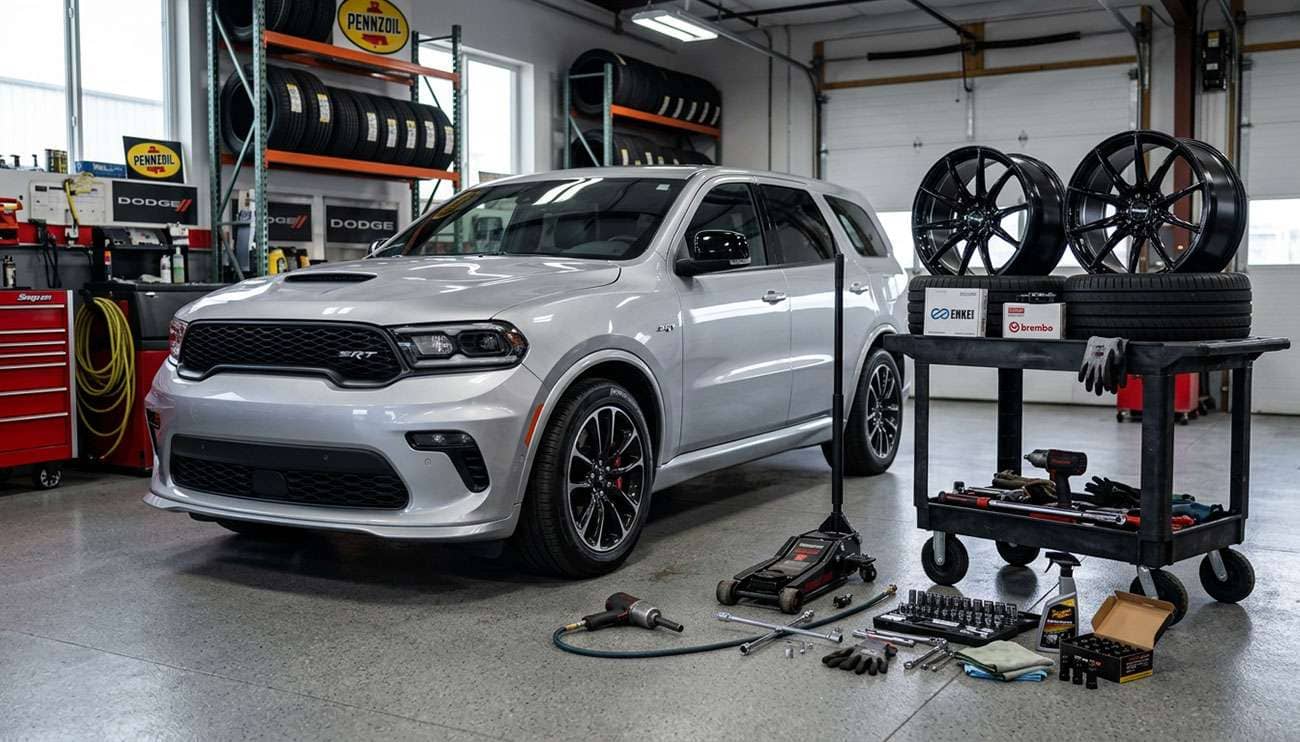
Dodge Durango aftermarket wheels demand careful attention to fitment specifications before you make any purchase. Single 22-inch wheels range from $200 to over $1000, making proper selection crucial for protecting your investment. Whether you need 2000 Dodge Durango aftermarket wheels, Dodge Durango RT aftermarket wheels, Dodge Durango SRT aftermarket wheels, or 2021 Dodge Durango aftermarket wheels, understanding critical specifications like the 5x127mm bolt pattern prevents costly mistakes.
We'll guide you through measuring techniques, brand selection, and fitment verification to ensure your wheels perform flawlessly. Our expert knowledge helps you navigate the technical requirements while finding wheels that enhance both appearance and performance. From bolt patterns to offset calculations, you'll have everything needed to make the right choice for your Durango.
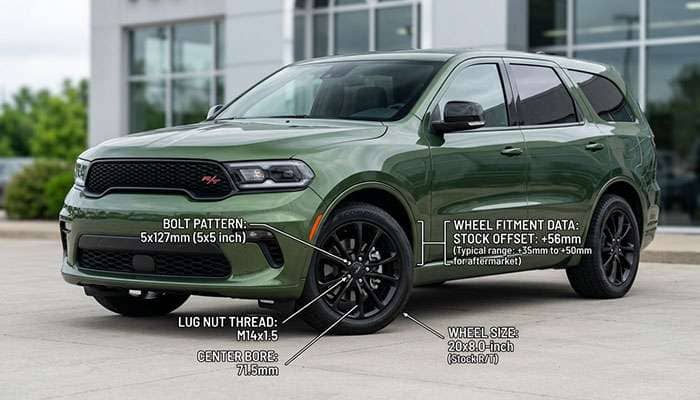
Wheel specifications determine whether your aftermarket wheels will mount safely and perform correctly. Dodge modified these technical requirements across each Durango generation to match evolving engineering standards. A single incorrect measurement results in wheels that either won't mount or create dangerous driving conditions after installation.
The bolt pattern controls whether a wheel can physically attach to your vehicle's hub. This specification includes two critical numbers: the quantity of bolt holes and the diameter of the circle they form. Dodge used three distinct bolt patterns across Durango generations:
First Generation (1997-2003): 6x114.3mm bolt pattern
Second Generation (2004-2010): 5x139.7mm bolt pattern
Third Generation (2011-2020): 5x127mm bolt pattern
Current Generation (2021-Present): 5x127mm bolt pattern
Wheels must exactly match this pattern for safe mounting. A 5x127mm wheel cannot mount on a 5x139.7mm hub, regardless of how close the measurements appear. The third-generation switch to 5x127mm aligned the Durango with Jeep Grand Cherokee models, expanding aftermarket wheel availability significantly.
The hub bore represents the large center hole in your wheel that fits over the vehicle's hub. Dodge maintains a consistent 71.6mm hub bore across most Durango models. This hub-centric design centers the wheel perfectly on the hub, preventing vibration at highway speeds.
Wheels with larger hub bores can work with hub-centric rings. These rings fill the gap between the wheel bore and your vehicle's hub, maintaining proper centering. Wheels with smaller hub bores than 71.6mm cannot be used since they won't fit over the hub. Misaligned hub bores create vibration problems and cause premature wear.
Offset measures the distance in millimeters from the wheel's centerline to its mounting surface. This measurement controls where your wheel sits relative to fenders and suspension components. Most wheels use positive offset, meaning the mounting surface sits closer to the wheel's outside edge.
Dodge Durango offset specifications evolved with each generation. First-generation models used offsets between +15mm and +25mm. Second-generation vehicles increased this range to +25mm and +35mm. Third-generation and current models require +40mm to +50mm offsets, with performance variants typically running +50mm on 20-inch wheels and +45mm on 22-inch wheels.
Backspacing measures from the wheel's back edge to the mounting surface, expressed in inches. Calculate backspacing by taking half the wheel width, adding the offset (converted to inches), then adding 0.5 inches. More backspacing pushes the wheel deeper into the wheel well, increasing risk of contact with suspension components. Less backspacing moves the wheel outward toward the fender.
Factory wheel diameters progressed from 15-16 inches on first-generation models to 18-20 inches on current vehicles. Performance models now offer 20x10-inch wheels as standard equipment. Aftermarket options extend these ranges, with 22-inch wheels becoming popular for street performance applications.
Width affects both appearance and tire compatibility. Stock wheels typically measure 8 inches wide on standard trims. Performance versions use 10-inch widths to accommodate wider tires. When increasing wheel width, offset adjustments maintain proper positioning within the wheel well.
Each Durango generation brought distinct wheel fitment requirements. Understanding your specific model year prevents costly purchasing mistakes and ensures optimal performance.
The original Durango featured body-on-frame construction with a 6x114.3mm bolt pattern. Factory rim diameters ranged from 15 to 16 inches, paired with a 71.6mm hub bore. Offset specifications fell between +15mm and +25mm, creating a wider stance appropriate for the era's SUV design. Stock tire sizes included P235/75R15 or P265/70R16.
When selecting 2000 Dodge Durango aftermarket wheels, you can upgrade to 17 or even 18-inch wheels. However, keeping tire widths within the 30-inch range prevents rubbing on suspension arms or fender liners. The truck-based architecture means exceeding advised offsets will degrade steering responsiveness and stress suspension components.
The 2004 redesign introduced a revised 5x139.7mm bolt pattern, aligning with full-size Dodge and Chrysler vehicles. Standard factory rim sizes grew to 17 inches, with some versions offering 18-inch options. The hub bore remained at 71.6mm, while offsets increased to a range between +25mm and +35mm.
Tire widths on stock wheels ranged from 245/70R17 to 265/60R18. This generation accepts wheel sizes up to 20 inches for aftermarket upgrades, though careful attention to tire height prevents suspension or fender interference. The focus shifted toward family hauling, making ride comfort a priority when selecting wheels.
Platform sharing with the Jeep Grand Cherokee brought a 5x127mm bolt pattern starting in 2011. This change expanded aftermarket wheel availability significantly. Stock rim diameters reached 18 inches on most trims, with higher trims offering 20-inch choices. The hub bore stayed at 71.6mm, while factory offsets climbed to +40mm to +50mm.
Stock tire widths ranged from 265/60R18 to 265/50R20. Many owners choose 22-inch wheels for a more aggressive appearance without significant ride quality compromises. Maintaining the higher offsets keeps wheels from protruding excessively, preventing suspension stress or premature tire wear.
The current Durango maintains the 5x127mm bolt pattern and 71.6mm hub bore. Regular rim diameters stay at 18 and 20 inches, while performance variations come equipped with 20x10-inch wheels. For 2021 Dodge Durango aftermarket wheels on standard trims, offset specifications match the previous generation at +40mm to +50mm.
Performance models demand specific attention. The SRT 392 uses 20x10-inch wheels with 295/45R20 tires and runs a +50mm offset. The Hellcat employs the same 20x10-inch wheels but can upgrade to 22x10-inch options with 305/35R22 tires and approximately +45mm offset. When selecting Dodge Durango SRT aftermarket wheels, you must ensure adequate clearance for the large Brembo brake calipers. These performance variants require maintaining factory offset ranges to preserve stability during high-speed driving conditions.
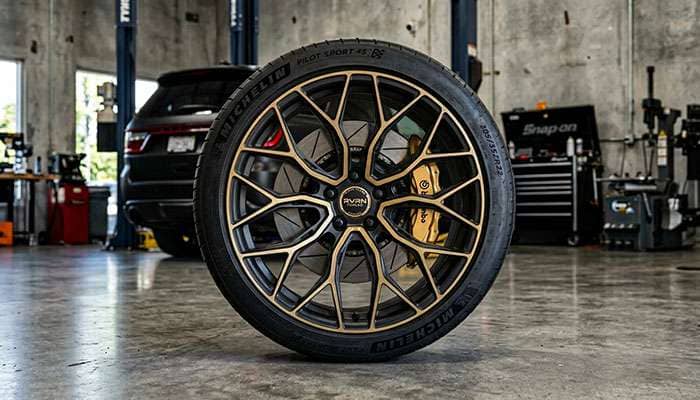
Material choice determines both performance outcomes and long-term satisfaction with your Dodge Durango aftermarket wheels. Construction method affects weight, strength, and how your vehicle responds under different driving conditions.
Alloy wheels combine aluminum with metals like magnesium, nickel, or silicon to create lightweight yet strong structures. Manufacturing happens through casting, where molten metal pours into molds, or forging, which presses solid metal under high pressure into shape. Cast alloy wheels typically weigh several pounds less per wheel than steel alternatives, reducing strain on suspension components. This lighter construction allows them to dissipate heat more than three times better than steel, helping brake systems maintain stability during intense driving.
Steel wheels deliver unmatched durability for harsh conditions. Their robust carbon steel construction resists bending and cracking from potholes or curb impacts. When damage occurs, steel's malleable nature allows hammering bent sections back to their original shape. However, steel wheels add considerable weight compared to alloy options, negatively affecting acceleration, braking, and fuel efficiency.
Forged wheels represent the premium tier. A single aluminum billet gets compressed under tremendous force, aligning the metal's grain structure and eliminating weak points. This process creates wheels up to 40% lighter than regular cast aluminum while maintaining superior strength. Flow-formed wheels occupy the middle ground, offering excellent strength-to-weight balance at more accessible prices than fully forged options.
Aftermarket wheels provide far wider ranges of finishes, materials, and styles than factory offerings. Alloy wheels accommodate intricate spoke designs and varied finishes due to their lighter weight. Classic five-spoke designs remain popular, while modern mesh patterns and machined styles with titanium, chrome, or gloss black finishes create distinct appearances. Steel wheels maintain simpler spoke patterns with painted or silver finishes, emphasizing function over form.
Load rating indicates the maximum weight a single wheel supports under normal use. This specification reflects structural integrity based on material type and construction process. For SUVs like the Durango, proper load rating becomes especially important given the vehicle's weight and cargo capacity. Calculate your vehicle's fully loaded weight including passengers, gear, and modifications, then select wheels rated above that total. Load ratings appear stamped on the wheel's back side near the bolt pattern, typically marked as "MAX LOAD" followed by pounds.
Wheel weight directly influences handling characteristics. Tests showed fuel economy dropped 10 percent when switching from 15-inch to heavier 19-inch wheels. The same tests found heaviest wheels suffered most from impact harshness and taxed suspension systems, while smaller wheels provided more controlled, supple rides. Lighter wheels improve handling by reducing unsprung weight, though fragile designs risk damage on rough roads.
Staying within 3% of factory tire diameter prevents speedometer inaccuracies and mechanical stress. Larger tires alter circumference and rotation speed, causing speedometer readings lower than actual speed. Mismatched tire styles with different tread compounds create varying slip angles, potentially causing unpredictable handling. When upgrading to 2021 Dodge Durango aftermarket wheels or Dodge Durango SRT aftermarket wheels, maintaining similar overall wheel diameter to stock prevents suspension system issues.
Steel wheels start around $50 to $200 per wheel, with complete sets ranging from $200 to $800. Standard alloy wheels cost between $100 and $500 per wheel. Forged wheels command premium prices starting at $500 and extending to several thousand dollars per wheel. For 2000 Dodge Durango aftermarket wheels or Dodge Durango RT aftermarket wheels, budget allocation depends on intended use and performance requirements rather than appearance alone.
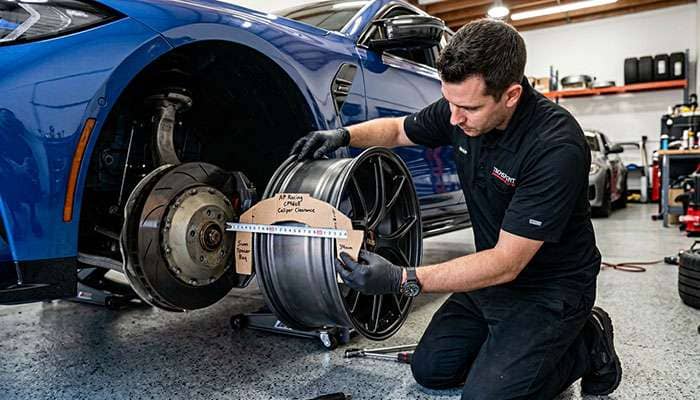
Accurate measurements prevent expensive mistakes before you order wheels. Verifying your current specifications and confirming clearances protects your investment and ensures proper fitment.
Bolt pattern measurement varies by lug count. For 4-lug wheels, measure straight across from one hole's center to the opposite hole's center. Five-lug patterns require measuring from one hole's center to the imaginary plane bridging the two opposite holes. This method provides close estimates, though several 5-bolt patterns have diameters very close to each other.
Measure diameter from one bead seat to the opposite bead seat where tires mount. Width spans between the two inner bead seats. For offset, find the wheel's centerline by dividing width by two, then measure from the mounting pad to that centerline. Positive offset means the mounting pad sits closer to the wheel's front face.
Online tools help visualize how different wheel and tire combinations affect your vehicle. These calculators compare tire stretch, rolling radius, and offset changes between your current setup and proposed upgrades. The most effective calculators allow adjusting suspension parameters including fender clearance, scrub radius, and wheel well clearance.
Brake caliper interference causes the most common fitment failures. Maintain at least 3mm clearance in all directions from the caliper to the wheel. Performance brake systems often provide printable templates showing the caliper profile cross-section. Print these templates at full scale, cut them out, and hold them against your wheel's inner surface to verify clearance.
Mount bare wheels without tires first. Confirm bolt patterns align with studs and wheels sit flush against the mounting surface. Hand-tighten lugs and slowly rotate the wheel, checking for brake caliper, valve stem, and weight clearance. Have someone turn the steering wheel fully in both directions while you watch for contact with fenders or suspension components. Test fitting reveals spoke design interference that specifications alone cannot predict.
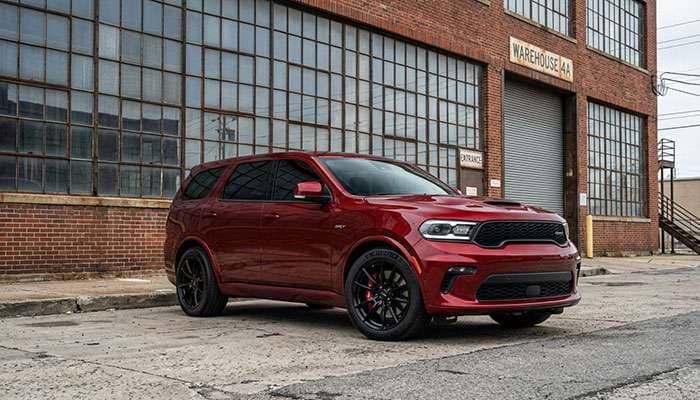
We carry the best selection of Dodge Durango aftermarket wheels from all the top brands at the lowest prices. Our extensive inventory includes performance, off-road, luxury, and budget-friendly options to match any driving style and budget. Browse verified fitment options for your specific model year to find the perfect wheels.
Method Wheels and Weld lead the performance category with wheels engineered for handling precision. These brands deliver lightweight construction with the structural rigidity needed for spirited driving. Vossen offers another excellent performance choice, focusing on handling characteristics that complement sport-tuned suspensions.
Our performance wheel selection provides the strength and weight savings that serious drivers demand.
Black Rhino Dugger and Vision Off-Road 375 Warrior represent proven choices for off-road applications. We stock an extensive off-road category including American Force, Fuel, Mickey Thompson, Moto Metal, Pro Comp, and XD. These brands engineer wheels to withstand trail impacts while maintaining proper weight distribution for your Durango's suspension geometry.
Find wheels built tough for your off-road adventures without sacrificing street performance.
RVRN manufactures custom forged wheels with monoblock options starting at $799 and 2-piece configurations at $999. Niche delivers machined finishes and contemporary spoke designs. These brands emphasize visual impact alongside performance capabilities suitable for 2021 Dodge Durango aftermarket wheels and Dodge Durango SRT aftermarket wheels.
Transform your Durango's appearance with premium styling that commands attention.
Vision Off-Road 375 Warrior wheels start at $131.87, providing accessible entry points without sacrificing fundamental quality. Touren 3260 represents another cost-conscious option. These alternatives work well for 2000 Dodge Durango aftermarket wheels where budget constraints matter.
Get the style and performance you want at prices that won't break the bank.
Selecting the right Dodge Durango aftermarket wheels becomes straightforward when you understand the essential fitment requirements. We've provided you with the expert knowledge needed to make informed decisions that protect your investment and enhance your vehicle's performance.
The right wheels can improve your Durango's appearance while maintaining the safety and handling characteristics you depend on. From bolt pattern verification to brand selection, you have the tools to choose wheels that deliver both style and functionality.
Take time to verify measurements and browse verified fitment options matched specifically to your model year. Our guidance ensures you'll find wheels that perform flawlessly without compromising your vehicle's integrity.
Ready to upgrade your ride? With this expert knowledge, you can confidently select Dodge Durango aftermarket wheels that look amazing and deliver the performance you want for years to come.
Master these essential fitment fundamentals to choose Dodge Durango aftermarket wheels that fit perfectly and perform flawlessly:
• Know your bolt pattern by generation: First-gen uses 6x114.3mm, second-gen uses 5x139.7mm, while third-gen and current models use 5x127mm - exact matching is mandatory for safe mounting.
• Verify hub bore and offset specifications: All Durangos require 71.6mm hub bore, with offset ranges from +15mm (first-gen) to +50mm (current performance models) to prevent suspension interference.
• Choose materials based on your priorities: Forged wheels offer 40% weight reduction and premium strength, alloy provides good balance, while steel delivers maximum durability for harsh conditions.
• Measure twice, buy once: Use online fitment calculators and physically test-fit wheels before final installation to avoid expensive clearance issues with brakes and suspension components.
• Stay within 3% of factory tire diameter: This prevents speedometer inaccuracies and mechanical stress while maintaining proper handling characteristics and ride quality.
Proper wheel selection requires matching technical specifications to your specific model year and intended use. Whether upgrading for performance, off-road capability, or esthetics, these fundamentals ensure your investment delivers the results you want without compromising safety or vehicle integrity.
The bolt pattern varies by generation. First-generation models (1997-2003) use 6x114.3mm, second-generation (2004-2010) use 5x139.7mm, while third-generation (2011-2020) and current models (2021-present) use 5x127mm. You must match this pattern exactly for safe wheel mounting.
Yes, 22-inch wheels can fit on most Dodge Durango models, particularly third-generation and newer versions. These larger wheels enhance the vehicle's appearance and are popular for street performance applications. However, you must maintain proper offset specifications and ensure adequate clearance for suspension components and brakes.
For bolt pattern, measure from the center of one lug hole to the center of the opposite hole on 4-lug wheels. For 5-lug patterns, measure from one hole's center to the imaginary plane between the two opposite holes. Measure diameter and width between the bead seats where tires mount, and calculate offset by finding the distance from the mounting pad to the wheel's centerline.
SRT and Hellcat models use larger 20x10-inch wheels with 295/45R20 tires and require clearance for bigger Brembo brake calipers. They typically run a +50mm offset on 20-inch wheels and approximately +45mm on 22-inch options. Standard models use smaller wheel widths and don't require the same brake caliper clearance considerations.
All Dodge Durango models require a 71.6mm hub bore. Wheels with a larger hub bore can work with hub-centric rings to fill the gap and maintain proper centering, but wheels with a smaller hub bore cannot be used as they won't fit over the hub at all.