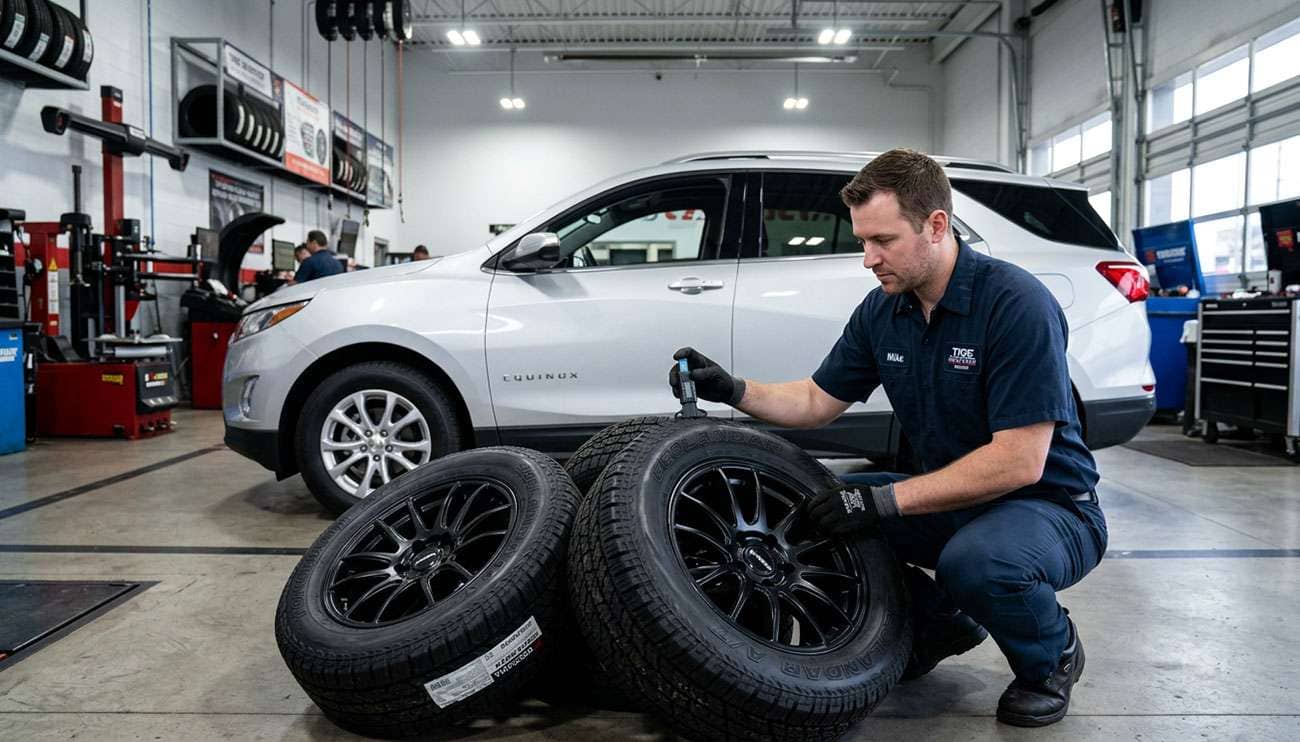
The right aftermarket tires can dramatically improve your Chevrolet Equinox's handling, fuel economy, and safety across all driving conditions. Better tires mean shorter stopping distances, improved traction in wet weather, and enhanced performance for your daily commute or weekend adventures.
Equinox models since 2005 have utilized wheel sizes from 16 to 20 inches, with popular tire sizes including 225/65R17, 225/60R18, and 235/50R19. Most Equinox owners drive on 17-inch tires designed for everyday use, making proper tire size selection crucial for optimal SUV performance.
At Performance Plus Tire, we know that selecting the perfect tires for your Equinox means finding the right balance between safety, performance, and value. Our expert team has the knowledge to guide you through tire specifications, quality features, and maintenance requirements. This guide covers everything you need to make the best tire choice for your specific driving needs and budget.
Every Equinox tire carries a code on its sidewall that serves as your complete specification guide. Take P225/65R17 102H as an example - this sequence tells you exactly what your tire can do and how it's built.
Each part of this code reveals crucial information about tire type, dimensions, construction, and performance limits. The standardized format works across all manufacturers, making it simple to compare different Chevrolet Equinox aftermarket tire options.
The opening letter tells you the tire category. P marks passenger vehicle tires, while LT identifies light truck tires built for heavier loads. No letter at the start indicates a Euro-metric tire with different load specifications.
The first three digits show tire width measured in millimeters from sidewall to sidewall. After the slash, you'll find the aspect ratio - the sidewall height as a percentage of tire width. An aspect ratio of 65 means the sidewall height equals 65 percent of the tire's width.
R indicates radial construction, where internal cords run perpendicular to the travel direction. The two digits following specify wheel diameter in inches. Next comes the load index showing maximum weight capacity per tire at proper inflation. The final letter displays the speed rating - the maximum speed this tire can handle safely under load.
Early Equinox models from 2005 to 2009 came with P235/65R16 and P235/60R17 sizes. Second-generation vehicles spanning 2010 to 2017 typically used P225/65R17, P235/55R18, and P235/55R19 based on trim level. Third-generation models from 2018 to 2023 featured P225/65R17 for base trims, P225/60R18 for mid-level options, and P235/50R19 for Premier and RS versions. Current 2024-2026 models run 235/65R17, 235/60R18, and 235/50R20 sizes.
Sticking with original equipment specifications ensures your new tires meet Chevrolet's engineering standards for braking distance, fuel economy, and traction-control accuracy. Original equipment tires are specifically tuned for handling, ride comfort, noise levels, and rolling resistance. Factory fitment promotes even tread wear and maintains optimal contact between tire and road surface.
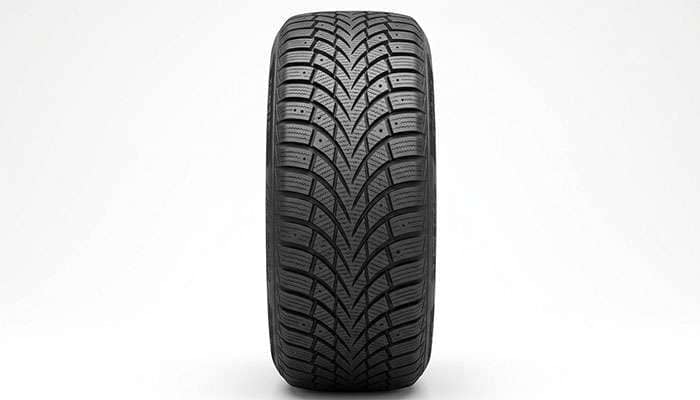
Choosing the right tire type depends on your local climate, driving habits, and performance priorities. Each category offers distinct advantages for different conditions and budgets.
All-season tires provide reliable year-round performance in mild to moderate weather conditions. The Michelin Defender2 delivers exceptional tread life with stable highway handling and quiet operation, making it perfect for daily commuting. Continental CrossContact LX25 offers balanced performance with superior wet traction, ideal for drivers who split time between city streets and highway driving. Bridgestone Alenza AS Ultra focuses on ride comfort with responsive road feel and reduced noise levels, excellent for long commutes and road trips.
These tires work best when temperatures stay above freezing most of the year.
Winter tires transform your Equinox's cold-weather capability when temperatures drop below 45°F. Bridgestone Blizzak DM-V2 provides outstanding ice traction and confident snow handling for reliable winter driving. Michelin X-Ice Snow SUV combines strong ice braking with longer tread life and quieter operation than typical winter tires. For severe winter conditions, Nokian Hakkapeliitta R5 SUV delivers unmatched grip on snow and ice surfaces.
Winter tires use specialized rubber compounds that stay flexible in cold temperatures, dramatically improving stopping distances and traction.
Performance-oriented tires feature firmer sidewalls and advanced tread designs that deliver quicker steering response and improved cornering grip for enthusiastic drivers.
All-weather tires carry the three-peak mountain snowflake symbol, certifying them for winter use while remaining effective year-round. Michelin CrossClimate2 combines excellent wet traction with strong snow performance and superior braking capability. Goodyear Assurance WeatherReady delivers dependable traction in rain and snow while maintaining comfortable ride quality. Nokian WR G4 SUV handles slush, snow, and cold temperatures effectively, perfect for regions with extended winter seasons.
These tires eliminate the need for seasonal tire changes while providing winter-certified performance.
Equinox tires range from $98 to $250+ depending on type and size. General Altimax RT45 offers solid all-season performance with reliable wet traction at an affordable price. Uniroyal Tiger Paw Touring A/S provides dependable commuting performance without breaking the bank. Cooper Endeavor Plus delivers stable handling and good value for budget-conscious drivers.
Visit Performance Plus Tire to browse our complete selection of Equinox tires and find options that match your specific model year and driving needs.
Smart tire shopping starts with reading the Uniform Tire Quality Grade markings on every tire sidewall. These UTQG ratings give you three key performance numbers: treadwear, traction, and temperature resistance. The treadwear rating uses 100 as the baseline, so a tire rated 400 should last four times longer under controlled test conditions. Traction grades run from AA (best) down to C (minimum), showing how well the tire stops on wet roads. Temperature ratings use A, B, or C to indicate heat resistance, with all tires meeting at least the C-grade federal requirement. Remember that manufacturers test their own products, so you can only make accurate comparisons between tires from the same brand.
The load index number tells you the maximum weight each tire can carry when properly inflated. You'll find this code on the sidewall next to the speed rating letter, which shows the top safe speed for that tire. Never install tires with lower load ratings than your factory specifications - this increases your risk of blowouts and premature tire failure. Speed ratings should match or exceed what Chevrolet originally specified to keep your Equinox handling properly.
Tread design determines how your tires perform through different groove patterns and sipe placement. Tire engineers face tough choices - deeper grooves work better in rain but give up dry road contact for braking. Winter tires pack in aggressive siping for snow grip, while performance tires reduce tread voids to maximize dry pavement contact.
Quality aftermarket tires back up their performance with solid warranties covering 40,000 to 80,000 miles of normal use. Premium tire lines often exceed these mileage guarantees when you maintain them properly. Look for road hazard protection during the first year and workmanship coverage lasting five to six years.
Test results should guide your Equinox tire decision more than brand names alone. Customer reviews show mixed results across all price categories. Consumer Reports' Gordon Gingras recommends focusing on actual test scores rather than manufacturer reputation when making your choice. Browse Performance Plus Tire's Equinox selection to compare tested options that match your specific requirements and budget.
Proper maintenance is essential for getting maximum life and performance from your Chevrolet Equinox aftermarket tires. Your Equinox requires tire pressure between 30 to 35 PSI for both front and rear tires, with the exact specification depending on your tire size. Check your tire pressure at least once monthly when tires are cold, meaning the vehicle hasn't been driven for at least three hours.
Your Equinox includes a Tire Pressure Monitoring System that alerts you to significant pressure changes, but monthly manual checks remain necessary for optimal performance. Properly inflated tires last longer, provide better fuel economy, and deliver safer handling.
Rotate your tires every 5,000 to 8,000 miles to ensure even wear across all four tires. Two-wheel drive Equinox models should have their first rotation at 7,500 miles. AWD versions need more frequent rotations every 3,000 to 5,000 miles due to the additional drivetrain demands.
Schedule alignment checks every 6,000 to 10,000 miles or immediately after hitting potholes or curbs. Proper alignment prevents premature tire wear and maintains your Equinox's handling characteristics.
Replace your tires when tread depth reaches 2/32 of an inch. Use the penny test or visit our technicians for professional tread depth measurement. After five years of service, schedule annual professional inspections regardless of tread depth. Bridgestone recommends removing tires from service ten years after manufacture regardless of condition.
Store seasonal tires in a cool, dry location away from direct sunlight. Clean tires thoroughly before storage and maintain proper inflation to prevent flat spots. Place stored tires in plastic bags and keep them away from ozone-emitting devices like furnaces and generators. Proper storage protects your investment and ensures your tires perform when you need them most.
The right aftermarket tires can transform your Chevrolet Equinox into a safer, more capable SUV that handles every road condition with confidence. Factory specifications provide your foundation, but understanding your driving patterns and local weather conditions helps you make the perfect choice for your needs.
Proper maintenance and regular pressure checks protect your investment while maximizing tire life and safety. When you select quality tires matched to your specific requirements, you'll enjoy better fuel economy, shorter stopping distances, and improved handling that makes every drive more enjoyable.
Ready to upgrade your Equinox? Browse our Equinox tire selection at Performance Plus Tire to find tested options that deliver the safety and performance your SUV deserves. Our expert team is ready to help you find the perfect match for your ride, ensuring both style and functionality.
Understanding tire specifications and choosing the right type for your driving needs ensures optimal safety and performance for your Chevrolet Equinox.
• Match factory specifications exactly - Use original tire size codes (like P225/65R17) to maintain proper braking, fuel economy, and handling characteristics.
• Choose tire type based on climate - All-season for mild weather, winter tires below freezing, or all-weather for year-round versatility with snow capability.
• Evaluate quality through UTQG ratings - Check treadwear scores, traction grades (AA-C), and temperature ratings to compare tire performance objectively.
• Maintain proper pressure monthly - Keep tires inflated to 30-35 PSI when cold and rotate every 5,000-8,000 miles for even wear.
• Replace at 2/32" tread depth - Use the penny test or professional inspection to determine when tires need replacement for safety.
Proper tire selection and maintenance directly impact your Equinox's safety, fuel efficiency, and driving comfort. Investing in quality aftermarket tires that match your specific driving conditions will provide the best long-term value and performance.
Common tire sizes for the Equinox include 225/65R17, 225/60R18, and 235/50R19, depending on your model year and trim level. First-generation models (2005-2009) typically used P235/65R16 and P235/60R17, while newer models (2018-2023) commonly feature P225/65R17 for base trims and P235/50R19 for Premier editions. Always check your vehicle's door jamb sticker or owner's manual for the exact specification recommended for your specific Equinox.
Check your tire pressure at least once monthly when tires are cold, maintaining 30-35 PSI as recommended. Rotate your tires every 5,000 to 8,000 miles to promote even wear, though AWD Equinox models may require more frequent rotations every 3,000 to 5,000 miles. Schedule alignment checks every 6,000 to 10,000 miles or after hitting potholes to maintain proper handling and tire longevity.
All-season tires work well in mild to moderate weather conditions but aren't certified for severe winter use. All-weather tires carry the three-peak mountain snowflake symbol, certifying them for winter conditions while remaining usable year-round. If you experience freezing temperatures and snow regularly, all-weather tires provide better traction and safety without requiring seasonal tire changes.
Replace your tires when tread depth reaches 2/32 of an inch, which you can check using the penny test or professional inspection. After five years of service, schedule annual professional inspections regardless of tread depth. Even if tread appears adequate, remove tires from service ten years after their manufacture date due to rubber degradation over time.
UTQG (Uniform Tire Quality Grade) ratings provide three key metrics: treadwear, traction, and temperature resistance. Treadwear uses a baseline of 100, so a rating of 200 indicates the tire should last twice as long under controlled conditions. Traction grades range from AA (highest) to C (lowest) for wet braking ability, while temperature ratings (A, B, or C) indicate heat resistance. These ratings help you compare performance characteristics when selecting aftermarket tires.