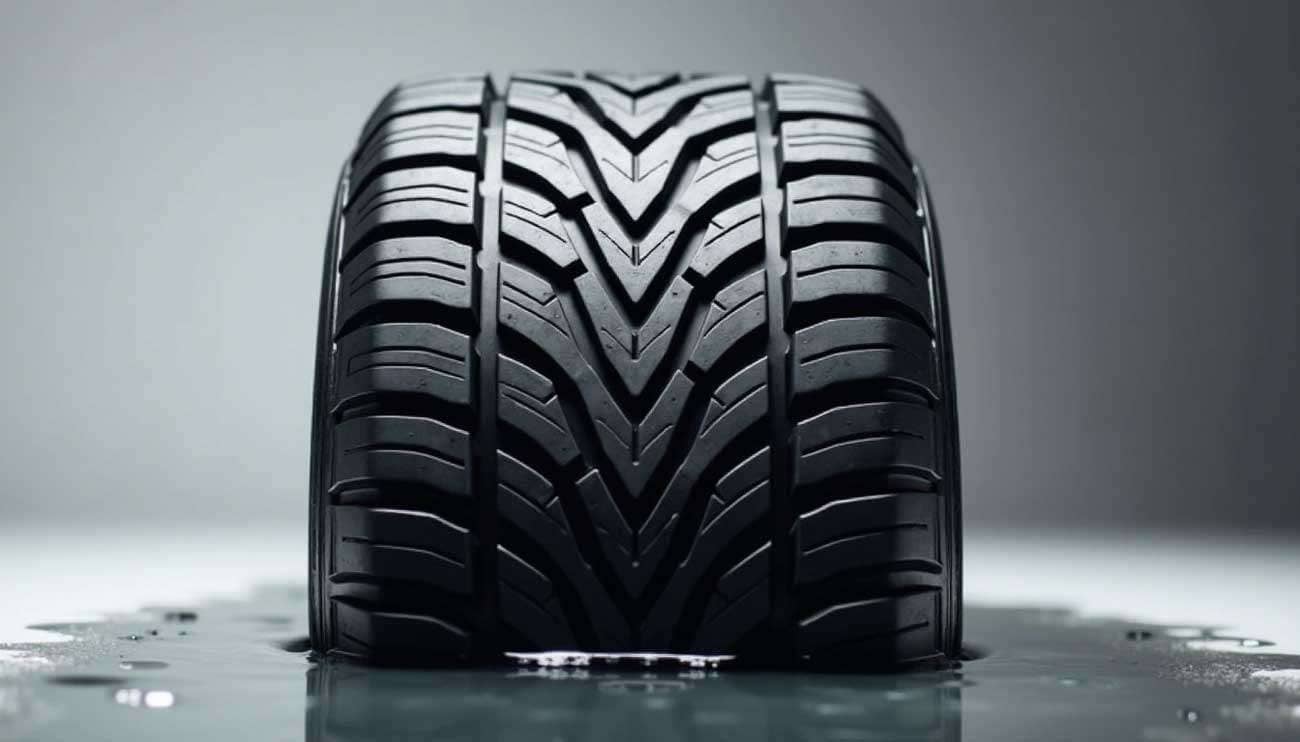
Tire tread patterns are the unsung heroes of vehicle safety. New tires start with 10/32" to 11/32" of tread depth, and there's a critical reason why the law requires a minimum of approximately 2/32". These aren't just random designs carved into rubber – they're your lifeline to the road.
Every tread pattern serves as the crucial contact point between your vehicle and the driving surface. The grooves and sipes you see aren't decorative elements. They're engineered specifically to slice through water and prevent the dangerous condition of hydroplaning. When you understand how these patterns work, you'll appreciate why they're essential for traction, handling stability, and proper water drainage.
The details make the difference. Tread designs with smaller void ratios provide superior traction for everyday driving. Mud and snow tires flip this approach, using larger void ratios to channel away water and debris for better grip in challenging conditions. Manufacturers determine optimal tread depths to ensure shorter stopping distances and quicker response times when you need them most.
At Performance Plus Tire, we know that choosing the right tread pattern can mean the difference between confident driving and white-knuckle moments. Whether you're facing rain-soaked highways, snow-covered streets, or dry pavement, understanding these rubber patterns helps you make smarter tire decisions. This guide breaks down everything you need to know about tire tread patterns so you can drive with complete confidence in any condition.
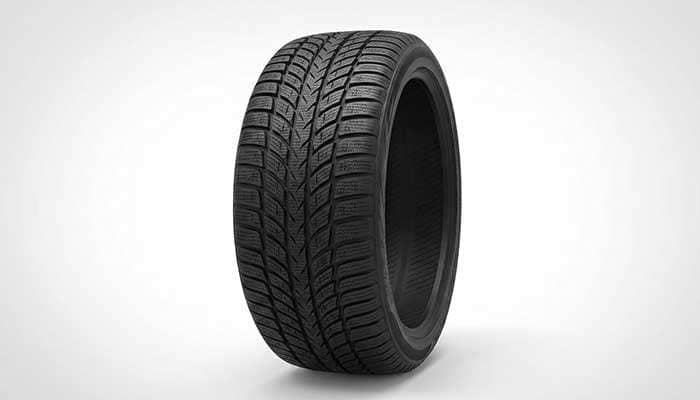
Tire tread patterns represent precision engineering at its finest. Every groove, block, and sipe is strategically placed to maximize your vehicle's performance and safety across different road surfaces. These aren't random designs – they're calculated arrangements of rubber elements working in harmony to keep you connected to the road.
Tire treads create the vital link between your vehicle and the driving surface. Their primary job is delivering traction and grip for safe acceleration, cornering, and braking. When wet conditions threaten your control, properly engineered treads channel water away from beneath the tire, preventing the loss of road contact known as hydroplaning. Beyond safety, these patterns influence noise levels, handling characteristics, and fuel efficiency through their effect on rolling resistance.
Understanding each tread element helps you appreciate the engineering behind every tire:
Grooves function as the tire's drainage system. These deep channels run circumferentially around the tire and laterally across its width. They create pathways for evacuating water, mud, and snow from beneath the tire, maintaining essential road contact. Circumferential grooves offer the most efficient route for water to escape the contact patch.
Blocks are the workhorses of tread design. These raised rubber segments make direct contact with the road surface, providing stability and affecting your tire's grip during acceleration and braking. Larger blocks increase the contact area with the road, which directly enhances grip performance.
Sipes pack tremendous performance into tiny packages. These thin slits, measuring just 0.015 to 0.030 inches wide, are cut into tread blocks. Despite their size, sipes create hundreds of additional "biting edges" that dramatically improve traction on slippery surfaces. When your tire encounters wet or icy conditions, these slits open slightly, exposing sharp edges that bite into the road surface.
Tread depth serves as your safety buffer on the road. Once tread depth reaches the legal limit of 2/32" (1.6mm), tires require immediate replacement.
AAA research demonstrates the dramatic safety impact of worn treads. Tires worn down to just 4/32" increase stopping distances by 43% – that's an additional 87 feet in wet conditions compared to new tires. The handling performance also suffers significantly, decreasing by 33% for passenger cars and 28% for light trucks with worn treads.
We believe these statistics underscore why monitoring tread depth isn't just maintenance – it's a critical safety practice that could save your life.
Choosing the right tread pattern makes all the difference in how your vehicle performs. Each design addresses specific driving challenges and offers distinct advantages for different road conditions.
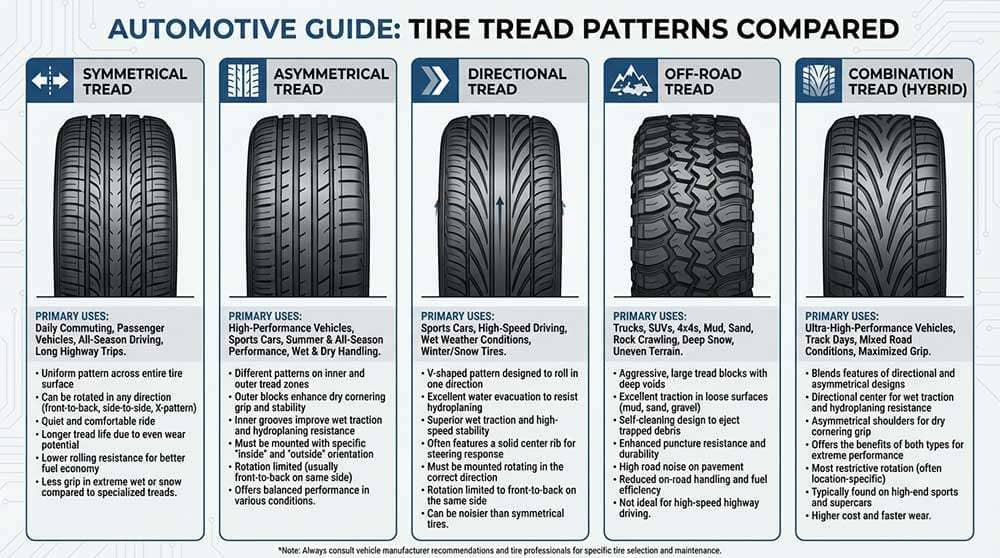
Symmetrical patterns represent the most popular tire design for good reason. These tires feature identical tread blocks across the entire tire face, providing smooth driving characteristics and excellent directional stability. The uniform design allows for multiple rotation positions, helping prevent uneven wear and extending overall tire life. While symmetrical patterns excel for everyday commuting and highway driving, they don't adapt as well to changing road conditions compared to specialized designs.
Asymmetrical treads combine the best of both worlds with two distinct pattern zones. The inner portion focuses on water evacuation and wet weather traction, while the outer section delivers superior dry grip and cornering stability. This sophisticated design provides excellent handling characteristics and maintains high curve stability in various conditions. Performance vehicles often utilize asymmetrical tires because they balance wet and dry performance capabilities without major compromises.
Directional treads are instantly recognizable by their distinctive V-shaped pattern. These tires rotate in only one direction, with arrow-like grooves that effectively channel water away from the contact patch. This design excels at preventing hydroplaning and provides enhanced traction in snow and mud conditions. Remember that directional tires must be mounted according to the rotation arrow marked on the sidewall.
Hybrid designs blend elements from different tread patterns to create versatile performance characteristics. These tires typically combine directional and asymmetrical features for a well-rounded driving experience. Agricultural and commercial drivers particularly value hybrid tires for their ability to perform effectively both on paved roads and in field conditions. You get excellent traction on varied surfaces while maintaining comfortable on-road performance.
Off-road tires feature aggressive designs with deep lugs and wide voids between tread elements. These patterns excel at self-cleaning, automatically ejecting mud, sand, and debris as the tire rotates. The high void ratio and large tread blocks deliver superior traction on loose surfaces like gravel, sand, and rocky terrain. However, these aggressive patterns produce more road noise and reduce fuel efficiency when driven on paved surfaces.
Winter tires utilize specialized designs with deeper tread depths and hundreds of additional sipes for enhanced cold-weather performance. The multiple biting edges created by these thin slits dramatically improve traction on ice and snow. Winter treads incorporate wide valleys between blocks to efficiently channel away slush and standing water. The flexible rubber compounds remain pliable in freezing temperatures, maintaining crucial contact with the road surface.
Understanding these tread types helps you select tires that match your specific driving needs and environmental conditions. Whether you prioritize fuel efficiency, wet weather safety, or off-road capability, there's a tread pattern designed for your requirements.
Tire tread patterns control how your vehicle responds in every driving situation. The difference between a controlled stop and a dangerous slide often comes down to tread design choices made during manufacturing.
Road conditions demand different tread responses. Dry pavement benefits from larger tread blocks that maximize contact area with the road surface, directly improving acceleration, cornering, and braking performance. When rain hits, the equation changes completely—deep grooves become essential for channeling moisture away from the tire's contact patch. Winter driving requires specialized compounds and biting edges that remain flexible even in freezing temperatures.
Cornering performance relies heavily on tread block design and placement. Asymmetrical tires use rigid tread blocks on the outer portion to deliver higher lateral stiffness, which translates to exceptional grip when taking turns. Performance-oriented patterns feature reinforced shoulder blocks specifically engineered to maintain stability at higher speeds.
Tread design impacts more than just safety—it affects your daily driving experience. Symmetrical and streamlined patterns reduce road noise at highway speeds. Modern tread innovations also improve fuel efficiency by reducing rolling resistance. Interestingly, worn tires actually have about 20% less rolling resistance than new ones, but this apparent benefit comes with serious safety compromises.
Water evacuation represents perhaps the most critical tread function. When water builds up faster than treads can disperse it, hydroplaning occurs—your tires lose road contact entirely. Directional V-shaped patterns excel at channeling water outward from the contact patch. New tires can disperse up to 30 liters of water per second at 80 km/h. As tread depth decreases, this water-clearing ability drops dramatically, with stopping distances increasing by 6.8 meters once treads reach the legal minimum depth.
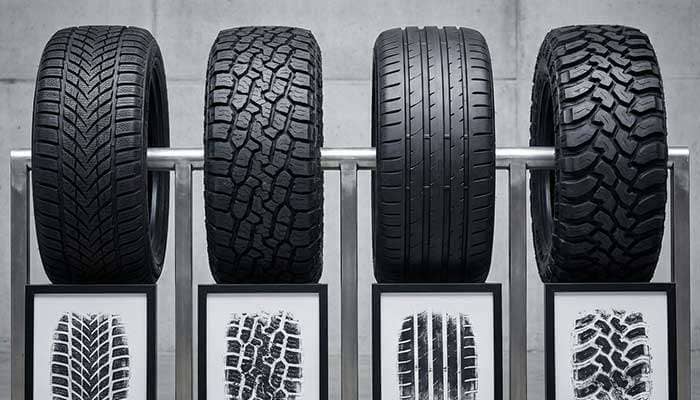
Choosing the right tread pattern isn't guesswork – it's about matching your tires to your specific driving conditions and vehicle requirements. The wrong choice can compromise your safety, while the right selection enhances both performance and confidence on the road.
Your local climate determines which tread design will serve you best. Areas with frequent heavy rainfall demand directional V-shaped patterns that excel at hydroplaning resistance. Cold climates with snow and ice require winter tires featuring deep grooves and high sipe density for maximum grip. Drivers in predominantly dry regions can focus on handling performance with less aggressive tread designs that prioritize road contact and cornering stability.
Your vehicle's intended use guides tread selection. Passenger cars perform well with all-season tires featuring moderate tread patterns that balance comfort and capability. SUVs and trucks used for off-road adventures need all-terrain designs with deeper lugs and self-cleaning capabilities. Performance and sports vehicles require wider tread blocks with reinforced shoulder areas to handle high-speed cornering and aggressive driving.
Tire sidewalls provide essential specifications for proper fitment. The first number (such as "225") represents tire width in millimeters. After the slash, you'll find the aspect ratio showing sidewall height as a percentage of width. The "R" indicates radial construction, followed by rim diameter in inches. Load index and speed ratings appear next, with additional symbols indicating features like run-flat capability or winter certification.
Don't wait until you reach the legal minimum of 2/32 inch to replace your tires. Smart drivers replace tires at 4/32 inch tread depth, before stopping distances increase by 43% in wet conditions. At Performance Plus Tire, our experienced team can help you select tires that match your specific vehicle and driving requirements. We carry the best selection of tires at competitive prices, ensuring you get both quality and value for your tire investment.
Tire tread patterns represent far more than surface design. These engineered rubber elements serve as your vehicle's essential link to safe driving. The right choice protects you when road conditions turn challenging.
Each component we've covered—grooves, blocks, and sipes—works together to deliver the performance you need. Your driving environment should guide your selection process. Rain-soaked commutes demand different capabilities than dry highway cruising or winter snow navigation.
Don't wait until you reach the legal minimum of 2/32" tread depth. At 4/32", your stopping ability already suffers significantly in wet conditions. Smart drivers monitor their tread regularly and replace tires before safety becomes compromised.
Quality tire treads balance multiple factors: traction, water management, comfort, and fuel economy. At Performance Plus Tire, our experts understand these trade-offs and can guide you to the perfect match for your specific vehicle and driving habits.
We believe informed drivers make better decisions. Armed with this knowledge about tread patterns and their functions, you can approach your next tire purchase with complete confidence. Your safety depends on those rubber patterns connecting you to the road—choose wisely.
Understanding tire tread patterns is essential for making informed decisions about your vehicle's safety and performance on different road surfaces.
• Tread depth directly impacts safety: Tires worn to 4/32" increase wet stopping distances by 43%, making replacement crucial before reaching the legal minimum of 2/32".
• Different patterns serve specific purposes: Symmetrical treads offer versatility, directional V-shapes resist hydroplaning, and asymmetrical designs balance wet and dry performance.
• Grooves, blocks, and sipes work together: Deep grooves evacuate water, tread blocks provide road contact, and tiny sipes create biting edges for enhanced grip on slippery surfaces.
• Match treads to your driving environment: Choose directional patterns for wet climates, winter treads for snow, and performance patterns for dry conditions and spirited driving.
• Regular inspection prevents dangerous situations: New tires can disperse 30 liters of water per second, but this capability diminishes rapidly as treads wear down.
The right tread pattern isn't just about performance—it's about ensuring you maintain control when road conditions become challenging, making this knowledge invaluable for every driver's safety toolkit.
There are several types of tire tread patterns, each with specific benefits. Symmetrical patterns offer versatility and even wear. Directional patterns excel at water evacuation and resisting hydroplaning. Asymmetrical patterns balance wet and dry performance. Off-road patterns provide superior traction on loose surfaces, while winter patterns enhance grip on ice and snow.
Tread depth significantly impacts tire safety and performance. New tires typically start with 10/32" to 11/32" of tread depth. As tires wear, their ability to channel water decreases, increasing the risk of hydroplaning. Tires with 4/32" of tread can increase stopping distances by 43% in wet conditions compared to new tires. It's recommended to replace tires before reaching the legal minimum of 2/32".
Grooves are deep channels that evacuate water, mud, and snow. Blocks are raised rubber segments that provide stability and grip. Sipes are thin slits in the tread blocks that create additional biting edges for improved traction on slippery surfaces. Together, these elements work to enhance the tire's performance in various driving conditions.
To choose the right tread pattern, consider your typical driving environment and vehicle type. For areas with heavy rainfall, directional V-shaped patterns are effective. Snowy regions benefit from winter tires with deep grooves and high sipe density. Match your tire choice to your vehicle's requirements and your driving habits. Also, pay attention to tire sidewall markings for important information about size and capabilities.
Regular tire tread inspection is crucial for safety. While the legal minimum tread depth is 2/32", it's recommended to replace tires once the tread depth reaches 4/32". At this point, stopping distances already increase significantly in wet conditions. Use a tread depth gage or the penny test to check your tires regularly, and consider replacement if you notice uneven wear patterns or reduced performance in wet conditions.