
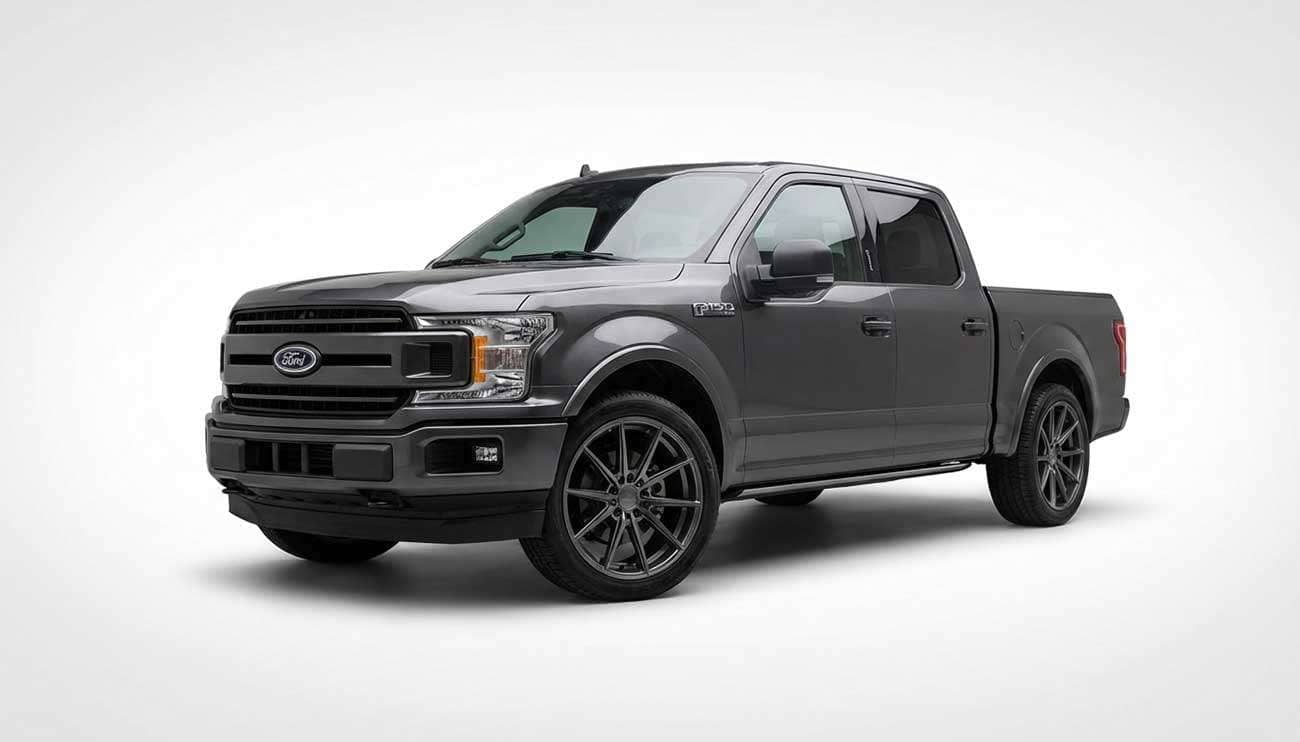
The Ford F-150, America's best-selling truck, deserves wheels that deliver maximum performance capabilities. How do wheels affect my F-150's performance? The impact runs much deeper than most truck owners understand. Aftermarket wheels typically weigh less than factory wheels, reducing unsprung weight for improved acceleration and sharper handling response. Factory wheels prioritize versatility across different driving conditions, but the right custom wheel upgrade can transform how your F-150 performs on the road.
Understanding the performance differences between wheel options is essential when selecting the best F150 wheels and aftermarket wheels for F150. Eighteen-inch rims offer more tire sidewall height, making them ideal for regular off-roading and rock protection. Larger twenty-two-inch wheels maximize visual impact and create an aggressive stance that commands attention. Your wheel choice affects far more than appearance - it influences cornering stability, fuel efficiency, and overall driving dynamics. F-150 Lightning owners will find that wheel selection directly impacts driving range and efficiency, as stock wheels are engineered with aerodynamics and low rolling resistance as priorities.
We'll break down exactly how wheel size, offset, weight, and material affect your F-150's performance capabilities. This guide helps you make an informed decision that balances style preferences with functional performance for your specific driving needs.
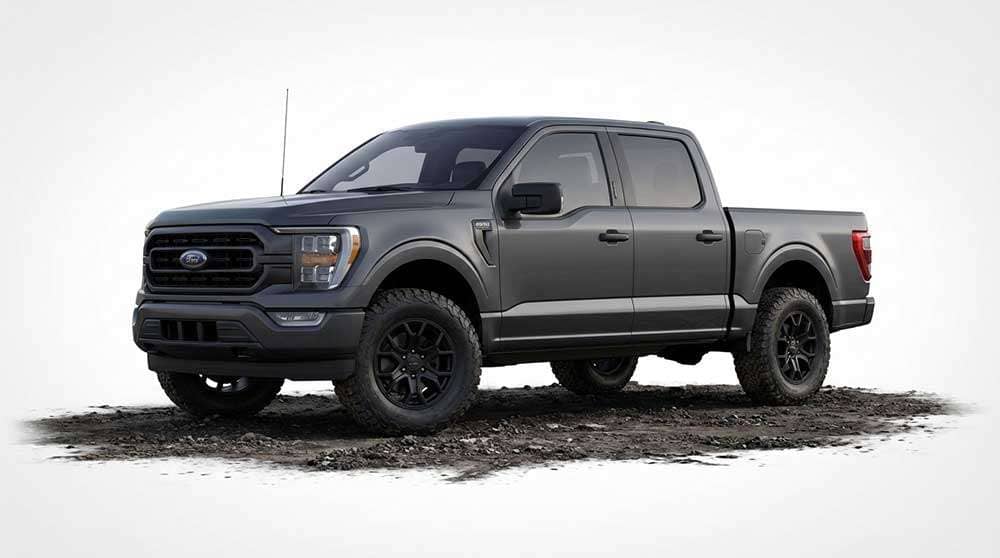
Wheels do far more than connect your F-150 to the pavement. They directly determine how your truck handles corners, accelerates from a stop, brakes under pressure, and consumes fuel during daily driving. Understanding these performance relationships helps you select wheels that match your specific driving priorities.
Ever notice your truck leaning heavily during a sharp turn or lane change? Wheel diameter and sidewall height create this sensation through basic physics. Larger diameter wheels paired with shorter sidewalls dramatically reduce body roll during cornering. Shorter sidewalls flex less under cornering forces, delivering more responsive handling and improved stability.
F-150 owners who upgrade from 18-inch to 20-inch wheels consistently report less body roll and better cornering control. One experienced owner explained it simply: "Having less sidewall definitely helps the handling by reducing body roll".
The tradeoff becomes immediately apparent on rough roads. Larger wheels create a noticeably stiffer ride, with many drivers reporting they feel "every bump in the road". This presents a clear choice between superior handling precision and ride comfort. Those prioritizing comfort typically find wheels in the 17-18 inch range offer the best balance for daily driving.
Wheel width plays an equally important role in handling characteristics. Wider wheels increase the tire's contact patch with the road, providing improved traction and stability during cornering. This becomes particularly valuable for F-150s used for towing, as wider wheels enhance stability when maneuvering with heavy loads.
The combined weight of your wheel and tire assembly profoundly affects how quickly your F-150 accelerates and stops. This concept relates to "unsprung weight" - mass not supported by your suspension system.
Heavier wheel and tire combinations create multiple performance penalties:
Sluggish acceleration (owners often notice their "normal take-off/acceleration RPM is higher" after installing heavier tires)
Extended braking distances
Increased wear on braking components
The physics behind this impact is remarkable. Adding 20 pounds per wheel doesn't simply add 80 pounds to your truck's total weight. Because this mass rotates, its performance impact multiplies by 3-4 times, effectively adding 240-320 pounds of performance-robbing weight. This explains why lightweight aftermarket wheels can dramatically improve how your F-150 responds to throttle and brake inputs.
One F-150 owner who switched to lighter wheels gained approximately 1 MPG in fuel efficiency. Lightweight wheels also improve suspension compliance, allowing your truck's suspension to better absorb road impacts while maintaining tire contact with the surface.
Quality aftermarket wheels often feature optimized spoke designs that improve brake clearance, enhancing cooling airflow and overall braking performance.
Your F-150's fuel efficiency connects directly to wheel and tire choices through rolling resistance - the energy required to keep your tires rotating. Several factors influence this resistance and your truck's fuel consumption.
Proper tire inflation proves critical for fuel economy. Underinflated tires increase road contact area, forcing your engine to work harder and reducing fuel economy by 3-5%. Underinflation also generates excessive heat that accelerates tire wear and can lead to dangerous blowouts.
Tire width significantly impacts fuel efficiency. Wider tires increase both rolling resistance and aerodynamic drag. Professional off-road enthusiasts recommend staying narrower than 275mm width if fuel economy remains a priority.
Wheel weight affects efficiency across all driving conditions. Heavier wheels require more energy to accelerate and maintain highway speeds, with the impact most noticeable during city driving with frequent stops and starts. One F-150 owner documented an 8% highway MPG loss after adding a level kit and 63-pound E-rated tires.
Wheel material plays a crucial role in determining overall weight. Forged wheels typically weigh significantly less than cast alternatives while maintaining or exceeding strength requirements. This weight reduction creates immediate performance improvements in acceleration, braking, and handling response.
For optimal balance between performance and efficiency, moderately sized 17-18 inch alloy wheels paired with quality highway tires typically deliver the best results.
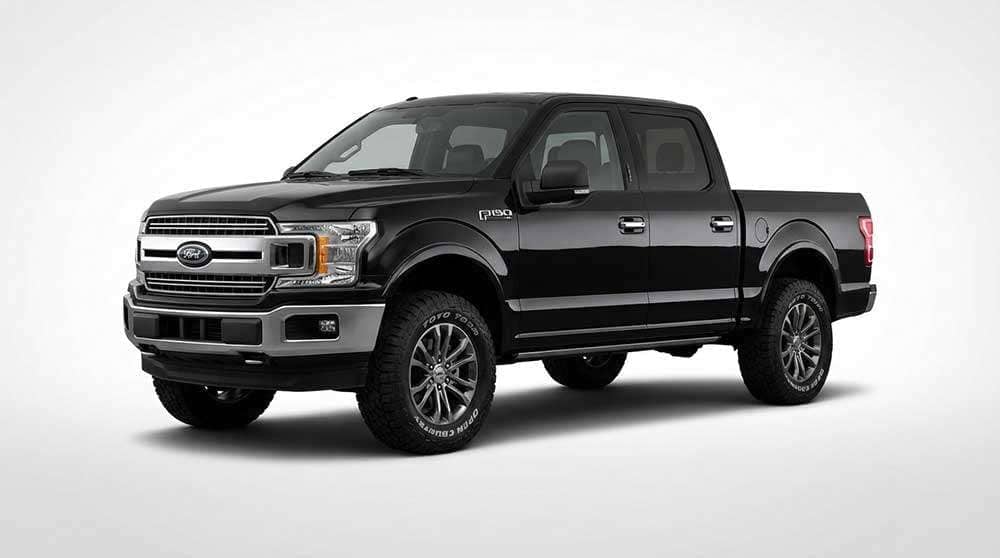
Selecting the right wheel size for your F-150 means understanding how diameter affects both performance and appearance. Base F-150 models typically come with 17-inch steel or alloy wheels, while higher trims offer options ranging from 18 inches up to 22 inches depending on the model year. Each size delivers distinct characteristics that impact your daily driving experience.
Wheel sizing creates the most noticeable tradeoff in F-150 ownership. Smaller wheels (17-18 inches) deliver superior ride comfort through taller tire sidewalls that absorb road imperfections effectively. F-150 owners consistently report dramatic comfort improvements when downsizing from larger wheels.
One owner who switched from 20-inch to 18-inch wheels stated: "My only regret is not doing it sooner. The ride is so much better on the smaller rims with a bigger sidewall". This feedback represents the typical experience across F-150 forums.
Larger wheels (20-22 inches) maximize visual impact through commanding presence and aggressive stance. Their elaborate designs and increased diameter create the bold appearance many truck owners desire. One owner noted: "I have stock 20's. They look better than the 18's".
The difference becomes obvious on rough surfaces. Owners with 20-inch wheels report feeling "the small highway bumps (like the cement squares) through the whole cabin", while smaller wheel options provide better isolation from road irregularities.
Tire sidewall height directly determines ride quality characteristics. Each increase in wheel diameter reduces sidewall height proportionally, assuming consistent overall tire diameter. Moving from 18-inch to 20-inch wheels reduces sidewall height by approximately 1 inch, meaning less rubber cushioning between your wheels and the road surface.
One experienced owner explained the relationship: "What you may give up in rough road ride comfort you gain in cornering and stability if you tow". This creates predictable performance characteristics:
Smaller wheels (17-18 inches) provide more sidewall flex for better shock absorption with slightly less precise handling. Larger wheels (20-22 inches) offer reduced sidewall height that creates firmer ride quality but improved cornering response.
Sidewall height affects off-road capability significantly. Experienced off-roaders prefer 17 or 18-inch wheels for their ability to "air down" tires, allowing sidewalls to flex over obstacles. This flexibility delivers essential traction and impact absorption on challenging terrain.
Daily driving requirements favor balanced wheel sizing based on your priorities. Comfort-focused drivers find 18-inch wheels provide the optimal sweet spot. They deliver smoother ride quality than 20-inch options without sacrificing handling precision or visual appeal. One F-150 forum member observed: "Factory-sized or somewhat bigger wheels are perfect for daily driving since they preserve the truck's original handling qualities while nevertheless providing a mix of comfort, fuel economy, and longevity".
Visual impact priorities make 20-inch wheels the most popular choice. Recent generation F-150s typically use 20×9 wheels with 305/55R20 tires as their standard configuration.
Tire pressure affects ride quality across all wheel sizes. Many owners report dropping pressure slightly below factory recommendations (from 45 PSI to around 35 PSI) dramatically improves comfort. Remember that under-inflation impacts both fuel economy and tire longevity.
Towing-focused setups benefit from smaller diameter wheels with higher load ratings paired with thicker sidewall tires for enhanced durability and stability. This configuration manages towing weight and stress more effectively than ultra-large wheel alternatives.
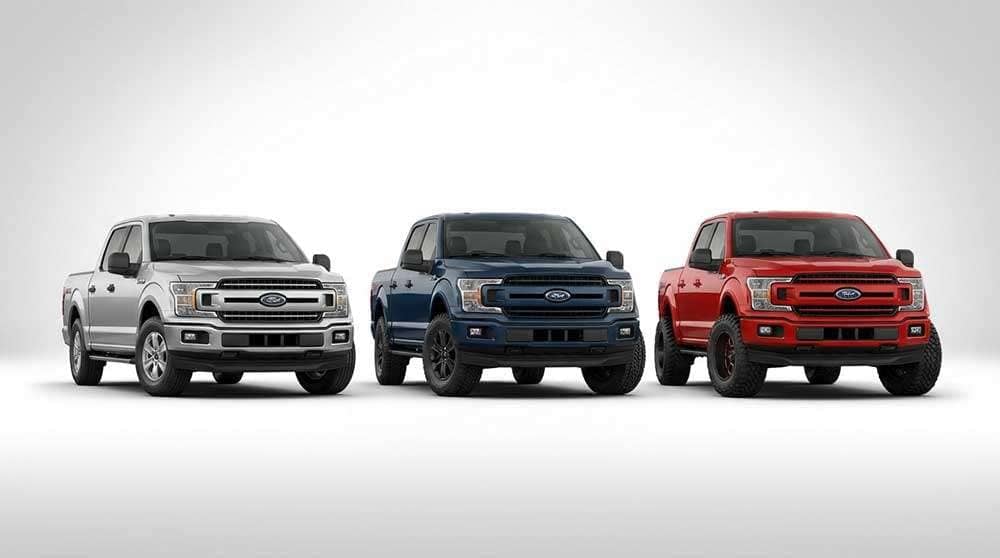
When it comes to custom wheels, one of the most important factors to consider is fitment. Wheel offset and backspacing represent crucial measurements that determine exactly where your wheels sit in relation to your F-150's body and suspension components. Unlike diameter or width, these specifications control the precise positioning that affects both appearance and performance.
Offset refers to the distance between your wheel's mounting surface (where it attaches to the hub) and the centerline of the wheel itself. This measurement, expressed in millimeters, fundamentally determines how your wheels align with your F-150's fenders and suspension.
Factory F-150 wheels typically use a +44mm offset, positioning your tires approximately ¾ inch inside the fender. This conservative factory setting prioritizes clearance and ride quality over aggressive styling.
Backspacing measures from the mounting surface to the back edge of the wheel. This measurement provides a more practical indication of how far your wheel tucks under the vehicle. Most stock F-150s have approximately 6.5 inches of backspacing.
Backspacing often proves more useful than offset alone when determining fitment, as it accounts for both wheel width and offset in a single measurement. Understanding both measurements helps ensure proper clearance and optimal performance.
The positive or negative value of offset indicates which direction the mounting surface moves in relation to the centerline:
Positive offset means the mounting surface sits closer to the outside (street side) of the wheel. Higher positive numbers push your wheels further inward toward the suspension. Most factory wheels use positive offset, with F-150s typically at +44mm to +55mm depending on wheel width.
Negative offset positions the mounting surface closer to the inside (suspension side), effectively pushing wheels outward from the truck. This creates the aggressive "poke" look many truck enthusiasts desire, with tires extending beyond the fender edges.
Zero offset places the mounting surface directly at the wheel's centerline, creating a middle ground between deep tuck and aggressive stance.
The relationship between these measurements requires considering wheel width. A 20x9" wheel with +12mm offset has approximately 5.47" backspacing, whereas a 20x10" wheel with identical +12mm offset has 5.97" backspacing – creating completely different fitments despite sharing the same offset.
Offset dramatically impacts both your F-150's appearance and functionality. Moving from the factory +44mm offset toward lower numbers (like +25mm or +0mm) progressively pushes your wheels outward.
For a modestly aggressive stance with wheels sitting flush with fenders or extending slightly (0.5-1 inch), consider offsets between +20mm and +30mm. More extreme stance requires even lower offsets, potentially down to 0mm or negative values, though this can compromise handling and create tire rubbing.
Lower offset wheels create additional challenges:
Potential rubbing against crash bars during sharp turns
Possible legal issues in areas with strict regulations about tires extending beyond fenders
Increased mud splash on your truck's body
Wheels with higher offset and backspacing offer their own advantages. They typically allow fitting taller tires without trimming requirements and keep your truck's sides cleaner during off-road adventures. Many owners find +30mm to +35mm provides the perfect balance for lifted trucks, while stock-height F-150s typically work best with +38mm to +44mm offsets.
Offset affects more than just appearance – it changes your truck's handling characteristics through something called "scrub radius," which influences how your F-150 responds to steering inputs, particularly during acceleration and braking.
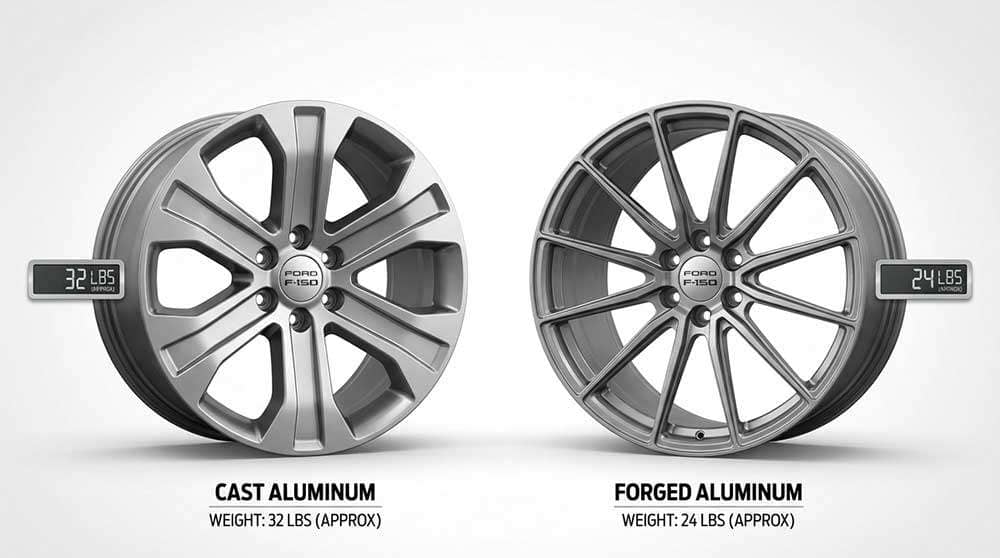
Wheel weight significantly impacts your F-150's performance, yet many truck owners overlook this critical factor when upgrading. The difference between heavy and lightweight wheels goes beyond simple numbers—it fundamentally changes how your truck accelerates, brakes, and handles on the road.
Manufacturing process directly determines both weight and strength characteristics of your F-150 wheels. Stock Ford F-150 wheels typically use cast aluminum construction, where molten metal gets poured into molds. This process creates heavier wheels because thicker cross-sections are needed for structural integrity. Stock 17-inch aluminum wheels weigh approximately 24 pounds, while factory 20-inch FX4 wheels tip the scales at around 39-43 pounds.
Three distinct manufacturing processes create dramatically different results:
Cast wheels: Most affordable option but heaviest (Ford OEM 20" wheels weigh 39+ pounds)
Flow-formed wheels: Created using high pressure applied to cast wheels, resulting in 15-25% weight reduction compared to cast
Forged wheels: Manufactured using intense pressure that eliminates porosity and failure points, creating the strongest and lightest option
Forged wheels command premium prices because they deliver the ideal combination of reduced weight and superior strength. The manufacturing process compresses the metal, eliminating potential failure points typical in cast wheels, increasing both tensile strength and impact resistance.
Unsprung weight—mass not supported by your truck's suspension system—affects performance much more dramatically than equivalent weight elsewhere on your vehicle. Wheels constitute a significant portion of unsprung weight, making their mass particularly important for performance.
At drag strips, adding just one pound of unsprung weight creates the same performance impact as adding two or more pounds to the truck's body. This multiplying effect occurs because the suspension must work harder to control heavier components.
One F-150 owner who replaced heavy stock wheels with aftermarket wheels weighing 28 pounds (versus 41 pounds for factory wheels) reported fuel economy improvements from 2.3-2.8 mi/kWh to 2.5-3.8 mi/kWh. That represents substantial efficiency gains from a simple wheel swap.
Excessive wheel weight affects multiple performance areas:
Acceleration: Heavier wheels require more energy to get moving, creating sluggish throttle response
Braking: Increased stopping distances and premature brake wear
Suspension wear: Greater forces transmitted to shocks and springs, accelerating component deterioration
When selecting wheels for your F-150, consider the total combined weight of both wheel and tire. Factory setups can range from approximately 61 pounds for lighter configurations to 99 pounds for heavy-duty off-road combinations. For perspective, F-150 owners report stock Goodyear Wrangler Fortitude HT tires in 265/70R17 size weighing 38 pounds.
The most noticeable handling improvements come from reducing rotational mass. Lighter wheels allow your suspension to better maintain tire contact with the road, particularly over uneven surfaces. According to one F-150 owner, reducing wheel weight by 13 pounds per corner yielded "sharper" steering with faster wheel return to center.
For optimal handling without sacrificing durability, consider these guidelines:
Flow-formed wheels offer a cost-effective middle ground between cast and forged options
Balance wheel diameter with tire sidewall height (larger wheels typically weigh more)
Verify proper load ratings for your specific driving demands
Many aftermarket manufacturers now offer lightweight F-150 wheels that maintain or exceed OEM strength specifications. These products typically weigh 25-30% less than comparable factory wheels, delivering meaningful performance improvements without compromising safety.
Unsprung weight reduction benefits accumulate at each corner of your truck. Even a modest 8-pound reduction per wheel yields substantial performance gains—equivalent to removing over 100 pounds from your truck's overall weight regarding acceleration improvement.
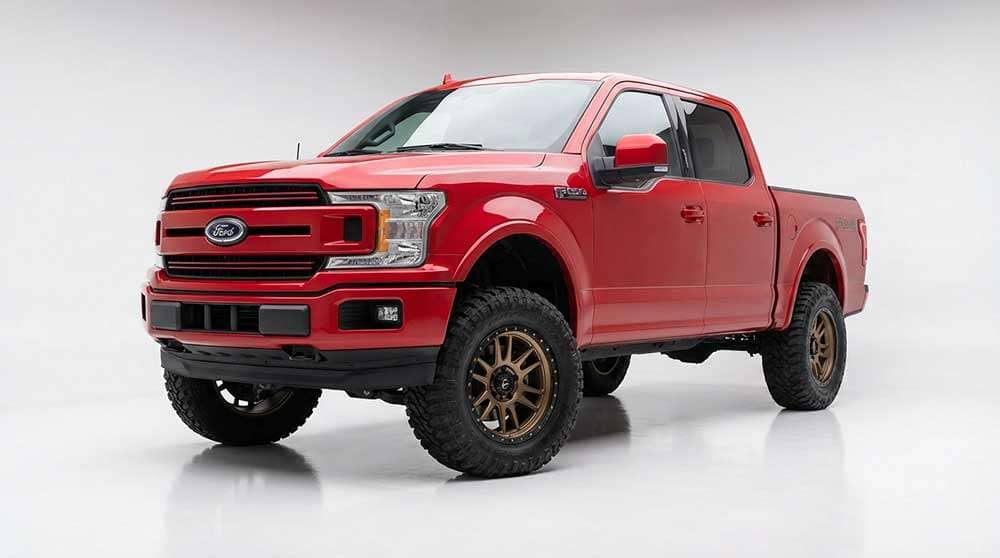
Aftermarket wheels deliver both enhanced capabilities and stunning appearance for your F-150. Quality custom wheels combine eye-catching designs with performance engineering, creating a truck that commands attention while providing superior handling and response.
We work with the industry's leading manufacturers who consistently deliver exceptional quality and innovative designs for F-150 owners. Method Race Wheels offers rugged off-road construction with reinforced designs perfect for Raptor builds and serious trail use. Their popular 305 NV model comes in seven different finishes, including striking matte black and bronze combinations.
Fuel Off-Road creates aggressive styling with maximum visual impact. Their extensive lineup includes over 75 wheel variations designed for everything from daily drivers to extreme off-road applications. Fuel's powder-coated finishes deliver superior resistance to corrosion, scratches, and fading compared to standard painted options.
Black Rhino specializes exclusively in truck-specific designs with proper load ratings, making them ideal for work trucks that demand both durability and distinctive style. Ford Performance provides OEM-quality options, including their 22" x 9.5" sinister bronze painted wheels with clear-coat finish meeting OEM standards.
Looking for F-150 wheels that deliver both performance and value? Find the best F-150 wheels at wholesale prices.
Matte black wheels remain the most versatile choice, complementing any paint color while hiding road dirt more effectively than polished finishes. Bronze wheels create dramatic contrast against white, silver, and dark F-150 paint colors while maintaining a refined appearance.
Chrome and machined finishes provide maximum visual impact through dramatic light reflection, though they require more frequent maintenance to preserve their appearance.
Off-road wheels feature reinforced construction designed to withstand trail damage and harsh conditions. Method's beadlock and patented Bead Grip® equipped wheels undergo extensive testing for extreme use applications.
Street-focused wheels prioritize different characteristics:
Lightweight construction for enhanced acceleration and handling
Larger diameters (20-22") with sophisticated designs
Deep-dish concave faces for aggressive stance
Off-road enthusiasts typically choose 17-18" wheels that accommodate taller tire sidewalls and provide better shock absorption on rough terrain. Street-oriented F-150s benefit from larger 20-22" wheels that create a more commanding road presence.
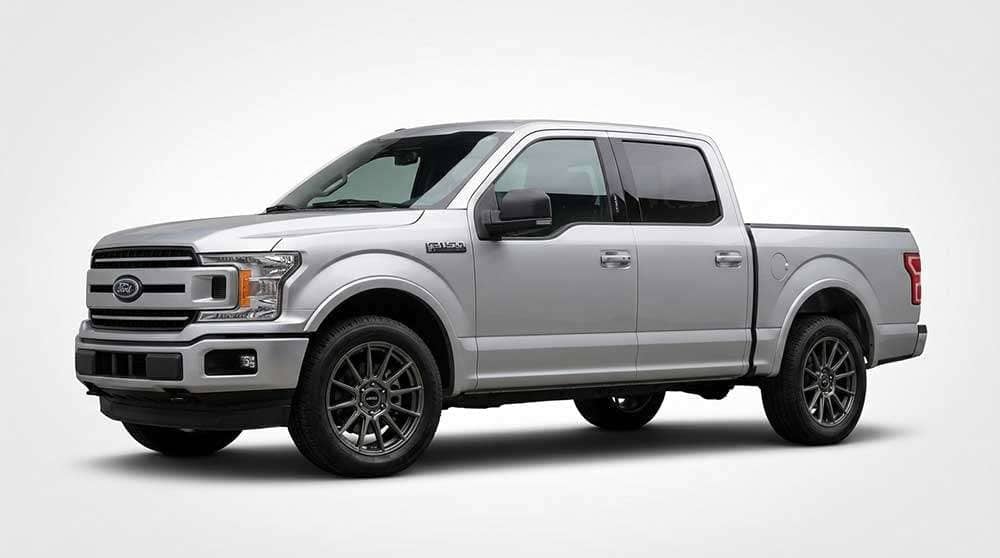
Proper wheel fitment ensures your F-150 performs at its best while maintaining safety standards. Several technical specifications require verification before upgrading to prevent expensive mistakes and potential safety issues.
Your F-150's bolt pattern determines which wheels will physically mount to your truck. Most F-150s from 2004 to present use a 6x135mm pattern, meaning six lugs arranged in a 135mm diameter circle. Older models (1997-2003) utilized a 5x135mm pattern instead. You cannot mix these patterns without adapters, which we don't recommend due to safety concerns.
The center bore measurement proves equally critical for safe operation. All F-150 generations use an 87.1mm center bore. Factory wheels match this specification exactly, while aftermarket options often feature larger bores (sometimes up to 110mm). When installing wheels with larger center bores, hub-centric rings become necessary to prevent dangerous vibration. Never attempt to modify the bore size, as this compromises wheel structural integrity.
Proper installation requires following torque specifications precisely: 150 ft-lbs for 2004+ models and 100 ft-lbs for 1997-2003 trucks. Always use a star pattern when tightening lug nuts to ensure even pressure distribution.
Every F-150 wheel must support substantial weight safely. Each wheel needs to handle at least 3,150 lbs, with heavy-duty configurations requiring even higher ratings. Most OEM wheels carry capacity ratings of 1,825 pounds, while certain 18" heavy-duty payload package wheels support up to 2,101 pounds.
Check load ratings stamped inside the wheel barrel before purchasing. We recommend prioritizing "Load Range E" tires for optimal safety margins. Factor in additional weight from accessories or lift kits when calculating load requirements.
Tire Pressure Monitoring Systems require attention during wheel upgrades. 2024+ F-150 models use sensors operating on 433MHz frequency, changed from the previous 315MHz standard. Aftermarket sensors must match this frequency to function properly. Professional installation typically requires approximately 1.5 hours with basic shop tools.
Installing aftermarket wheels doesn't automatically void your entire F-150 warranty. The Magnuson-Moss Warranty Act protects consumers by allowing manufacturers to deny warranty claims only for components whose failure directly resulted from your modification. If wheel modifications cause premature bearing failure, those specific repairs might not be covered, but unrelated components remain protected.
To maintain maximum warranty protection, select wheels with appropriate load ratings and keep offsets reasonably close to OEM specifications. Excessive deviation from factory offset values increases stress on bearings and suspension components, potentially leading to denied warranty claims.
Before finalizing any wheel upgrade, verify the exact bolt pattern, proper load ratings, and correct TPMS compatibility for your specific F-150 model year. These technical details determine both safety and optimal performance.
Wheel selection makes a significant difference in how your F-150 performs on and off the road. Wheel size affects cornering stability and ride comfort, with 18-inch wheels providing the best balance for most drivers. Offset changes both appearance and handling characteristics, while proper backspacing prevents rubbing issues that can cost you time and money. Unsprung weight reduction through lighter wheels improves acceleration, braking, and handling response while potentially boosting fuel economy.
Safety considerations must guide your aftermarket wheel selection. Correct bolt patterns, appropriate load ratings, and compatible TPMS systems protect both performance gains and your factory warranty. Every wheel choice involves tradeoffs between comfort, performance, efficiency, and style. Understanding your primary driving needs helps you identify the perfect match for your truck.
Ready to upgrade your F-150? Aftermarket wheels offer extensive possibilities beyond factory options. Find the best F-150 wheels at wholesale prices without compromising quality or fitment. The right wheels transform your truck's appearance while enhancing how it drives and responds to your commands. Whether you prioritize aggressive off-road capability or refined street performance, the perfect wheel upgrade balances your style preferences with the performance characteristics that matter most for your driving needs.
At Performance Plus Tire, we understand that your F-150 represents more than transportation—it's an extension of your personality and capability. Our knowledgeable team can guide you through the selection process, ensuring you get wheels that deliver both the look you want and the performance you need.
Understanding how wheels affect your F-150's performance helps you make informed upgrade decisions that balance style, comfort, and capability.
• Wheel size creates performance tradeoffs: 18-inch wheels offer the best balance of comfort and handling, while larger 20-22" wheels improve cornering but reduce ride quality due to shorter tire sidewalls.
• Unsprung weight dramatically impacts performance: Lighter wheels improve acceleration, braking, and fuel economy by 3-4 times their actual weight reduction, making material choice crucial for performance gains.
• Proper offset prevents costly problems: Factory F-150s use +44mm offset; deviating too far can cause tire rubbing, handling issues, and potential warranty concerns while affecting your truck's stance.
• Safety specifications must match exactly: Verify 6x135mm bolt pattern, 87.1mm center bore, and proper load ratings (3,150+ lbs per wheel) to ensure safe fitment and maintain warranty coverage.
• Aftermarket wheels don't void warranties: Under federal law, only component failures directly caused by modifications can be denied coverage, making proper fitment and load ratings essential for protection.
The right wheel upgrade transforms both your F-150's appearance and driving dynamics, but success depends on understanding these technical relationships and choosing specifications that match your specific driving needs and priorities.
Wheel size and weight significantly impact performance. Larger wheels (20-22 inches) improve cornering but reduce ride comfort. Lighter wheels enhance acceleration, braking, and fuel economy by reducing unsprung weight. An 18-inch wheel often provides the best balance of comfort and handling for daily driving.
When selecting aftermarket wheels, ensure they match your F-150's bolt pattern (typically 6x135mm), have the correct center bore (87.1mm), and meet or exceed the required load rating (at least 3,150 lbs per wheel). Also consider wheel offset, as it affects both stance and handling characteristics.
Wheel offset determines how your wheels sit in relation to the fenders. Lower offset pushes wheels outward, creating a more aggressive stance but potentially causing rubbing issues. Higher offset tucks wheels inward, allowing for larger tires without trimming. Offset also affects handling by changing the truck's scrub radius.
Installing aftermarket wheels doesn't automatically void your entire warranty. Under the Magnuson-Moss Warranty Act, only repairs directly related to modifications can be denied coverage. To maintain maximum protection, choose wheels with appropriate load ratings and keep offsets reasonably close to OEM specifications.
Lightweight wheels offer numerous performance advantages. They improve acceleration and braking response, enhance fuel efficiency, and allow the suspension to better maintain tire contact with the road. Some F-150 owners report noticeable improvements in handling and fuel economy after switching to lighter wheels.



