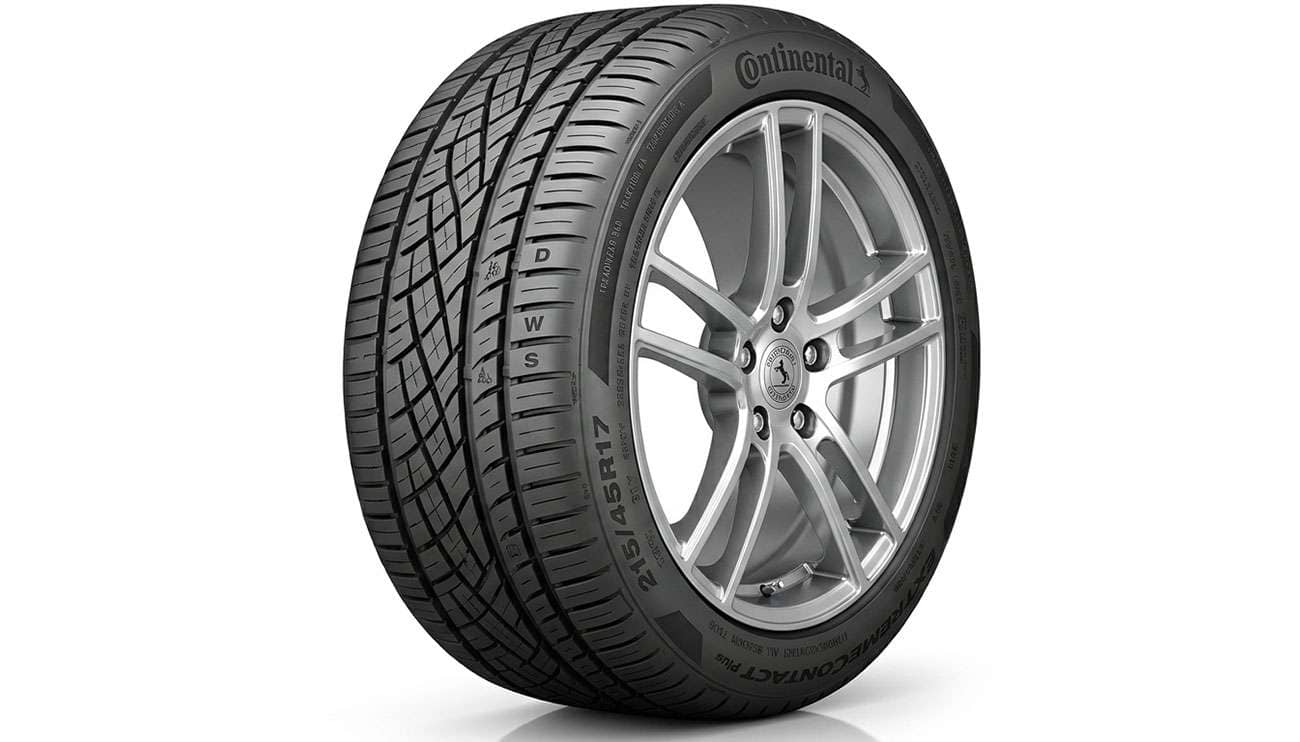
The best 215/45R17 tire is the one that meets or exceeds the load index printed on your door placard, and that number is not the same on every car that wears this size. Across the roughly 1,480 vehicles that came from the factory on 215/45R17, about 47 percent specify load index 87 and about 38 percent specify load index 91. That is a 155-pound difference in rated capacity per corner. Most best-tire lists never mention it, so they hand you a winner that may sit below what your car legally requires. Pick your load index first, then pick the tire.
Every roundup for this size opens the same way: here are the ten best 215/45R17 tires, ranked. What almost none of them put in front of you is that 215/45R17 is not one specification. It is a family of specifications sharing a section width, an aspect ratio and a rim diameter, and the service description on the end of the size does the real work.
Run the factory fitment data for this size and the load index spread is not close to uniform. Load index 87 accounts for roughly 47 percent of original equipment applications. Load index 91 accounts for roughly 38 percent. Load index 89 picks up another 8 percent, with 88, 92 and 93 filling small slices. Speed ratings split too: V covers about half the fitments, W about a third, with H, Y and Z making up the rest.
Here is what those numbers convert to in pounds:
Load index on your placard |
Rated capacity per tire |
Construction |
What you can safely fit |
|---|---|---|---|
87 |
1,201 lbs |
Standard Load (SL) |
87 SL or higher. An XL 91 is legal and adds margin, but rides firmer. |
88 |
1,235 lbs |
Standard Load (SL) |
88 or higher. An 87 is below spec and should not be fitted. |
89 |
1,279 lbs |
SL or XL depending on model |
89 or higher. In practice this usually means buying the 91 XL version. |
91 |
1,356 lbs |
Extra Load (XL) |
91 XL only. An 87 SL leaves you 155 lbs short per corner. |
93 |
1,433 lbs |
Extra Load (XL) |
93 XL only. Rare in this size and worth confirming availability before you commit. |
Federal Motor Vehicle Safety Standard 110 is the rule that requires your vehicle to carry a placard listing the original tire size, the load rating and the cold inflation pressure. FMVSS 139 governs how the tire itself is tested and marked. The Tire Industry Association's replacement guidance is direct on the point: a replacement tire must carry a load index equal to or greater than the original. There is no clause that lets a better tire make up for a smaller number.
The practical failure looks like this. A car specifies 91 XL because the manufacturer calculated axle loads with passengers and cargo aboard. The owner reads a list naming a superb tire, buys it, and the tire arrives as an 87 SL because that is the version most retailers stock in this size. Nothing announces the mistake. The tire fits the wheel, holds air and drives fine empty. Load four adults and a weekend of luggage and that tire is operating closer to its ceiling than the engineers ever intended, running hotter, deflecting more in corners and wearing its shoulders faster.
If you want the deeper mechanical explanation of what Extra Load construction actually changes inside the casing, our guide on SL vs XL tires and which you should really choose walks through the body ply and bead differences. For the terminology itself, load range vs load index clears up the two systems people mix together.
Do this before you read another line: open the driver's door, find the placard on the B-pillar, and write down the full size including the two-digit number and letter after it. Something like 215/45R17 91V. That service description is your filter. Everything below is organized so you can apply it.
Once you know your load index, the second question is what you actually want the tire to do. This size lands on two very different kinds of car: light compacts and hatchbacks where comfort and mileage dominate, and sport compacts where the owner chose 17-inch wheels specifically to sharpen the steering. The right answer diverges hard.
What matters most to you |
Top pick in 215/45R17 |
Typical price per tire |
Available as |
|---|---|---|---|
One tire for everything, year round |
$178 |
91 XL |
|
Maximum dry and wet grip without giving up winter |
$209 |
91 XL |
|
Real snow capability on one set of wheels |
$233 |
91 XL |
|
Longest tread life |
$168 |
87 SL |
|
Quiet, comfortable commuting |
$210 |
91 XL |
|
Dry-weather performance, no snow |
$315 |
91 XL |
|
Dedicated winter set |
$203 |
91 XL |
|
Autocross and HPDE days |
$284 |
91 XL |
|
Lowest cost per mile |
$106 |
91 XL |
Browse the full lineup of 215/45R17 tires to filter by load index and season before you compare models.
This is where most of the volume in this size lives, and it is also where the load index trap bites hardest, because the all-season segment offers the same model in both SL and XL depending on the market it was built for.
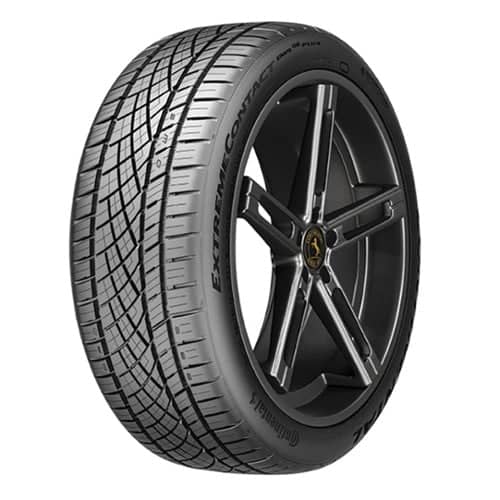
215/45ZR17 91W XL, UTQG 560 A A, 50,000-mile warranty, 10/32 tread depth, around $178.
Who it is for: the owner who wants one tire on the car all year and is not willing to accept a real drop in dry handling to get there. This has been the reference tire in the ultra high performance all-season category for years, and it holds that position in this size.
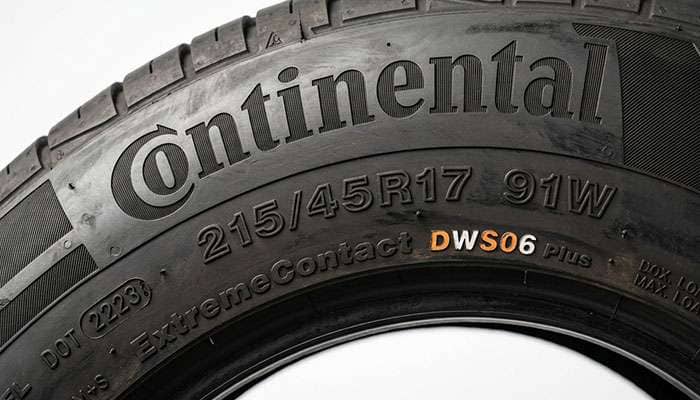
Why it earns its spot: the DWS indicators molded into the tread are a genuine engineering feature rather than marketing. The S wears away first, telling you snow capability is finished, then the W when wet performance has degraded, then the D when the tire is done. In a size that routinely gets run past its useful depth because the sidewall still looks fine, that visual cue is worth real money. Wet grip is excellent, dry response sits just behind the Michelin, and it comes in the 91 XL version most 215/45R17 applications actually need.
Trade-offs: it will not match a dedicated summer tire at the limit, and it is not a substitute for winter tires if you live somewhere with sustained snow.
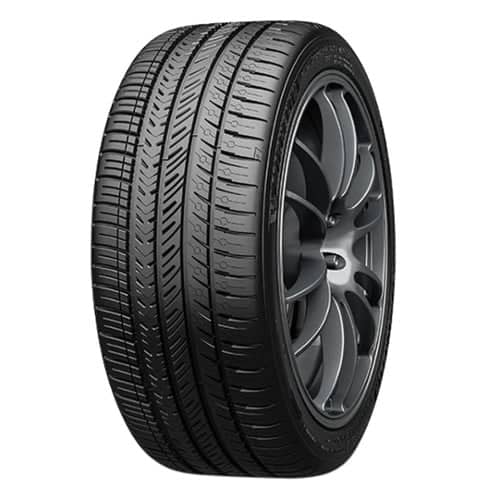
215/45ZR17 91Y XL, UTQG 300 AA A, 10/32 tread depth, around $209.
Who it is for: sport compact owners who want the sharpest steering response available without giving up cold-weather usability. The Y speed rating in this size is unusual and tells you where Michelin aimed the casing.
Why it earns its spot: the AA traction grade is the highest the UTQG system awards, and it is earned in wet braking. Turn-in is the crispest in the all-season category, and on a 2,800-pound car with 17-inch wheels the difference from a touring tire is immediately obvious at the first corner. Michelin's compound holds its grip level as it wears rather than falling off a cliff at half tread.
Trade-offs: the 300 treadwear grade is honest about what you are buying. Expect fewer miles than a touring tire, and expect to feel more road texture through the wheel.
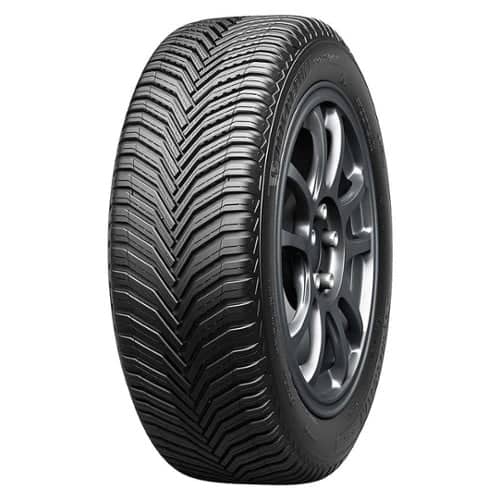
215/45ZR17 91V XL, UTQG 640 B A, 60,000-mile warranty, 10/32 tread depth, around $233.
Who it is for: anyone in a climate that gets a few real snow events a year but not enough to justify a second set of wheels. This carries the three-peak mountain snowflake symbol, which is a severe snow service rating, not the M+S marking most all-seasons wear.
Why it earns its spot: the directional V tread evacuates slush and standing water at a rate no conventional all-season matches, and the compound stays pliable well below the temperature where a standard all-season starts to glaze over. In a low-profile size where you have less sidewall to absorb a slick patch, that matters.
Trade-offs: the B temperature grade and the directional pattern mean slightly more rolling noise at highway speed, and you cannot cross-rotate a directional tire.
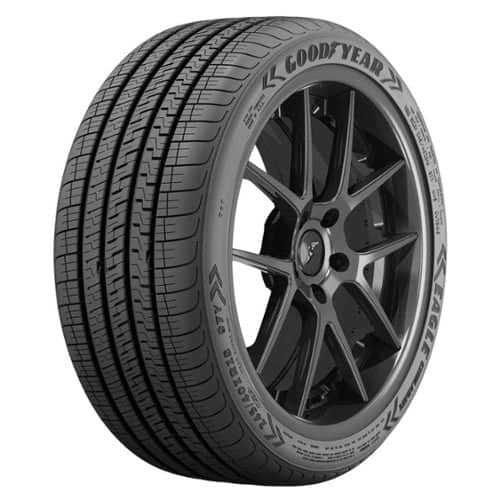
215/45ZR17 91W XL, UTQG 500 AA A, 45,000-mile warranty, around $167.
Who it is for: the driver who wants most of the DWS06 Plus experience for less money. The AA traction grade puts it in the top wet-braking tier alongside tires costing considerably more.
Why it earns its spot: Goodyear built this specifically for the sport compact segment rather than adapting a touring casing, and it shows in steering weight and mid-corner stability. The asymmetric tread runs a stiff outboard shoulder for cornering load with a more open inboard side for water clearing.
Trade-offs: light snow capability is present but modest. If February is a real concern, the CrossClimate2 is the better call.
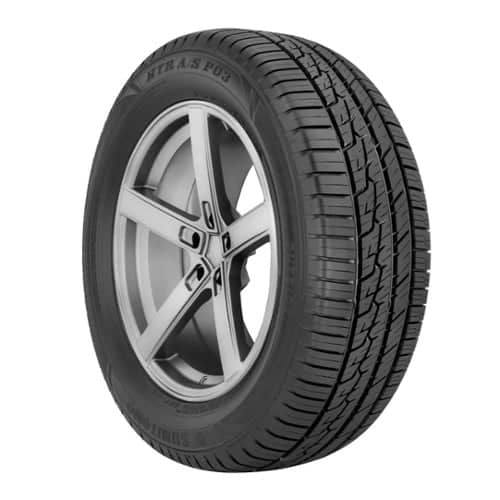
215/45ZR17 91W XL, UTQG 640 A A, 45,000-mile warranty, 10/32 tread depth, around $130.
Who it is for: the value buyer who still needs the 91 XL rating. This is the tire I recommend most often when someone tells me the budget is firm but the car specifies Extra Load.
Why it earns its spot: a 640 treadwear grade at this price is unusual in a W-rated tire, and Sumitomo is built by Falken's parent company on the same production lines, which is why the wet numbers are better than the price suggests. It gives up refinement, not safety.
Trade-offs: road noise is noticeably higher than the premium picks above, and dry steering feel is softer.
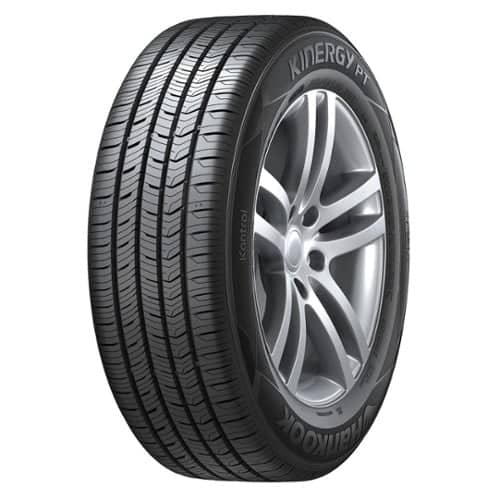
215/45ZR17 87V SL, UTQG 800 A A, 90,000-mile warranty, 10/32 tread depth, around $168.
Who it is for: the 87 SL applications, and specifically the owner who wants the lowest possible cost per mile. A 90,000-mile warranty in a 45-series performance size is the longest in this list by a wide margin.
Why it earns its spot: an 800 treadwear grade means the compound is engineered for longevity first, and Hankook backs it with warranty terms most competitors will not write. On a commuter that sees 20,000 miles a year, the math is not close.
Trade-offs: this is an 87 SL tire. If your placard says 91, this one is off your list regardless of how good the warranty looks. Dry grip is also the softest of the group.
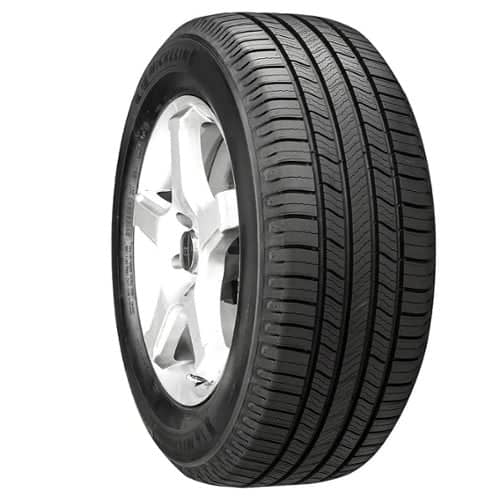
215/45R17 91H XL, UTQG 840 B B, 80,000-mile warranty, 10/32 tread depth, around $210.
Who it is for: the XL application that wants Hankook-level tread life with Michelin's ride quality and wet performance. The 840 treadwear grade is the highest number in this entire size.
Why it earns its spot: this is the long-mileage answer for cars that specify 91, which the Kinergy PT cannot serve. Michelin's 80,000-mile warranty on a 45-series tire is a statement about compound confidence.
Trade-offs: H speed rating. If your placard calls for V or W, this one is out. Check that number before you fall in love with the warranty.
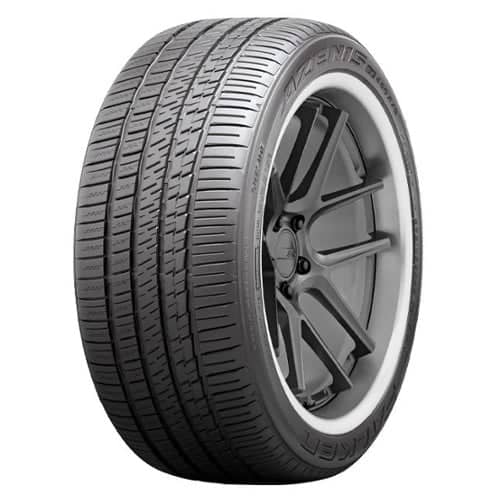
215/45ZR17 91Y XL, UTQG 500 A A, 50,000-mile warranty, 10/32 tread depth, around $157.
Who it is for: the enthusiast who wants a Y-rated all-season and does not want to pay Michelin money for it. Falken has built its reputation in exactly this segment.
Why it earns its spot: Y-rated construction in a 91 XL casing at this price is rare. The tire is stiffer than its price tier suggests, which is what you want under a light car with a short sidewall.
Trade-offs: wet braking trails the AA-rated tires above, and the ride is firm.
If you have a second set of wheels for winter, or you live somewhere that genuinely does not need cold-weather capability, a dedicated summer tire in this size transforms the car more than any other single change you can make to it.
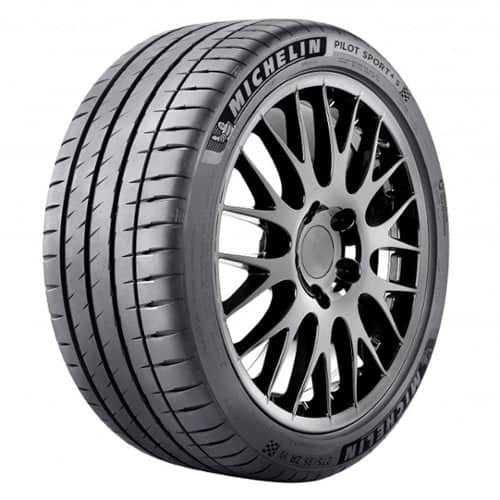
215/45ZR17 91(Y) XL, UTQG 300 AA A, 9/32 tread depth, around $315.
The benchmark, and priced like it. The bi-compound tread runs a stiffer elastomer on the outboard shoulder for cornering load and a grippier inner section for braking and wet work. On a light car this tire produces steering feel that no all-season replicates. The AA traction grade is genuine, and unlike many max-performance summer tires the wet behavior is progressive rather than abrupt.
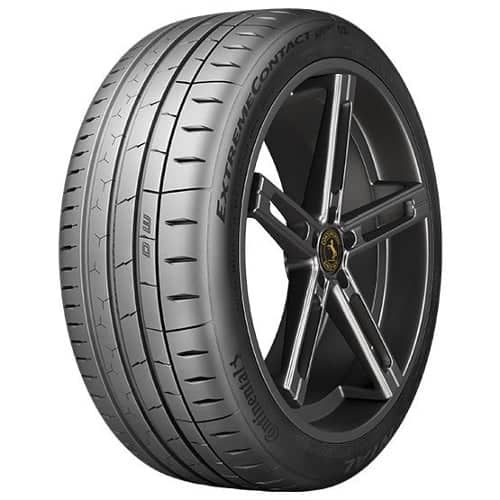
215/45ZR17 91W XL, UTQG 340 AA A, 30,000-mile warranty, 10/32 tread depth, around $219.
The value play at the top of the segment. A 340 treadwear grade means it lasts meaningfully longer than the Michelin while giving up very little dry grip, and Continental is one of the few manufacturers writing a mileage warranty on a max-performance summer tire at all. If the car is a daily driver that also sees canyon roads, this is the smarter buy.
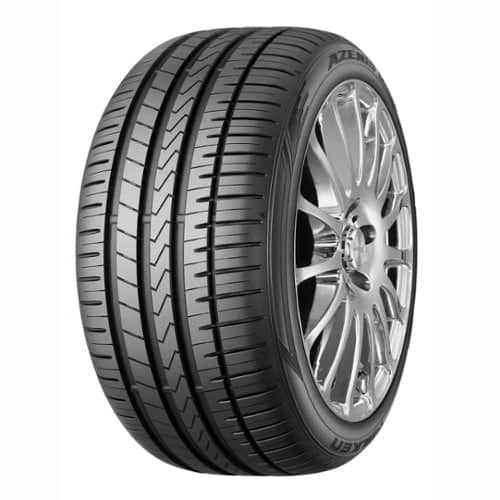
215/45ZR17 91Y XL, UTQG 300 AA A, around $164.
The budget entry into serious summer rubber. Y-rated, AA traction, and priced well below the German and French options. Falken developed this tire for the European market where wet performance is regulated and tested, and it shows in standing-water behavior. Dry ultimate grip is a step behind the Michelin, but for street driving the gap is smaller than the price difference.
Other strong 215/45R17 summer options in stock include the Yokohama Advan Sport V105 at 91Y for around $268, the Toyo Proxes Sport at 91W for around $148, and the Bridgestone Potenza Sport at 91Y for around $245.
A 45-series tire has 3.8 inches of sidewall. That is not much cushion when the road is rutted ice, which makes compound quality more important here than in a taller size where the casing can absorb some of the impact.
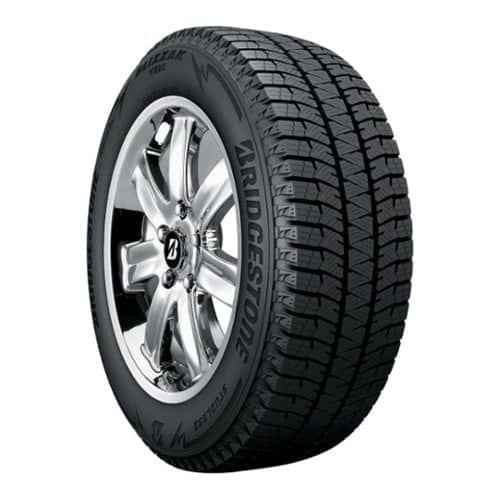
215/45R17 91T XL, 11/32 tread depth, around $203.
The ice-braking benchmark. Bridgestone's multicell compound uses microscopic voids that pull the water film off the ice surface, which is the mechanism that separates a real winter tire from an all-season with a snowflake stamp. Available in the 91 XL rating this size usually needs.
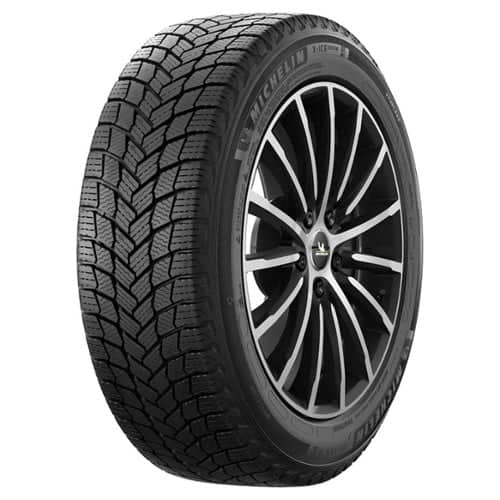
215/45R17 91H XL, 40,000-mile warranty, 10/32 tread depth, around $202.
The longevity pick in winter rubber, and one of the few winter tires sold with a mileage warranty. H speed rating gives you more headroom than the T-rated Blizzak for highway driving, and the full-depth 3D sipes maintain their edge count as the tire wears rather than losing bite at half tread.
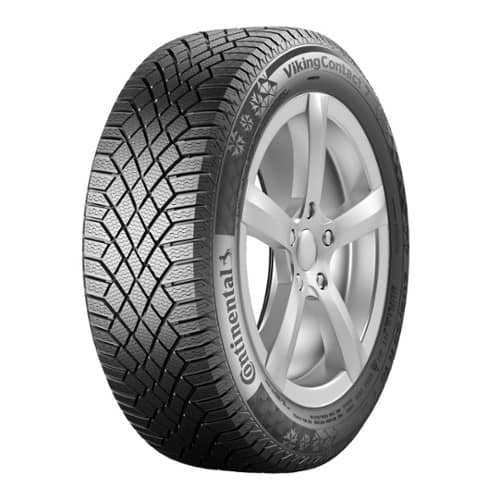
215/45R17 91T XL, 10/32 tread depth, around $176.
The value winter pick with Nordic-market engineering behind it. Wet and slush performance is the strongest attribute here, which matters more than pure ice grip for anyone whose winter is mostly cold rain punctuated by a few storms.
Also available in 215/45R17: the Nokian Hakkapeliitta R5 at 91T for around $227, the Goodyear WinterCommand Ultra at 91H for around $188, and the Pirelli Cinturato Winter 2 at 91V for around $176.
This size is a favorite in club motorsport because it fits a huge range of lightweight cars on 17x7.5 and 17x8 wheels. Note the treadwear grades below and treat them as what they are: a statement about how many heat cycles you get, not a warranty.
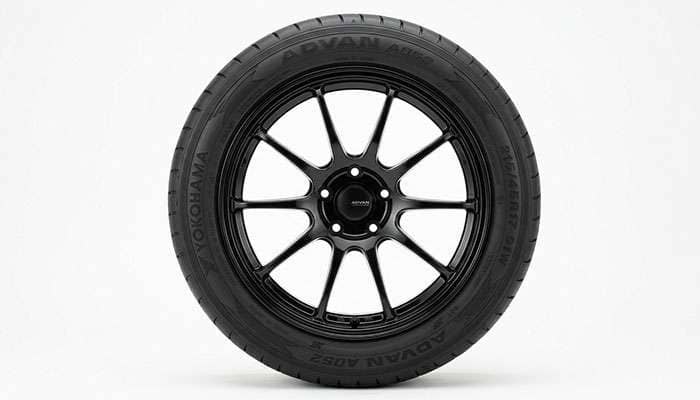
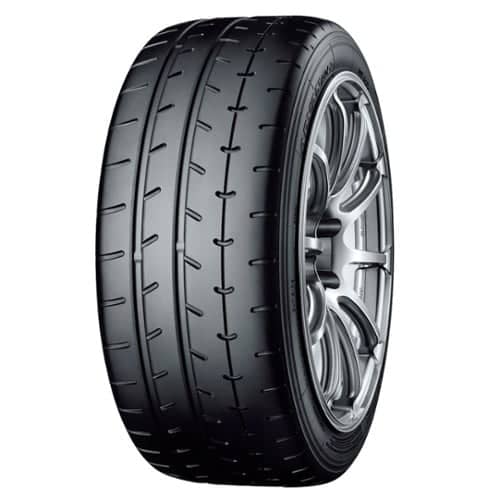
215/45ZR17 91W XL, UTQG 200 A A, 7/32 tread depth, around $284.
The extreme performance summer tire that most autocross national trophies have been won on. It comes up to temperature fast, which is exactly what a 60-second run demands, and it holds pace across a session better than most of its class. Street legal, though the wet behavior is what you would expect from a 200 treadwear compound.
215/45ZR17 87W SL, UTQG 200 A A, 8/32 tread depth, around $174.
The entry point to serious track rubber, and the value leader in the category for years running. Note the 87 SL rating: on a light car with a track alignment that is usually fine, but confirm against your placard if this is also your street tire.
215/45ZR17 91W XL, UTQG 100 AA A, 6/32 tread depth, around $215.
A DOT-legal race compound, not a street tire that can survive a track day. The 100 treadwear grade and 6/32 starting depth tell you the intent. Grip once hot is a category above everything else in this list, and the tire is essentially useless in the rain.
Budget in this size does not have to mean unsafe. It does mean paying attention to what got cut.
Tire |
Service description |
UTQG |
Price |
Best for |
|---|---|---|---|---|
91W XL |
500 AA A |
$106 |
Best overall budget pick. AA traction at this price is unusual. |
|
91W XL |
500 AA A |
$108 |
Direct alternative to the Kumho with a 50,000-mile warranty. |
|
91W XL |
540 A A |
$85 |
Lowest entry price with a real XL rating. |
|
91V XL |
700 A A |
$168 |
Longest life in the value tier, backed by 65,000 miles. |
|
87H SL |
500 A A |
$141 |
SL applications wanting a quiet touring ride. |
The line I draw in the budget tier is the traction grade. An A rating is acceptable. Anything below that in a low-profile performance size is not worth the savings, because the shorter sidewall gives you less warning before the tire lets go.
Expect $85 to $315 per tire depending on tier, with most buyers landing between $130 and $210.
Tier |
Price per tire |
Set of four |
What you get |
|---|---|---|---|
Budget |
$85 to $120 |
$340 to $480 |
Safe daily driving, A or AA traction, shorter tread life, more road noise. |
Mid tier |
$120 to $175 |
$480 to $700 |
Named-brand all-seasons, real mileage warranties, competent wet performance. |
Premium |
$175 to $240 |
$700 to $960 |
Best-in-class wet braking, refined ride, longest warranties, top compounds. |
Max performance and track |
$240 to $315 |
$960 to $1,260 |
Summer or competition compounds, low treadwear grades, highest grip ceiling. |
Two things move the price inside a tier. Extra Load construction typically adds $10 to $25 per tire over the Standard Load version of the same model, because there is more material in the casing. And speed rating carries a premium: a Y-rated tire costs more than the W-rated version of a similar tread pattern.
The number that actually matters is cost per mile. A $168 Hankook Kinergy PT H737 with a 90,000-mile warranty works out to roughly $0.0075 per mile per tire. A $315 Pilot Sport 4 S rated at 300 treadwear will not see a third of that distance. Both can be the right purchase. They are just answering different questions.
Roughly 1,480 individual vehicle configurations across 55 manufacturers and 245 model lines have used 215/45R17 as an original equipment size. Toyota accounts for the largest share at about 10 percent, followed by Hyundai near 7 percent and Kia above 5 percent.
Common applications include:
Notice the spread. A base Corolla and an M3 front axle do not need the same tire, and the placard reflects that. This is exactly why the load index question comes before the brand question. Factory cold inflation pressure for this size is 32 psi on about 58 percent of applications and 35 psi on another 32 percent, so do not assume your neighbor's number applies to your car either.
Yes. The industry convention treats any aspect ratio of 50 or below as low profile, and 45 sits comfortably inside that definition. On a 215-section tire, a 45 aspect ratio produces a sidewall of 96.75 mm, or 3.81 inches, measured from the bead seat to the tread face.
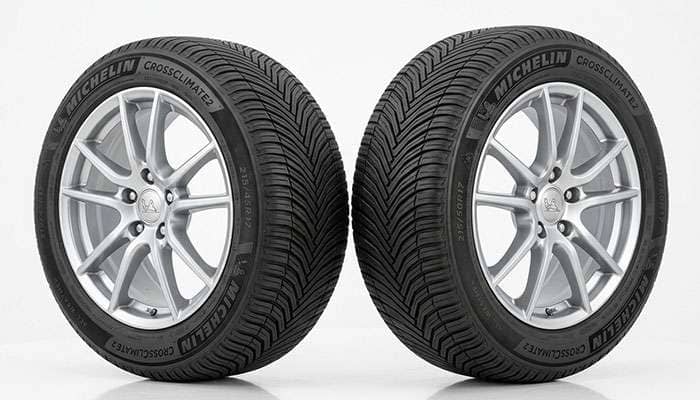
What that shorter sidewall changes in practice:
The full trade-off picture is covered in our guide to low profile tires pros and cons, and if the two-digit number itself is what you are trying to decode, tire aspect ratio decoded walks through the math.
On a 215-section tire at 17 inches, going from a 45 to a 50 aspect ratio adds 0.42 inches of sidewall on each side and 0.85 inches to the overall diameter.
Specification |
215/45R17 |
215/50R17 |
Difference |
|---|---|---|---|
Sidewall height |
3.81 in (96.75 mm) |
4.23 in (107.5 mm) |
+0.42 in per side |
Overall diameter |
24.62 in |
25.46 in |
+0.85 in (3.4 percent) |
Revolutions per mile |
818 |
793 |
25 fewer |
Speedometer effect |
Baseline |
Reads 3.4 percent slow |
62 mph actual at 60 indicated |
A 3.4 percent diameter change sits just outside the plus or minus 3 percent window most manufacturers treat as acceptable for a replacement size. In real terms that means your speedometer under-reports, your odometer accumulates miles slightly slower than reality, and on a modern car the ABS and stability control wheel-speed calculations are working from a slightly wrong assumption. It also means a taller tire that may or may not clear your strut housing at full lock. If you want the taller sidewall for ride comfort, verify clearance before you buy, and understand that you are choosing a substitute size rather than a direct swap. For the neighboring size in the same aspect ratio, see our breakdown of 225/45R17 in inches.
A 215/45R17 mounts on any 17-inch diameter wheel between 6.5 and 8.0 inches wide. The measuring rim, which is the width the tire was designed and dimensioned against, is 7.0 inches. The sweet spot for street use is 7.0 to 7.5 inches.
Rim width |
Fitment status |
What it does to the tire |
|---|---|---|
6.5 in |
Approved minimum |
Sidewall pulls inward, tread crowns slightly, softer turn-in and faster center wear. |
7.0 in |
Measuring rim |
Section width and tread profile match published specifications exactly. |
7.5 in |
Optimal for performance |
Sidewall stands more upright, sharper response, best compromise for spirited driving. |
8.0 in |
Approved maximum |
Tread stretched flat, quickest response, shoulder wear accelerates and rim exposure increases. |
Diameter is not the only constraint. Your wheel also has to match the vehicle's bolt pattern, hub bore and offset. Offset is the one people get wrong most often, because a wheel with the right bolt pattern can still put the tire into a strut or a fender lip. Our explainer on what putting the same size tire on different rim widths does covers the geometry in detail.
If you are shopping wheels alongside tires, start with 17x7.5 inch wheels and filter by your bolt pattern.
Brand quality in 17-inch sizes sorts into tiers that track engineering investment more than marketing spend. In the 215/45R17 size specifically, here is how the field lines up.
Tier |
Brands |
What defines the tier |
|---|---|---|
Premium |
Michelin, Continental, Bridgestone, Goodyear, Pirelli |
In-house compound research, motorsport programs, best wet braking, longest warranties. |
Strong mid tier |
Yokohama, Toyo, Hankook, Falken, Kumho, Nokian, General, Cooper |
Close to premium performance in most metrics at meaningfully lower cost. Nokian leads winter. |
Value |
Sumitomo, Kenda, Milestar, Nexen, Uniroyal, Laufenn, Kelly |
Often built by a larger parent on shared lines. Safe and warrantied, less refined. |
For a 45-series performance size, I weight wet braking and traction grade above everything else in this comparison. A short sidewall gives you a smaller margin for error when the road is wet, and the UTQG traction grade is the one piece of data on the sidewall that speaks directly to that.
Michelin holds the strongest overall reliability record across independent testing and consumer survey data, with Continental and Bridgestone close behind. Reliability here means three separate things, and they do not always move together: consistency of performance from tire to tire, compound durability over the full tread life, and freedom from manufacturing defects.
Michelin's advantage shows up mostly in the second category. Their tires tend to hold their wet and dry performance as they wear, where many competitors drop off sharply in the last third of tread life. In this size that is reflected in the numbers: the Defender2 carries an 840 treadwear grade with an 80,000-mile warranty, and the CrossClimate2 retains severe snow service certification at low tread depths where most all-seasons have long since lost it.
Reliability and value are different questions though. Hankook and Kumho both post excellent defect records at substantially lower prices, and for a commuter that sees mostly highway miles the practical difference is smaller than the price gap. Our full breakdown of the most reliable tire brand covers the survey and warranty-claim data in depth.
An under-rated or worn tire in this size does not announce itself. It degrades quietly, and each stage costs more than the last.
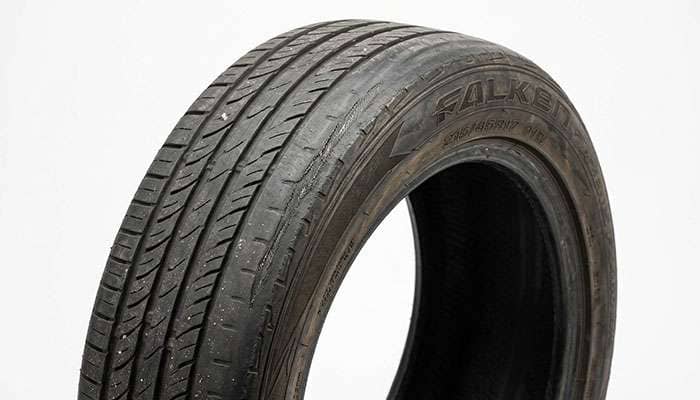
Weeks one through eight: heat and pressure loss you will not notice. A tire operating near its load ceiling runs hotter. Higher operating temperature accelerates the oxidation of the rubber compound and increases permeation loss through the casing, so the tire also loses pressure faster than a correctly rated one. You are now running slightly under-inflated on a tire already carrying too much, which compounds the heat problem.
Months two through six: shoulder wear and a wandering steering feel. The overloaded tire deflects more in corners, which drags the shoulder blocks across the pavement instead of rolling them. Shoulders wear ahead of the center. The car starts to feel vague on the highway and follows road crown more than it used to. Most owners blame the alignment at this point and pay for an alignment that does not fix anything.
Months six through twelve: wet performance collapses. Tread depth is the mechanism that clears water out from under the contact patch. A tire that started at 10/32 and is now at 4/32 because of accelerated shoulder wear has lost most of its water-evacuation volume. Hydroplaning speed drops sharply. On a 45-series tire with a narrow 215 contact patch, that threshold arrives earlier than it would on a wider or taller tire.
Beyond that: structural risk and collateral damage. Sustained overload works the belt edges and the sidewall turn-up, which is where separations start. Meanwhile the uneven wear pattern is feeding vibration into the wheel bearings and the suspension bushings, and a shorter sidewall transmits more of every pothole impact into the rim itself. Bent wheels, worn bushings and a set of tires replaced 20,000 miles early add up to considerably more than the price difference between an 87 and a 91.
The National Highway Traffic Safety Administration attributes a meaningful share of tire-related crashes to under-inflation and overload rather than to sudden failure of a sound tire. The tire is almost never the first thing to go wrong. It is the thing that was asked to do a job it was not rated for.
When you have your service description written down, filter the full 215/45R17 tire selection by load index and season, then compare within your qualifying set.
The question "what are the best tires for 215/45R17" has a different answer depending on a two-digit number most buyers never look at. Nearly half the cars wearing this size need an 87. Nearly four in ten need a 91. A list that names a single winner without telling you which one it is has answered a question you did not ask.
Start with the placard. Filter to the tires that meet your load index and speed rating. Then choose based on how you actually drive: the DWS06 Plus if you want one competent tire all year, the Pilot Sport All Season 4 if steering response is what you paid for the 17-inch wheels to get, the CrossClimate2 if winter is real where you live, the Kinergy PT or Defender2 if you want the most miles per dollar, and a dedicated summer and winter pair if you are willing to swap twice a year for the best of both.
If you are not sure which load index your car requires, or you want a second read on whether a substitute size will clear, call the shop. We do fitment work on this size every week.
For year-round driving, the Continental ExtremeContact DWS06 Plus in 91W XL at around $178 is the strongest all-around choice. For maximum grip, the Michelin Pilot Sport All Season 4 at 91Y. For real snow, the Michelin CrossClimate2. For longest life, the Michelin Defender2 in XL or the Hankook Kinergy PT H737 in SL. Confirm your door placard load index first, because that determines which of these you can legally fit.
Between $85 and $315 per tire. Budget options run $85 to $120, mid-tier all-seasons $120 to $175, premium tires $175 to $240, and max-performance or track compounds $240 to $315. Extra Load construction typically adds $10 to $25 over the Standard Load version of the same model.
About 1,480 vehicle configurations across 55 manufacturers. Common applications include the Honda Civic and Acura ILX and RSX, Toyota Corolla and Prius, Mazda3, Hyundai Elantra and Veloster, Kia Forte, Volkswagen Golf and Jetta, MINI Cooper, Subaru Impreza, Volvo S40 and C30, Lexus IS and CT, Scion tC, and front fitments on some BMW 3 Series applications. Toyota accounts for the largest single share at about 10 percent.
Yes. Any aspect ratio of 50 or below is considered low profile. On a 215-section tire, a 45 aspect ratio gives a sidewall height of 96.75 mm, or 3.81 inches. That produces sharper steering response, a firmer ride, and greater exposure of the wheel rim to pothole damage.
A 215/50R17 has 0.42 inches more sidewall per side and is 0.85 inches larger in overall diameter than a 215/45R17, a 3.4 percent increase. That puts your speedometer roughly 3.4 percent slow, so 60 indicated is about 62 actual. It also sits just outside the plus or minus 3 percent tolerance most manufacturers accept for a substitute size.
Any 17-inch wheel between 6.5 and 8.0 inches wide. The measuring rim for this size is 7.0 inches, and 7.0 to 7.5 inches is the practical sweet spot for street use. The wheel also has to match your vehicle's bolt pattern, hub bore and offset, so width alone does not confirm fitment.
No. An 87 is rated for 1,201 pounds and a 91 for 1,356 pounds, a shortfall of 155 pounds per corner. Replacement tires must meet or exceed the load index on the vehicle placard. Going the other direction is permitted: fitting a 91 XL where the placard calls for 87 adds capacity margin, though the stiffer casing rides firmer.
Michelin, Continental, Bridgestone, Goodyear and Pirelli lead the premium tier on wet braking and warranty terms. Yokohama, Toyo, Hankook, Falken, Kumho, Nokian, General and Cooper form a strong mid tier that delivers close performance for less. Sumitomo, Kenda, Milestar, Nexen, Uniroyal, Laufenn and Kelly cover the value tier. In a 45-series size, prioritize the UTQG traction grade over the brand name.