
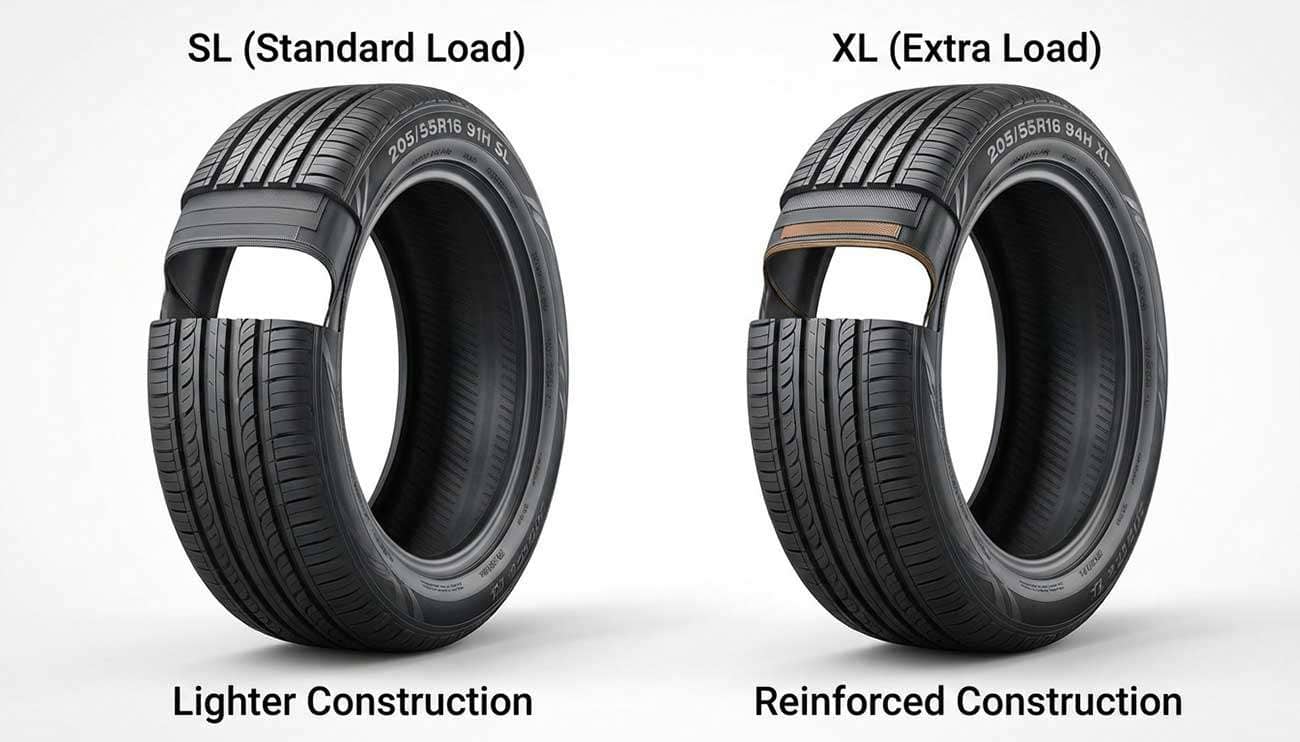
Those small letters stamped on your tire sidewall carry more weight than most drivers realize. When comparing sl vs xl tires, the difference between Standard Load (SL) and Extra Load (XL) designations directly affects your vehicle's performance, safety, and ride quality.
The core distinction between SL vs XL tires comes down to load-carrying capacity and maximum inflation pressure. Standard Load tires operate at a maximum pressure of 35 psi (or 36 psi according to some manufacturers), while Extra Load tires handle up to 41 psi. These numbers translate into real-world differences in ride comfort, fuel economy, and how much weight your tires can safely support. The sl vs xl tire load rating becomes critical when you consider that vehicles like the electric Ford F-150 Lightning weigh about 1,600 pounds more than their gas-powered counterparts.
Your vehicle type and driving habits determine which tire designation works best for your needs. Compact sedan drivers have different requirements than SUV owners who frequently haul cargo. Understanding the sl vs xl tire rating helps you select tires that match your vehicle's demands while optimizing performance and safety.
We'll explain what these designations actually mean, outline their key differences, and help you determine which type delivers the best performance for your specific vehicle and driving conditions.
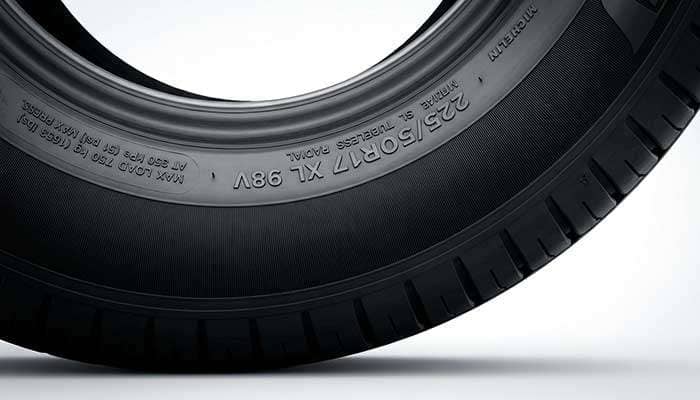
Your tire sidewall contains essential information about load capacity and construction. These markings determine how much weight your tires can safely carry and under what conditions.
SL stands for "Standard Load" and represents the most common tire type for passenger vehicles. These tires operate at a maximum load pressure of 35 psi and use standard construction without special reinforcement. SL tires can support the weight indicated by the load index on their sidewall without requiring additional structural support.
Most manufacturers either mark these tires with "SL" on the sidewall or leave them unmarked altogether. This designation indicates they're built for typical driving conditions and regular passenger car use, but they're not designed to handle exceptionally heavy loads or demanding driving scenarios.
XL tires feature "Extra Load" construction that sets them apart from standard options. These tires can safely handle inflation up to 41 psi, considerably more than SL tires. The key difference lies in their reinforced internal structure, which includes extra materials added during manufacturing, especially around the tire's shoulder area for enhanced strength.
This reinforced design minimizes tire deflection and provides better resistance to damage from road impacts. XL tires display clear sidewall markings such as "Extra Load," "XL," or "Reinforced" to identify their enhanced capabilities.
The primary distinction in SL vs XL tires comes down to pressure capacity and internal construction. XL tires handle higher pressures (41 psi vs 35 psi for SL), which directly translates to increased load-carrying capacity. This capability results from their reinforced sidewalls and stronger internal structure.
Never inflate SL tires beyond their rated pressure, as this can cause serious consequences including tire damage, accidents, and blowouts. SL tires do provide advantages in fuel efficiency thanks to their lighter construction.
The SL vs XL tire rating affects more than just load capacity. XL tires deliver superior durability and better resistance to mechanical damage, especially during intensive use or challenging road conditions.
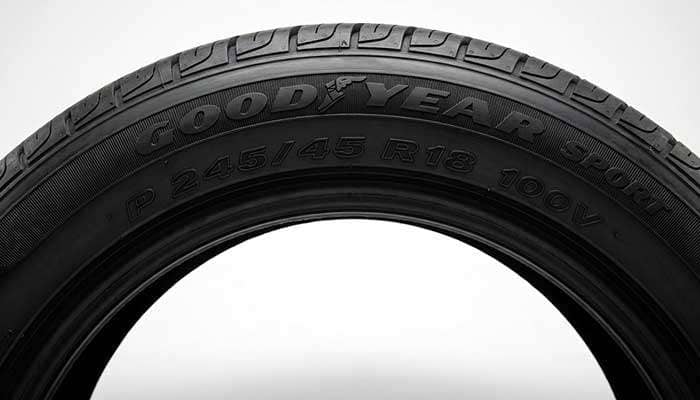
Knowing the specifications is just the beginning. The real differences between SL and XL tires show up when you're actually driving your vehicle.
Maximum inflation pressure creates the primary distinction in SL vs XL tire performance. SL tires reach their limit at 35 PSI, while XL tires safely handle up to 41 PSI. This higher pressure capacity translates directly into increased load-carrying ability. Never attempt to inflate SL tires beyond their rated capacity - doing so creates serious risks including blowouts and accidents.
SL tires deliver a smoother, quieter driving experience. XL tires provide a firmer ride due to their reinforced construction. You'll notice this difference most on rough roads and during city driving. Daily commuters who prioritize comfort often find SL tires more appealing for their everyday drives.
XL tires incorporate reinforced sidewalls and additional materials throughout their construction, particularly around the shoulder area. This enhanced construction provides superior resistance to mechanical damage and better performance under high-speed driving conditions. XL tires maintain their integrity over longer distances, even when subjected to intensive use.
SL tires offer better fuel economy thanks to their lighter construction. Reduced weight means less rolling resistance, which saves money at the gas station. XL tires sacrifice some fuel efficiency due to their heavier build, though the difference is typically modest.
Road noise levels favor SL tires, which operate more quietly than XL alternatives. XL tires compensate with enhanced stability and handling characteristics, especially when carrying heavy loads. This stability advantage becomes crucial during challenging driving conditions or towing situations.
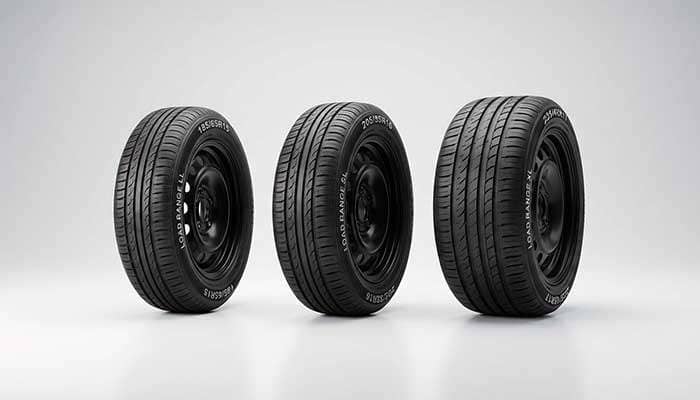
Selecting between tire types requires evaluating multiple factors that affect your daily driving experience. Here's what you can expect from each option in the sl vs xl tires comparison.
Pros:
Provides a smooth, quiet, and comfortable ride experience
Offers better fuel efficiency thanks to its lightweight construction
Typically more budget-friendly than XL alternatives
Creates a softer ride by effectively absorbing road imperfections
Cons:
Limited load capacity with maximum pressure of 35 psi
Shows less resistance to curb and pothole damage when stressed
Not suitable for vehicles with factory-specified extra load requirements
Lacks reinforced internal structure, reducing durability under stress
Pros:
Supports higher load-carrying capacity with maximum pressure of 41 psi
Features reinforced construction that better withstands road damage
Provides extended tread life, even under heavy use or towing conditions
Offers improved stability and control, especially when fully loaded
Cons:
Results in a somewhat stiffer ride compared to SL tires
Comes with a higher price tag
Slightly reduces fuel economy because of its heavier construction
May produce more road noise on certain surfaces
SL tires work best for drivers who value comfort and fuel savings in their daily routine. Sedans and hatchbacks that stick to regular passenger loads benefit most from this option. Urban drivers seeking the smoothest, quietest ride without regular heavy hauling needs will find SL tires deliver exactly what they want.
Choose XL tires when your vehicle regularly handles heavy cargo or passengers. Your owner's manual takes priority here – if it specifies XL tires, that's a safety requirement, not a recommendation. Performance vehicles need XL tires for their enhanced traction and stability during high-speed driving. The bottom line: when load capacity and durability matter more than ride comfort, XL tires are the clear winner.
Selecting the right tire depends on your vehicle's specific requirements and how you actually drive. The choice affects your safety, vehicle performance, and daily driving experience.
Start with your vehicle's owner's manual - this document specifies whether your vehicle requires XL tires. These specifications represent critical safety requirements, not suggestions. Many SUVs, trucks, and performance cars mandate XL tires to handle their weight and performance demands safely.
Your driving environment determines which tire type delivers optimal performance. City drivers who carry light loads typically find SL tires provide adequate performance with superior comfort. Regular towing or heavy cargo hauling makes XL tires practically mandatory. Highway drivers who value stability at higher speeds often prefer XL construction despite the firmer ride quality.
Match your tire selection to your vehicle and usage:
SUVs and trucks benefit from XL tires' enhanced load capacity
Performance vehicles need XL tires for improved traction and high-speed stability
Regular passenger cars used for commuting often perform best with SL tires
You can safely upgrade from SL to XL tires. The reinforced construction provides additional load capacity without changing tire size. Expect some changes in handling characteristics and ride comfort when switching to XL tires. Never replace XL tires with SL variants if your vehicle requires XL - this creates serious safety risks including potential blowouts under load or during high-speed driving.
Here's a quick reference guide that consolidates the key specifications and characteristics we've covered:
Feature |
SL (Standard Load) Tires |
XL (Extra Load) Tires |
|---|---|---|
Maximum PSI |
35 PSI |
41 PSI |
Construction |
Standard construction, no special reinforcement |
Reinforced internal structure, especially around shoulder area |
Ride Comfort |
Smoother, quieter ride |
Firmer ride |
Fuel Efficiency |
Better fuel economy due to lighter weight |
Slightly lower fuel efficiency due to heavier construction |
Durability |
Standard durability, less resistant to damage |
Superior resistance to mechanical damage |
Noise Level |
Quieter operation |
More road noise |
Price |
More budget-friendly |
Higher price tag |
Best Suited For |
- Daily commuting |
- Heavy cargo/passengers |
Stability |
Standard stability |
Enhanced stability, especially when fully loaded |
Internal Structure |
Basic construction |
Additional materials and reinforcement |
This reference chart helps you quickly compare the essential differences between tire types. Use it alongside your vehicle manual requirements and driving needs to make the right selection for your specific situation.
SL and XL tire selection comes down to matching your vehicle's requirements with your driving demands. Standard Load tires deliver the comfort and fuel economy that daily commuters need, while Extra Load tires provide the strength and capacity essential for heavier vehicles and demanding applications.
Your vehicle's owner manual settles the safety question definitively. When it specifies XL tires, that's a requirement, not a recommendation. You can upgrade from SL to XL tires without safety concerns, though expect a firmer ride quality.
Vehicle type provides clear guidance for most decisions. Performance cars, SUVs, and trucks benefit from XL tire construction and load capacity. Regular passenger cars used for commuting perform well with SL tires unless the manufacturer specifies otherwise. Frequent towing or heavy cargo hauling makes XL tires practically mandatory regardless of vehicle type.
Those sidewall markings determine how your tires handle weight, pressure, and road conditions. SL tires excel at comfort and efficiency for standard driving. XL tires deliver the durability and capacity needed for demanding applications. The right choice ensures your tires match your vehicle's needs while providing safe, reliable performance.
We've seen how tire designation affects everything from ride quality to load capacity. Choose based on your vehicle's specifications first, then consider your driving habits and performance priorities. Your tires connect your vehicle to the road – selecting the proper designation means driving with confidence in any condition.
Understanding the difference between SL and XL tires is crucial for vehicle safety, performance, and comfort optimization.
Check your vehicle manual first - If it specifies XL tires, this is a safety requirement, not a suggestion
SL tires offer comfort and efficiency - Maximum 35 PSI, quieter ride, better fuel economy, ideal for daily commuting
XL tires provide strength and capacity - Maximum 41 PSI, reinforced construction, handle heavy loads and towing better
You can upgrade SL to XL safely - But never downgrade from XL to SL if your vehicle requires extra load capacity
Consider your driving needs - City drivers prioritize comfort (SL), while heavy haulers need durability (XL)
The choice between SL and XL tires directly impacts your vehicle's load capacity, ride quality, and safety. While SL tires excel in everyday comfort and fuel efficiency, XL tires are essential for vehicles that carry heavy loads or require enhanced stability. Always prioritize your vehicle manufacturer's specifications over personal preferences to ensure optimal safety and performance.
SL (Standard Load) tires have a maximum pressure of 35 PSI, while XL (Extra Load) tires can handle up to 41 PSI. XL tires have reinforced construction, allowing them to carry heavier loads and provide better stability.
Choose XL tires if your vehicle frequently carries heavy cargo or passengers, if you often tow trailers, or if your vehicle's manual specifically requires them. They're also beneficial for SUVs, trucks, and performance vehicles that need enhanced stability and durability.
Yes, XL tires can slightly reduce fuel efficiency due to their heavier construction compared to SL tires. However, the impact is usually minimal, and the benefits of increased load capacity and durability often outweigh this small decrease in fuel economy.
Yes, you can safely upgrade from SL to XL tires without changing the tire size. This upgrade provides additional load capacity, but may slightly alter handling characteristics and ride comfort. However, never replace XL tires with SL if your vehicle specifically requires XL tires.
Check the tire's sidewall for markings. XL tires are typically marked with "Extra Load," "XL," or "Reinforced." SL tires may be marked with "SL" or have no specific load designation. You can also find this information in your vehicle's owner manual or by consulting with a tire professional.



