
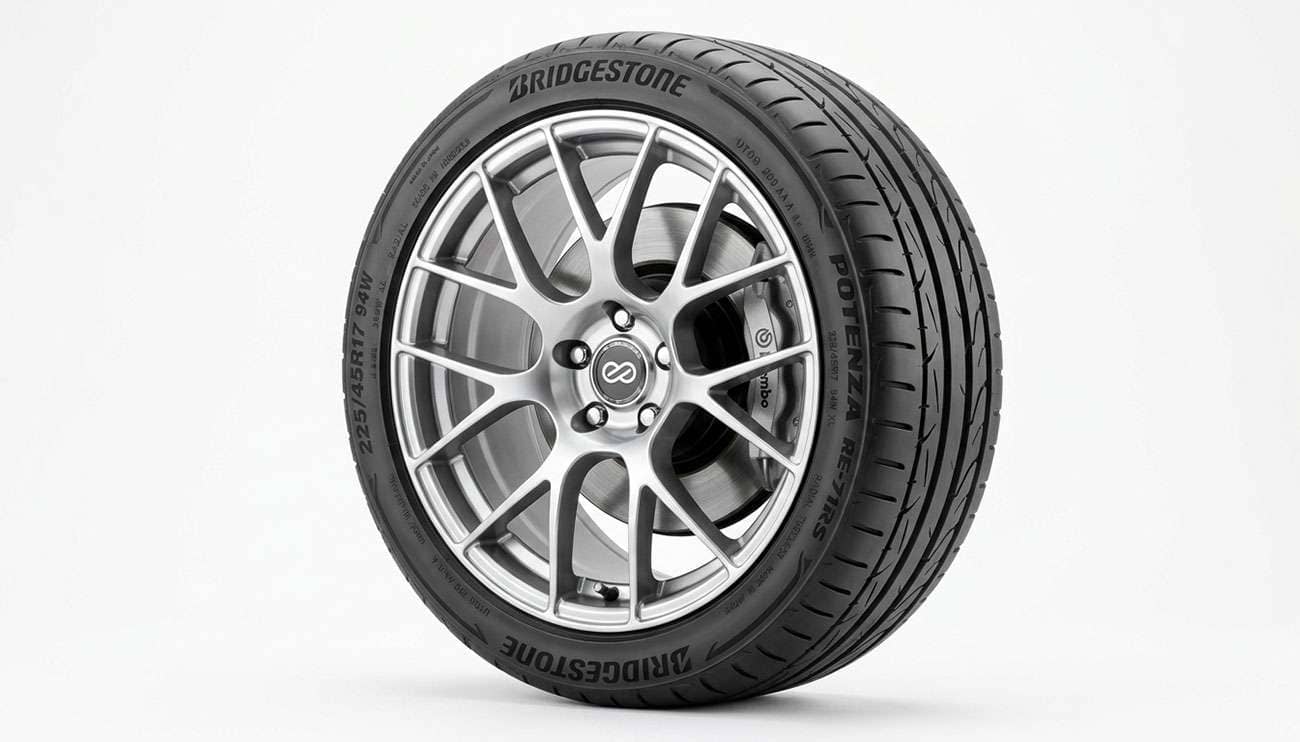
A 225/45R17 tire stands about 25 inches tall (24.97 inches, or 634 mm), measures roughly 8.9 inches wide (225 mm) across the tread, and rides on a sidewall right around 4 inches tall. It wraps a 17-inch wheel, turns 808 times per mile, and belongs on rims 7 to 8.5 inches wide. It is a low-profile, 45-series size, and you will find it on a whole lot of sport compacts, sporty sedans, and hot hatches.
I have been fitting tires at Performance Plus since long before low-profile rubber like this was standard issue on anything but a race car. Folks call the shop every week asking what their 225/45R17 actually measures, whether a fresh set is going to empty the wallet, and if they can bump up to something wider without throwing the speedometer off. So let me lay it all out the way I would across the counter, no hand-waving.
Here is the whole size broken down into inches and millimeters. These are the industry-standard figures. Real-world numbers wander a hair between brands and tread designs, but you can hang your hat on these.
Measurement |
Inches |
Millimeters |
|---|---|---|
Overall diameter (height) |
24.97 in (about 25 in) |
634 mm |
Section width (tread) |
8.86 in (about 8.9 in) |
225 mm |
Sidewall height |
3.99 in (about 4 in) |
101 mm |
Circumference |
78.4 in |
1992 mm |
Wheel (rim) diameter |
17 in |
432 mm |
Approved rim width |
7.0 to 8.5 in |
178 to 216 mm |
Revolutions per mile |
808 |
502 per km |
In flotation shorthand, the kind of code you see on trucks, a 225/45R17 works out to about a 25x8.9R17. Twenty-five inches tall, roughly nine inches wide, on a seventeen. Short and wide, exactly what you want under a car built to corner.
That string stamped on the sidewall is not random. Each piece tells you something, and once you can read it, you can read any tire on the rack. If you want the full rundown, we keep a plain-English guide to reading tire numbers, but here is the short version for this size.
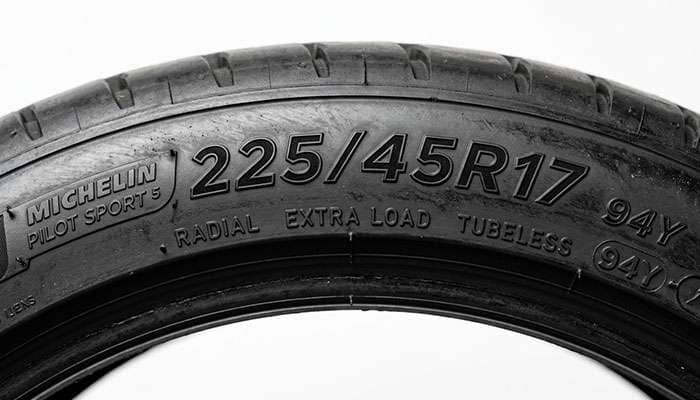
225 is the section width in millimeters, measured sidewall to sidewall. Divide by 25.4 and you get about 8.9 inches. 45 is the aspect ratio, which means the sidewall is 45 percent as tall as the tire is wide. Anything at 45 or below we call low-profile, and it is a big reason this size looks and drives sporty. If you want to go deeper on that middle number, we broke down the tire aspect ratio separately. R stands for radial construction, which is what everything on the road runs today. 17 is the wheel diameter in inches. That last number has to match your wheel exactly, no fudging it.
You will often see extra characters after the size, like 225/45R17 91Y or 94W. That is the load index and speed rating. It tells you how much weight the tire carries and how fast it is rated to run. Match or exceed what came on the car from the factory and you are in good shape.
This is one of the most common sport-compact and sporty-sedan sizes out there, which is exactly why folks keep asking about it. If your car came with a bit of an edge from the factory, there is a good chance it rolled out on a 225/45R17. Common fitments include:
Bottom line, if it is a fun-to-drive commuter car, check the door jamb. Odds are decent you are running this size. And because it is so common, you are never stuck for choices, everybody from the budget houses to the premium names builds a 225/45R17.
Here is the part people get wrong, so listen up. The right pressure does not come off the tire. The number molded into the sidewall is the maximum, not the target. The correct pressure comes from your vehicle, printed on the placard in the driver door jamb or in the owner manual. For most cars running a 225/45R17, that lands somewhere in the 32 to 35 psi range, but you set it to what the placard says, not what your buddy runs.
Low-profile tires like this one have less air volume and a shorter sidewall, so they are less forgiving of a low reading. Run them soft and you will chew up the shoulders, hurt your fuel economy, and risk pinching a sidewall on a nasty pothole. Check them cold, once a month, and before any long haul. We put together a quick walkthrough on how to find your recommended tire pressure if you cannot spot the placard.
The golden rule when you swap sizes is to stay within about 3 percent of your original overall diameter. Go bigger than that and your speedometer lies to you, and on modern cars you can upset the ABS and traction control too. Here is how the 225/45R17 stacks up against the sizes people ask about most.
Size |
Overall Diameter |
Difference vs 225/45R17 |
Notes |
|---|---|---|---|
225/45R17 |
25.0 in |
Baseline |
Your size |
235/45R17 |
25.3 in |
About +1.5% |
Safe swap, a touch wider and taller |
215/50R17 |
25.5 in |
About +2% |
Narrower, taller sidewall, softer ride |
205/55R16 |
24.9 in |
About -0.4% |
The plus-one partner on a 16-inch wheel |
225/65R17 |
28.5 in |
About +14% |
Not interchangeable, an SUV size |
Yes, in most cases you can. A 235/45R17 is 10 millimeters wider and only about 1.5 percent taller, which sits comfortably inside that 3 percent window. You get a slightly bigger contact patch and a meatier look. Just make sure your wheel width and fender clearance can handle the extra 10 millimeters before you commit. If you are curious about going a full step up, read our take on plus-sizing tires first.
These two are not cousins, they are strangers. Same 225 width and same 17-inch wheel, but that 65 aspect ratio makes the sidewall a lot taller. A 225/65R17 stands about 28.5 inches tall against your 25 inches, a difference of roughly 14 percent. That is way outside any safe-swap window. The tall one lives on crossovers and small SUVs, the short one on sporty cars. You cannot bounce between them. If you are shopping the taller size, we cover whether the 225/65R17 is a common tire size in its own article.
A 245 is wider. That first number is the section width in millimeters, so a 245 is 20 millimeters, or about eight-tenths of an inch, wider than a 225. Wider can mean more grip, but it is not free. You need the rim width and the clearance to run it, and you can pick up a little more road noise and a small hit to fuel economy. We laid out the trade-offs in our piece on the disadvantages of wider tires so you can decide with eyes open.
Because this size is everywhere, prices run the full ladder. A solid value tire starts around 90 dollars each. Mainstream all-season and touring tires land in the 120 to 180 dollar range. Flagship performance and all-weather tires climb to 250 dollars and up. What you pay comes down to the type of tire and the name on the sidewall, not the size itself. Here are a handful of honest picks from our shelves across that whole range.
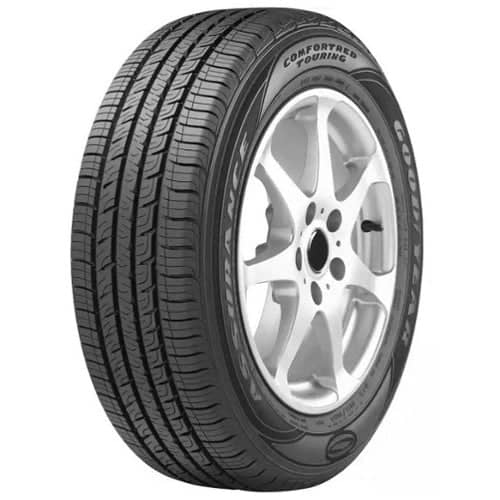
Goodyear Assurance ComforTred Touring (around 92 dollars). The comfort and value play. A quiet, smooth-riding all-season for the daily driver who is not chasing lap times.
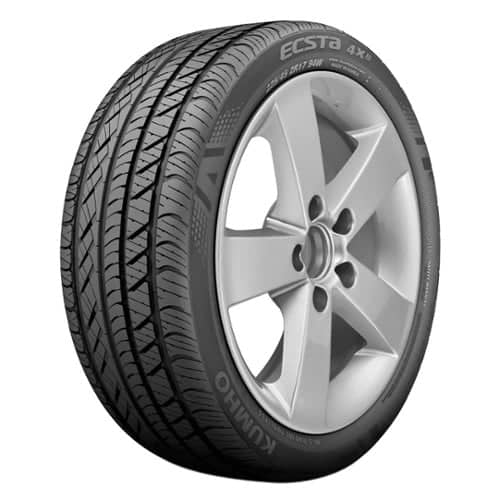
Kumho Ecsta 4X II KU22 (around 108 dollars). Cheap thrills done right. A summer ultra-high-performance tire with real grip for the money, perfect for a weekend GTI or Civic Si.
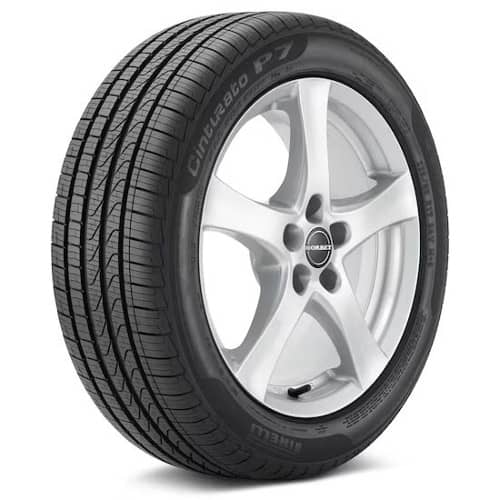
Pirelli Cinturato P7 All Season Plus 2 (around 179 dollars). A premium all-season that carries a real performance pedigree. Long-wearing, quiet, and confident in the wet.
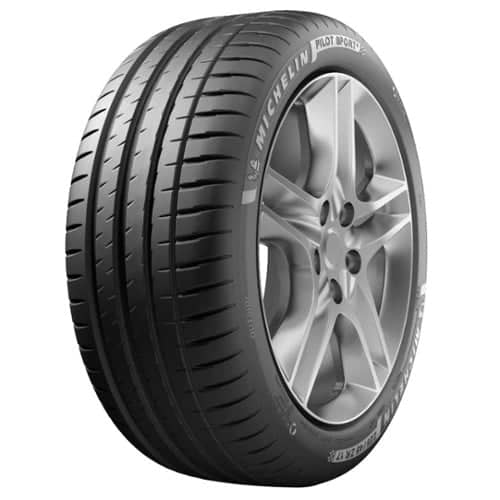
Michelin Pilot Sport 4 (around 211 dollars). The benchmark summer performance tire. If your car has any sporting intent and you want the best, this is where I point people.
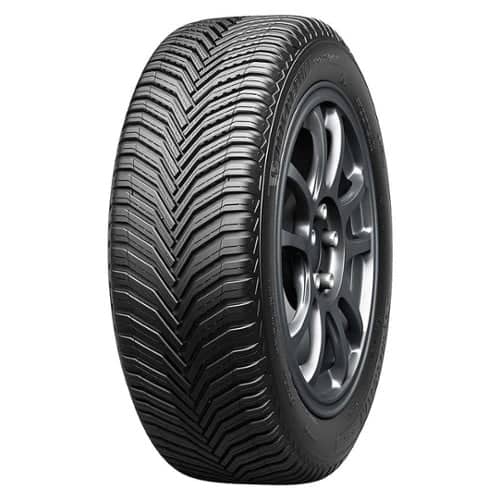
Michelin CrossClimate2 (around 244 dollars). The do-it-all choice. A true all-weather tire with the 3-peak mountain snowflake rating, so it handles light winter without swapping to a dedicated snow tire.
Want to see the full lineup and check prices for your car? Shop every 225/45R17 tire we carry here.
The 225/45R17 is one of those sizes that has earned its spot. Short sidewall, wide tread, quick steering, and a huge menu of tires to pick from at every price point. Now you know what it measures, what it fits, how to air it up, and what a set should run you. Get the pressure right, stay inside that 3 percent window if you ever swap sizes, and buy the best tire your budget allows, because a set this size is doing real work every time you turn the wheel. Any questions, that is what we are here for. Come see us at Performance Plus.
A 225/45R17 is about 25 inches tall (24.97 in), 8.9 inches wide (225 mm), with a 4-inch sidewall, mounted on a 17-inch wheel. Its circumference is 78.4 inches and it turns 808 times per mile.
225 is the tread width in millimeters, 45 is the aspect ratio (the sidewall is 45 percent of the width), R means radial construction, and 17 is the wheel diameter in inches. The 45 rating makes it a low-profile tire.
It is a common sport-compact and sporty-sedan size, found on cars like the Honda Civic Si, Volkswagen GTI and Jetta GLI, Mazda3, Audi A3, older BMW 3 Series, and Hyundai and Kia performance trims. Check your door-jamb placard to confirm.
Use the pressure printed on your vehicle door-jamb placard or owner manual, not the maximum stamped on the tire. For most cars in this size that is roughly 32 to 35 psi, checked cold.
Yes, in most cases. A 235/45R17 is 10 millimeters wider and only about 1.5 percent taller, which stays inside the safe 3 percent diameter window. Just confirm your wheel width and fender clearance can handle the extra width.
They share a width and wheel size but not much else. The 225/65R17 has a much taller sidewall and stands about 28.5 inches tall versus 25 inches, roughly 14 percent bigger. That is an SUV and crossover size and it is not interchangeable with the sporty 225/45R17.
A 245 is wider. The first number is the section width in millimeters, so a 245 is 20 millimeters (about 0.8 inch) wider than a 225. Wider can add grip but needs the right rim width and clearance and can add a little noise and rolling resistance.
Prices span from around 90 dollars each for a value tire to 250 dollars and up for flagship performance and all-weather models, with most mainstream options landing between 120 and 180 dollars.



