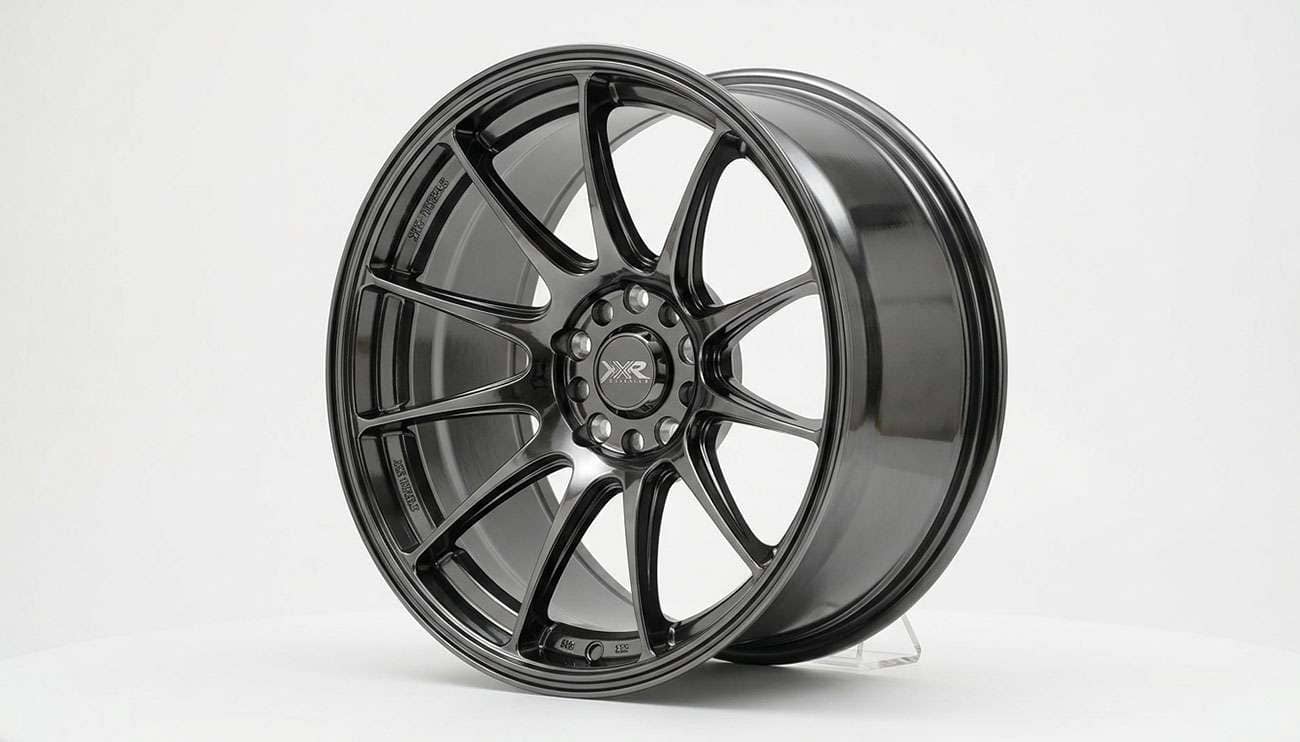
Ask in any tuner forum whether XXR wheels are worth running and you'll get a fistfight in the comments. They're arguably the most debated wheel brand in the aftermarket — loved for the price and the aggressive looks, doubted because nobody believes a wheel can cost this little and still be good. I deal in specifications, not opinions, so let's settle it the right way: by the numbers. Here's exactly how XXR wheels are built, how they fit, and which builds they belong on.
Yes — for the street, stance, daily-driven, and weekend-autocross builds they're designed for, XXR wheels are genuinely good. You get aggressive concave profiles, a deep catalog of sizes and offsets, bold finishes, and a manufacturing process that's measurably better than the budget-cast competition, all at a price that's frankly hard to argue with. The one thing I'll be straight about: they're cast, not flow-formed or forged, so they're not the wheel I'd spec for a dedicated time-attack car on R-compounds. Match the wheel to the mission and XXR delivers. I'll show you exactly where that line sits.
XXR was founded in 1976 and has been producing aluminum wheels since 1978 — that's nearly half a century in the business, which surprises people who assume it's a fly-by-night budget label. The company is based in Taiwan and runs four of its own manufacturing facilities, meaning XXR builds its own wheels rather than rebadging someone else's castings. That vertical control matters: it's why the catalog runs so deep across models, widths, offsets, and bolt patterns, and why supply and replacement availability stay consistent.
This is the part the forum arguments usually miss. XXR wheels are one-piece aluminum alloy, and they're produced using squeeze casting — also called press casting — not the gravity casting most cheap wheels rely on. The distinction is real engineering, not marketing. Squeeze casting forces molten aluminum into the mold under high pressure, which reduces porosity and produces a denser, stronger casting than the gravity-poured alternative. In plain terms: XXR uses a better casting method than the typical budget brand it gets lumped in with.
On top of that, XXR runs each design through an 18-point stress-test protocol — impact testing, aluminum composition checks, weather and corrosion testing, and more. Are these forged wheels? No. But within the cast category, the process puts them at the stronger end of the spectrum. If the cast-versus-everything-else question is new to you, my breakdown of cast versus flow-formed versus forged construction is worth reading before you buy any wheel.
A handful of XXR models carry the brand. The 527 is the icon — a deep-dish, aggressive-concave design that became the default stance wheel, available in fitments like 17x9.75 +25 and 18x9.75 +20. The 530 is the lightweight multi-spoke that's huge with JDM and Euro tuners. The 531, 521, 555, 565, and 570 round out a line that leans hard into concave faces and stepped lips. These are tuner wheels in the truest sense — designed for fitment, stance, and visual aggression on sport compacts.
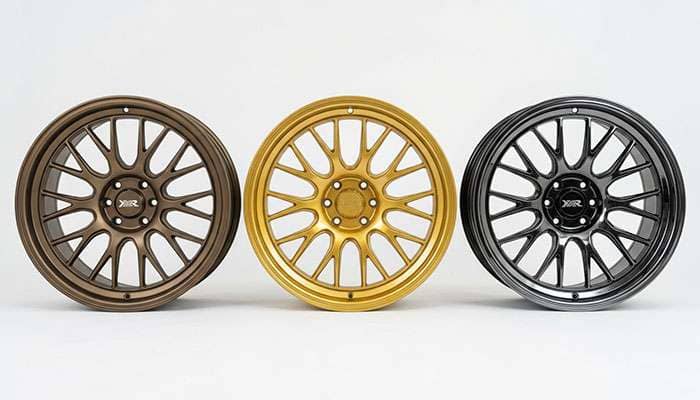
Finishes are a big part of the appeal: Chromium Black, Flat Black, Gold, Bronze, Candy Red, and Platinum are all in the mix. Bronze in particular has become a default on the scene — if you're wondering why, I've covered the rise of bronze wheels in detail.
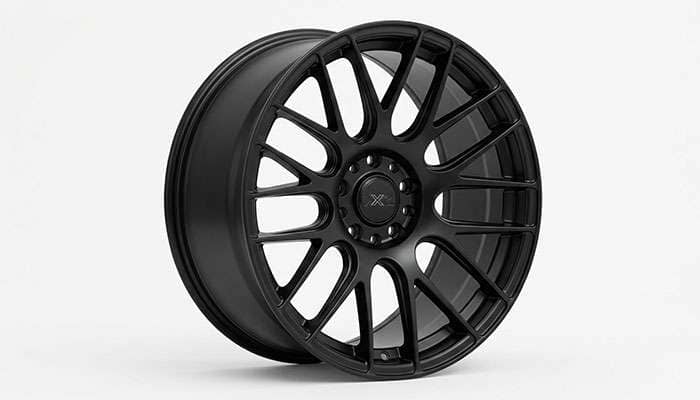
This is where XXR earns its reputation. The catalog spans 15 to 20 inches, with 18-inch being the volume size, and the offset range runs aggressive — that's the whole point. Many XXR models come in dual-drilled multi-lug patterns (5x100 and 5x114.3, for example), which is convenient if you're planning a future bolt-pattern swap, even if the extra holes bother some purists.
The platforms XXR is built around tell you the audience: Honda Civic, Subaru WRX, Nissan 350Z, and BMW E36/E46 chassis lead the list. Because the offsets and widths run aggressive, fitment homework is non-negotiable. On a wide, low-offset setup you may be looking at fender flares, a pull, or a roll to clear properly — that's true of any aggressive-fitment wheel, not an XXR flaw. Get your offset and backspacing right the first time; my guide to concave wheel clearance walks through the measurements that keep you out of trouble.
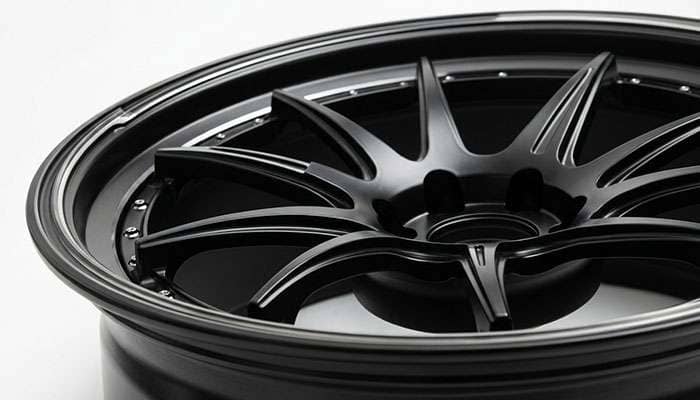
The data point that matters most: actual failures are rare. Dig through years of owner reports and you find people running XXR 527s and 530s as daily drivers, at autocross, and at drift practice — some for multiple seasons of hard use — without cracks or structural issues. They balance without excessive weight, and while they're heavier than a flow-formed or forged wheel, on a street car you won't feel the difference. The recurring verdict from enthusiasts is the same one I'd give: best bang for the buck in the segment.
Let me give you the precise use-case map, because this is the honest core of the answer.
Ideal for: street builds, stance and show setups, daily drivers, spirited driving, and occasional autocross or drift practice. For these missions, XXR is an easy recommendation — the looks, the fitment options, and the price are tough to beat.
Think harder if: you're building a dedicated track car that lives on R-compound tires and sees regular wheel-to-wheel sessions. Cast wheels are heavier and have a lower fatigue threshold than flow-formed or forged designs, so for that specific mission a flow-formed wheel from a brand like Konig or Kansei is the smarter spend. That's not XXR being bad — it's matching construction to load.
Here's how I lay out the cross-shop for a customer deciding between XXR and the usual flow-formed options in the same aesthetic lane.
Feature |
XXR |
Konig |
Kansei |
|---|---|---|---|
Construction |
One-piece squeeze cast |
Cast and flow-formed lines |
Flow-formed |
Relative weight |
Heavier (cast) |
Lighter on flow-formed models |
Lighter (flow-formed) |
Price position |
Lowest / best value |
Budget to mid |
Mid |
Best use |
Street, stance, daily, light track |
Street to regular track |
Street and track |
If your build leans drift or budget track, it's also worth comparing notes against the field in my roundup of the best drift wheels under $1,000 before you commit.
So — are XXR wheels any good? By the specifications, yes. A squeeze-cast, one-piece wheel that passes an 18-point stress protocol, comes in the deepest range of stance-friendly fitments in the segment, and costs a fraction of the premium designs it visually competes with is a genuinely strong value. The cast construction sets a clear ceiling — keep them off the dedicated R-compound track program — but for the street, stance, daily, and weekend-fun builds the overwhelming majority of buyers are actually building, XXR is one of the smartest dollars-per-look-and-fitment buys on the market. Spec them correctly and they deliver exactly what they promise.
Yes, for their price and intended use. XXR wheels are one-piece aluminum made with squeeze casting, which is stronger and denser than the gravity casting used on most budget wheels, and each design passes an 18-point stress-test protocol. They are excellent for street, stance, and daily-driven builds.
XXR's current lineup is one-piece squeeze-cast aluminum, not flow-formed or forged. Squeeze casting is a higher-quality casting method, but cast wheels are heavier and have a lower fatigue threshold than forged or flow-formed wheels, so they are best for street and light track use.
XXR wheels are made in Taiwan. The company was founded in 1976, began producing wheels in 1978, and operates four of its own manufacturing facilities, building all of its wheels in-house.
The XXR 527 is the brand's signature deep-dish concave design and the go-to stance wheel. The 530 multi-spoke is a favorite among JDM and Euro tuners, with the 531, 521, 555, 565, and 570 rounding out the aggressive-fitment lineup.
They handle occasional autocross and drift practice well, and many owners report years of hard use without issues. However, because they are cast, they are not the ideal choice for a dedicated track car on R-compound tires — a flow-formed or forged wheel is the better pick for that mission.
Building something that wears XXR well? Browse the full range of XXR wheels at Performance Plus Tire and dial in the size, offset, and finish your build needs.