
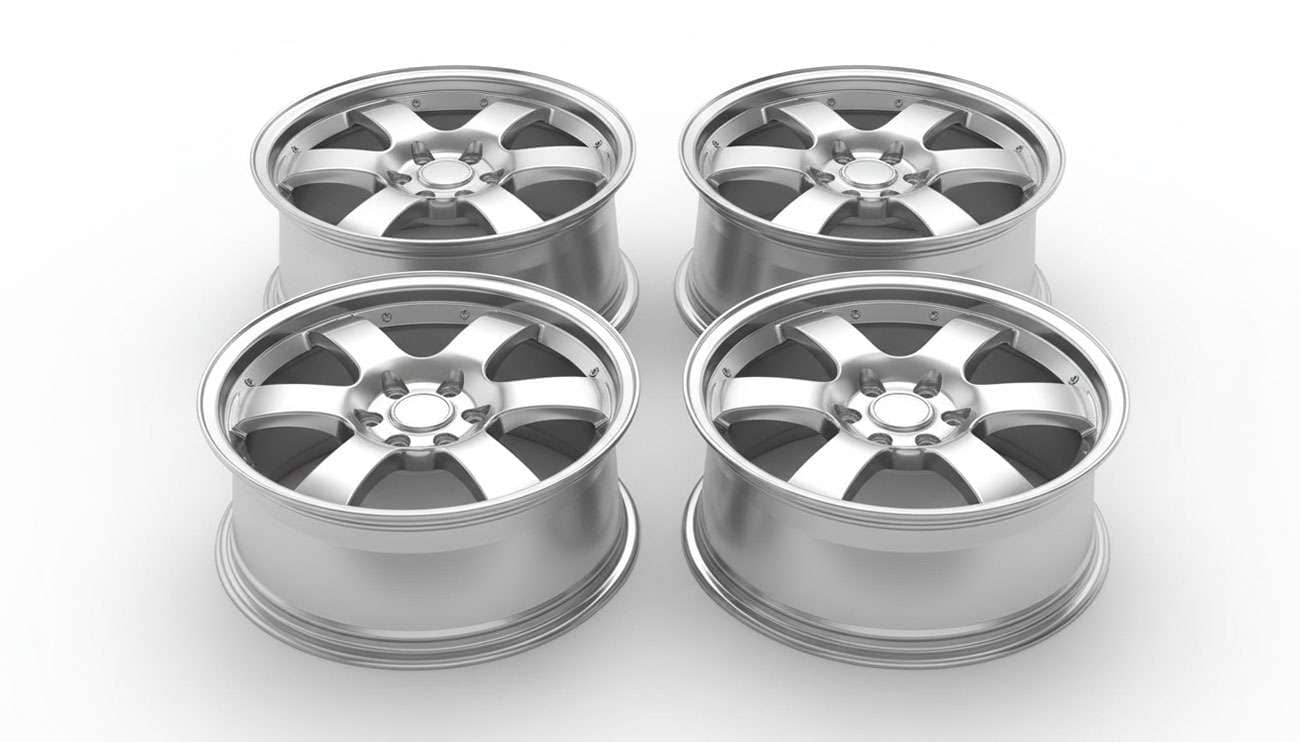
4x100 wheels represent one of the most popular bolt patterns for compact cars worldwide. This wheel configuration appears across numerous Honda models and features four bolt holes spaced exactly 100 millimeters apart. We carry an extensive selection of 4x100 wheels at the lowest prices, ensuring you'll find the perfect fit for your vehicle.
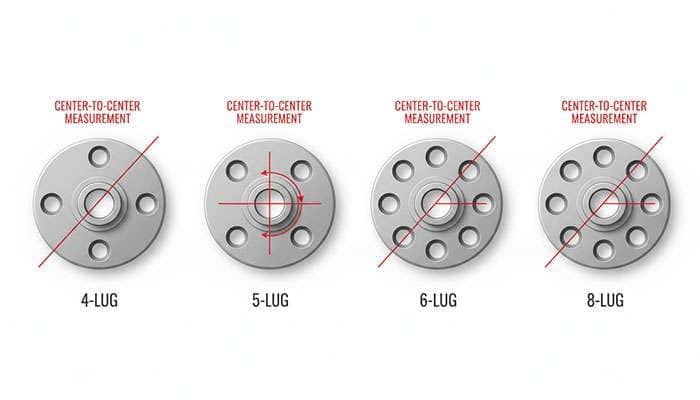
The 4x100 bolt pattern refers to the wheel's lug pattern, also known as the Pitch Circle Diameter (PCD). This specification combines the stud count (4) and the bolt circle measurement (100). Understanding this measurement is essential when upgrading your wheels or replacing factory options. The measurement is taken from the center of one lug hole to the outer edge of the opposite hole in the imaginary circle they form.
At Performance Plus Tire, we offer a huge selection and inventory of 4x100 wheels compatible with many popular vehicles. This versatile bolt pattern is common to numerous manufacturers including Abarth, Acura, Alpine, Aston Martin, Audi, BMW, and BMW Alpina. Honda vehicles with this configuration benefit from a wide range of aftermarket wheel options that we stock from all the top brands.
17-inch rims with a 4x100 pattern offer an excellent balance between ride comfort, performance, and style. These larger wheels allow for lower-profile tires, reducing sidewall flex and improving cornering response while filling out fender wells for a more aggressive stance. Our wheels are also available in a range of sizes to fit any budget and performance need.
This guide covers everything you need to know about 4x100 wheels, from understanding the bolt pattern to finding the perfect fit for your vehicle. We'll help you make the right choice for your ride.
Understanding wheel bolt patterns is crucial before making any wheel purchase. The 4x100 specification determines whether wheels will fit your vehicle safely and securely.
The 4x100 measurement describes two key aspects of your wheel's mounting system. The first number (4) tells you how many lug holes the wheel has. The second number (100) specifies the diameter in millimeters of the circle formed by these lug holes. This measurement system is known as the Pitch Circle Diameter (PCD) or lug pattern.
Measuring a 4x100 bolt pattern is straightforward. Simply measure from the center of one lug hole straight across to the center of the opposite hole. This distance must equal exactly 100mm for proper fitment. Precision matters here because even small variations prevent wheels from mounting correctly.
Car manufacturers choose specific bolt patterns based on vehicle weight, intended use, and structural requirements. Smaller, lighter vehicles typically use the 4x100 configuration because it provides sufficient strength for their weight class.
The bolt pattern must match your vehicle's hub pattern exactly. There's no flexibility here - it either fits or it doesn't. A mismatched pattern causes the wheel to sit off-center, creating excessive vibration while driving. This misalignment leads to premature bearing wear, handling problems, and potentially dangerous driving conditions.
Unlike wheel width or offset, bolt patterns cannot be modified without using adapter spacers. While adapters exist, they create additional failure points and often change the wheel's offset, affecting your vehicle's handling characteristics.
Think of the 4x100 bolt pattern as the primary compatibility key. This specification must be correct before considering other factors like wheel width, offset, or style preferences.
Various 4-lug patterns exist with important differences. The 4x100mm pattern appears on compact and subcompact cars where four lugs provide adequate strength. However, the 4x108mm pattern (sometimes called 4x4.25") is found on vehicles like the Pinto, Mustang II, and some Fox body Mustangs.
These differences matter more than you might think. The imperial measurement of 4 inches equals 101.6mm, which differs from the 100mm pattern by 1.6mm. Despite seeming minor, wheels with incorrect patterns won't fit properly on your vehicle's studs.
Other common 4-lug patterns include:
4x114.3mm (4x4.5") found on some Japanese vehicles
4x98mm used on certain Italian cars
4x108mm (4x4.25") common on some European models
Wheels with very close patterns (like 4x98mm and 4x100mm) might physically fit on the studs, but we don't recommend this practice without proper hub-centric rings and professional installation. The bolt pattern remains critical to safety and performance regardless of how small the differences appear.
Understanding the 4x100 wheel specification ensures you'll select wheels that mount securely and perform safely on your vehicle. Get the fitment right, and everything else follows.
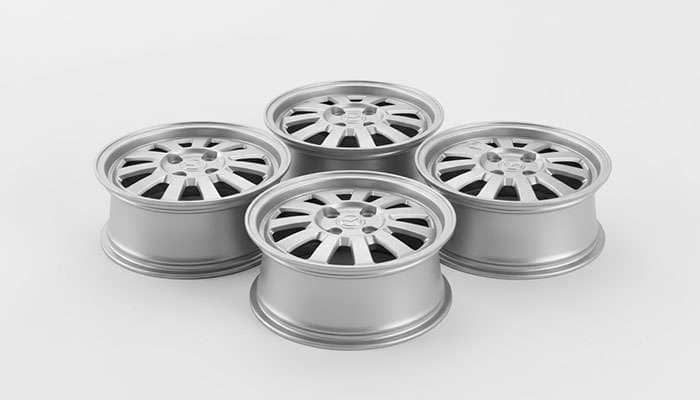
The 4x100 wheel configuration has been a favorite among compact and lightweight vehicles for decades. This bolt pattern appears across numerous popular models from major manufacturers, making it one of the most common patterns for smaller cars worldwide.
Honda made the 4x100 bolt pattern a signature feature across their lineup from the 1980s through the 1990s. The Honda Civic models from 1980-1996 featured this pattern, typically with 13 x 5 inch wheels and 12mm x 1.5 thread pitch. Civic EX models from 1989 onward came equipped with slightly larger 14 x 5 inch wheels while maintaining the same bolt pattern.
The sporty Honda CRX (1986-1991) and CRX SI were designed with 4x100 wheels, with the SI variant featuring 14 x 6 inch wheels. Prelude models from 1980-1991 shared this configuration, typically with 13 x 5.5 inch wheels. All these Honda models share the same 56.1mm center bore, which is important to consider when selecting aftermarket wheels.
The iconic Mazda Miata (MX-5) has consistently used the 4x100 bolt pattern since its introduction in 1990. Factory Miatas typically came with 14 x 6 inch wheels and utilize 12mm x 1.5 thread pitch lug bolts. The center bore on Miata wheels measures 54.1mm, which differs from Honda's 56.1mm measurement.
Mazda has maintained this pattern even in modern Miatas. As one source states, "Remember the glory days when small cars used 4x100 lug patterns? So does Mazda. They decided to keep it at 4x100".
Mini Cooper models (Gen 1 and Gen 2) from 2001-2014 also feature the 4x100 bolt pattern. These vehicles have a 56.1mm hub bore size, with various wheel size options ranging from 16 to 17 inches. The Gen 1 MINI Coopers (2002-2006 Hatchback and 2005-2008 Convertible) feature a unique tire pressure monitoring system that doesn't require sensors within the wheels.
Many other manufacturers have adopted the 4x100 configuration:
BMW: Early models (1980-1984) featured the pattern, often with the coveted "basketweave" style 13 x 6 inch wheels
Volkswagen: Many VW models share this pattern with a 57.1mm center bore, which is the same as used on Opels
Toyota: Several compact models utilized this configuration, with stock 14" wheels that fit perfectly on some Suzuki vehicles
Scion: The 2004 Scion xB came with 4x100 steel wheels that are compatible with other Japanese vehicles
Older vehicles like the Chevette also utilized the 4x100 bolt pattern, showing how this configuration has persisted across different eras and manufacturers. For automotive enthusiasts seeking wheel options, the widespread use of this pattern offers excellent flexibility for upgrades and customization.
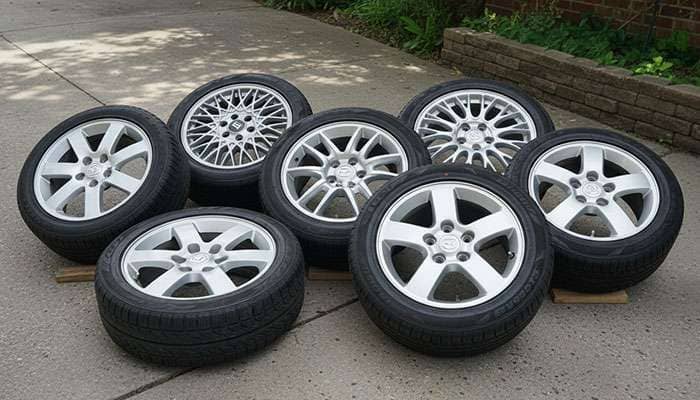
Choosing between OEM and aftermarket 4x100 wheels represents a significant decision that impacts both performance and style. Understanding the differences helps ensure you select wheels that best suit your driving needs and budget.
Original Equipment Manufacturer (OEM) wheels come directly from your vehicle's factory and are designed specifically for your make and model. OEM wheels undergo strict quality control procedures, including x-ray inspections and pressurized immersion tests. This rigorous testing ensures reliability and balanced performance for typical driving conditions.
The primary advantages of OEM 4x100 wheels include guaranteed fitment and compatibility with your vehicle's suspension and braking systems. These wheels maintain your vehicle's original performance characteristics as they were engineered specifically for your car. OEM wheels typically come in two materials: steel for base models and trucks, or aluminum alloy for higher trim levels.
OEM wheels often command premium prices due to their direct manufacturer connection. They frequently offer limited style options and may not provide specialized performance for extreme driving conditions. If you're purchasing a used vehicle, the OEM wheels will likely be the same age as the car itself.
Aftermarket 4x100 wheels offer considerable benefits for those seeking customization or performance improvements. Premium aftermarket wheels deliver significant weight reductions—flow-formed wheels are 15-25% lighter than cast alternatives, while fully forged aftermarket wheels are 25-30% lighter than comparable cast options.
This weight reduction creates direct performance gains. Standard cast OEM wheels on typical passenger vehicles weigh approximately 28 pounds each, whereas premium flow-formed aftermarket alternatives weigh only 18 pounds. Lighter wheels improve acceleration, handling, and fuel efficiency.
We offer aftermarket wheels with incredible pricing flexibility—from budget options under $100 per wheel to premium forged wheels over $1000 each. This range allows owners of 4x100 compatible vehicles to find options matching their budget constraints.
Warranty coverage differs between wheel types. OEM wheels typically include protection under your vehicle's factory warranty. Aftermarket wheels offer varied coverage—some provide limited 1-year warranties while premium manufacturers extend lifetime structural guarantees.
Standard insurance policies usually cover OEM replacements automatically, whereas aftermarket wheels might require additional documentation or premium adjustments.
OEM wheels generally maintain stronger value retention when selling to mainstream buyers who prefer original configurations. High-quality aftermarket wheels can attract enthusiast buyers willing to pay extra for these upgrades, particularly if they come from respected manufacturers.
If you choose aftermarket wheels that are OEM replicas—designed to perfectly match factory wheels—you'll maintain much of the resale appeal while potentially saving money. At Performance Plus Tire, our knowledgeable staff can guide you through the selection process to find the perfect balance of performance, style, and value for your vehicle.

Selecting the right 4x100 wheels requires understanding several key specifications beyond just the bolt pattern. Getting these factors right ensures both proper fit and optimal performance for your vehicle.
4x100 wheel diameters typically range from 14 to 17 inches, offering different balances between ride quality and performance. 15-inch wheels work well for daily driving as they provide excellent handling with adequate sidewall protection. Performance enthusiasts often choose 16 and 17-inch options for sharper steering response, though these deliver reduced comfort due to shorter sidewalls.
The size you choose depends on your priorities. Smaller diameters offer more sidewall cushion and lower cost, while larger diameters provide improved handling and a more aggressive appearance.
Wheel offset (ET) affects both fitment and performance. This measurement shows how far your wheel's mounting surface sits from the centerline. Higher offsets push wheels closer to your chassis, while lower offsets create a wider stance.
Center bore compatibility matters just as much. Honda vehicles typically require 56.1mm, while Toyota/Scion models need 54.1mm. Most aftermarket wheels feature larger center bores and require hub-centric rings for proper fitment. Without proper center bore matching, you may experience vibration and premature wear.
When selecting tires, keep the overall diameter within 2% of your original specifications to prevent drivetrain stress. A 17x9 wheel might pair well with a lower-profile tire to maintain proper clearance.
Watch out for excessively wide tires that may rub against suspension components or fenders, especially on lowered vehicles. Check clearance at full lock and compression before making your final decision.
To verify a 4x100 bolt pattern, measure straight across between opposite lug holes – the distance should equal exactly 100mm. This translates to approximately 3.94 inches. Always double-check both bolt pattern and hub bore when choosing wheels for your vehicle.
Look for markings on the wheel's back side that typically show the bolt pattern, offset, and other specifications.
Get the best deal on 4x100 wheels to ensure perfect fitment for your vehicle without compromising performance or safety.
We carry the best selection of aftermarket 4x100 wheels from all the top brands at the lowest prices. The aftermarket wheel market offers exceptional options across various price points, making it easy to find quality wheels that fit your budget and performance needs.
Enkei wheels utilize MAT (Most Advanced Technology) flow-forming technology that reduces wheel weight by 10-15% while maintaining strength. Their RPF1 model, developed with Formula One racing technology, features twin spokes that distribute stress during aggressive driving. This makes them perfect for enthusiasts who want both performance and reliability.
BBS focuses on championship-winning wheels with their Exclusive Forged Line and Design Line offerings. Their innovative Unlimited wheel system provides versatile fitment options through a precision hub adapter system. We stock these premium options for customers seeking the ultimate in wheel performance.
Konig stands out in the budget-friendly segment with models like the Dekagram available in various finishes including semi-matte black and gloss bronze. Their Control model combines sleek design with durability, offering sizes from 15" to 18".
XXR and Rota provide cost-effective alternatives without compromising quality. These brands are popular among enthusiasts seeking value, and we offer them at discount prices to make performance wheels accessible to every budget.
Volk Racing produces some of the most prestigious wheels available. Their TE37 model, constructed from 100% aluminum (compared to others' 80%), undergoes a special forging process creating lighter, stronger wheels. The TE37 Sonic specifically caters to compact cars with 4x100 bolt patterns.
OZ Racing rounds out our premium selection with Italian-engineered excellence. These wheels deliver both style and performance for those who demand the best.
At Performance Plus Tire, we offer all these trusted aftermarket brands that balance performance, style, and durability. Our huge selection ensures you'll find the perfect 4x100 wheels at prices that won't break the bank.
4x100 wheels offer excellent upgrade opportunities for compact car owners seeking better performance and style. This popular bolt pattern appears on Honda Civics, Mazda Miatas, Mini Coopers, and many other vehicles, creating a huge selection of aftermarket options.
The 4x100 measurement refers to four lug holes positioned in a 100mm circle. This specification must match exactly for safe wheel mounting - even small variations can create dangerous driving conditions.
When shopping for 4x100 wheels, consider key factors beyond the bolt pattern. Wheel offset, center bore compatibility, and proper tire sizing all affect fitment and performance. Most 4x100 applications work best with 14 to 17-inch wheel diameters, balancing ride comfort with handling response.
We carry the best selection of 4x100 wheels from top brands at the lowest prices. Whether you need budget-friendly options from Konig and XXR or premium wheels from Volk Racing and BBS, our huge inventory has something for every vehicle and budget.
Ready to upgrade your ride? Our expert team can help you find the perfect 4x100 wheels that deliver both style and performance. We offer financing options to make your wheel upgrade more affordable, so you can get the look you want without breaking the bank.
Visit Performance Plus Tire today and discover why we're the go-to source for 4x100 wheels and tires. Your perfect wheel setup is waiting.
Understanding 4x100 wheels is essential for compact car owners looking to upgrade or replace their wheels safely and effectively.
• 4x100 refers to four lug holes spaced 100mm apart - this bolt pattern must match exactly for safe wheel mounting on your vehicle.
• Popular on Honda Civics, Mazda Miatas, and Mini Coopers - this common pattern offers extensive aftermarket wheel options across multiple manufacturers.
• Aftermarket wheels can reduce weight by 25-30% - premium forged options significantly improve acceleration, handling, and fuel efficiency over OEM wheels.
• Check offset, center bore, and tire sizing beyond bolt pattern - proper fitment requires matching multiple specifications to avoid rubbing and performance issues.
• Wheel brands range from budget-friendly to premium - options span from affordable Konig and XXR to high-end Volk Racing and BBS for every budget.
The 4x100 bolt pattern's widespread adoption across compact vehicles creates an excellent ecosystem for wheel upgrades, whether you prioritize performance, aesthetics, or value.
4x100 wheels are commonly found on compact cars like Honda Civic (1980-1996), Mazda Miata (all generations), and Mini Cooper (2001-2014). They're also used on various models from BMW, Volkswagen, Toyota, and other manufacturers of compact and subcompact vehicles.
To ensure wheel compatibility, check the bolt pattern, offset (ET), center bore, and wheel width range for your specific vehicle model. The bolt pattern must match exactly, while the offset and width should fall within the recommended range. Always verify the center bore or use hub-centric rings for proper fitment.
Aftermarket 4x100 wheels often offer weight reduction, improved performance, and a wider range of styles and sizes. Premium aftermarket wheels can be up to 30% lighter than OEM alternatives, enhancing acceleration, handling, and fuel efficiency. They also provide more customization options to suit individual preferences and budgets.
When selecting tires for 4x100 wheels, aim to maintain an overall diameter within 2% of your original specifications. The ideal tire size depends on the wheel's width and diameter. For example, a 17x9 wheel might require a lower-profile tire to ensure proper clearance. Always consult a tire size calculator or professional to avoid fitment issues.
Yes, upgrading to lighter 4x100 wheels can significantly improve vehicle performance. Reduced unsprung weight leads to better acceleration, more responsive handling, and improved fuel efficiency. For instance, switching from 28-pound OEM wheels to 18-pound aftermarket alternatives can noticeably enhance overall driving dynamics and responsiveness.



