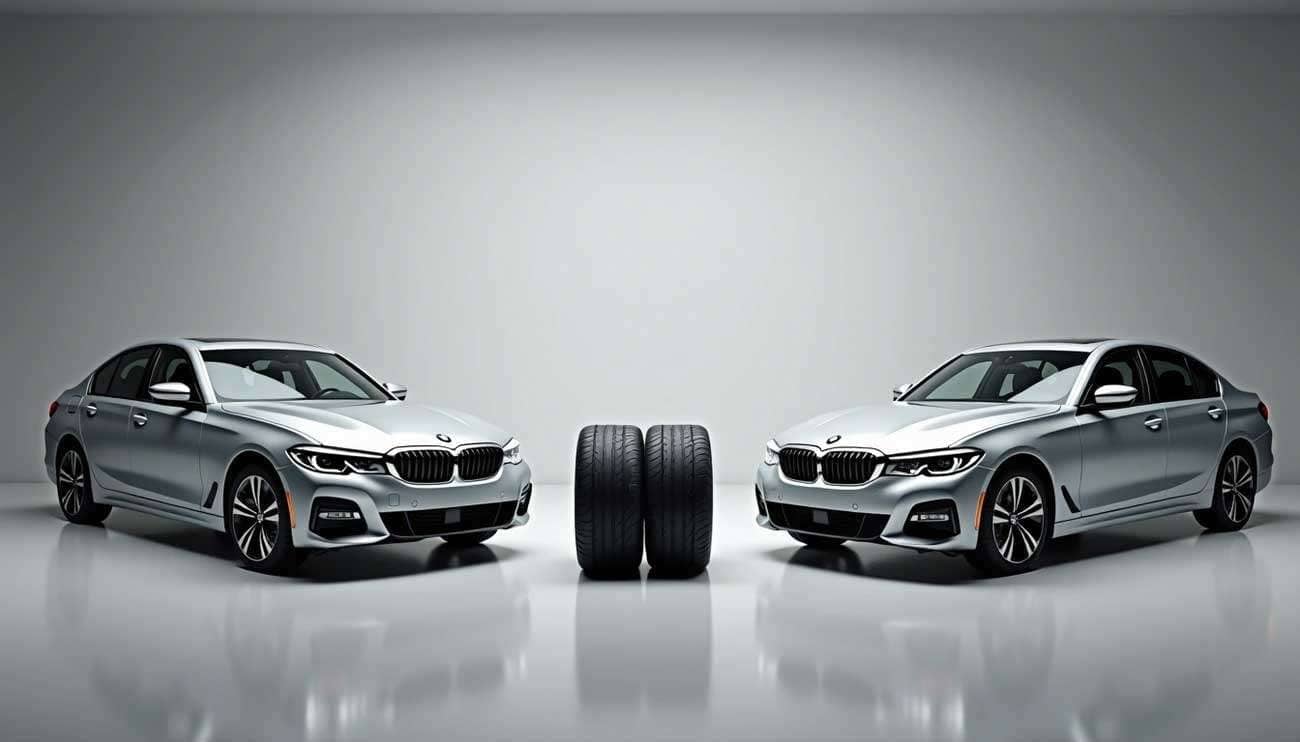
When it comes to selecting the right wheel size, most drivers make their decision based on appearance alone. This approach can be costly. The real numbers tell a different story – 17 inch wheels vs 19 inch wheels create a massive gap in long-term ownership costs that many vehicle owners never consider.
We've analyzed the actual cost data, and the difference is substantial. 17-inch tires cost approximately 1.19 cents per mile compared to 19-inch tires at 2.2 cents per mile – making larger wheels nearly twice as expensive over time. This isn't just about initial price. Over 300,000 miles, you're looking at around $3,576 for 17-inch tires versus seven replacement cycles instead of four for 19-inch options.
Understanding wheel size differences is important before making a purchase. 17-inch rims offer better fuel economy due to their lighter weight and lower rolling resistance. The taller sidewalls provide superior ride comfort by absorbing road imperfections more effectively. 19-inch rims deliver that aggressive, sporty appearance many drivers want, plus improved brake clearance for performance vehicles.
We know these decisions aren't simple. Performance, comfort, style, and budget all factor into finding the right wheels for your vehicle. Our guide breaks down each consideration so you can make an informed choice that matches your driving needs and budget.
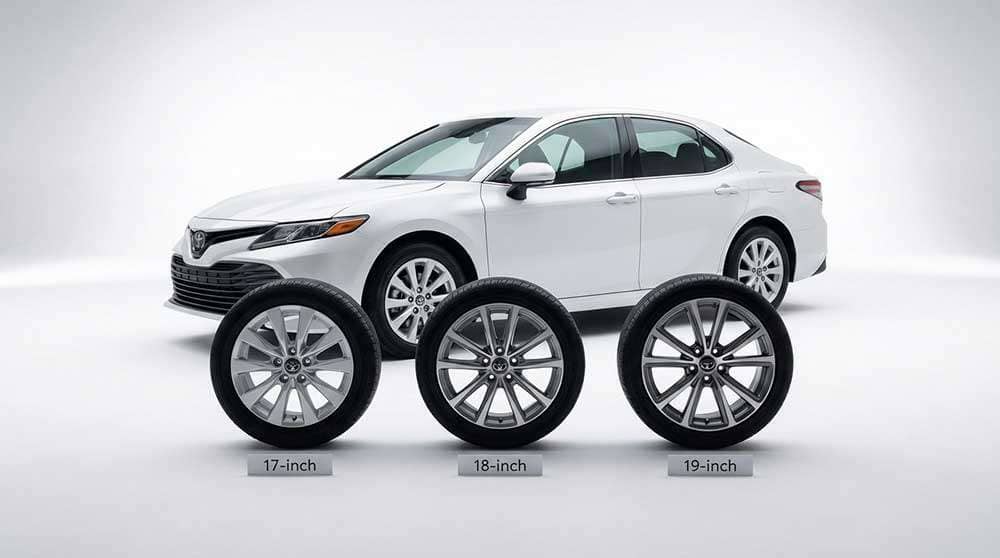
The performance gap between wheel sizes becomes clear once you get behind the wheel. Testing at professional facilities reveals measurable differences that directly impact your driving experience across various road conditions.
Professional testing at Goodyear's facility shows 19-inch tires deliver faster lap times in dry conditions. The performance advantage isn't subtle – 19-inch setups finished over a second quicker than 17-inch configurations.
The difference comes down to construction and contact. 19-inch tires offer significantly sharper turn-in response and enhanced mid-corner stability. Drivers can hit apex points consistently with greater precision. 17-inch tires feel softer and less direct through corners, though this characteristic has its own benefits in certain situations.
Wet roads tell a completely different story. 17-inch wheel configurations outperform their larger counterparts in [wet handling tests], finishing faster by approximately half a second. The reason lies in tire construction – additional sidewall height allows more tread pattern movement, opening water channels wider for superior grip.
Drivers report 17-inch setups feel remarkably planted and predictable on wet surfaces. Meanwhile, 18 and 19-inch wheels exhibit nervousness and quicker grip loss when conditions turn slippery. This wet-weather advantage makes 17-inch wheels particularly valuable for all-season driving.
Precision-focused drivers will appreciate what 19-inch wheels offer. Reduced sidewall flex creates more immediate [steering response] and crisper turn-in characteristics. The connection between driver input and vehicle behavior becomes more direct, especially noticeable during spirited driving.
17-inch wheels maintain their own advantages. Additional sidewall compliance absorbs road imperfections that might otherwise upset the car during cornering. This proves valuable on imperfect surfaces where stability matters more than absolute sharpness.
19-inch wheels provide superior brake caliper clearance. This extra space accommodates larger brake components for potentially upgraded stopping power. However, actual braking distance tests show minimal differences – less than 1% separated wheel sizes in straight-line stops.
The weight penalty of larger wheels can work against braking performance. Heavier 19-inch setups require earlier braking points and increased pedal pressure. This becomes particularly noticeable during aggressive driving with frequent deceleration zones.
The sidewall height difference between 17 inch wheels vs 19 inch wheels affects more than just appearance. Your daily driving comfort depends on these differences, and many drivers discover this only after making the switch.
Your vehicle's sidewall acts as the first defense against road imperfections. 17 inch wheels allow for taller sidewalls that function as natural shock absorbers, providing noticeably better cushioning. When you hit potholes or pavement breaks, 17 inch configurations with larger sidewalls absorb impacts that would likely damage 19 inch rims.
The difference is real. Owners who switched from 19 inch to 17 inch wheels report their vehicles suddenly felt like "all roads got smoother". This isn't subjective – the additional sidewall material literally cushions your ride.
Noise differences between wheel sizes can surprise you. Controlled testing shows 18 inch tires measured a full decibel quieter than 17 inch options. However, several owners reported 17 inch setups as noticeably quieter.
This apparent contradiction stems from frequency characteristics. 19 inch wheels often transmit higher-frequency vibrations that penetrate cabin insulation differently. Some drivers found 19 inch wheels created "lots more road noise" immediately after upgrading. The type of noise matters as much as the volume level.
City driving highlights these comfort differences most dramatically. The "thumping" sensation over road joints is markedly reduced with 17 inch wheels. Highway driving reveals different acoustic patterns – 19 inch wheels create more resonance at higher speeds.
Several luxury vehicle owners reported switching from factory 19 inch wheels back to 17 inch specifically for noise reduction. One noted the ride became "not only smoother but quieter". For daily commuting, this comfort difference can be the deciding factor in your wheel choice.
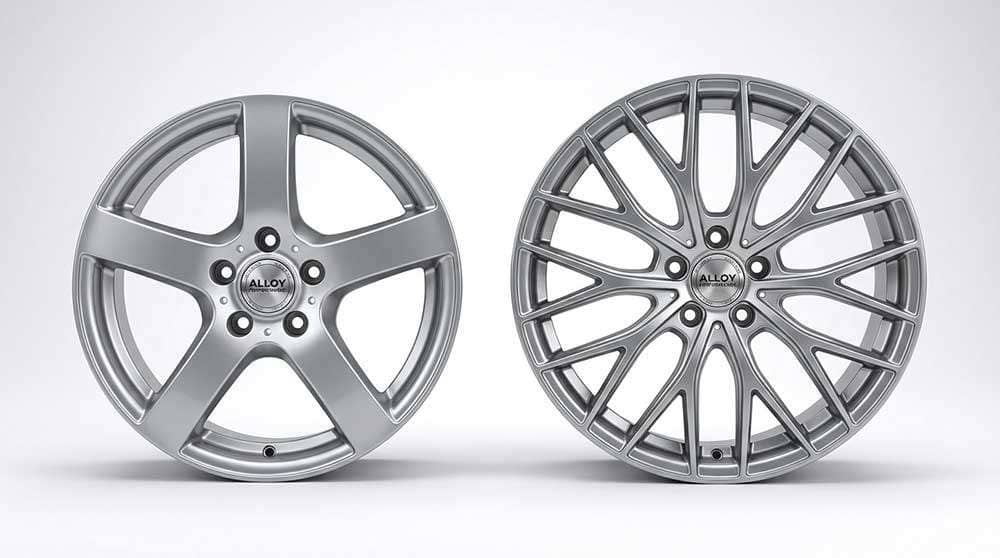
The true cost of wheel ownership reveals itself over thousands of miles, not at the point of purchase. Most drivers focus on the upfront price without considering the long-term financial impact of their wheel size choice.
17 inch wheels cost significantly less than their larger counterparts right from the start. Comparing identical BBS SX wheels shows this pattern clearly - 17 inch versions cost approximately USD 312 while 19 inch versions reach USD 458. This price difference remains consistent across most wheel manufacturers.
Tire costs create an even bigger gap. Identical Primacy A/S tires cost USD 223 for 17 inch compared to USD 278 for 19 inch versions. Most family vehicles use 17 inch wheels specifically because they reduce long-term replacement costs. The savings add up quickly when you factor in multiple replacement cycles.
These factors combine to create a substantial difference in operating costs. 17 inch tires cost approximately 1.19¢ per mile versus 19 inch tires at 2.2¢ per mile. For drivers seeking quality wheels at competitive prices, Performance Plus Tire offers excellent options in both sizes to help you maximize value.
Damage risk amplifies the cost difference. 19 inch wheels face greater vulnerability from potholes and road hazards. Their thinner sidewalls provide less protection, potentially leading to bulges that require immediate replacement. This vulnerability increases both maintenance frequency and overall ownership costs, making the smaller wheel size even more economical over time.
Visual appeal often drives wheel upgrade decisions, but wheel size affects more than just appearance. The right choice balances your style preferences with practical requirements for your specific vehicle and driving conditions.
17 inch wheels offer a more rugged and practical appearance, particularly suitable for SUVs and everyday cars. These wheels provide a balanced look with proportionate tire sidewalls that complement most vehicle designs. 19 inch rims deliver an aggressive and sporty appearance that transforms your vehicle's stance. Many enthusiasts prefer larger wheels specifically to fill out wheel arches for a sleeker appearance.
The visual transformation comes with trade-offs. While larger wheels create that premium look many drivers want, smaller wheels offer a more versatile appearance that works well across different driving scenarios.
Brake compatibility creates the most important fitment consideration when selecting wheels. 19 inch wheels provide substantially more brake clearance, accommodating larger calipers and rotors. This additional space becomes crucial for performance vehicles or those with upgraded braking systems. 17 inch wheels have limited space for brake components.
When choosing wheels that balance both style and performance requirements, Performance Plus Tire offers excellent options in both sizes. Our experienced team can help you determine the right fitment for your specific vehicle and brake setup.
17 inch wheels demonstrate superior durability in challenging road conditions. Their taller sidewalls provide better cushioning and protection when encountering potholes or rough surfaces. This durability advantage translates directly to lower maintenance costs and fewer wheel replacements.
19 inch rims remain more susceptible to damage from road hazards. Owners frequently report bent 19 inch wheels from even modest potholes, with some describing urban driving as "a game of dodge the potholes". This vulnerability increases both repair frequency and overall ownership costs.
For drivers who frequently encounter rough roads or live in areas with poor pavement conditions, 17 inch wheels offer significant practical advantages that outweigh any visual benefits of larger wheels.
The key differences between 17-inch and 19-inch wheels become clear when you compare them side by side. Here's how these wheel sizes stack up across the most important factors:
Characteristic |
17-Inch Wheels |
19-Inch Wheels |
|---|---|---|
Cost Metrics |
||
Cost per Mile |
1.19 cents |
2.2 cents |
Example Wheel Price (BBS SX) |
$312 |
$458 |
Example Tire Price (Primacy A/S) |
$223 |
$278 |
Performance |
||
Dry Condition Performance |
Lower lap times |
Faster lap times (+1 second) |
Wet Condition Performance |
Superior (+0.5 second faster) |
Less grip, more nervous |
Steering Response |
More compliant, less direct |
Sharper turn-in, more precise |
Brake Clearance |
Limited space |
Superior clearance |
Comfort & Noise |
||
Road Impact Absorption |
Less absorption |
|
Pothole Protection |
Higher protection |
More susceptible to damage |
Sidewall Height |
Taller, more cushioning |
Shorter, less protection |
Practical Aspects |
||
Fuel Economy |
Better (lighter weight) |
Lower (heavier) |
Visual Appearance |
Practical, rugged look |
Aggressive, sporty look |
Road Hazard Risk |
Lower risk |
Higher risk |
Typical Use Case |
Family vehicles, everyday driving |
Performance vehicles, esthetic upgrades |
This comparison shows that 17-inch wheels excel in cost-effectiveness, comfort, and durability. 19-inch wheels win on dry performance and visual appeal but at significantly higher costs. Your choice depends on what matters most for your driving style and budget.
Choosing the right wheel size comes down to understanding what matters most for your driving situation. We've covered the major differences between 17-inch and 19-inch wheels, and each size serves different priorities.
The cost difference is significant. 17-inch wheels deliver nearly half the operating cost compared to their larger counterparts, plus better protection against pothole damage and improved fuel economy. For daily drivers and families, these benefits add up quickly.
Performance-focused drivers might still prefer 19-inch options for their sharper handling in dry conditions and aggressive appearance. However, 17-inch wheels actually perform better in wet conditions thanks to their flexible sidewalls.
Comfort plays a major role in satisfaction. The taller sidewalls of 17-inch wheels absorb road impacts more effectively, creating a smoother ride that many drivers notice immediately after switching from larger sizes.
Style preferences influence many upgrade decisions. 19-inch wheels transform your vehicle's stance with that sporty, aggressive look. 17-inch wheels offer a more balanced appearance while delivering superior durability for everyday use.
At Performance Plus Tire, we carry quality options in both sizes to match your specific needs and budget. Our expert team can help you find wheels that balance your style preferences with practical considerations.
The right wheel size depends on your priorities – whether you value long-term savings and comfort or prefer enhanced dry performance and sporty aesthetics. By considering these factors, you can select wheels that enhance your driving experience for years to come.
Understanding the true cost and performance differences between 17-inch and 19-inch wheels helps you make an informed decision that aligns with your driving priorities and budget.
• 19-inch wheels cost nearly double to operate - 2.2¢ per mile versus 1.19¢ for 17-inch wheels, making smaller wheels significantly more economical over time.
• Performance varies by conditions - 19-inch wheels excel in dry handling with faster lap times, while 17-inch wheels surprisingly outperform in wet conditions due to better water channeling.
• Comfort favors smaller wheels - 17-inch wheels provide superior ride comfort and pothole protection through taller sidewalls that absorb road impacts more effectively.
• Style comes at a practical cost - While 19-inch wheels deliver an aggressive, sporty appearance, they're more susceptible to damage and require more frequent, expensive replacements.
The choice ultimately depends on whether you prioritize long-term savings and comfort (17-inch) or enhanced dry performance and sporty esthetics (19-inch). Consider your typical driving conditions, budget constraints, and road quality when making this significant upgrade decision.
17-inch wheels generally offer better ride comfort, lower costs, and improved fuel economy. 19-inch wheels provide a sportier look, sharper handling in dry conditions, and better brake clearance, but at a higher cost and with reduced ride comfort.
17-inch wheels cost approximately 1.19 cents per mile, while 19-inch wheels cost about 2.2 cents per mile. This makes 17-inch wheels nearly twice as economical over time.
Surprisingly, 17-inch wheels outperform 19-inch wheels in wet conditions. Their taller sidewalls allow for better water channeling, resulting in superior grip and handling on wet roads.
17-inch wheels generally provide better ride comfort due to their taller sidewalls, which absorb road imperfections more effectively. 19-inch wheels, with their shorter sidewalls, tend to transmit more road noise and vibrations into the cabin.
Yes, 19-inch wheels are more prone to damage from potholes and road hazards due to their thinner sidewalls. 17-inch wheels, with taller sidewalls, offer better protection against such impacts, potentially reducing long-term maintenance costs.