

We carry the best selection of tires at prices that make sense for your budget. When customers ask if $600 for 4 tires represents good value, the answer depends on your vehicle and driving needs. The cost of replacing all four tires typically spans from $400 to $1,000, placing your $600 budget right in the sweet spot for quality options.
At Performance Plus Tire, we understand that tire pricing can be confusing. The median price per tire currently sits around $167, making a complete set approximately $588 on average. Tire size dramatically affects your final cost. Smaller wheels measuring 12"-15" generally cost $80-$150 per tire, while medium-sized options for SUVs and crossovers in the 16"-20" range run $100-$250 each. Truck owners and performance vehicle drivers with large wheels spanning 18"-26" should expect $140-$170 per tire.
Your $600 investment will serve you well when you choose the right tires for your driving habits. Quality tires typically deliver 25,000 to 50,000 miles of reliable service, making them a smart long-term purchase. We believe in providing expert guidance to help you get maximum value from every tire dollar spent.
This guide breaks down exactly what your $600 budget delivers in today's market, the key factors that influence tire costs, and proven strategies for securing the best deals available. Our goal is ensuring you drive away confident in both your tire selection and the value you received.

Your $600 tire budget positions you perfectly in the middle of today's pricing spectrum. This amount typically delivers either premium budget options or solid entry-level mid-range tires that balance performance with longevity.
The national median cost for a single tire currently runs approximately $167, putting a complete set around $668 before installation. Tire costs have climbed steadily, with Consumer Reports tracking median prices from $167 per tire in 2020 to $223 in 2023.
Today's average tire price sits around $200 per tire, making a typical four-tire purchase about $800 total. Installation adds another cost layer, generally $15 to $45 per tire depending on your choice of retailer. Warehouse clubs like Sam's Club average $14 for installation, while dealerships typically charge around $36 per tire.
Vehicle type and wheel diameter create significant price variations. Smaller wheels measuring 12"-15" cost $80-$150 each, medium options spanning 16"-20" range from $100-$250 per tire, and larger sizes from 18"-26" start at $140-$170 each. The relationship is straightforward: bigger wheels mean higher prices.
At the $600 price point, you're choosing between high-quality budget tires or entry-level mid-range options. Budget tire sets generally span $200 to $400 for four tires, while premium options begin around $800.
The performance differences between tiers are significant:
Budget Options ($50-$150 each): Basic functionality without advanced features. Expect 20,000-30,000 miles of service with limited warranty coverage. These work best for infrequent driving or predominantly dry conditions.
Mid-Range Choices ($100-$300 each): Enhanced durability, superior wet traction, and reasonable warranty protection. Manufacturing methods mirror premium tires but utilize more economical materials.
Cost-per-mile analysis reveals the true value story. Budget tires at $400 lasting 30,000 miles cost approximately 1.3 cents per mile, whereas premium tires at $800 delivering 70,000 miles cost roughly 1.1 cents per mile. Performance Plus Tire provides detailed durability comparisons and pricing analysis to help you evaluate these trade-offs.
Most vehicle owners find $600 falls comfortably within expected tire replacement costs. The typical range spans $460 to $1,280, placing your $600 budget in the lower-middle portion of this spectrum.
For compact cars and small sedans, $600 represents mid-range to higher-end tire quality. SUVs and trucks with larger wheel requirements would typically receive budget or lower mid-range options at this price point, since these vehicles demand more expensive tires by design.
The majority of car owners spend $400 to $1,000 for complete four-tire replacements, making $600 a realistic benchmark. Market analysis consistently shows that tire investments ranging from $650 to $1,200 deliver superior safety features and extended service life compared to extreme budget alternatives.
When selecting tires for your vehicle, several key factors determine whether $600 delivers excellent value or falls short of your needs. Understanding these cost drivers helps you make informed decisions that match your driving requirements and budget.
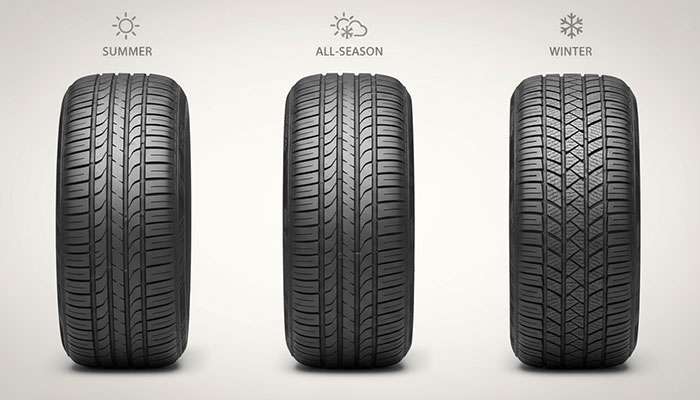
The type of tire you select establishes your baseline cost. All-season tires offer the most budget-friendly approach, with quality options starting around $50-$150 per tire. These versatile performers handle most driving conditions effectively, making them popular choices for daily commuters.
Winter tires command higher prices due to specialized rubber compounds that stay flexible in freezing temperatures. Quality winter tires typically run $100-$200 per tire, but they provide essential safety benefits in snow and ice conditions. Performance tires designed for sports cars feature advanced engineering that pushes costs between $150-$300 per tire.
Truck and SUV owners face premium pricing for off-road and all-terrain options, which cost $150-$350 each. Electric vehicle tires represent another premium category, priced 15-25% higher than conventional tires due to specialized construction that handles heavier vehicle weight and instant torque delivery.
The tire category you choose should align with your typical driving conditions. Daily commuters in moderate climates find excellent value in quality all-season tires, while those facing harsh winters need dedicated snow tires for optimal safety.
Tire brands fall into distinct quality and price tiers that reflect their research investment and manufacturing standards. Premium brands like Michelin, Bridgestone, and Continental consistently command higher prices because their products undergo extensive testing and feature advanced engineering.
Mid-tier brands such as General, Hankook, and Yokohama deliver solid performance at more accessible price points. These manufacturers often produce original equipment tires for vehicle makers, demonstrating their quality credentials. Budget-friendly brands like Cooper and Kelly provide basic reliability at entry-level prices, making them attractive for cost-conscious drivers with straightforward needs.
Brand choice significantly impacts long-term value. Premium tires often include superior warranties, better wet weather performance, and longer tread life. Budget options save money upfront but may require replacement sooner, potentially costing more over the tire's lifetime.
The engineering behind tire construction affects both price and performance. Advanced tread patterns enhance wet traction, specialized rubber compounds extend tire life, and reinforced sidewalls improve durability. These features represent genuine technological improvements that justify higher costs for drivers who benefit from them.
Your vehicle's tire size creates the foundation for pricing, with larger diameter wheels consistently costing more than smaller options. The relationship is direct: a 15-inch tire typically runs $50-$100, while an 18-inch equivalent costs $100-$200, and 20-inch options reach $150-$250 or higher.
Width and aspect ratio also influence pricing. Wider tires require more raw materials and specialized manufacturing processes, increasing production costs that translate to higher retail prices. Low-profile tires with shorter sidewalls often cost more than standard profiles due to their complex construction requirements.
Special ratings add to the base price. Speed ratings indicate the maximum safe speed for sustained tire use, with higher ratings requiring enhanced construction that increases costs. Load index ratings specify weight capacity, with commercial-grade options commanding premium prices.
Check your vehicle's door jamb sticker or owner's manual for exact tire specifications. Using the correct size and ratings ensures optimal safety and performance, making these specifications non-negotiable elements of your tire purchase.
Beyond the tire cost itself, installation and service fees add approximately $100-$200 to your total investment. Understanding these additional expenses helps you budget accurately and avoid surprise charges at checkout.
Mounting and balancing represents the core installation cost, typically running $15-$75 per tire depending on your chosen retailer. Most shops charge around $22 per tire for this essential service, which ensures your tires sit properly on wheels and rotate smoothly at all speeds.
TPMS (Tire Pressure Monitoring System) service adds to your bill when sensors need attention. Some vehicles require sensor programming or replacement during tire installation, costing $50-$100 or more depending on your specific system.
Old tire disposal isn't free. Most retailers charge $2-$10 per tire for proper recycling, adding approximately $8-$40 to your total cost for four tires. Some shops include disposal in their installation package, while others list it separately.
Valve stem replacement, while optional, provides cheap insurance against future air leaks. Standard rubber stems cost $3-$5 each and should be replaced during tire installation to prevent premature failure. TPMS-equipped vehicles use more expensive electronic valve stems.
Wheel alignment checks cost between $50 and $168, with most shops charging around $100 for a four-wheel alignment. While not required with every tire change, alignment directly affects tire wear patterns and should be checked regularly.
Consider alignment service when installing new tires if you've experienced uneven tire wear, your vehicle pulls to one side, or you've hit significant potholes recently. Proper alignment ensures your new tires wear evenly and last their full expected lifespan.
Some tire retailers bundle alignment with tire purchases, offering package deals that reduce your total cost. These combined services typically save $20-$50 compared to purchasing alignment separately.
Road hazard warranties cost 10-15% of your tire purchase price, typically adding $60-$90 to a $600 four-tire investment. This protection covers damage from road debris, nails, potholes, and similar hazards that standard warranties exclude.
Benefits include free tire replacement if damage occurs within the coverage period, usually based on remaining tread depth. Some plans provide replacement at no cost, while others prorate coverage based on tire wear.
Consider road hazard protection based on your driving environment. Urban drivers navigating construction zones and pothole-filled streets benefit more than rural drivers on well-maintained roads. Commuters putting 20,000+ miles annually face higher risk exposure than occasional drivers.
The decision comes down to personal risk tolerance and driving conditions. Road hazard coverage provides peace of mind but may not prove cost-effective for all drivers.
Smart tire shopping means knowing when and where to buy. Your $600 budget can stretch significantly further with the right timing and approach.
Spring and fall deliver the best tire deals as retailers clear inventory for new stock. These seasonal transitions offer genuine savings opportunities that savvy shoppers use to their advantage. Major holidays like Memorial Day, Fourth of July, Labor Day, and Black Friday typically feature significant discounts. Black Friday and Cyber Monday specifically offer excellent opportunities for finding quality tires at reduced prices.
All-season tires provide balanced performance across different weather conditions, eliminating the hassle of seasonal changeovers. You won't need separate winter and summer sets, making them more cost-effective over time. These versatile options typically offer longer lifespans than specialized tires, further enhancing their value proposition.
The convenience factor alone makes all-season tires attractive for most drivers. You avoid the storage hassle and twice-yearly mounting costs that come with seasonal tire changes.
Tire manufacturers regularly offer substantial rebates—many worth $100, with some reaching $200. Michelin typically runs one promotional offer per season. Bundling four tires often yields the best value through promotions like "buy 4, get 1 free" or percentage discounts. For current rebate opportunities, check Performance Plus Tire for detailed listings of manufacturer offers.
We track these promotions constantly to ensure our customers never miss an opportunity to save.
Takeoff tires—removed from new vehicles with minimal use—offer substantial savings at 50% below retail while maintaining 99-100% tread life. Unlike truly used tires, these "driven once" options present minimal risk. Regular used tires typically cost between $45-$70 each versus $90-$140 for new equivalents.
These tires come from customers who upgrade their new vehicles immediately after purchase. They provide an excellent middle ground between new tire costs and used tire risks.
At Performance Plus Tire, we know that choosing the right tires represents one of the most important decisions for your vehicle's performance and safety. Your $600 budget places you in an excellent position to secure quality tires that deliver reliable service for years to come.
The $600 price point typically gets you either high-quality budget options or entry-level mid-range tires that balance performance with longevity. Compact car owners often find premium tire options at this price level, while SUV and truck drivers can expect solid mid-range selections. Remember that tire size, brand reputation, and specialized features all impact your final costs.
Smart shopping makes your dollar go further. Seasonal sales, manufacturer rebates, and strategic timing can stretch your budget significantly. All-season tires provide exceptional value by eliminating the need for separate winter and summer sets, while also delivering 40,000-50,000 miles of dependable service when properly maintained.
Additional costs like mounting, balancing, alignment, and disposal fees will add approximately $100-200 to your total investment. Planning for these expenses prevents surprise charges at checkout and helps you budget accurately for your complete tire purchase.
Your driving habits and local weather conditions should guide your final selection. Highway drivers have different needs than off-road enthusiasts, just as those in snow-prone regions require different tire characteristics than drivers in consistently dry climates.
We believe $600 represents the sweet spot where quality meets affordability for most drivers. Your tires are the only contact point between your vehicle and the road, making them a critical investment in both performance and safety.
Ready to find the perfect tires for your vehicle and budget? Our expert team stands ready to help you select tires that deliver maximum value and years of reliable performance. Visit Performance Plus Tire today to explore our extensive selection of quality options that fit your $600 budget perfectly.
Based on 20 years of mechanic experience, here's what you need to know about spending $600 on four tires:
• $600 represents solid middle-ground value - This price typically gets you high-quality budget or entry-level mid-range tires that balance performance with longevity.
• Factor in hidden costs of $100-200 - Installation, mounting, balancing, alignment, and disposal fees significantly increase your total investment beyond tire prices.
• Tire size dramatically affects value - Compact cars get premium options at $600, while SUV/truck owners receive decent mid-range tires due to larger wheel requirements.
• Shop strategically during seasonal sales - Spring/fall inventory clearances and holiday promotions like Black Friday offer substantial savings on quality tires.
• All-season tires maximize budget efficiency - They eliminate costly seasonal changeovers and typically last 40,000-50,000 miles when properly maintained.
Remember, your tires are the only contact between your vehicle and the road, making this a critical safety investment that pays dividends with every mile driven.
The average cost for a set of four tires typically ranges from $400 to $1,000, depending on factors like tire quality, size, and vehicle type. A price of $600 for four tires is generally considered a good mid-range option for many vehicles.
Tire prices can differ significantly based on vehicle type. For compact cars and small sedans, $600 might get you mid-range to higher-end tires. For SUVs and trucks with larger wheel sizes, $600 would typically cover budget or lower mid-range options due to their naturally higher tire costs.
Beyond the tire price, factor in installation costs like mounting and balancing (around $22 per tire), potential alignment fees ($50-$168), and disposal charges for old tires (about $2-$10 per tire). Road hazard protection, if desired, can add another 10-15% to the tire price.
Yes, you can save money by shopping during seasonal sales (spring and fall), looking for manufacturer rebates, and considering all-season tires for year-round use. Warehouse clubs often offer competitive pricing and free services. Online retailers may have lower prices, but be sure to factor in installation costs.
Tires in the $600 price range for a set of four typically last between 40,000 to 50,000 miles when properly maintained. However, actual lifespan can vary based on driving habits, road conditions, and regular tire maintenance such as rotations and proper inflation.



