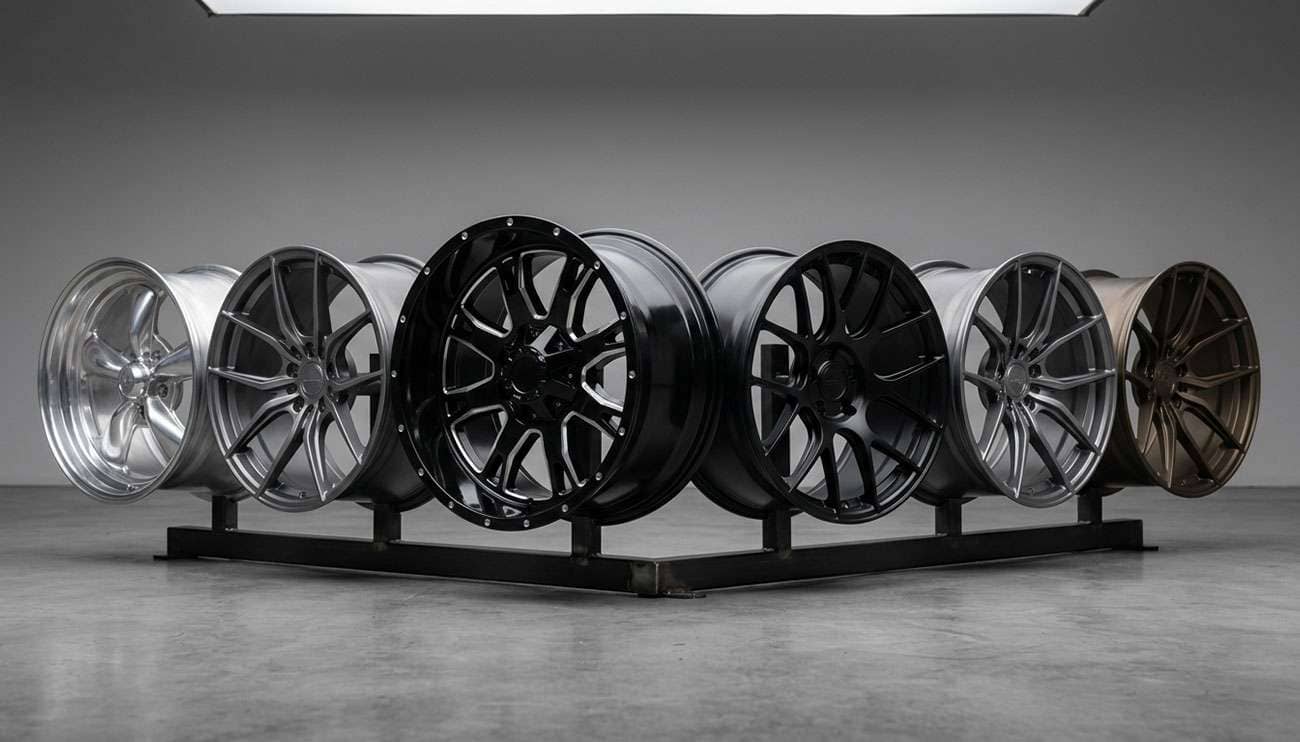
Looking for last year's rankings? See our 2025 wheel brand picks.
I had a guy in the shop last week looking for wheels for a '69 Camaro. Said his buddy told him to get whatever was cheapest because "they all come out of the same factory anyway." That's not how this works. Not in 1969, not in 2026.
The wheel industry has consolidated since the muscle-car era — a lot of brands now belong to bigger parent companies — but the engineering, the design language, and the manufacturing quality still varies enormously between badges. Some brands invest in genuine race testing and own their own factories. Others contract everything out and slap a logo on whatever rolls off the line. The difference shows up in fitment quality, finish durability, and structural integrity when the road gets rough.
This is the 2026 ranking of the 12 wheel brands that earned their spot. Not the cheapest, not the most expensive, not the trendiest. The ones that built their reputation through decades of consistent engineering and earned the trust of people who actually use these wheels. Some are household names you'd expect — American Racing, Fuel, Method. Some are heritage brands still cranking out the same designs they made fifty years ago. All twelve deserve a serious look before you spend money on a set.
Five things matter when you're judging a wheel brand. Engineering pedigree — does the brand actually design and test its own wheels, or is it sourcing finished product from a contract manufacturer? Manufacturing process — cast, flow-formed, or forged, and does the brand offer the right construction for the price point? Real-world track record — how do the wheels hold up over years of street driving, track abuse, off-road punishment? Fitment accuracy — do the wheels actually bolt up like they're supposed to without modifications or hub-centric ring band-aids? And design language — does the brand build something that looks intentional rather than borrowed from someone else's catalog?
I've been around this industry for decades, and the brands on this list have all proven themselves on those five fronts. Some of them earned their spot in the 1960s. Some earned it in the past ten years. The ranking reflects the combination of heritage, current product, and real-world performance — not just sales volume. A brand that sells a million wheels a year because of marketing budget doesn't outrank a brand that sells half that volume on the strength of better engineering.
Before we get into the brands, it helps to understand what you're paying for. There are three primary ways to make an aluminum wheel, and the construction method affects strength, weight, and price more than the brand badge does.
Construction |
Process |
Strength & Weight |
Typical Price (Set of 4) |
|---|---|---|---|
Cast |
Molten aluminum poured into a mold |
Heaviest, lowest strength-to-weight ratio |
$800–$2,000 |
Flow-Formed (Rotary Forged) |
Cast wheel barrel spun under heat and pressure |
Lighter and stronger than cast; close to forged |
$1,500–$3,500 |
Forged |
Solid billet pressed under extreme force |
Lightest, strongest, longest fatigue life |
$4,000–$10,000+ |
Most street cars don't need forged wheels. Flow-formed gives you 90 percent of the strength and weight savings of forged at half the price. Trucks doing real off-road work, race cars, and dedicated track builds are where forged starts making sense — and where the brands that actually own forging operations earn their premium. For the long version of this comparison, see our cast vs. forged vs. flow-formed wheels guide.
Founded: 1956, Los Angeles, California • Heritage: Muscle car, drag racing, hot rod • Construction: Cast, flow-formed, forged
American Racing built the muscle-car wheel category. The Torq Thrust D, introduced in 1963, is the wheel that launched a thousand magazine covers and is still in production today, sixty-three years later, with the same five-spoke design that defined an era. If you've ever seen a vintage Mustang or Camaro at a car show running silver-and-machined five-spokes, you've seen American Racing's influence on American car culture.
The 2026 lineup spans more than American Racing's heritage roots. The VN427 Shelby Cobra is the slot mag pattern that built the 427 Cobras. The VN401 Silverstone runs the smaller-diameter classic look for early muscle cars. The VN506 Rally One-Piece replicates factory rally-style wheels for restoration work. On the truck side, the AR204 Baja Dually is one of the few aftermarket wheel designs available in 8x165.1, 8x170, 8x200, and 8x210 patterns — a single design language that fits virtually every modern dually pickup. The AR105M Torq Thrust M brings the original Torq Thrust spoke design into modern fitments for current Mustang and Camaro applications.
American Racing operates as part of the Wheel Pros family of brands today, but the engineering team and design heritage have stayed intact. For drivers building anything from a vintage hot rod to a modern muscle car, American Racing remains the brand that most consistently delivers period-correct or period-inspired designs with current fitment options.
Browse American Racing Wheels for the full lineup, and see our Torq Thrust review for a deep dive on the most iconic design in the catalog.
Founded: 2009, San Diego, California • Heritage: Lifted trucks, off-road performance, modern truck aesthetic • Construction: Cast, flow-formed, forged
Fuel Off-Road came out of nowhere in 2009 and within a decade had become the dominant brand for lifted-truck builds. The reason is simple: Fuel built designs that looked aggressive without looking cartoonish, and they backed it up with accurate fitment across an enormous range of truck sizes and bolt patterns. If you're building a modern truck, Fuel is almost always on the short list.
The 2026 catalog is broad. The Hostage D530 covers traditional six-spoke styling. The Maverick D250 and Triton D715 bring multi-spoke designs in popular finishes including Candy Red and Platinum Brushed Gunmetal. The Cleaver D240 splits the difference between traditional and aggressive. The Beast D562 and Lethal D266 chase the more aggressive concave look. The Vapor D560 is the matte-black classic that launched a thousand truck builds. The Assault D246 in Chrome Face with Gloss Black Lip is the loud-and-proud option for buyers who want their wheels seen from a block away.
Fuel's strength is fitment breadth. The brand offers wheels in virtually every common truck pattern (5x114.3, 5x127, 5x139.7, 6x135, 6x139.7, 8x165.1, 8x170, 8x180, 8x200) and across diameters from 17 to 24 inches and beyond. For dually applications, Fuel covers the major patterns including the 8x200 modern Ford and 8x210 modern GM applications. Fuel also operates the FORGED line for buyers who want premium construction with the brand's design language.
Browse Fuel Wheels. For Fuel-specific testing data, see Are Fuel Wheels Good?, and for the head-to-head with the next brand on this list, see Fuel vs. Method.
Founded: 2009, Buena Park, California • Heritage: Off-road racing, Baja, lifetime warranty leader • Construction: Cast, flow-formed, forged
Method came up the same year Fuel did, but Method went a different direction. While Fuel chased the aesthetic side of the truck market, Method built its reputation in off-road racing — Baja 1000, King of the Hammers, Ultra4. The brand's MR305 NV is the off-road race wheel reference design, with a distinctive twelve-window pattern that's become as recognizable in trail-truck circles as the Torq Thrust is in muscle-car circles.
Method backs its engineering with the industry's best lifetime warranty. The brand strategically removes non-essential material to create an I-Beam cross-section that strengthens spoke structures while reducing overall weight, and individual wheels carry load ratings up to 4,500 pounds. The MR701 Bead Grip uses Method's patented bead-retention technology that grips the tire without requiring a beadlock ring — useful for drivers who run aggressive off-road tires at low pressures but don't want the dedicated trail look. Method also offers true beadlock race wheels for serious off-road competition.
For trucks and SUVs that actually see off-road use — not just lifted-mall-crawler aesthetics — Method's race-validated engineering and lifetime warranty make a strong case. Pricing typically runs $375 to $758 per wheel depending on size and finish, putting Method squarely in the premium tier of the truck wheel market.
Browse Method Wheels. For Method head-to-heads, see KMC vs. Method trail performance comparison.
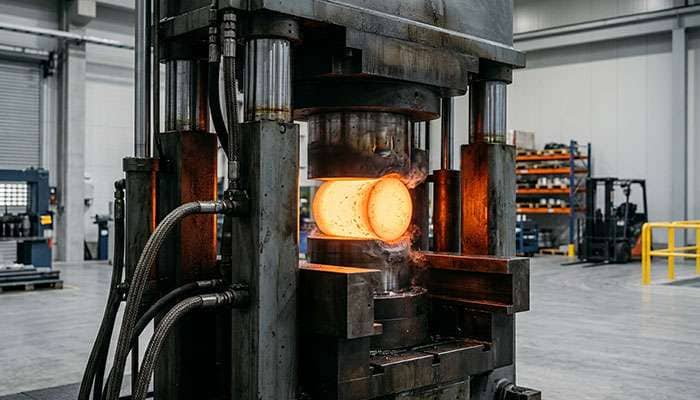
Founded: 1950, Hamamatsu, Japan • Heritage: Japanese OEM, F1 supplier, motorsports • Construction: Cast, flow-formed, forged, MAT process
Enkei is the largest aluminum wheel manufacturer on the planet. The brand has been the official wheel supplier to McLaren's Formula 1 team since 1995, and they make OEM wheels for virtually every major Japanese automaker plus General Motors. That kind of OEM business doesn't happen by accident — it requires manufacturing tolerances and quality control standards that most aftermarket-only brands can't match.
Enkei's signature engineering is the MAT (Most Advanced Technology) process, which combines the best aspects of casting and forging. The wheel barrel spins at high speed under intense heat, producing a wheel that's stronger and lighter than traditional cast construction without the price of fully forged. The RPF1 is the most-imitated lightweight performance wheel in the world — at 14 inches it weighs about 9 pounds, which is forged-tier weight at flow-formed pricing. The PF01 and PF07 cover sport-coupe and sedan applications. The RS05RR brings the same lightweight philosophy to wider track-day fitments.
For drivers building track cars, autocross cars, or any sport compact where unsprung weight actually matters, Enkei is the brand to know. The RPF1 in particular has been the answer for grassroots motorsports for over twenty years. Drivers debate which color to pick. They don't typically debate whether to buy Enkei.
Browse Enkei Wheels. For long-term durability data, see our 20,000-mile Enkei review.
Founded: 1986 • Heritage: Value-enthusiast, sport compact, budget performance • Construction: Cast, flow-formed
Konig has been making aftermarket wheels for forty years, and the brand has consistently occupied the most useful slot in the market: enthusiast-quality wheels at prices that don't require a second mortgage. The Hypergram has become the budget-enthusiast reference for sport compact builds — flow-formed, light, visually clean, and lands particularly well on GR86, BRZ, Civic, Integra, GTI, and Mazda platforms. If you want something that looks enthusiast-approved without TE37 money, the Hypergram is where most buyers start.
Beyond the Hypergram, Konig's lineup covers a wide range of styles from the Aeris's clean modern design to more aggressive multi-spoke patterns. The brand offers wheels in popular sport-compact bolt patterns (5x100, 5x10⁸, 5x112, 5x114.3, 5x120) and supplies several global OEMs, which means the manufacturing standards meet expectations even at value pricing.
For drivers building anything in the sport-compact or moderate-performance space — Civics, Integras, GTIs, BRZs, Miatas, daily-driven enthusiast cars — Konig consistently delivers more than the price tag suggests. The brand isn't trying to compete with BBS or Volk Racing. It's competing with whatever else you'd buy at the same price point, and at that level, Konig wins regularly.
Browse Konig Wheels for the full lineup.
Founded: 1967 • Heritage: Founded by Formula 1 driver, European luxury, performance • Construction: Cast, rotary forged, multi-piece
TSW was founded by a Formula 1 driver in 1967 and has produced performance-focused aftermarket wheels for nearly six decades. The brand's proprietary "Rotary Forged" process is TSW's terminology for the flow-formed manufacturing technique — and like all flow-formed wheels, the result is meaningfully lighter and stronger than traditional cast construction at a fraction of the price of fully forged.
The TSW design language sits firmly in the European-luxury and performance space. Where Fuel and Method build for trucks and Konig builds for sport compacts, TSW targets sport sedans, sports cars, and grand tourers — BMW, Audi, Mercedes, Lexus, Acura. The Aileron in Aileron Metallic and similar finishes hits the contemporary multi-spoke aesthetic that pairs well with European luxury fitments. Pricing typically lands between Konig and the premium European brands like BBS and Volk, putting TSW in the sweet spot for buyers who want European-style design without paying European premium-brand prices.
TSW operates as part of the same parent company as several other wheel brands today, but the engineering and design team have maintained the brand's identity. For drivers building European luxury or sport sedan applications, TSW deserves a serious look alongside Vossen, Niche, and Rotiform.
For TSW availability and current designs, browse our Custom Wheels selection.
Founded: 1996 • Heritage: Truck and SUV durability, military-spec engineering • Construction: Cast, flow-formed, forged
KMC and the XD Series operate as sister brands targeting the truck and SUV market, with XD specifically known for tough alloy wheels engineered for serious truck applications. The XD866 Outlander in Gloss Black is one of the recognizable designs in the lineup, and the Hoss and Heist series cover broader truck and SUV applications. Both brands share parent-company engineering with Method and several other off-road-focused names, which means manufacturing standards meet a consistent bar across the family.
What separates KMC and XD from straight-aesthetic truck wheels is the engineering attention to load capacity and structural durability. These wheels are built to handle the higher GVWR ratings of modern heavy-duty trucks, the dynamic loading of trailer towing, and the punishment of off-road duty without cracking or losing balance. For drivers using their trucks for actual work — towing, hauling, regular off-road — the engineering credentials matter more than they do on appearance-only builds.
Browse KMC Wheels for the full lineup. For real-world durability data, see our 20,000-mile KMC review.
Founded: 2005 • Heritage: Aggressive truck aesthetic, gloss-black finishes • Construction: Cast, flow-formed
Moto Metal owns one specific corner of the truck wheel market: aggressive, blacked-out, eight-spoke or six-spoke designs that look exactly right on lifted Silverados, F-150s, and Rams. The MO400 in Gloss Black is the reference design — recognizable from across a parking lot, available in popular truck patterns including 5x127 and 5x139.7, and built for drivers who want the lifted-truck aesthetic without paying premium-brand prices.
Moto Metal shares engineering DNA with several other truck-focused brands under the same corporate umbrella, which means the wheels meet consistent fitment standards even though the price points are competitive. The brand isn't trying to compete with Method on race-validated engineering. It's competing on aesthetic, fitment, and value — and at that level, Moto Metal consistently delivers what truck owners are looking for.
For drivers building newer Silverados, F-150s, Tundras, and Rams who want the aggressive blacked-out look without the Method price tag, Moto Metal is the right consideration. The wheels handle daily driving and occasional off-road duty without complaint, and the styling holds up well over years of use.
Browse Moto Metal Wheels. For testing data, see our Moto Metal real-world test.
Founded: 2010 • Heritage: Off-road truck design, monoblock forged options • Construction: Cast, flow-formed, beadlock, monoblock forged
Black Rhino brought aggressive off-road truck styling to the market in 2010 with a focus on rugged designs that pair well with all-terrain and mud-terrain tires. The Abrams is the brand's recognizable reference design — a chunky six-spoke pattern that works on lifted SUVs and trucks across multiple bolt patterns including 6x135 (Ford F-150), 6x114.3, and 6x120. The lineup extends into beadlock-style and monoblock forged construction for drivers who need actual off-road capability.
What distinguishes Black Rhino from purely aesthetic truck-wheel brands is the brand's investment in genuine forged construction for higher-end applications. Most truck-aesthetic brands are cast or flow-formed across the entire lineup. Black Rhino offers monoblock forged options for buyers who want premium engineering in a truck-focused design language. The Atlas in particular has earned a following for blending rugged appearance with the load-rating credentials trucks actually need.
Pricing across the Black Rhino lineup runs from value-tier cast wheels through premium monoblock forged. For SUV and truck buyers building anything from daily-driven crossovers to serious overland rigs, Black Rhino covers the range without diluting the brand identity.
Browse Black Rhino Wheels for the full lineup.
Founded: 1978, La Habra, California • Heritage: Hot rod, custom street, smoothed-spoke design • Construction: Cast, billet
Boyd Coddington was the hot rod world's most recognizable wheel designer for over two decades. The brand survived Boyd's passing in 2008 and continues producing the designs that defined custom hot rod wheels in the 1980s and 1990s. If you've watched American Hot Rod or seen any custom hot rod magazine from that era, you've seen Boyd's work — billet construction, smoothed-spoke aesthetics, the kind of wheels that turned a stock body into a statement piece.
The 2026 lineup keeps the heritage designs alive. The Junkyard Dog in Gunmetal is the original aggressive five-spoke that built Boyd's reputation. The Smoothie covers the classic smoothed-spoke style that defined custom street rods for two decades. The 54 Series Magnum 500 in Chrome and Semi-Gloss Black brings the rally-style five-spoke into modern fitments. The 50 Series SS covers more contemporary applications without losing the hot rod design language.
For drivers building hot rods, custom street machines, restomod muscle cars, or anything where the wheel design needs to match the era of the build, Boyd Coddington remains the brand that built the visual vocabulary. The wheels aren't the lightest or the cheapest. They're the ones that actually look right on a chopped-and-channeled '32 Ford or a smooth-bodied '57 Chevy.
Browse Boyd Coddington Wheels.
Founded: 1964 • Heritage: Continuous-production muscle car classic • Construction: Chrome with aluminum center, classic two-piece
Cragar has one job, and it's been doing it since 1964. The 08/61 S/S Super Sport — that classic chrome wheel with the aluminum five-spoke center — has been in continuous production for sixty-two years without changing the fundamental design. That's almost unheard of in the aftermarket wheel industry. Most "heritage" designs went out of production decades ago and only came back as modern reproductions. Cragar never stopped making the original.
The S/S Super Sport is the wheel that defined American street machines and gassers in the late '60s and early '70s. Walk through any car show and you'll see Cragars on Camaros, Chevelles, Mopars, Mustangs, Galaxies, and just about every vintage American performance car still on the road. The 14x6 size in 5x114.3, 5x120.65, and 5x127 patterns covers the bulk of muscle-car fitments. Cragar also makes smaller-bolt-pattern variants for early '60s applications including the 5x101.6 pattern.
The wheel isn't lightweight. It isn't forged. It isn't trying to be either. It's a chrome-plated steel rim with a polished aluminum center, and it looks exactly like it's supposed to look on a 1969 Chevelle SS. For drivers building muscle car restorations, gassers, or anything where the wheel needs to be period-correct, Cragar is the answer.
Browse Cragar Wheels. For the deeper history, see Can You Still Buy Cragar SS Wheels?.
Founded: 1947, Los Angeles, California • Heritage: Original magnesium racing wheel, Cobra and Indy heritage • Construction: Cast aluminum (modern production)
Halibrand earned its place in motorsports history before most of the brands on this list existed. Ted Halibrand started casting magnesium racing wheels in 1947, and by the 1950s and 1960s, Halibrand wheels were the standard equipment on Indianapolis 500 cars, Bonneville salt flat racers, and Carroll Shelby's Cobras. The five-spoke "kidney bean" design — sometimes also called the Sprint pattern — became one of the most copied wheel designs in racing history.
Modern Halibrand production uses cast aluminum rather than magnesium (magnesium has fire-risk and corrosion concerns that don't fit modern street applications), but the design language has stayed faithful to the originals. The Sprint 15x10 in Anthracite with Machined Lip carries the heritage design into modern muscle-car fitments. The brand also offers larger-diameter modern interpretations for restomod applications and contemporary builds that want the classic look in 19 or 20-inch sizes.
For drivers building Cobra replicas, vintage road race cars, or anything where the wheel design needs to honor the racing heritage of the 1950s and 1960s, Halibrand is the brand that earned the lineage. Cragar covers the muscle-car street look. Boyd Coddington covers the hot rod custom look. Halibrand covers the racing-pedigree look.
Browse Halibrand Wheels.
The 2026 ranking helps narrow the field, but the right brand for you depends on what you're building. Three steps to translate the rankings into a smart purchase.
Match the brand to the era and style of your vehicle. A 1969 Camaro looks right on Cragars or American Racing Torq Thrusts. A modern lifted Silverado looks right on Fuel or Moto Metal. A track-day GR86 looks right on Enkei RPF1s or Konig Hypergrams. A custom street rod looks right on Boyd Coddington Smoothies. Brand identity matters in the wheel world more than it does in tires — these are visual statements as much as engineering products, and the wrong-era wheel design ruins the look of an otherwise correct build.
Match the construction to the use case. If you're driving a daily commuter on smooth roads, cast wheels are fine and you're paying for design more than engineering. If you're driving a sports car aggressively, flow-formed delivers the right balance of weight savings and price. If you're running a serious track car or a working off-road truck, forged construction earns its premium. Don't pay for forged on a daily-driven sedan that never sees a track. Don't run cast on a truck that actually does off-road work.
Confirm fitment before ordering. Bolt pattern, hub bore, offset, and wheel diameter all need to match what your vehicle requires. The ranking on this list doesn't help if the wheel won't bolt to your truck. PPT's vehicle search confirms fitment automatically, and every brand page linked in this guide shows only sizes currently available for your specific vehicle.
For deeper comparisons on specific brand pairings, see Fuel vs. Method, KMC vs. Method, and Cast vs. Forged vs. Flow-Formed for the construction deep-dive that should inform every wheel purchase.
Rank |
Brand |
Founded |
Best For |
|---|---|---|---|
1 |
American Racing |
1956 |
Muscle car, hot rod, dually trucks |
2 |
Fuel Off-Road |
2009 |
Lifted truck, modern aggressive aesthetic |
3 |
Method Race Wheels |
2009 |
Off-road race, working truck, lifetime warranty |
4 |
Enkei |
1950 |
Sport compact, track day, lightweight performance |
5 |
Konig |
1986 |
Value enthusiast, sport compact, daily driver |
6 |
TSW |
1967 |
European luxury, sport sedan |
7 |
KMC / XD Series |
1996 |
Heavy-duty truck, SUV, durability |
8 |
Moto Metal |
2005 |
Aggressive truck aesthetic, value tier |
9 |
Black Rhino |
2010 |
Off-road SUV, overland, monoblock forged |
10 |
Boyd Coddington |
1978 |
Hot rod, custom street, billet aesthetic |
11 |
Cragar |
1964 |
Muscle car restoration, period-correct builds |
12 |
Halibrand |
1947 |
Vintage racing, Cobra replica, restomod |
For overall heritage, current product range, and engineering credibility, American Racing leads the 2026 ranking. The brand has been making aftermarket wheels since 1956 and covers everything from period-correct muscle car designs (Torq Thrust, VN427 Shelby Cobra, VN401 Silverstone) to modern truck applications (AR204 Baja Dually). For specific use cases, the right brand depends on your vehicle: Fuel or Method for trucks, Enkei or Konig for sport compacts, Cragar or Halibrand for muscle car restorations, Boyd Coddington for hot rods.
For most street cars, no. Flow-formed wheels deliver about 90 percent of the strength and weight savings of forged wheels at roughly half the price. Forged construction makes sense for serious track cars, dedicated race builds, and heavy-duty trucks doing real off-road work where the additional strength-to-weight ratio justifies the cost. For daily-driven enthusiast cars, sport sedans, and street builds, flow-formed is typically the better value.
Both brands launched in 2009, but they target different parts of the truck market. Fuel focuses on aggressive aesthetic across the broadest range of fitments, with strong design coverage from mild to wild. Method focuses on race-validated engineering, lifetime warranty backing, and load ratings up to 4,500 pounds per wheel. For lifted-truck appearance builds, Fuel typically wins on style options. For trucks that actually see off-road duty, Method wins on engineering credentials.
Yes. The Cragar 08/61 S/S Super Sport has been in continuous production since 1964 — over 60 years without a fundamental design change. The wheel is a chrome-plated steel rim with a polished aluminum five-spoke center, currently available in 14x6 and other sizes covering muscle-car bolt patterns including 5x114.3, 5x120.65, and 5x127. It remains the period-correct choice for muscle car restorations and gasser builds.
For working off-road trucks that see actual trail use, Method Race Wheels leads the category with race-validated engineering, lifetime warranty, and load ratings up to 4,500 pounds. Black Rhino offers monoblock forged options for premium overland builds. KMC and XD Series cover heavy-duty truck applications with consistent fitment standards. Fuel Off-Road dominates the lifted-truck aesthetic category, and offers a forged line for buyers wanting premium construction. The right answer depends on whether you're building for appearance or for genuine off-road capability.
For period-correct restorations, Cragar S/S Super Sports were the most common aftermarket wheel on muscle cars from 1964 onward. American Racing Torq Thrust D wheels (introduced 1963) are the other muscle-car standard. For Shelby Cobra and Cobra-replica builds, the American Racing VN427 Shelby Cobra and Halibrand Sprint cover the racing heritage. For restomod builds that want the classic look in modern fitments, American Racing's heritage line and Boyd Coddington's smoothed-spoke designs both work well.
Konig consistently delivers the most enthusiast performance per dollar at the value tier. The Hypergram is widely regarded as the budget reference for sport-compact builds — flow-formed construction, lightweight, clean visual design, and pricing well below comparable Enkei or premium European brands. For truck builds, Moto Metal occupies the value-aesthetic slot with consistent fitment standards at competitive prices.
Enkei is the largest aluminum wheel manufacturer in the world and supplies OEM wheels to virtually every major Japanese automaker plus General Motors. The brand has been the official wheel supplier to McLaren's Formula 1 team since 1995. Casual buyers may not recognize the name because Enkei doesn't market heavily to truck or muscle-car audiences, but in the sport-compact and motorsports communities the brand has been the reference for over twenty years. The RPF1 in particular has been the grassroots motorsports answer since the early 2000s.