
Selecting the right snow tires for your vehicle can be a life-saving decision. Winter tires reduce stopping distances on packed snow by up to 35% compared to all-season tires and a remarkable 50% compared to summer tires. That's the difference between a safe stop and a serious collision.
We carry the best selection of winter tires at competitive prices, and we understand the critical performance differences that matter most. Even with all-wheel drive, quality winter tires will dramatically improve your vehicle's performance and safety on winter roads. Dedicated winter tires can reduce your stopping distance by up to 25% – roughly two to three car lengths – a crucial safety margin when conditions turn dangerous. While all-terrain options might appear suitable, purpose-built winter tires deliver superior traction in extreme conditions. Studless winter tires engineered for SUVs and pickups stop in half the distance of mud tires.
Our expert team has analyzed the top rated snow tires on the market, comparing real winter performance results across major brands. The Bridgestone Blizzak WS80 consistently stands out in testing, providing best-in-class traction in both dry and wet conditions while leading the pack for ride comfort. Our detailed comparison covers snow performance, ice traction, handling, comfort, and value to help you find the perfect winter tire for your specific driving needs.
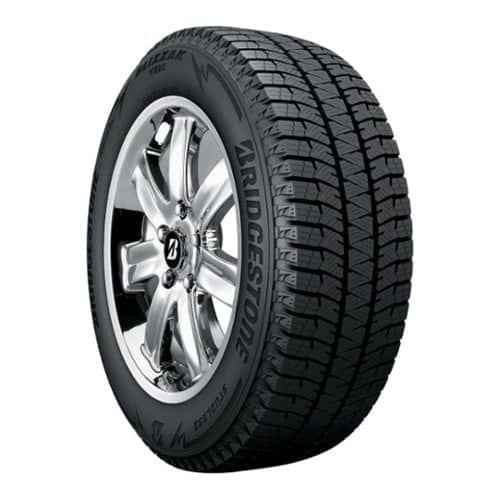
The Bridgestone Blizzak WS90 represents the benchmark for winter tire performance, building on decades of winter tire expertise with significant advances in traction and durability. This studless ice and snow tire provides confident control through challenging winter conditions for sedans, coupes, minivans, and crossovers.
Understanding how the Blizzak WS90 performs in deep snow conditions reveals the engineering behind its success. The tire features a directional pattern with 15% more block edges than its predecessor, dramatically improving braking distances on slippery surfaces. Controlled testing demonstrates the Blizzak WS90's superior acceleration in snow, particularly when generating moderate tire spin to dig out of corners with more authority than competing tires.
The tire's effectiveness in snow comes from Bridgestone's next-generation Multi-Cell compound with bite particles. This advanced technology creates microscopic channels that evacuate water while maintaining contact with snow-covered surfaces. The tread pattern incorporates 3D Zigzag sipes and large shoulder blocks that increase the tire's biting edges for enhanced snow performance.
Real-world testing confirms these capabilities. Drivers report impressive traction even on unplowed roads, with the WS90 allowing vehicles to use low-end torque without dramatic wheelspin for smooth, controlled acceleration through deep snow.
Ice traction sets the Blizzak WS90 apart from competitors in the most critical winter driving scenario. Controlled ice braking tests show the Blizzak WS90 consistently outperforming other premium winter tires, stopping shorter on ice by commanding margins. Testing revealed it stopping a full fifteen feet shorter from fifty miles per hour compared to its closest competitor.
Bridgestone's patented NanoPro-Tech Multicell compound creates this exceptional ice performance. The technology uses hydrophilic properties to actively remove the thin water layer that forms between tire rubber and icy surfaces, enabling superior ice grip. Silica enhancements in the compound further improve the tire's ability to maintain traction in icy conditions.
Independent testing validates these capabilities, with the Blizzak WS90 showing a 14% improvement in stopping distance on ice compared to leading competitors.
Winter tire optimization doesn't compromise the Blizzak WS90's performance on dry and wet roads. Customer ratings consistently score the tire highly on dry pavement, with most ratings in the 9-10 range for handling and responsiveness. The increased block stiffness—30% more than previous models—contributes to responsive steering and improved wear life.
Wet condition performance benefits from circumferential grooves that effectively channel water and slush away from the contact patch, reducing hydroplaning risk. Customer ratings for wet traction are overwhelmingly positive, with nearly all ratings in the 8-10 range, highlighting excellent hydroplaning resistance.
Test drivers describe the tire's steering response as natural with predictable handling characteristics. The Blizzak WS90's steering feels "heavy on center and quick to respond with input, making it feel accurate" though somewhat less intuitive through corners than some competitors.
The Blizzak WS90 provides a more controlled riding experience compared to many competitors. It transmits most cracks and bumps to the cabin but maintains excellent control over impacts with minimal excess movement. This creates a ride that feels anchored rather than harsh, particularly at highway speeds.
Noise characteristics include a distinctive growl over most surfaces—a clear indicator of its winter-focused design. The tire keeps serious tread reverberations to a minimum. At higher speeds on smooth pavement, drivers notice a higher-pitched tone that tends to fade into the background due to its consistent frequency.
Customer feedback on comfort remains consistently positive, with most ratings in the 9-10 range for ride quality. Noise levels typically score in the 7-8 range, impressive for a winter-focused tire. Users specifically note that the WS90 runs quieter than its predecessor, the WS80.
The Bridgestone Blizzak WS90 carries premium pricing that reflects its advanced technology. Prices typically range from $117 to $268 per tire, depending on size. Common sizes like P205/50R17 cost approximately $180 per tire, while P215/55R17 runs around $165 per tire.
Bridgestone does not offer a mileage warranty for the Blizzak WS90. However, they provide a 90-day "Buy & Try Guarantee" allowing customers to return tires purchased from participating retailers if not satisfied with performance. Drivers can expect to replace these tires every 3-4 seasons with normal use, which remains competitive within the premium winter tire segment.
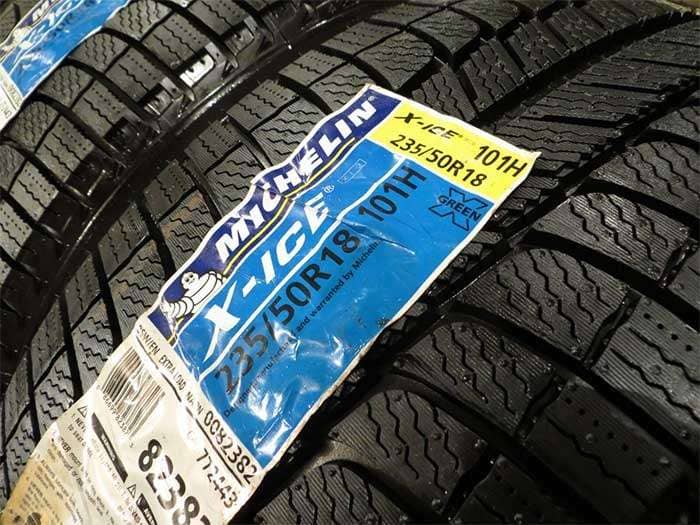
The Michelin X-Ice Xi3 stands as a remarkable achievement in winter tire engineering, delivering exceptional longevity alongside premium cold-weather performance. This studless winter tire consistently ranks as one of the best performers for passenger vehicles and CUVs, with an industry-leading warranty that sets it apart from competitors.
Snow traction remains a defining strength of the X-Ice Xi3, with the tire demonstrating excellent capabilities in various snow conditions. The innovative micro-pump technology within the tread compound actively removes water and slush from the contact patch, maintaining grip on snow-covered surfaces. Testing reveals the X-Ice Xi3 providing confident acceleration and steady control through packed snow conditions.
The directional tread pattern features Cross-Z sipes that work together to create thousands of biting edges against snow-covered roads. These interlocking sipes maintain their effectiveness throughout the tire's lifespan, ensuring consistent snow performance season after season. Drivers report reliable traction even in heavy snowfall, with the tire's pattern effectively channeling snow through the tread for improved grip.
Real-world evaluations show the X-Ice Xi3 handling deep snow with minimal drama. The tire provides predictable behavior during lane changes and turns, giving drivers confidence on unplowed residential streets and highways alike.
Ice performance represents another area where the X-Ice Xi3 excels, thanks to Michelin's Micro-Pumps technology. These microscopic reservoirs within the tread compound literally pump water away from the tire's surface as it deforms under pressure, creating direct rubber-to-ice contact for improved grip. The technology proves particularly effective during hard braking situations on icy surfaces.
Testing demonstrates strong emergency braking capabilities on ice, with the X-Ice Xi3 consistently delivering predictable stopping distances. While not quite matching the Blizzak WS90's ice braking performance in controlled tests, the X-Ice Xi3 provides reliable ice traction that inspires driver confidence in treacherous conditions.
The FleX-Ice compound maintains its pliability in cold temperatures, ensuring the tire remains effective even in extreme cold. This consistency proves valuable for drivers in regions experiencing prolonged sub-zero temperatures throughout winter months.
Dry road performance often surprises drivers accustomed to the compromises typical of winter tires. The X-Ice Xi3 handles remarkably well on clear pavement, with steering feel approaching that of all-season tires. The tire exhibits a tight on-center feel that provides excellent highway stability during winter's inevitable clear days.
Wet handling characteristics prove equally impressive, with the directional pattern efficiently evacuating water from the contact patch. Hydroplaning resistance remains strong, giving drivers confidence during winter rain events or when encountering slush and standing water.
Drivers consistently report the X-Ice Xi3 feeling stable and composed during aggressive maneuvers on dry roads—a significant advantage for regions where winter weather fluctuates between freezing and above-freezing temperatures.
Ride comfort stands out as a notable strength of the X-Ice Xi3, with the tire effectively absorbing road imperfections without transmitting harsh vibrations to the cabin. The optimized tread pattern minimizes the drone typically associated with winter tires, creating a more refined driving experience during daily commutes.
Noise levels remain impressively low for a dedicated winter tire, though some drivers notice a subtle "zing" at sustained highway speeds. This sound tends to blend into background noise and rarely causes concern during normal driving. Overall, the X-Ice Xi3's acoustic properties compare favorably to many all-season tires rather than traditional winter rubber.
Customer satisfaction ratings consistently highlight comfort and low noise as key advantages of the X-Ice Xi3, particularly among drivers logging significant highway miles during winter months.
The X-Ice Xi3's pricing reflects its premium positioning, with a set of four tires in popular sizes (such as 195/65R15) costing approximately $700. Individual tire prices vary based on size and retailer, but generally fall within competitive range for premium winter tires.
What truly distinguishes the X-Ice Xi3 is Michelin's exceptional warranty package. The tire comes with a 40,000-mile treadwear warranty—the only winter tire on the market offering such coverage. This warranty essentially guarantees multiple seasons of performance, dramatically improving the tire's long-term value proposition. Additionally, Michelin offers a 60-day satisfaction guarantee allowing returns if the tires don't meet expectations.
For drivers seeking the best balance of winter performance and longevity, the X-Ice Xi3's warranty coverage often justifies its premium price tag through extended service life.

The Nokian Hakkapeliitta R3 emerges from a company with over a century of winter tire development experience, specifically engineered for the harshest Nordic conditions. This premium studless winter tire delivers exceptional stability and control that minimizes the need for electronic stability interventions during challenging winter driving situations.
Snow traction defines the Hakkapeliitta R3's character, with the tire demonstrating outstanding capabilities in deep snow conditions. The innovative Snow Claws technology embedded in the tire's shoulder blocks creates additional grip edges that bite into snow during acceleration and braking. Testing shows excellent stability even at moderate wheel spin, with the tire maintaining directional control better than many competitors.
The tire's advanced compound, developed specifically for Arctic conditions, maintains flexibility in extreme cold to ensure consistent snow grip. Nokian's directional tread pattern channels snow efficiently through the tire's grooves, creating the snow-on-snow contact that generates additional traction in deep accumulations.
Track testing reveals the Hakkapeliitta R3's remarkable composure during emergency maneuvers in snow. The tire requires less electronic stability control intervention during hard braking and sudden direction changes—a testament to its exceptional mechanical grip levels.
Ice performance reaches elite levels in the Hakkapeliitta R3, thanks to Nokian's Cryo Crystal 3 technology. This proprietary innovation incorporates microscopic particles within the tread compound that create additional grip points on icy surfaces. The result is a studless tire approaching the ice traction of studded alternatives without the noise and road damage drawbacks.
Nordic winter tire testing awarded the Hakkapeliitta R3 an impressive 80 points in ice braking evaluations, placing it among the best performers in this critical category. The tire's ability to maintain grip on black ice proves particularly valuable for drivers navigating bridge surfaces and shaded road sections during morning commutes.
Emergency braking capabilities on ice remain strong throughout the tire's service life, as the Cryo Crystal particles continue to refresh at the tire's surface as the tread wears. This self-renewing characteristic ensures consistent ice performance across multiple winter seasons.
Dry road handling characteristics lean toward the comfortable side of the spectrum, with a slightly softer feel compared to competitors prioritizing crisp steering response. This approach proves intentional, as Nokian engineers optimized the tire for all-around winter capability rather than dry pavement performance alone.
The tire maintains predictable handling characteristics during dry weather driving, though aggressive drivers may notice less immediate response during rapid direction changes. Highway stability remains excellent, with the Hakkapeliitta R3 tracking straight and true at sustained speeds.
Wet surface performance proves more than adequate for winter driving conditions, with the directional pattern effectively managing water and slush evacuation. Hydroplaning resistance meets expectations for a premium winter tire, keeping drivers confident during winter rain events.
Ride comfort stands as a standout characteristic of the Hakkapeliitta R3, earning an 88% satisfaction rating in customer surveys. The tire's optimized construction absorbs road imperfections smoothly, creating a refined driving experience that masks its winter-focused nature.
Noise levels remain exceptionally low for a dedicated winter tire—among the quietest in its category. The tread pattern's design minimizes the harmonic frequencies that typically create winter tire drone, resulting in a cabin environment comparable to quality all-season tires.
Drivers consistently praise the Hakkapeliitta R3's ability to deliver serious winter performance without the traditional compromises in daily drivability. This balanced approach appeals particularly to drivers who prioritize comfort during lengthy winter commutes.
Pricing for the Hakkapeliitta R3 reflects its premium positioning, ranging from approximately $136 to $481 per tire depending on size. Popular sizes typically fall in the mid-range of this spectrum, making the tire a significant investment for most drivers.
Nokian provides a standard limited warranty covering manufacturing defects but does not offer a mileage guarantee like Michelin's X-Ice Xi3. However, drivers typically report excellent longevity from Hakkapeliitta tires, with many achieving 4-5 winter seasons under normal use conditions.
For drivers in regions experiencing severe winter conditions similar to Scandinavian climates, the Hakkapeliitta R3's premium pricing often proves worthwhile given its exceptional cold-weather capabilities.
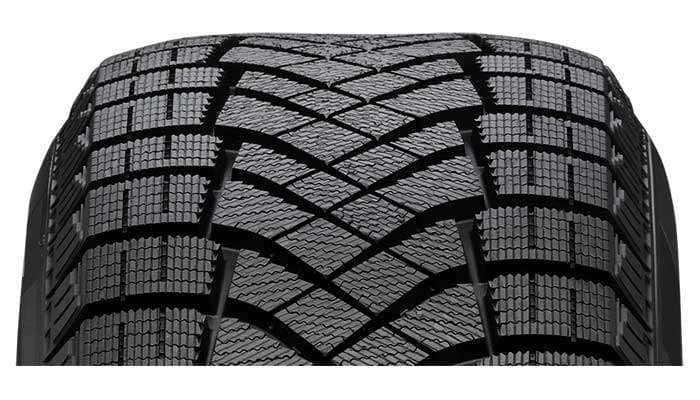
The Pirelli Ice Zero FR brings Italian engineering expertise to winter tire design, delivering a unique combination of crisp handling dynamics and winter capability. This studless winter tire stands out with its summer tire-like steering response while maintaining competitive snow and ice performance.
Snow traction proves solid though not segment-leading in the Ice Zero FR. Testing reveals the tire accelerates 1.12% faster than the Michelin X-Ice Snow in controlled snow conditions, demonstrating competitive deep snow capability. The directional tread pattern with 3D sipes creates effective biting edges for snow traction during acceleration and braking.
Initial acceleration from stops requires more patience than competitors, with some slip occurring before the tire finds full grip. Once rolling, however, the Ice Zero FR maintains confident traction through snow-covered corners and during moderate acceleration demands.
The tire's snow performance satisfies most winter driving requirements, though drivers facing extreme deep snow conditions regularly may find competitors like the Blizzak or Hakkapeliitta more capable in these specific scenarios.
Ice traction represents a relative weakness for the Ice Zero FR compared to class leaders. While perfectly adequate for typical winter driving conditions, the tire's ice grip falls slightly behind top competitors during aggressive braking situations.
Pirelli engineered the Ice Zero FR with a specialized compound that uses absorptive rubber technology to remove water from icy surfaces. This approach proves effective during normal driving but shows its limitations during emergency stops on glare ice.
For drivers who prioritize dry handling response and encounter ice less frequently, the Ice Zero FR's ice performance proves sufficient. Those facing regular icy conditions should consider the Blizzak WS90 or Hakkapeliitta R3 instead.
Dry pavement handling distinguishes the Ice Zero FR from competitors, with the tire delivering the best dry braking performance in its class. The steering response feels remarkably similar to summer tires—precise, communicative, and predictable through corners.
Wet handling characteristics prove equally impressive, with the directional tread pattern effectively managing water evacuation. Hydroplaning resistance remains strong, and the tire maintains its composed character even during aggressive wet-weather driving.
Drivers who value driving dynamics above pure winter traction often gravitate toward the Ice Zero FR for its unique ability to preserve enthusiast-friendly handling characteristics during winter months.
Comfort levels reach impressive heights in the Ice Zero FR, earning a 95-point score in comfort evaluations. The tire's construction absorbs road imperfections effectively while maintaining the connected feeling that performance-oriented drivers appreciate.
Noise performance proves mixed, with the tire earning a 6.5 out of 10 rating—adequate but not exceptional. Some tread rumble remains noticeable at highway speeds, though it rarely becomes intrusive during normal driving.
Overall refinement levels satisfy most drivers, with the tire's handling benefits often outweighing its modest noise disadvantage for those prioritizing driving dynamics.
Pricing for the Pirelli Ice Zero FR ranges from approximately $150 to $300 per tire, placing it firmly in the premium segment. Common sizes for sedans and crossovers typically fall in the $180-$220 range per tire.
Pirelli offers a standard manufacturer warranty covering defects but provides no mileage guarantee. Treadwear proves competitive with other premium winter tires, with most drivers achieving multiple seasons of reliable performance.
For driving enthusiasts who refuse to sacrifice handling dynamics during winter months, the Ice Zero FR's pricing delivers excellent value despite modest compromises in pure winter traction.
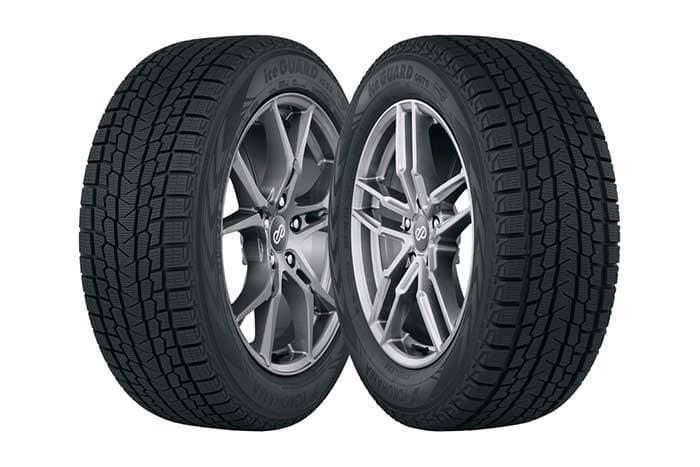
The Yokohama iceGUARD iG53 represents an excellent value proposition in the winter tire market, delivering solid performance at prices significantly lower than premium competitors. This studless winter tire proves particularly appealing for budget-conscious drivers who still demand genuine winter capability.
Snow traction meets respectable standards in the iceGUARD iG53, with the tire providing confident grip in typical winter conditions. The asymmetric tread pattern creates effective snow biting edges, while the specialized compound maintains flexibility in cold temperatures for consistent performance.
Testing reveals good snow traction once rolling, though initial acceleration from stops shows slightly more slip compared to premium competitors. The tire finds grip quickly and maintains confident traction through moderate snow accumulations.
For drivers facing occasional snow rather than daily winter extremes, the iceGUARD iG53's snow capabilities prove more than adequate for safe, confident driving.
Ice performance utilizes Yokohama's absorptive rubber compound technology, which removes surface water to enable direct rubber-to-ice contact. This approach delivers functional ice traction that meets basic winter driving requirements without matching premium tire performance levels.
The tire performs adequately during controlled braking on icy surfaces, though emergency stopping distances extend somewhat compared to class leaders. Drivers should maintain increased following distances when driving the iG53 on ice-covered roads.
For regions where ice conditions occur less frequently than snow, the iceGUARD iG53's ice performance proves acceptable while delivering significant cost savings.
Dry and wet handling characteristics fall slightly behind class leaders, earning a SimpleScore of 8.83 in comprehensive testing. The tire handles predictably on clear pavement but lacks the crispness and responsiveness of premium winter tires.
Wet traction proves adequate for winter driving conditions, with the tread pattern effectively managing water evacuation. Hydroplaning resistance meets expectations without standing out from the competition.
For daily commuting and typical winter driving scenarios, the iceGUARD iG53's handling proves perfectly acceptable, particularly given its attractive pricing.
Ride quality leans toward the soft side of the spectrum, absorbing bumps and road imperfections effectively. This compliant character appeals to comfort-oriented drivers prioritizing smooth daily commutes over sporty handling dynamics.
Noise levels vary noticeably with road surface conditions, with some surfaces generating more tread noise than others. Highway cruising can produce noticeable tire drone in certain situations, though it rarely becomes objectionable during normal driving.
Overall comfort levels satisfy most drivers seeking a budget-friendly winter solution, particularly those driving vehicles already oriented toward comfort rather than performance.
Pricing represents the iceGUARD iG53's primary advantage, ranging from just $82 to $195 per tire depending on size. This pricing delivers substantial savings compared to premium competitors, often allowing drivers to purchase a complete set for the cost of two premium tires.
Yokohama offers a 30-day trial satisfaction guarantee, allowing customers to return the tires if not satisfied with performance. While no mileage warranty exists, the tire's price point makes replacement costs more manageable than premium alternatives.
For budget-conscious drivers who need genuine winter traction without premium tire pricing, the iceGUARD iG53 delivers excellent value that makes winter tire ownership accessible to more drivers.
Feature |
Bridgestone Blizzak WS90 |
Michelin X-Ice Xi3 |
Nokian Hakkapeliitta R3 |
Pirelli Ice Zero FR |
Yokohama iceGUARD iG53 |
|---|---|---|---|---|---|
Snow Traction |
Excellent with 15% more block edges; superior acceleration |
Excellent with Cross-Z sipes; maintains grip through tire lifespan |
Outstanding; features Snow Claws technology; excellent stability with reduced electronic intervention |
1.12% faster acceleration than Michelin X-Ice Snow |
Good traction once moving; initial slip from stops |
Ice Traction |
Best-in-class; stops 15 feet shorter from 50mph vs competitors |
Excellent with Micro-Pumps technology; strong emergency braking |
Features Cryo Crystal 3 technology; scored 80 points in Nordic testing |
Slightly weaker ice grip compared to competitors |
Uses absorptive rubber compound for water removal |
Dry/Wet Handling |
Responsive steering; 9-10 rating for handling; good hydroplaning resistance |
Similar to all-season tires; tight on-center feel |
Predictable handling; slightly softer feel on dry roads |
Best dry braking in class; summer tire-like steering |
Slightly behind class leaders; SimpleScore 8.83 |
Comfort & Noise |
Distinctive growl; 9-10 for ride quality; 7-8 for noise |
Remarkably quiet for winter tire; some high-speed "zing" |
88% comfort rating; exceptionally quiet |
95-point comfort score; 6.5/10 noise rating |
Soft ride; noticeable road noise variation |
Price Range |
$117-$268 per tire |
~$700 for set of four (195/65R15) |
$136-$481 per tire |
$150-$300 per tire |
$82-$195 per tire |
Warranty |
90-day Buy & Try Guarantee; no mileage warranty |
40,000-mile treadwear warranty; 60-day satisfaction guarantee |
Standard limited warranty; no mileage guarantee |
Standard manufacturer warranty |
30-day trial satisfaction guarantee |
The comparison reveals clear performance leaders in specific categories. The Blizzak WS90 dominates ice performance with its 15-foot advantage in emergency stopping. The X-Ice Xi3 stands alone with its 40,000-mile warranty, making it exceptional value for drivers seeking long-term performance. The Hakkapeliitta R3 offers the quietest ride while maintaining strong winter capabilities. Budget-conscious drivers will find excellent value in the Yokohama iceGUARD iG53, which delivers solid winter performance at prices starting under $85 per tire.
Selecting the right winter tires depends on your specific driving conditions, vehicle type, and priorities. Each tire we've analyzed demonstrates unique strengths worth considering. The Bridgestone Blizzak WS90 consistently excels in ice braking performance, making it an outstanding choice for regions with frequent freezing rain or icy conditions. The Michelin X-Ice Xi3 offers exceptional value through its rare 40,000-mile warranty, essentially guaranteeing multiple seasons of reliable winter performance.
Drivers facing extreme Nordic-like conditions will find the Nokian Hakkapeliitta R3 most appealing with its remarkable stability and reduced electronic intervention during emergency maneuvers. The Pirelli Ice Zero FR stands out with its summer-like steering response and impressive comfort levels, though it sacrifices slightly on pure ice grip. Budget-conscious shoppers should consider the Yokohama iceGUARD iG53, which delivers respectable winter performance at a significantly lower price point than premium competitors.
Safety remains the paramount concern when selecting winter tires. Even the most advanced all-wheel-drive systems benefit tremendously from dedicated winter rubber, potentially reducing stopping distances by 25-35% compared to all-season options. This difference translates to approximately two to three car lengths—often the margin between a safe stop and a collision during winter emergencies.
Many drivers prioritize ice performance above all else, while others might value comfort, warranty coverage, or value pricing. You can shop our selection of premium winter tires at Performance Plus Tire to find the perfect match for your vehicle and driving conditions. Our knowledgeable staff can guide you through the selection process to ensure you get the right fitment and performance for your specific needs.
Remember to install your winter tires before temperatures consistently fall below 45°F (7°C) and remove them when spring arrives to maximize both safety and longevity. The right winter tires transform winter driving from a stressful experience into a confident, controlled journey regardless of what Mother Nature throws your way.
Winter tires can be the difference between a safe stop and a serious collision, with dedicated snow tires reducing stopping distances by up to 35% compared to all-season tires.
• Bridgestone Blizzak WS90 dominates ice performance - Stops 15 feet shorter from 50mph than competitors, making it ideal for frequent icy conditions • Michelin X-Ice Xi3 offers rare 40,000-mile warranty - Only winter tire with treadwear guarantee, providing exceptional long-term value • Install winter tires before 45°F consistently - Temperature threshold where winter compounds outperform all-season tires significantly • Even AWD vehicles need winter tires - Dedicated winter rubber improves stopping by 25%, roughly 2-3 car lengths in emergencies • Budget option delivers solid performance - Yokohama iceGUARD iG53 costs $82-195 per tire while maintaining respectable winter capabilities
The key is matching tire strengths to your specific conditions: choose Blizzak for ice-prone areas, X-Ice for longevity, Hakkapeliitta for extreme conditions, or Yokohama for budget-conscious buyers. Regardless of choice, any dedicated winter tire dramatically improves safety over all-season alternatives when temperatures drop.
Based on extensive testing, the top-rated snow tires for 2025 include the Bridgestone Blizzak WS90, Michelin X-Ice Xi3, Nokian Hakkapeliitta R3, Pirelli Ice Zero FR, and Yokohama iceGUARD iG53. Each offers unique strengths in winter performance, comfort, and durability.
Winter tires can reduce stopping distances on packed snow by up to 35% compared to all-season tires. This significant improvement in braking performance can be the difference between a safe stop and a collision in winter driving conditions.
Yes, winter tires are still highly beneficial even with all-wheel drive. Dedicated winter tires can reduce your stopping distance by up to 25% (about two to three car lengths) compared to all-season tires, providing crucial additional safety in treacherous winter conditions.
The lifespan of winter tires varies depending on usage and care, but many modern winter tires can last multiple seasons. Some, like the Michelin X-Ice Xi3, come with treadwear warranties up to 40,000 miles. Proper storage and seasonal use can significantly extend their lifespan.
It's generally recommended to install winter tires when temperatures consistently fall below 45°F (7°C), which is typically around late fall. They should be removed in spring when temperatures rise above this threshold to prevent unnecessary wear and maintain optimal performance for the next winter season.