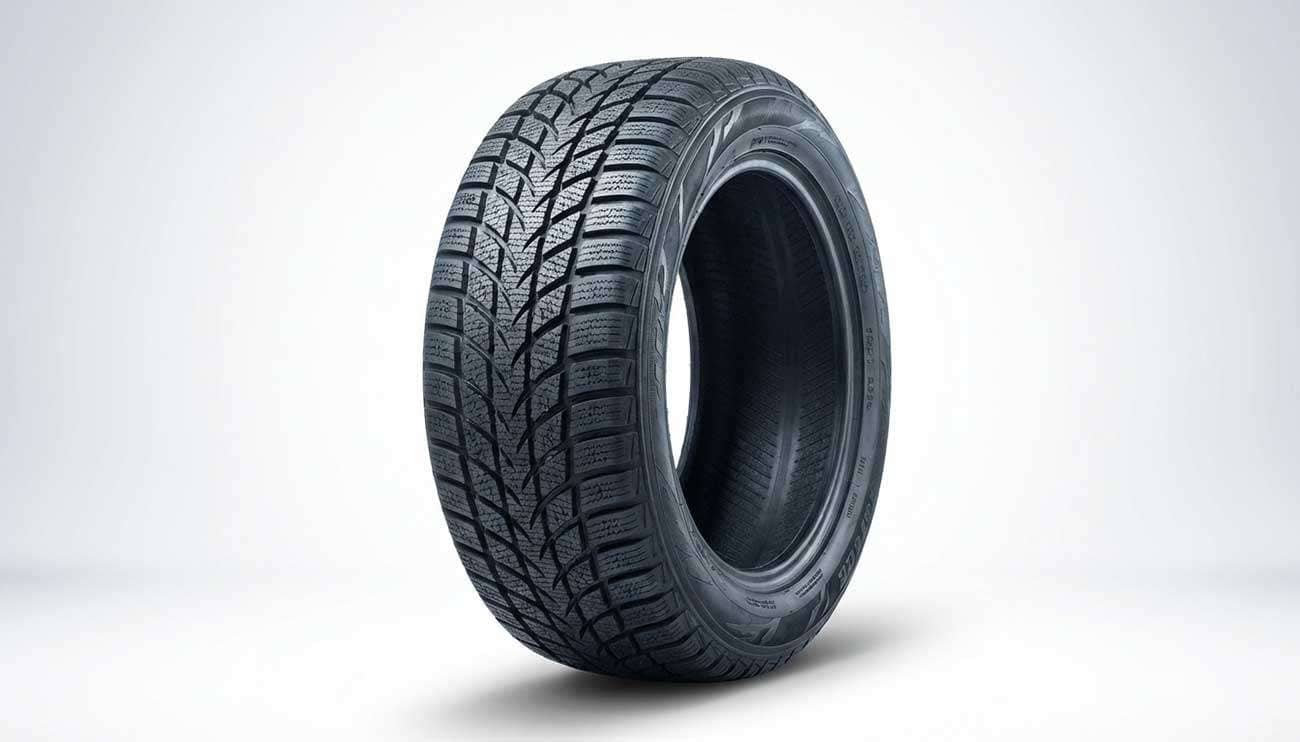
Winter driving creates serious safety challenges that proper tire selection can solve. Research shows 46% of all weather-related crashes occur during winter months, making winter tires one of the most important safety investments you can make for your vehicle.
The performance difference is substantial. Vehicles equipped with winter tires stop 30% shorter than those with all-season tires. When you're traveling 30 mph on snowy roads, winter tires bring you to a complete stop in about 93 feet, while all-season tires need 122 feet – nearly two car lengths longer. Summer tires perform even worse, requiring a dangerous 213 feet to stop completely.
Temperature makes all the difference in tire performance. At minus 22 degrees Fahrenheit, winter tires maintain their flexible grip while all-season tires become hard and lose their effectiveness. This superior cold-weather performance explains why 81% of winter tire owners in Canada credit their tires with preventing accidents or loss of control.
At Performance Plus Tire, we understand that your safety depends on having the right tires for the conditions you face. This article examines what extensive snow testing reveals about winter tire performance, explains how these specialized tires work differently from standard options, and helps you determine whether this investment makes sense for your specific driving needs.
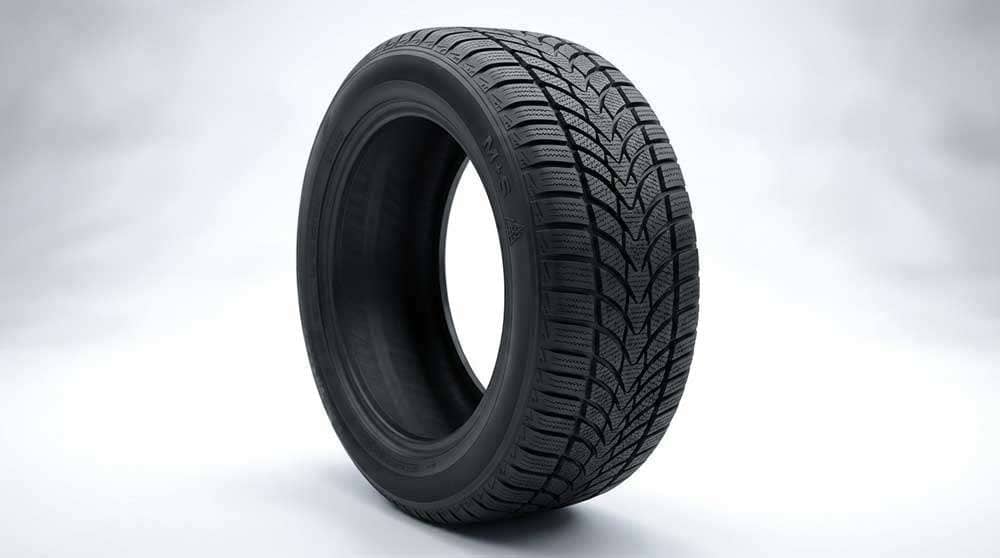
Extensive testing across multiple surfaces provides clear evidence of winter tires' superior performance in cold conditions. These specialized tires consistently outperform all-season alternatives in every measurable category that matters for winter driving safety.
Controlled testing reveals dramatic differences in stopping power. Vehicles with winter tires stopped in approximately 59 feet on snow-packed roads at 30 mph, while all-season tires needed an additional 30 feet to achieve the same result. This two-car-length difference can determine whether you avoid a collision or become part of the accident statistics.
Data from the Tire and Rubber Association of Canada confirms braking distances improve by up to 30% with winter tires on icy or snowy surfaces. Ice testing shows even more striking results - winter tires stopped in just 34 feet on ice from 12 mph, compared to 57 feet required by all-seasons.
The performance advantage continues at highway speeds. Testing at 60 km/h showed winter-equipped cars stopped after 18 meters, while all-season tires needed 27.1 meters. Even on dry pavement in cold conditions, all-season tires required 30% longer stopping distances than winter tires.
Winter tires deliver superior acceleration capabilities beyond just stopping power. Test vehicles equipped with winter tires accelerated to 60 meters in 8 seconds, versus 11 seconds for all-season tires - a significant 27.3% improvement. This enhanced grip proves essential when pulling away from intersections or climbing snowy hills.
Cornering tests demonstrate the most dramatic performance gap. At 25 mph through a 90-degree turn on snow, only the winter tire vehicle completed the maneuver successfully, while the all-season equipped car slid off the road despite having stability control. These results show that winter tires provide control that electronic safety systems alone cannot deliver.
Ice acceleration testing on skating rinks confirms winter tires' grip advantage. The Michelin Pilot Alpin PA4 completed a 60-foot ice acceleration run in 4.94 seconds, with other winter tire brands delivering similar performance. These tests prove that even average winter tires outperform the best all-season tires in genuine winter conditions.
Winter-specific rubber compounds stay pliable below 45°F (7°C), while all-season tires become rigid and lose grip. This flexibility allows winter tires to maintain contact with road surfaces across all conditions, not just snow and ice.
The 45°F threshold marks where winter tires begin showing their advantage. Below this temperature, their specialized compounds deliver better traction even on dry roads.
Most impressive, winter tires provide better traction on snowy surfaces at -40°C than all-season tires deliver at +4°C. This exceptional cold-weather capability explains why drivers consider winter tires absolutely essential for maintaining vehicle control during harsh winter months.
Testing data clearly demonstrates that winter tires offer measurably better performance across every winter driving scenario. Whether stopping, accelerating, or turning, the evidence strongly supports their value for safer winter driving.
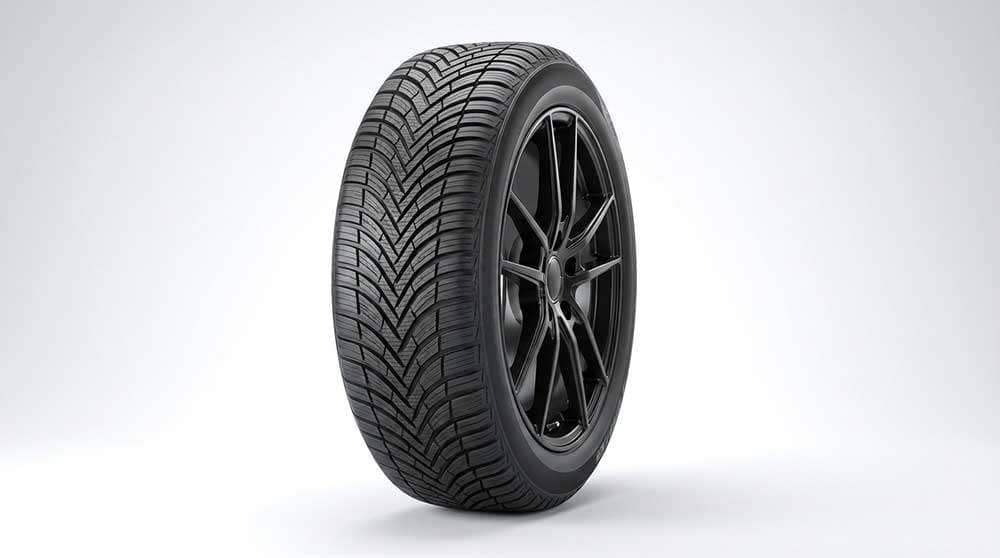
Winter tires represent completely different engineering from regular tires. These aren't just standard tires with deeper tread patterns—they're purpose-built products designed specifically for cold-weather driving conditions.
The key difference between winter and all-season tires lies in their chemical makeup. Winter tires use specialized rubber compounds with a higher proportion of natural rubber that stays flexible even when temperatures drop below freezing. Regular tire rubber hardens and loses grip when cold, reducing traction on all road surfaces.
Winter tire compounds include silica, oils, and specific resins mixed with natural rubber to maintain flexibility below 7°C (45°F). These ingredients allow the tire to conform better to road surfaces in cold conditions, creating stronger grip through maintained elasticity. The specialized compound delivers superior traction on snowy surfaces at -40°C compared to what all-season tires provide at +4°C.
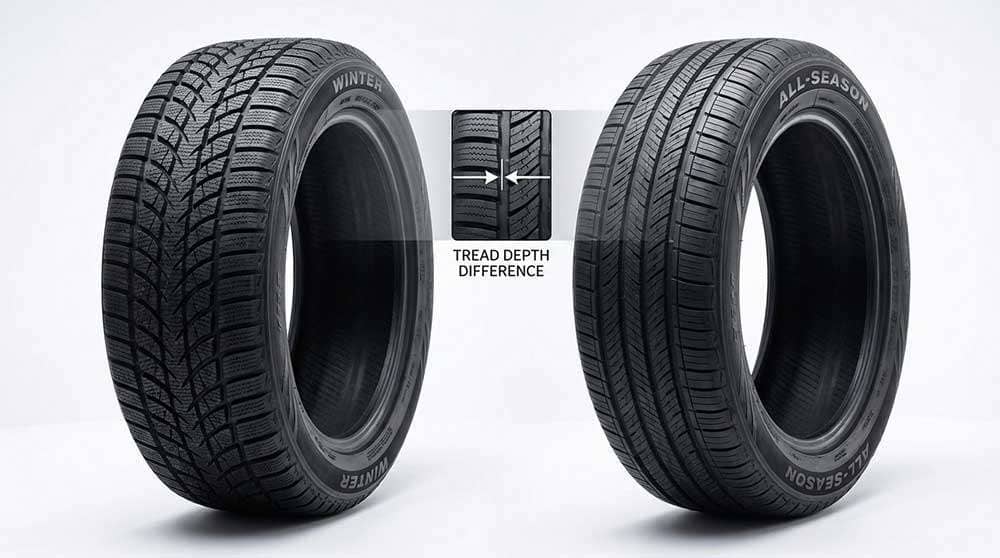
Winter tires feature distinct tread designs engineered for cold-weather performance. The deeper, wider tread grooves serve two important purposes. First, they bite into snow more effectively. Second, they use a smart principle—snow grips snow better than anything else. When snow fills these channels, it creates snow-on-snow contact that dramatically improves traction.
The most clever feature is the abundance of tiny slits called "sipes". These small cuts increase surface area, creating thousands of biting edges that grip ice and snow. Modern winter tires use advanced 3D sipes that lock together when compressed, providing stability while maintaining flexibility. This system multiplies traction with hundreds of fine edges that dig into winter surfaces.
Many winter tires also feature V-shaped tread patterns designed to cut through deeper snow while maintaining directional stability. This design channels snow, slush, and water away from the contact patch, reducing hydroplaning risk.
Manufacturers use the three-peak mountain snowflake (3PMSF) symbol to help identify genuine winter tires. This certification means the tire passed specific performance testing by exceeding a reference tire's traction by at least 10% in standardized snow tests. The symbol guarantees the tire meets minimum severe snow service requirements established by the U.S. Tire Manufacturers Association.
While all winter tires carry the 3PMSF symbol, not all tires with this symbol are true winter tires. The certification only measures acceleration traction on medium-packed snow—not braking, turning, or ice performance. For genuine winter performance across all conditions, dedicated winter tires with specialized compounds and tread designs remain the best choice.
Understanding when to make the switch to winter tires matters just as much as knowing their benefits. The timing of this decision directly impacts your safety and the performance you get from your investment.
The 45°F threshold represents a critical point in tire chemistry. At this temperature, regular tire rubber begins to stiffen like cold butter, reducing its ability to conform to road surfaces and decreasing grip even on dry pavement.
This scientific fact has created the practical "7:7 rule" for winter tire usage: install them after seven consecutive days below 7°C (45°F). Remove them after seven straight days above this temperature in spring. This approach ensures optimal traction throughout winter while extending the life of both your winter and all-season tires.
Winter tires become essential when you regularly face:
Temperatures consistently below 45°F, with or without snow
Snow, ice, or freezing rain conditions
Morning frost on roads, especially bridges and overpasses
Mountain driving or hilly terrain during winter months
Most cold-climate regions require winter tires between October 1 and April 30. Your local weather patterns should guide your schedule rather than calendar dates alone.
Many drivers mistakenly believe that AWD or 4WD eliminates the need for winter tires. Winter tires actually improve stopping distances by up to 25% on snowy roads compared to all-seasons, regardless of your drive system.
Here's the key point: AWD helps you accelerate but does nothing to improve braking or cornering in winter conditions. Consumer Reports testing proves that winter tires matter more than all-wheel drive in many winter driving situations.
A front-wheel-drive vehicle with winter tires will stop shorter than an AWD vehicle with all-seasons. Your AWD system can only work with the grip your tires provide.
For maximum winter safety, visit Performance Plus Tire to find winter tires specifically designed for your vehicle. Our winter tire specialists help you select the right option based on your typical driving conditions and vehicle requirements.
Winter tires represent a smart safety investment that far outweighs their cost—especially when you consider that 41% of all weather-related crashes happen in winter conditions.
Understanding the financial side of winter tires helps you make the best decision for your budget and safety needs. We believe in providing practical information about costs and maintenance so you can get maximum value from your winter tire investment.
Winter tire costs vary depending on your vehicle and performance needs. A complete set of four winter tires typically ranges from $400 to $800, though premium options or specialty sizes may cost more. Here's what different types generally cost:
Studless winter tires: $400-$1,200 for a set
Studded winter tires: $500-$1,500 for a set
Performance winter tires: $800-$2,000 for a set
Additional costs include a separate set of rims ($400-$800) and installation fees ($200-$600 if not included with purchase). Many tire shops offer seasonal storage for $90-$250 per season, which can be worth the convenience.
Winter tires represent excellent value when you consider their durability. Most winter tires last between four to six seasons with proper care, and some drivers report using them up to nine seasons depending on driving conditions.
The key factor is seasonal use. Winter tires typically see service only 4-5 months yearly, which translates to approximately 4,500 miles annually for average drivers. This limited seasonal use extends their lifespan significantly compared to year-round tires.
Replace winter tires when tread depth reaches 6/32 of an inch - deeper than the 1/8 inch standard for all-season tires. Winter tires need adequate tread depth to maintain their snow and ice performance.
Taking care of your winter tires during the off-season protects your investment. Before storage:
Clean tires thoroughly with mild soap and water to remove road grime
Allow complete drying to prevent moisture damage
Store in airtight bags to preserve rubber oils
Storage location makes a huge difference. Choose a cool, dry, dark place with temperatures between 7-20°C. Basements work better than freezing garages or hot attics. Keep tires away from direct sunlight, furnaces, electrical equipment, and chemical solvents.
Store mounted tires horizontally or hanging. Unmounted tires should stand upright to prevent sidewall damage.
Regular maintenance keeps winter tires performing at their best throughout the season. Check tire pressure every two weeks during winter months. Cold weather significantly affects pressure - every 10°C temperature drop reduces pressure by 0.07-0.14 bar (1-2 PSI).
Rotate tires every 4,000-6,000 miles, though winter conditions may require more frequent rotations. Regular rotation ensures even wear and consistent performance across all four tires.
At Performance Plus Tire, our experienced technicians provide professional rotation services and expert maintenance advice to help you get maximum performance and value from your winter tires.
Winter tires deliver excellent cold-weather performance, but they come with limitations that affect year-round use. Understanding these drawbacks helps you make the right decision for your driving needs and budget.
Winter tires increase fuel consumption by 1-5% compared to all-season tires under similar conditions. The specialized tread design creates higher rolling resistance, which works against fuel efficiency. City driving in cold weather already reduces fuel economy by 15%, and winter tires add to this efficiency loss. The deeper treads and softer compounds that grip snow so effectively create more drag on dry pavement.
Winter tires wear down much faster on warm, dry pavement. The soft rubber compounds that stay flexible in cold temperatures become too pliable when it's warm, causing distortion in the tread area. This leads to poor handling and rapid tire wear that can reduce their lifespan by up to 60% if used year-round.
Never use winter tires year-round. Beyond the accelerated wear, winter tires provide less precise handling in warm conditions. Studies show 15% less accuracy in steering and handling compared to appropriate seasonal tires. Winter tires are designed as seasonal products that should be removed and stored when temperatures consistently stay above 45°F (7°C).
At Performance Plus Tire, we recommend switching back to all-season or summer tires once winter conditions end. Our tire experts can help you plan the right seasonal tire strategy to maximize performance, safety, and value throughout the year.
Winter tires deliver measurable safety advantages when temperatures drop below 45°F. The evidence from extensive testing clearly shows their superior stopping power, cornering ability, and traction compared to all-season alternatives.
The investment makes practical sense for most drivers. A complete set costs $400 to $800 and lasts four to six seasons, making the annual cost reasonable when you consider the safety benefits. The 7°C rule provides a simple guideline—install winter tires after seven consecutive days below 45°F and remove them when temperatures stay above this threshold for seven days in spring.
Winter tires do have limitations. They reduce fuel efficiency by 1-5% and wear quickly on warm pavement, which is why seasonal use is essential. However, these drawbacks are minor compared to the safety advantages they provide during cold weather driving.
The decision depends on your specific driving conditions. If you regularly drive in temperatures below 45°F, especially with snow or ice present, winter tires offer protection that AWD systems and electronic aids cannot match alone. The 46% of weather-related crashes that occur during winter months make this investment particularly worthwhile.
Ready to upgrade your winter safety? Visit Performance Plus Tire to find winter tires designed for your vehicle and driving conditions. Our tire specialists can help you select the right option based on your specific needs and ensure proper fitment for maximum performance.
Winter tires provide control and safety that could make the difference between a safe arrival and a dangerous situation. The cost of winter tires is minimal compared to the potential consequences of inadequate winter traction.
Extensive testing of 1,000 snow scenarios reveals winter tires deliver measurably superior safety and performance compared to all-season alternatives in cold conditions.
• Winter tires reduce braking distances by up to 30% on snow and ice, stopping 2 car lengths shorter than all-season tires at just 30 mph.
• The 7°C (45°F) rule is critical - winter tires outperform all-seasons even on dry pavement once temperatures drop below this threshold.
• AWD and 4WD don't eliminate the need for winter tires since these systems only help acceleration, not braking or cornering performance.
• Winter tires cost $400-$800 for a set but last 4-6 seasons with proper storage, making them cost-effective over time.
• Never use winter tires year-round as they wear 60% faster in warm weather and reduce fuel efficiency by 1-5%.
The investment in winter tires becomes worthwhile when you consider that 46% of weather-related crashes occur during winter months, and proper tires could mean the difference between a safe stop and a collision.
Winter tires provide significantly better traction and shorter stopping distances in cold, snowy, and icy conditions compared to all-season tires. While not legally required everywhere, they offer substantial safety benefits when temperatures regularly drop below 7°C (45°F).
A set of four winter tires usually ranges from $400 to $800, depending on the size and brand. While this may seem expensive initially, winter tires can last 4-6 seasons with proper care and storage, making them a cost-effective safety investment over time.
Yes, winter tires are still beneficial for AWD vehicles. While AWD helps with acceleration, it doesn't improve braking or cornering in winter conditions. Winter tires provide better overall traction and handling for all types of vehicles in cold weather.
The general rule is to install winter tires when temperatures consistently fall below 7°C (45°F) for at least seven consecutive days. This typically occurs between October and April in regions with cold winters, but the exact timing depends on your local climate.
It's not recommended to use winter tires year-round. Their softer rubber compound wears down quickly in warm temperatures, reducing their lifespan and performance. Additionally, winter tires may provide less precise handling and increased fuel consumption in warm weather compared to all-season or summer tires.