
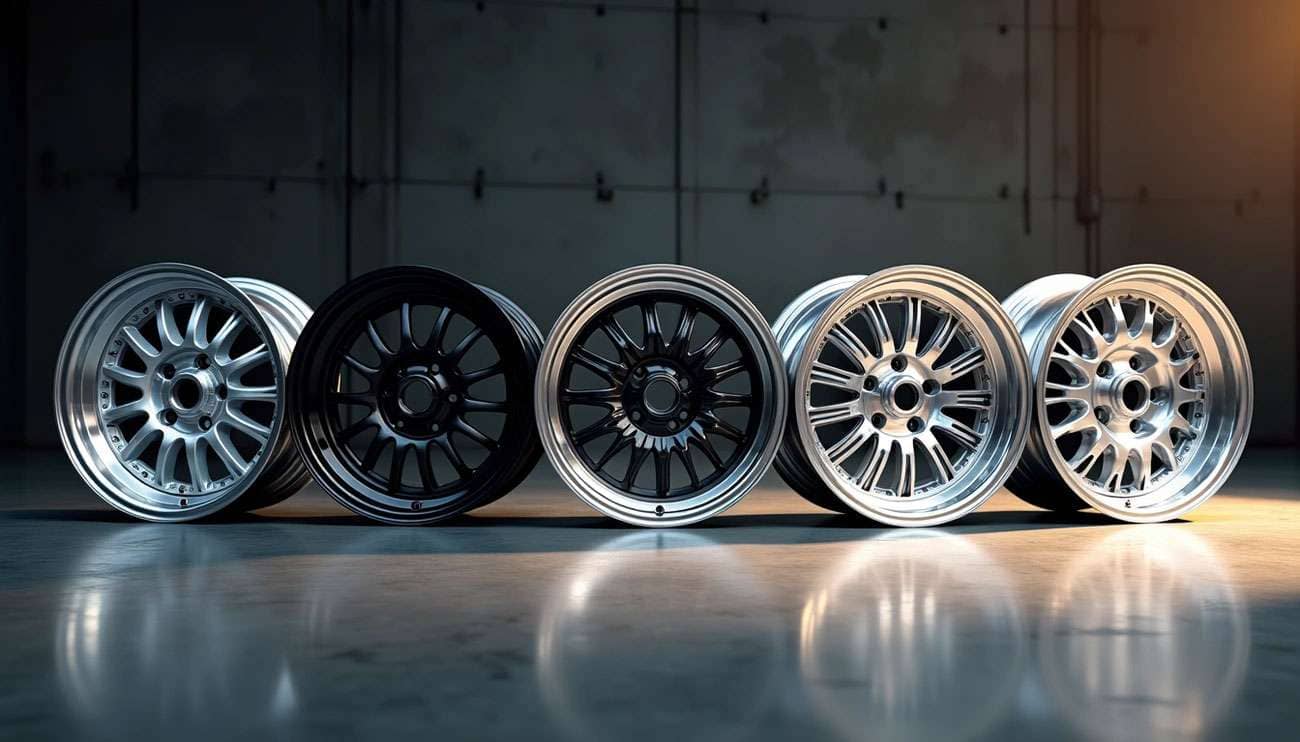
Types of rims for trucks have exploded in variety as truck owners demand more customization options than ever before. We see customers upgrading from basic factory wheels to everything from rugged steel designs to lightweight alloy and eye-catching chrome finishes.
Most truck wheels use either aluminum or steel construction, and each material delivers distinct advantages for different driving needs. Your choice between various types of wheels for trucks impacts far more than just appearance - it directly affects your vehicle's performance, durability, and fuel efficiency. Alloy wheels balance lightweight construction with impressive strength, delivering better performance and improved fuel efficiency for trucks. Steel wheels focus on maximum durability and budget-friendly pricing.
We understand that choosing the right truck rim types can feel overwhelming with so many options available. That's why we've put together this guide to help you find exactly what your truck needs. From steel wheels that cost three to four times less than aluminum alternatives to forged wheels that rank among the strongest available, we'll break down everything you need to know about truck rims. Whether you're looking for better performance, standout appearance, or staying within your budget, this guide will help you make the right decision for your truck.
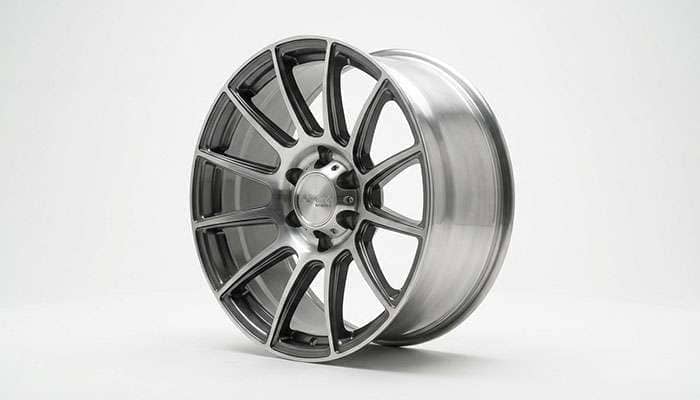
Aluminum alloy rims have gained popularity among truck owners who want both style and performance improvements. These truck rim types combine aluminum with other metals like magnesium, nickel, or silicon to create wheels with exceptional properties. Alloy wheels deliver a smart balance between durability and appearance while providing real performance benefits for your vehicle.
Alloy truck rims use a sophisticated composition that sets them apart from other wheel materials. Aluminum serves as the primary metal, blended with complementary metals to enhance specific properties. This combination creates wheels with an excellent strength-to-weight ratio that significantly improves vehicle performance.
Manufacturing techniques determine the quality of different types of rims for trucks. Two primary methods dominate alloy wheel production:
Casting - The most common and cost-effective method where molten metal gets poured into a mold. This technique allows for complex designs while keeping production costs reasonable.
Forging - A premium manufacturing process that applies high pressure to shape solid aluminum blocks. Forged alloy wheels provide superior strength and reduced weight, though at a higher price point.
Alloy wheels excel at heat conductivity. This characteristic helps them dissipate brake-generated heat efficiently, reducing the risk of brake fade during demanding driving conditions. A lightweight alloy wheel can be up to 45% lighter than a conventional steel wheel, allowing for increased loading capacity without compromising resilience and quality.
The structure of alloy wheels makes them highly responsive to driver inputs. Many feature one-piece construction, forged from a single piece of metal, resulting in enhanced uniform strength compared to steel wheels that are welded together from several parts. The perfectly round shape of aluminum wheels reduces vibration and tire wear, extending the lifespan of suspension components.
When choosing among different types of truck wheels, understanding the advantages and disadvantages of alloy options helps you make the right decision.
Pros:
Significant weight reduction - Up to 45% lighter than steel wheels, improving handling, acceleration, braking, and fuel efficiency
Enhanced heat management - Superior heat dissipation improves brake performance and reduces failure risk
Increased payload capacity - Weight savings can translate directly to increased loading capability
Corrosion resistance - Made from highly corrosion-resistant materials that significantly reduce oxidation
Esthetic versatility - Available in wide range of designs, finishes, and colors for personalization
Precision handling - Reduced unsprung weight provides more responsive steering and better road contact
Improved fuel efficiency - Studies show a 10% decrease in wheel weight can increase mileage by up to 2%
Cons:
Higher initial investment - More expensive than steel alternatives, reflecting advanced manufacturing
Vulnerability to damage - More prone to cracking or bending upon impact with potholes or curbs
Regular maintenance requirements - Need cleaning to prevent brake dust buildup and maintain appearance
Theft concerns - High-end alloys can attract thieves, requiring additional security measures
Susceptibility to surface damage - The softer aluminum material makes them more vulnerable to scratches and curb rash
The cost of alloy truck rims varies based on several factors, so it's important to establish a realistic budget before exploring different types of rims for your truck.
Alloy wheels typically range from $100 to $500 per wheel. A complete set of four alloy rims costs between $400 and $2000 depending on design complexity, size, and brand reputation. For one-piece alloy wheels, which represent the most common type found on roads today, prices vary primarily based on manufacturing method:
Cast Aluminum: $233-$342 (standard); $494-$590 (premium)
Flow-formed: $350-$500 (standard); $600-$800 (premium)
Forged: $500-$800 (standard); $1000+ (premium)
Several factors influence the final price:
Manufacturing Process: Forged alloys command premium prices due to their enhanced strength and reduced weight
Design Complexity: Intricate patterns and specialized finishes add to manufacturing costs
Wheel Size: Larger diameter wheels (18+ inches) generally cost more than smaller options
Brand Reputation: Established manufacturers with proven quality records typically charge more
When budgeting for new truck rims, consider additional expenses. These include new tires (if upgrading to larger rims), mounting and balancing services ($15-$50 per tire), wheel alignment ($75-$150), and potentially shipping costs for online purchases.
Despite the higher initial investment, many truck owners find alloy wheels provide excellent long-term value. Aluminum wheels continue to look good after many years, and used trucks with aluminum wheels can be sold more easily and with a higher salvage value. Their lightweight properties contribute to fuel savings over the vehicle's lifetime, partially offsetting the initial cost premium.
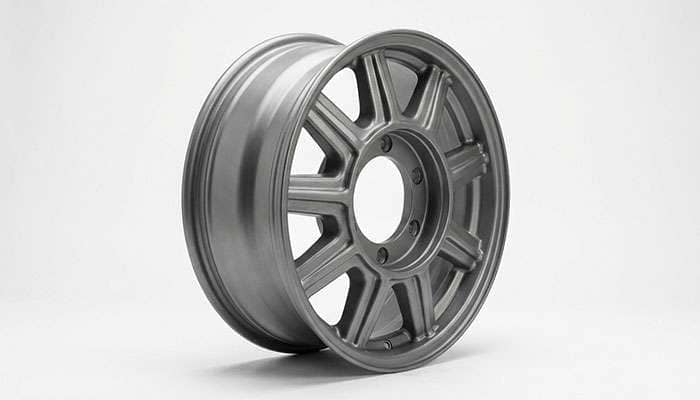
Steel truck rims serve as the backbone of commercial trucking, delivering unmatched durability for drivers who need wheels that can handle anything. These wheels have proven themselves through decades of reliable service across construction sites, off-road trails, and demanding work environments. Truck owners choose steel rims when exceptional durability and budget-friendly pricing matter most.
Steel truck rims use high-strength, low-alloy (HSLA) steel construction, creating wheels that can withstand tremendous stress without failure. The manufacturing process involves pressing sheet metal into shape, then welding separate pieces together to form a complete wheel. This creates wheels that are nearly impossible to crack and extremely difficult to bend.
Standard steel wheels feature straightforward, utilitarian designs with basic spoke patterns and simple finishes. Manufacturers have developed innovative variations to improve functionality. Accuride's Accu-Lite Steel Wheels use advanced HSLA steel to reduce weight without sacrificing load capacity. These specialized two-hand hole wheels weigh only 67 pounds, while five-hand hole versions weigh just 65 pounds – approximately 8 pounds lighter per wheel than standard options.
Steel rims excel in challenging environments where durability matters most. Their remarkable strength makes them perfect for trucks regularly facing extreme off-highway conditions. Steel's exceptional malleability prevents chipping or breakage from impacts. This proves especially valuable when driving through snowy or muddy terrain, where wheel durability becomes critical.
Steel's thermal behavior provides another advantage. Steel contracts less than aluminum in cold temperatures, helping maintain proper tire pressure during winter months. Steel wheels also show impressive resistance against dirt, sand, and brake depletion, making them ideal for work trucks operating in harsh conditions.
Different truck applications require different sizes. Common options include 17.5", 19.5", 22.5", and 24.5" heavy-duty wheels with bolt circle configurations such as 10-11.25", 10-285.75mm, 10-8.75", and 8-275mm. Special variants like Accuride's 10-hand hole design weigh only 65 pounds while maintaining the same load rating as standard steel wheels.
Understanding steel wheel advantages and disadvantages helps you make the right choice for your truck's specific needs.
Pros:
Unmatched durability: Steel rims demonstrate extraordinary strength, making them nearly impossible to crack and extremely difficult to bend. This proves invaluable for trucks regularly facing rugged conditions or carrying heavy loads.
Cost-effectiveness: Steel rims typically start at just $50 compared to alloy wheels that begin at $75 each. This significant price advantage appeals to budget-conscious truck owners.
Repairability: Unlike alloy wheels that often require complete replacement when damaged, steel wheels can frequently be repaired when bent. Their malleable nature allows them to be hammered back into proper shape.
Winter performance: The additional weight of steel wheels creates better traction on snowy and icy roads. This enhanced stability during winter months provides a significant safety advantage.
Longevity: With proper maintenance, steel rims demonstrate impressive longevity, typically lasting 10-20+ years and often outlasting the vehicle itself. Some sources suggest reliable service for 15 years or more.
Salt resistance: Steel wheels withstand road salt better than alloy alternatives, crucial for preventing corrosion during harsh winter months.
Cons:
Weight penalty: Steel wheels weigh approximately 2.5-3 times more than equivalent aluminum wheels. This additional weight forces engines to work harder, directly increasing fuel consumption.
Performance impact: Real-world testing showed vehicles with lighter wheels achieved approximately 8% better fuel economy (22.8 mpg vs. 21.1 mpg) compared to heavier wheel setups.
Limited design options: Steel wheels offer significantly fewer design choices compared to alloy alternatives. Their utilitarian appearance features simple spoke patterns with basic painted or silver finishes.
Size restrictions: Most steel wheels are only available in sizes up to 16 inches, making them unsuitable for vehicles designed specifically for alloy wheels, cars with oversized brake calipers, vehicles with suspension modifications, or performance-oriented automobiles requiring larger wheel diameters.
Rust concerns: Over time, steel rims develop rust issues that may eventually prevent tires from sealing properly on the rim. This deterioration typically occurs after 10-15 years of use.
Steel truck rims offer the most economical option among different types of rims for trucks, with prices ranging from $50 to $150 per rim. This affordability makes them particularly appealing for commercial fleets and budget-conscious operators.
A complete set of four steel truck rims costs between $200 and $600, depending on size, design complexity, and brand reputation. A set of four steel wheels can cost three to four times less than aluminum alternatives, representing significant initial savings.
Several factors influence steel rim pricing:
Wheel Size: Larger diameter wheels command higher prices, with heavy-duty sizes like 22.5" and 24.5" generally costing more than smaller options.
Manufacturing Quality: Premium steel wheels with reinforced construction or specialized coatings typically demand higher prices.
Surface Treatments: Chrome-plated or powder-coated steel wheels cost more than basic painted options. Many manufacturers offer multiple powder coating choices that allow customization for specific colors or weather conditions.
Specialized Designs: Innovative options like Accuride's DupleX-One wheels, which replace traditional dual wheel sets with a single 22.5" x 14.00" wheel, often carry premium pricing.
Steel rims offer economic advantages beyond initial purchase costs through their repair potential. While aluminum wheels typically require replacement when damaged, steel wheels can often be repaired if bent, providing long-term cost benefits. When considering total ownership expenses, some trucking firms calculate that despite steel's durability, the eventual cost of sandblasting and repainting rusty steel rims sometimes makes purchasing new ones more economical, especially given their low replacement cost.
Load capacity also influences pricing, with heavy-duty steel wheels designed for commercial applications commanding higher prices. Specialized heavy-duty steel wheels can support impressive loads – some 22.5" x 8.25" steel rims offer load ratings up to 7,400 pounds with maximum pressure ratings of 131 PSI.
Off-road steel wheels designed specifically for truck applications typically feature additional reinforcement and thicker construction. Models like the Unique 42 two-piece steel wheel offer load capacities up to 3,650 pounds and come with durable powder-coated finishes, providing excellent value for trucks regularly facing challenging terrain.
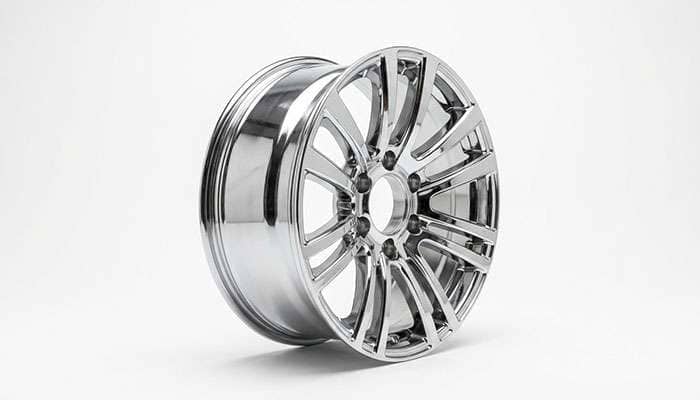
Chrome truck rims deliver that mirror-like finish that turns heads wherever you drive. These wheels aren't made entirely from chromium - they feature a specialized coating applied to a base wheel through an advanced electroplating process. This distinctive finish transforms ordinary wheels into show-stopping accessories that immediately elevate any truck's appearance.
Chrome wheels go through a sophisticated multi-step manufacturing process that creates their signature reflective surface. The electroplating procedure starts with thorough cleaning and polishing of the base wheel (typically aluminum alloy or steel) to create a smooth foundation. A thick copper layer (15-25 µm) ensures perfect smoothness, followed by a nickel layer (10-20 µm) that acts as armor against corrosion. The razor-thin chrome layer (0.25-0.5 µm) delivers that unmistakable mirror finish while providing scratch resistance.
What sets chrome wheels apart is their unmatched shine. The reflective surface creates a bold, luxurious presence that makes trucks stand out immediately. This brilliant appearance remains the benchmark by which wheel and parts finishing is measured. The chrome plating also serves as a protective barrier, shielding the underlying material from environmental damage when properly maintained.
Chrome wheels also influence driving dynamics. The added weight from the plating process can improve steering responsiveness and braking performance in some vehicles. Many truck owners appreciate how chrome wheels enhance both appearance and driving experience at the same time.
Pros:
Unmatched style - Chrome delivers mirror-like shine that stops traffic and enhances your vehicle's overall appearance
Strong protection - High-quality chrome plating provides exceptional rust and corrosion protection through its multi-layer defense system
Impressive longevity - When properly maintained, chrome wheels last many years thanks to one of the strongest wheel coatings available
Weather resistance - The chrome plating acts as a protective layer against moisture, road salt, and typical weather exposure
Better performance - Many drivers report improved steering responsiveness and braking performance due to the reflective surface and added weight
Cons:
Maintenance demands - Chrome requires consistent cleaning to preserve its polished appearance
Higher prices - Chrome wheels command premium pricing compared to standard alternatives
Repair difficulties - Once scratched, chrome wheels present significant repair challenges, with minor damage requiring specialized repair kits ($9.00-$18.00)
Environmental impact - The chroming process involves toxic chemicals and significant energy consumption
Added weight - Chroming adds weight that can potentially reduce performance advantages of lightweight wheels
Chrome truck rims typically command premium prices compared to other types of rims for trucks. Complete wheel/tire packages for chrome wheels start around $2,400.00, with individual wheels priced between $235.00 (20-inch) and $330.00 (22-inch). Re-chroming services can exceed $300.00 per wheel, often making replacement more economical than restoration.
Several factors influence chrome wheel pricing:
Base material - Chrome-plated aluminum wheels generally cost more than chrome-plated steel options
Manufacturing quality - Premium chrome plating involves multiple precise layers and careful preparation
Wheel size - Larger diameter wheels (20+ inches) typically command higher prices
Design complexity - Intricate patterns increase manufacturing costs
Potential buyers should consider warranty coverage when evaluating chrome wheels. Most manufacturers offer limited warranties ranging from one to three years, with many specifically covering "peeling and separation of the chrome from the wheel" for one year after purchase. This limited protection reflects the specialized nature of chrome finishing and its environmental vulnerabilities.
Chrome wheels maintain strong popularity worldwide. The global chrome wheels market reached $5.8 billion in 2024 and projects growth to $8 billion by 2035, with steady 3.0% annual growth. This continued demand shows chrome's enduring appeal as one of several different types of wheels for trucks that combine visual impact with practical performance benefits.
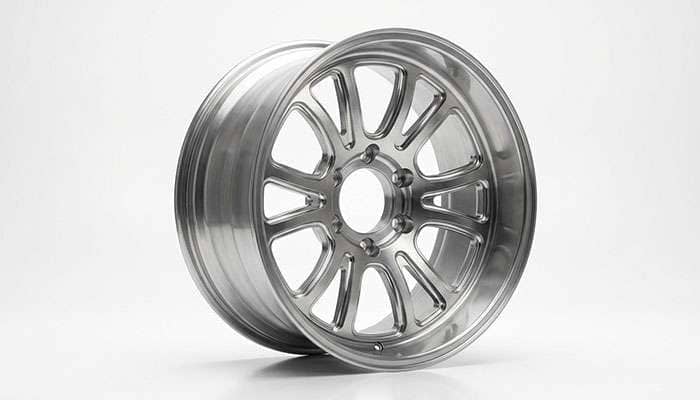
Forged truck rims stand at the top of wheel engineering, delivering unmatched strength-to-weight ratios that serious truck owners demand. These premium wheels represent the ultimate choice among different types of rims for trucks when performance matters most.
Forged truck rims start as solid aluminum blocks (billets) that get transformed under extreme heat and pressure. Massive hydraulic presses applying 8,000-10,000 tons of force compress the heated aluminum, completely changing its molecular structure. This compression aligns the metal's grain structure with the wheel's final shape, creating denser, stronger material.
The manufacturing process continues with multiple precision machining phases. Computerized numeric control lathes ensure perfect roundness and balance. Many manufacturers also use flow-forming technology to stretch the wheel channel, aligning the aluminum's granular flow in critical stress points.
Quality forged wheels go through rigorous testing during production. This includes dimensional checks, concentricity verification, and circularity testing. After machining, many undergo micro shot-blasting to compact the material further before receiving protective treatments against corrosion.
The forging process creates wheels that are approximately three times stronger than cast alternatives while being 25-30% lighter. This superior strength-to-weight ratio directly improves vehicle performance and handling characteristics.
Pros:
Superior strength - Can withstand 2.5 times more impact before showing serious damage compared to cast wheels
Lightweight construction - 25-30% weight reduction improves acceleration, braking, and handling
Enhanced durability - Dense structure resists cracking, with forged wheels typically bending rather than shattering when damaged
Better fuel efficiency - Reduced rotating mass improves overall vehicle efficiency
Customization options - Made-to-order capabilities allow precise fitment specifications
Improved comfort - Lighter construction allows suspension components to react more quickly to road imperfections
Cons:
Premium pricing - Significantly higher initial investment than other wheel types
Extended manufacturing time - Custom forged wheels can take anywhere from half a day to several days to produce
Limited availability - Not all designs or fitments are readily available
Quality variations - Differences in manufacturing standards can affect performance and safety
Forged truck rims command the highest prices among all types of wheels for trucks. Basic forged wheels start around $500 per wheel, with mid-range options (better designs, tougher coatings) running $500-$800 each. Premium custom options featuring special sizes, exotic finishes, or engraved details can exceed $1,000 per wheel.
Several factors drive these premium prices:
The manufacturing process requires specialized equipment and expertise. The extreme pressure application, precision machining, and quality control testing add significant production costs.
Material quality varies substantially. Not all 6061-T6 raw forgings offer identical properties - differences in alloy precision and heat treatment duration directly affect mechanical properties.
Geographic origin impacts pricing. USA-made forged wheels typically sell at premium prices (up to $20,000 per set), primarily reflecting higher labor and manufacturing costs. Chinese-made alternatives typically cost 40-70% less than their American counterparts.
Buyers should be cautious of suspiciously inexpensive "forged" wheels. Industry experts note that genuine forged wheels priced under $500 each are exceedingly rare. Despite the substantial investment, many truck owners find forged wheels worthwhile for their superior performance characteristics, durability, and distinctive appearance.
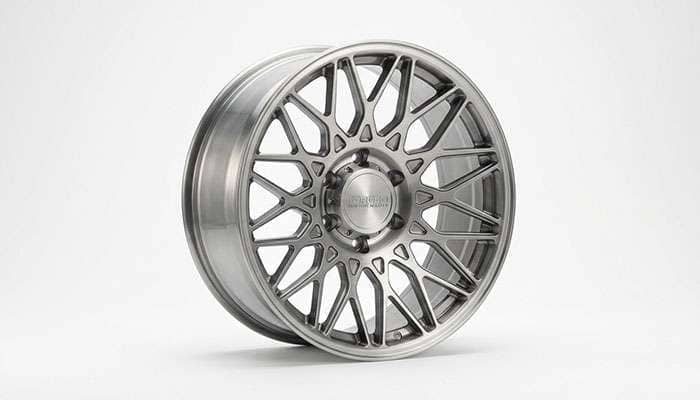
Cast wheels dominate the truck rim market for good reason - they account for 90% of originally equipped wheels found on most vehicles. These truck rim types are created by pouring molten aluminum into a mold, where it cools and forms the desired wheel shape. Cast wheels offer an excellent balance of affordability, design options, and reliable performance for everyday driving.
Cast truck wheels use two main manufacturing methods that deliver different performance characteristics. Gravity casting relies on earth's gravity to fill molds with molten aluminum. This cost-effective approach enables mass production of identical wheels quickly. Low-pressure casting applies positive pressure to inject molten aluminum into the mold faster. This technique creates denser wheels with improved mechanical properties over gravity cast alternatives.
The casting process opens up design possibilities that other manufacturing methods can't match. Cast wheels offer exceptional design versatility, available in numerous styles from timeless multi-spoke patterns to aggressive concave looks. They're particularly well-suited for street vehicles and custom builds where visual impact matters.
Cast truck wheels come with different fitment options to match your vehicle setup. SureFit wheels are custom-designed for perfect vehicle fit, while SpecFit meets vehicle specifications without modifications. CustomFit extends up to 3 inches beyond fenders, and CustomFitEXT provides the most aggressive fitment for modified vehicles.
Pros:
Budget-friendly: Significantly more affordable than forged alternatives
Design variety: Casting allows manufacturers to create complex visual patterns
Widespread availability: Finding replacements or upgrades is straightforward with no long lead times
Daily use reliability: Offers sufficient durability for city driving, commuting and weekend cruising
Reasonable strength: Modern casting techniques have improved durability significantly
Cons:
Heavier construction: Contains microscopic air pockets requiring more material to maintain strength, resulting in heavier wheels that impact performance
Lower strength: More brittle than forged wheels, potentially cracking under high stress or hard impacts
Porosity concerns: May experience reduced fatigue strength over time, though reputable brands minimize this through quality control
Performance limitations: Less suitable for hardcore off-roading or heavy-duty applications
Cast truck wheels represent the most economical option among types of wheels for trucks. A typical set costs approximately $2000, considerably less than forged wheels which may exceed $10000. This substantial price difference occurs because cast wheels require less advanced production techniques.
The manufacturing process directly influences cost. Gravity cast wheels offer the most affordable option, while low-pressure cast wheels provide better mechanical properties at slightly higher prices. Low-pressure casting remains the most popular method for aftermarket wheels, balancing quality with value.
Cast wheels deliver excellent cost-to-style-to-performance value for everyday driving. They're the go-to choice for drivers seeking dependable performance, standout style, and everyday durability without a premium price tag.
When choosing between different types of rims for trucks, this comparison helps you evaluate each option against your specific needs and budget.
Attribute |
Alloy Truck Rims |
Steel Truck Rims |
Chrome Truck Rims |
Forged Truck Rims |
Cast Truck Rims |
|---|---|---|---|---|---|
Construction/Material |
Aluminum combined with other metals (magnesium, nickel, silicon) |
High-strength, low-alloy (HSLA) steel |
Base wheel with copper, nickel, and chrome layers |
Solid aluminum blocks compressed under extreme pressure |
Molten aluminum poured into molds |
Key Features |
Superior heat conductivity, up to 45% lighter than steel |
Nearly impossible to crack, excellent malleability |
Mirror-like finish, multi-layer plating (15-25 µm copper, 10-20 µm nickel, 0.25-0.5 µm chrome) |
3x stronger than cast, 25-30% lighter than alternatives |
Complex design possibilities, mass production capability |
Main Advantages |
Lightweight, improved handling, better fuel efficiency, corrosion resistant |
Unmatched durability, cost-effective, easily repairable, better winter traction |
Distinctive appearance, strong protective qualities, impressive durability |
Superior strength-to-weight ratio, enhanced durability, better fuel efficiency |
Budget-friendly, wide design variety, readily available |
Main Disadvantages |
Higher cost, vulnerable to damage, requires regular maintenance |
Heavy weight, limited design options, rust concerns |
High maintenance, expensive, difficult to repair, added weight |
Premium pricing, extended manufacturing time, limited availability |
Heavier construction, lower strength, porosity concerns |
Price Range (per wheel) |
$100-$500 |
$50-$150 |
$235-$330 |
$500-$1,000+ |
Part of $2,000 per set |
Weight Characteristics |
Up to 45% lighter than steel wheels |
2.5-3 times heavier than aluminum |
Added weight from plating process |
25-30% lighter than cast wheels |
Heavier due to manufacturing process |
This comparison shows how each truck rim type serves different priorities. Steel wheels deliver maximum durability at the lowest cost, making them perfect for work trucks and harsh conditions. Alloy wheels offer the best balance of performance and appearance for daily drivers. Chrome wheels maximize visual impact for show trucks. Forged wheels provide ultimate performance for serious enthusiasts willing to invest in premium quality. Cast wheels give you the most design options at reasonable prices for style-conscious truck owners.
Consider your driving conditions, budget, and performance priorities when selecting from these options. Each type excels in specific applications, so matching your choice to your truck's primary use ensures the best value and satisfaction.
Finding the right truck rims comes down to matching your specific needs with your driving conditions and budget. Alloy rims deliver excellent performance benefits through lightweight construction, making them perfect for drivers wanting better fuel efficiency and handling. Steel rims remain the top choice for durability and cost-effectiveness, ideal for work trucks or vehicles facing harsh conditions regularly.
Chrome rims grab attention with their mirror-like finish but need consistent maintenance to keep that stunning appearance. Forged rims represent the best wheel engineering available with superior strength-to-weight ratios, though their premium pricing puts them in the high-end market. Cast rims provide a solid middle-ground option, offering good performance with attractive styling and reasonable pricing.
Your driving habits should guide your decision. Off-road enthusiasts get the most from steel or forged options' rugged reliability, while highway drivers often prefer the performance benefits of lightweight alloy wheels. Truck owners focused on appearance typically choose chrome or stylized cast wheels to enhance their vehicle's visual impact.
Budget matters just as much, with prices spanning from around $50 per wheel for basic steel options to over $1,000 each for premium forged wheels. When considering long-term value, look beyond just the initial purchase price - factor in durability, repair costs, and potential fuel savings over time. At Performance Plus Tire, we carry a huge selection of truck rims at the lowest prices. Visit Performance Plus Tire to find the perfect rims for your truck.
The right truck rims balance your performance needs, style preferences, and budget limits. Whether you want maximum strength, eye-catching style, or reliable value, understanding these different rim types helps you make the best decision for enhancing both your truck's appearance and capability for years ahead.
Understanding the five main truck rim types helps you make an informed decision that balances performance, durability, and budget for your specific needs.
• Steel rims offer unbeatable durability and value - Nearly impossible to crack, easily repairable, and cost 3-4 times less than aluminum alternatives at $50-$150 per wheel
• Alloy rims deliver superior performance benefits - Up to 45% lighter than steel, improving fuel efficiency by 2% and providing better handling and heat dissipation
• Forged rims provide premium strength-to-weight ratios - Three times stronger than cast wheels while being 25-30% lighter, ideal for serious performance applications
• Chrome rims maximize visual impact but require maintenance - Mirror-like finish creates distinctive appearance but demands regular cleaning and costs $235-$330 per wheel
• Cast rims balance affordability with design variety - Most common type offering complex designs at reasonable prices, perfect for everyday driving needs
Your driving conditions should guide your choice: steel for heavy-duty work, alloy for daily performance, forged for extreme applications, chrome for show, and cast for versatile street use.
There are five main types of truck rims: alloy, steel, chrome, forged, and cast. Each type has its own unique characteristics, advantages, and price points to suit different needs and preferences.
Steel truck rims are generally considered the most durable. They are nearly impossible to crack and extremely difficult to bend, making them ideal for trucks that regularly face rugged conditions or carry heavy loads.
Alloy truck rims offer significant weight reduction (up to 45% lighter than steel), improved handling, better fuel efficiency, and enhanced heat dissipation. They also provide increased payload capacity and are highly resistant to corrosion.
Chrome truck rims offer a distinctive, mirror-like appearance that enhances a vehicle's esthetics. While they provide strong protective qualities and impressive durability, they also require regular maintenance and come at a premium price point. Their worth depends on individual preferences and priorities.
Forged truck rims outperform cast rims in strength and weight. They are approximately three times stronger than cast alternatives while being 25-30% lighter. This superior strength-to-weight ratio translates to enhanced vehicle performance, handling, and fuel efficiency. However, forged rims are significantly more expensive than cast rims.



