
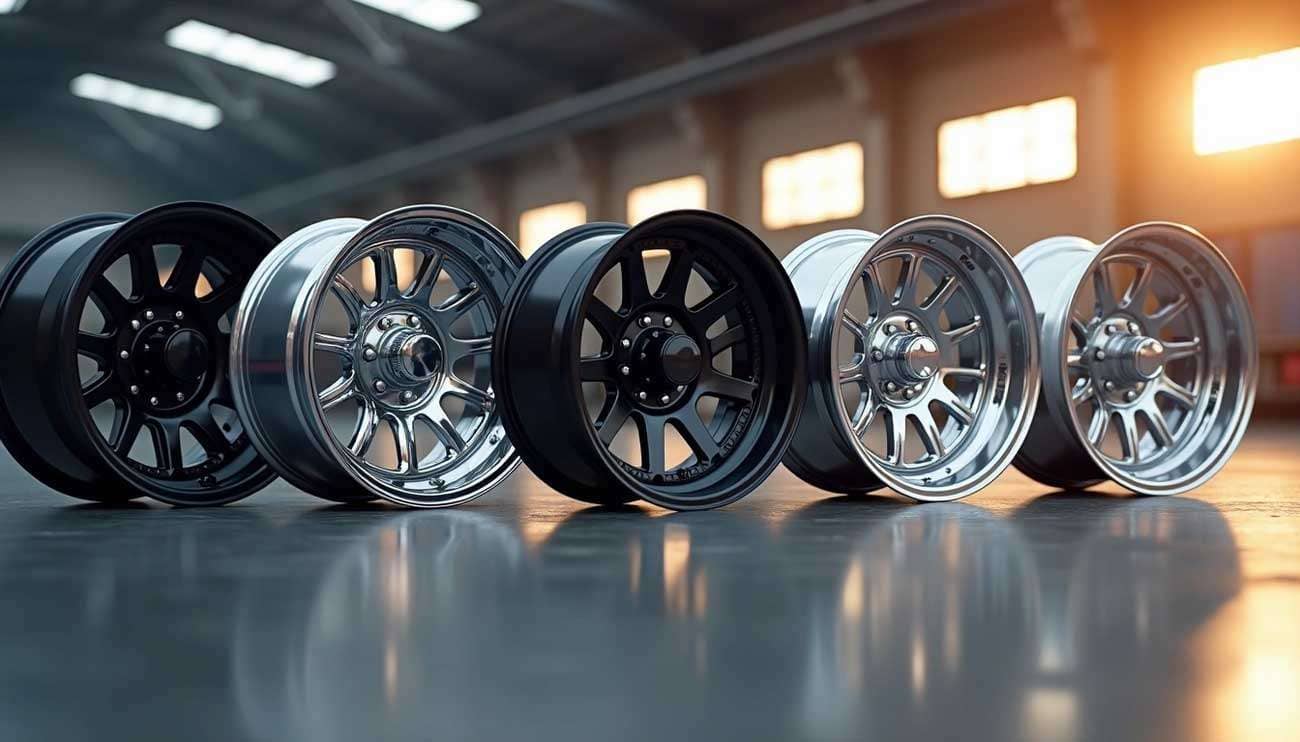
Truck wheels can dramatically change both the appearance and performance of your vehicle. The pickup truck wheel market has experienced significant growth in recent years, and truck owners know that wheels deliver much more than basic functionality.
Most truck wheel options today use either aluminum or steel construction. Each material brings distinct advantages to your vehicle. Alloy wheels offer lighter weight, superior corrosion resistance, and improved fuel efficiency. Steel wheels focus on maximum durability and budget-friendly pricing. Heavy haul operations that transport substantial loads over long distances depend on reliable, robust truck rims that deliver essential support and stability for the tires.
Looking to boost your truck's performance on challenging terrain? Want to upgrade its appearance? Understanding truck wheel types helps you make the right choice for your specific needs.
At Performance Plus Tire, we carry the best selection of truck wheels at the lowest prices. Whether you need rugged steel wheels for heavy-duty work or lightweight alloy options for improved performance, we have the expertise to help you find the perfect match for your truck and driving requirements.
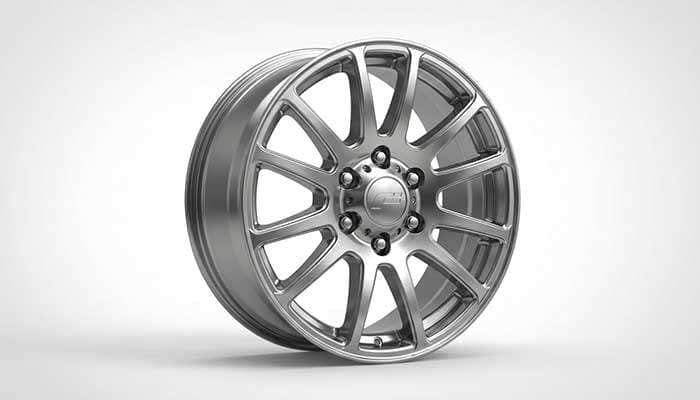
Alloy truck wheels have gained tremendous popularity among truck owners who want both performance advantages and visual appeal. These wheels use aluminum or magnesium combined with other elements, delivering exceptional strength without the weight penalty of traditional steel options.
Alloy wheels stand out through their smart composition. Made primarily from aluminum mixed with other metals, they create a lightweight yet durable alternative to conventional steel wheels. Manufacturers continue pushing performance boundaries – the proprietary MagnaForce® alloy introduced in 2013 delivers 17% more strength than industry standards.
You'll find alloy wheels in different configurations. One-piece wheels dominate today's market, manufactured from a single piece of metal that combines the face and barrel in unified construction. Two-piece alloy wheels offer another option, with separate components joined together for extensive customization in sizes, widths, backspacing, and finishes.
Manufacturing processes directly impact wheel quality. Flow Formed Technology applies pressure to the inner barrel after casting, stretching the barrel while compressing the aluminum. This technique boosts overall wheel strength without adding weight.
Alloy wheels also excel in thermal management. Aluminum alloy conducts heat three times better than steel or iron, helping these wheels dissipate heat quickly and maintain optimal braking system temperatures.
Weight reduction stands as the biggest advantage of alloy wheels. These wheels weigh approximately 21% less than steel counterparts. This unsprung mass reduction creates multiple performance benefits: sharper steering response, quicker acceleration, and better fuel economy.
Handling improvements become immediately noticeable. Reduced weight helps suspension components follow terrain more precisely, improving grip and vehicle control. Braking performance benefits too, as alloy wheels allow better airflow to brake disks for shorter stopping distances.
Corrosion resistance provides another major benefit. Aluminum contains no iron or carbon like steel, so alloy wheels won't rust. When aluminum oxide's molecular structure changes upon water exposure, these wheels resist corrosion far better than steel alternatives.
Maintenance advantages extend beyond the wheels themselves. Proper balance and deformation resistance can reduce tire wear by up to 26%. Heat dissipation properties also extend brake component life and reduce overall maintenance costs.
Off-road enthusiasts gain additional advantages from alloy wheels. Despite their lighter weight, quality alloy rims handle heavy impacts and demanding off-road conditions. Their ability to absorb harder impacts before yielding makes them particularly suited for challenging terrain.
Design flexibility offers unmatched customization potential. The casting process enables manufacturers to create intricate spoke designs, lip profiles, and center cap details. These wheels come in extensive size ranges and finishes – chrome, polished, matte-black, plus exotic colors like blue, orange, and red.
Cost represents the primary drawback of alloy wheels. They typically cost more than comparably sized steel wheels. This higher price point puts them beyond reach for budget-conscious truck owners.
Durability concerns also exist. Alloy wheels resist denting less effectively than steel alternatives. They show reduced resistance to cracking and bending under extreme stress. When damage occurs, alloy wheels usually require complete replacement rather than repair.
Heavy-load performance presents another consideration. While excellent for everyday driving and light off-roading, alloy wheels may not match steel wheel durability under extreme stress or substantial loads. Heavy-duty applications might require specialized heavy-load alloy wheels.
Maintenance challenges can arise as well. Alloy wheels face galvanic corrosion risks that can cause tire air leaks without proper preventive measures. Repair difficulties also exceed those of steel wheels, though higher replacement costs often make repairs more economical.
Security issues stem from their premium nature. High costs make alloy wheels attractive to thieves, prompting many owners to use locking lug nuts or bolts requiring special keys.
Size considerations matter too. Larger alloy wheels add weight that affects acceleration and overall performance. Increased rolling resistance from greater width may improve road holding but can increase fuel consumption, potentially offsetting efficiency gains from lighter materials.
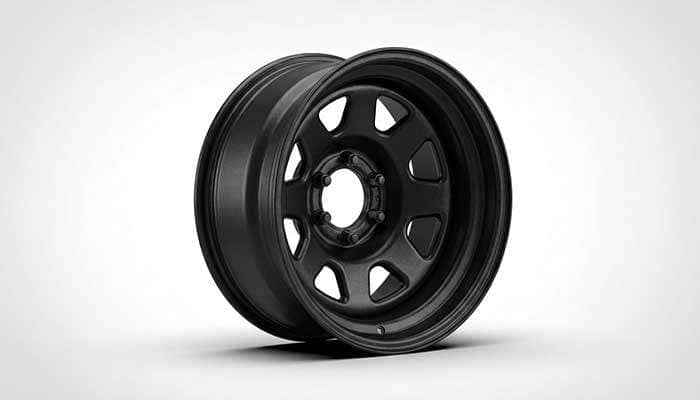
Steel truck wheels remain the backbone of the truck wheel industry, delivering proven reliability for commercial and personal applications. These traditional workhorses continue to serve truck owners who prioritize durability and value over everything else.
Steel wheels use a carbon and iron alloy construction that creates an incredibly robust foundation for trucks and heavy-duty vehicles. Available in multiple sizes including 17.5", 19.5", 22.5", and 24.5" with various bolt circle options like 10-11.25", 10-285.75mm, 10-8.75", and 8-275mm.
The manufacturing process prioritizes strength over aesthetics. Steel wheels feature positive hub-piloting and cone-lock clamping designs that meet or exceed North American corrosion standards. This construction makes them perfectly suited for harsh environments where durability matters more than appearance.
Weight capacity stands as a defining characteristic of steel wheels. Their durability is primarily determined by load-carrying capability. This makes them invaluable for commercial applications where heavy loads are standard operating procedure. Steel wheels are engineered to withstand stress levels that would damage other wheel types.
Warranty protection reflects manufacturer confidence in steel wheel longevity. Some manufacturers like Road Choice offer up to five-year coverage from the date of manufacture - the longest wheel warranty available in the aftermarket.
Affordability makes steel wheels immediately attractive to budget-conscious truck owners. Steel wheels cost three to four times less than aluminum alternatives. Sets of four steel wheels in smaller sizes often price under $500, delivering significant savings without compromising essential performance.
Durability represents the core advantage of steel wheels. These wheels are practically impossible to crack and extremely difficult to bend without tremendous force. This exceptional strength makes them ideal for trucks regularly encountering extreme off-highway conditions, rough terrains, or heavy loads.
Repair capabilities provide practical advantages when damage occurs. Unlike aluminum wheels that typically crack when damaged, steel wheels usually bend and can often be hammered back into proper shape. This allows for roadside repairs that get you back on the road quickly.
Winter performance gives steel wheels another edge. The heavier construction - approximately 2.5-3 times the weight of comparable aluminum wheels - creates better traction on snowy and icy roads. Steel also contracts less than aluminum in cold temperatures, helping maintain proper tire pressure during seasonal extremes.
Additional benefits include:
Superior resistance to road salt compared to alloy wheels
Better brake protection from ice, snow, and salt during winter months
Impressive longevity with proper maintenance, typically lasting 10-20+ years
Lower cost of maintenance and repairs throughout their lifespan
Weight represents the primary limitation of steel wheels. Weighing approximately 2.5-3 times more than aluminum wheels of equivalent size, this additional mass creates performance challenges. The extra weight forces engines to work harder, directly increasing fuel consumption. Real-world testing shows vehicles with lighter wheels achieved approximately 8% better fuel economy (22.8 mpg vs. 21.1 mpg) compared to heavier wheel setups.
Performance impacts extend beyond fuel economy. The rotational mass of heavy steel wheels affects acceleration, braking, and handling. Testing demonstrated that reducing wheel weight by just 12 pounds per wheel improved a vehicle's 0-60 time by 0.29 seconds. This excess weight can potentially decrease a vehicle's center of gravity and place additional wear on the suspension system.
Design limitations present another disadvantage. Steel wheels typically offer fewer design options compared to alloy alternatives. Many truck owners find steel wheels less visually appealing, and while wheel covers can improve appearances, the overall look remains a limiting factor for style-conscious drivers.
Compatibility restrictions further narrow steel wheel applications. Most steel wheels are only available in sizes up to 16 inches, making them unsuitable for:
Vehicles specifically designed for alloy wheels
Trucks with oversized brake calipers
Vehicles with suspension modifications
Performance-oriented automobiles requiring larger wheel diameters
Corrosion challenges affect steel wheels as well. Though more rugged in construction, steel wheels are more prone to rust and corrosion than aluminum wheels, especially in areas where road salt is used during winter months. This susceptibility to corrosion requires keeping the paint intact, as exposed steel will eventually rust.
Steel wheels represent an excellent choice for heavy-duty applications, winter driving, and budget-conscious truck owners, provided the weight penalty and aesthetic limitations align with your priorities and vehicle requirements.
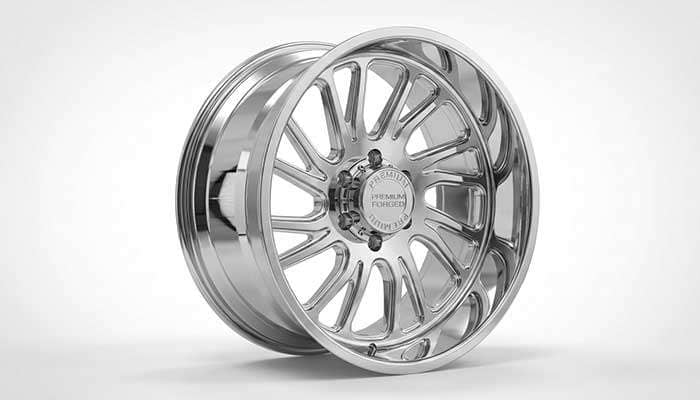
Chrome truck wheels deliver that unmistakable mirror-like shine that turns heads wherever you drive. These attention-grabbing wheels remain popular among truck enthusiasts who want their vehicle to make a statement. The chrome wheel market continues to hold strong in today's aftermarket industry.
Chrome wheels aren't made from solid chromium. Instead, they're typically aluminum alloy, steel, or magnesium wheels with a thin chrome coating applied through electroplating. This multi-step process creates that distinctive mirror finish while adding durability.
The electroplating process starts with thorough cleaning and polishing to create a smooth foundation. A thick copper layer (15-25 μm) ensures perfect smoothness, followed by a nickel layer (10-20 μm) that acts as armor against corrosion. Finally, the razor-thin chrome layer (0.25-0.5 μm) delivers that unmistakable mirror shine while providing scratch resistance.
Quality chrome wheels feature one of the strongest wheel coatings available. The electroplating procedure makes them highly resilient and resistant to corrosion while maintaining that polished finish. Quality chrome wheels can last 5-15 years when properly maintained, while budget options typically show deterioration within 2-3 years under normal driving conditions.
Chrome wheels handle urban driving conditions well, providing improved stability and smoother rides due to their additional weight compared to standard wheels. The reflective chrome surface sheds water effectively during wet conditions, offering better performance in rain.
The visual impact stands as chrome wheels' most compelling advantage. Their polished appearance creates that distinctive mirror-like shine that instantly transforms your vehicle's overall style, delivering a bold and luxurious presence on the road. This exceptional shine results from the precise multi-layer plating process, making chrome wheels particularly popular for classic cars, show vehicles, custom builds, and weekend cruisers.
Quality chrome plating provides excellent rust and corrosion protection through its multi-layer defense system. The nickel undercoat creates a protective barrier between the base wheel material and environmental elements, while the chrome top layer seals everything together. This combination works well in normal conditions, resisting moisture, road salt, and typical weather exposure better than many alternatives when maintained correctly.
Chrome wheels offer performance benefits beyond appearance. The reflective surface and added weight can improve steering responsiveness and braking performance. This additional weight provides benefits around city corners and over rough pavement, offering improved stability.
Chrome wheels demand significant maintenance commitment. To preserve their shine, you need to wash them weekly with mild soap and water. Coastal area drivers need more frequent washing to remove salt from the air, plus monthly application of quality wheel wax with sealant. Without regular care, chrome wheels lose their protective advantages and deteriorate faster than lower-maintenance alternatives.
The manufacturing process adds considerable weight, which can negate the performance advantages that lightweight wheels bring. This added unsprung weight impacts fuel efficiency on highways, creating a practical consideration for daily drivers who prioritize economy.
Chrome wheels show vulnerability when encountering curbs or road debris. Once scratched, they present significant repair challenges. Minor damage can be addressed with specialized repair kits costing between USD 9.00-18, but the results rarely match the original factory finish. Major curb damage typically means complete wheel replacement since professional re-chroming often costs more than new wheels.
Environmental factors present additional challenges. Chrome is particularly vulnerable to road salt, moisture, and gravel—especially in mountain regions. Chrome wheels shouldn't be used on roads where salt is applied, as salt and deicers will surface pit the wheel. Winter conditions can accelerate deterioration, requiring immediate washing after exposure to prevent damage.
Cost remains a significant factor. Chrome wheels typically command higher prices than standard alternatives, with quality options priced between USD 123.00 (Ion Alloy 171) to USD 941.00 (TIS 544C) per wheel. Complete wheel/tire packages for 20"/22" wheels average around USD 2400.00, representing a substantial investment that must be balanced against ongoing maintenance requirements.
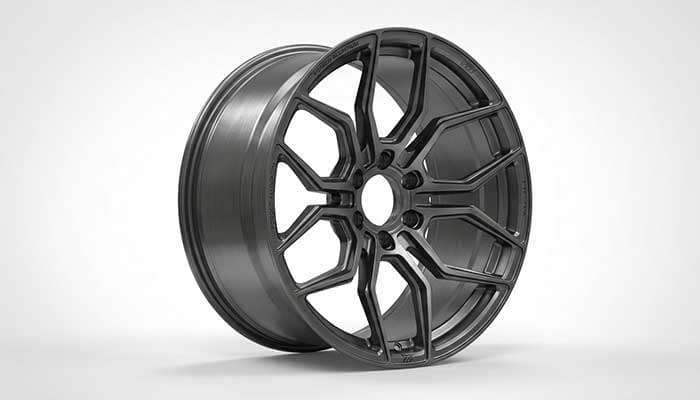
Forged truck wheels represent the ultimate in wheel engineering, delivering exceptional strength-to-weight characteristics through an intensive manufacturing process. These premium wheels use advanced technology to compress solid aluminum billet into incredibly dense, strong shapes. Whether you're tackling demanding off-road adventures or need superior daily driving performance, forged wheels excel across all conditions.
The forging process sets these wheels apart from all other options. Forged wheels start with solid aluminum billet that undergoes extreme heat and pressure to align the metal's grain structure. This process eliminates porosity and weak points, creating wheels with superior structural integrity.
The advanced manufacturing yields wheels with exceptional mechanical properties. Forged aluminum wheels deliver higher mechanical properties than cast alternatives, including superior strength-to-weight ratios. Forged wheels typically weigh around 39 pounds compared to fabricated steel wheels at 70 pounds for identical load ratings.
Quality forged wheels often use 6061-T6 aluminum, known for exceptional strength characteristics. The T6 heat-treating process enhances hardness to an impressive HV90 level. This contributes to exceptional wear resistance and longevity.
Premium forged truck wheels are purpose-built to meet specific demands including larger load ratings, ample brake clearance, and enhanced vehicle stance. Their advanced flow-forming technology enables aggressive styling and customizable finishes without compromising structural integrity.
Strength advantage stands as the most impressive benefit of forged wheels. Laboratory tests confirm these wheels are approximately three times stronger than cast alternatives, providing unmatched durability in challenging conditions.
Weight reduction creates significant advantages. Forged wheels are typically 25-30% lighter than cast wheels. This weight savings delivers a cascade of performance improvements:
Braking distances improved by 1.2 car lengths in 60-0 mph tests
Lateral grip increased by 4.2% in skidpad tests
Lap times reduced by up to 1.7 seconds at professional racing circuits
Impact resistance sets forged wheels apart. Their compressed grain structure withstands approximately 2.5 times as many curb hits before showing serious damage. When damage occurs, forged wheels typically bend rather than shatter like cast wheels, potentially allowing repairs rather than replacement.
Heat dissipation provides another crucial benefit. Aluminum's thermal conductivity helps forged wheels disperse brake heat more effectively. A Phoenix study showed forged aluminum wheels ran substantially cooler than steel wheels, extending tire, brake, and suspension component life.
Handling improvements are immediately noticeable. Reduced unsprung mass helps suspension components react more quickly to road imperfections, maintaining up to 18% better tire contact on uneven surfaces. Drivers consistently report an 8-12% boost in responsiveness when cornering.
The substantial cost represents the primary drawback. Quality forged wheels typically start around $3,000 per set for entry-level options, with premium manufacturers pricing sets at $10,000+. This significant premium over cast wheels places them beyond many truck owners' budgets.
Repair challenges present another consideration. The high-pressure manufacturing process creates tightly compressed metal molecules that complicate conventional repair methods. Even minor damage typically requires specialized skills and equipment, making repairs costly and time-consuming.
Limited availability can be problematic. Custom-ordered forged wheels may not be readily available off the shelf, potentially leaving your vehicle stranded during repairs. Some owners purchase spare wheels upfront to mitigate this risk, further increasing the total investment.
Security concerns exist due to premium pricing. Forged wheels become attractive targets for thieves. With experienced thieves able to remove wheels in under 5 minutes, owners must consider additional security measures to protect their investment.
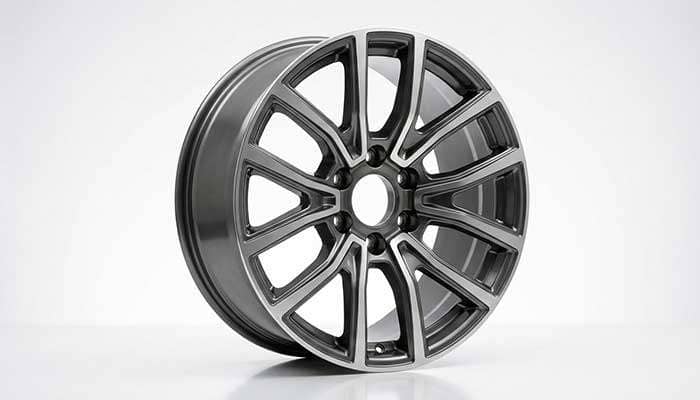
Cast truck wheels dominate the aftermarket wheel industry, accounting for approximately 90% of originally equipped wheels found on most vehicles. These popular truck wheel types use a straightforward manufacturing process where molten aluminum alloy is poured into molds, cooled, and solidified into the desired wheel shape.
At Performance Plus Tire, we carry the best selection of cast wheels at the lowest prices. Our huge inventory includes cast wheels from all the major brands, offering the perfect combination of affordability and style for truck owners seeking quality without breaking the bank.
Cast wheels use one of two primary manufacturing methods. Gravity casting relies on gravitational pull to fill molds with molten aluminum, providing a cost-effective solution for mass-producing identical wheels quickly. However, this method sometimes creates voids during cooling, requiring manufacturers to use additional material to compensate for porosity, which increases overall weight.
Low-pressure casting has become more popular among manufacturers today. This technique injects molten aluminum rapidly into molds using positive pressure, resulting in denser wheels with improved mechanical properties compared to gravity cast alternatives. Manufacturers still need to add extra material to spokes and barrels to address potential material irregularities, making these wheels relatively heavy.
Most cast wheels use A356-T6 aluminum alloy, which allows designers to create intricate shapes but can trap tiny air bubbles during manufacturing. These microscopic voids, known as porosity, impact the wheel's structural integrity. Cast wheels typically have a random grain structure, affecting their overall strength characteristics.
Affordability stands as the most significant advantage of cast truck wheels. They represent the most cost-effective option among all wheel types due to their simple design and mass production capabilities. This accessibility makes them popular among truck enthusiasts at all levels.
Design versatility serves as another major benefit. The casting process enables manufacturers to create intricate designs, providing truck owners with a wider range of styles to choose from. This design freedom allows for visually striking one-piece constructions without premium pricing.
Practical availability makes cast wheels particularly convenient. Being the most common wheel type means replacements and upgrades are readily available without long lead times. This widespread availability, coupled with their affordability, makes cast wheels an accessible entry point for those wanting to customize their trucks.
Cast wheels provide reliable performance for most driving conditions. For city driving, commuting, weekend cruising, or show builds, cast wheels offer sufficient durability and visual impact. They deliver dependable performance for everyday use, including light off-roading.
Weight disadvantage remains the primary drawback of cast wheels. Their manufacturing process necessitates extra material to maintain structural integrity, making them heavier than other wheel types. This increased weight impacts acceleration, responsiveness, and fuel efficiency.
Structural limitations present another concern. Under heavy impact, cast wheels tend to crack and break due to voids in the casting aluminum. They're more brittle than forged alternatives, potentially cracking under high stress or hard impacts like hitting deep potholes at speed.
Safety considerations warrant attention for demanding applications. For extreme conditions like hardcore off-roading, cast wheels may not provide sufficient durability. Purchasing from reputable brands is strongly recommended for safety reasons.
Porosity issues affect long-term performance. Poorly manufactured cast wheels may experience reduced fatigue strength over time. Reputable manufacturers implement strict quality control measures to minimize this risk.
Cast wheels remain suitable for many applications where cost, design, and everyday durability matter most—from street trucks and custom builds to budget-friendly upgrades for those seeking visual impact without premium pricing.
When choosing truck wheels, comparing key characteristics helps you make the right decision for your specific needs and budget. Our experts at Performance Plus Tire have compiled this comparison to guide you through the essential differences between each wheel type.
Attribute |
Alloy Wheels |
Steel Wheels |
Chrome Wheels |
Forged Wheels |
Cast Wheels |
|---|---|---|---|---|---|
Material/Composition |
Aluminum or magnesium with other elements |
Carbon and iron alloy |
Base wheel with copper, nickel, and chrome layers |
Solid aluminum billet |
A356-T6 aluminum alloy |
Manufacturing Process |
Various methods including flow forming |
Traditional steel forming |
Multi-step electroplating process |
High-pressure forging with heat treatment |
Gravity or low-pressure casting |
Weight Characteristics |
21% lighter than steel |
2.5-3x heavier than aluminum |
Heavier than standard wheels |
25-30% lighter than cast |
Heavier due to extra material needed |
Strength Features |
Strong but less dent resistant |
Extremely durable, difficult to bend |
Durable coating, resistant to corrosion |
3x stronger than cast wheels |
Lower strength due to porosity |
Main Advantages |
Better handling, fuel efficiency, corrosion resistance |
Affordable, extremely durable, repairable |
Striking appearance, good corrosion resistance |
Superior strength-to-weight ratio, best performance |
Affordable, wide design variety |
Main Disadvantages |
More expensive, less durable than steel |
Heavy weight, limited design options |
High maintenance, vulnerable to road salt |
Very expensive, limited availability |
Heavier weight, more brittle, structural limitations |
Typical Cost Range |
Higher than steel, specific range not mentioned |
3-4x less than aluminum options |
$123-941 per wheel |
Starting $3,000+ per set |
Most affordable option (specific range not mentioned) |
This comparison highlights the key trade-offs between performance, durability, appearance, and cost. Steel wheels deliver maximum durability for heavy-duty applications, while alloy wheels provide the best balance of performance and everyday usability. Chrome wheels excel in appearance but require significant maintenance commitment. Forged wheels offer premium performance at premium prices, and cast wheels provide the most design options at budget-friendly prices.
We recommend considering your primary use case, maintenance preferences, and budget when selecting from our extensive wheel collection. Our knowledgeable team can help you find the perfect wheels that match both your truck's requirements and your driving style.
Choosing the right wheels for your truck comes down to matching your specific needs with your budget and style preferences. Alloy wheels deliver that ideal balance of lighter weight and improved performance, while steel wheels remain the top choice for those prioritizing maximum durability and budget-friendly pricing. Chrome options provide that unmistakable head-turning shine but require dedicated maintenance to preserve their appearance.
Performance enthusiasts seeking the ultimate in wheel engineering might justify the premium cost of forged wheels, while cast alternatives offer a practical compromise for everyday driving needs. The comparison table above highlights these key differences, helping you determine which option fits your driving habits, budget, and visual preferences.
Your truck deserves wheels that match both its purpose and your personal style. Heavy off-road enthusiasts should focus on the durability of steel or forged options, while daily drivers benefit from the fuel efficiency advantages of quality alloy wheels. Ready to upgrade your truck with the perfect wheels? Browse our extensive collection of truck wheels at Performance Plus Tire where you'll find options across all these categories.
Proper maintenance extends the lifespan of any wheel type you choose. Steel wheels need rust prevention, alloy wheels require regular cleaning, chrome demands meticulous care, while both forged and cast wheels benefit from periodic inspections. The right truck wheels not only enhance your vehicle's appearance but also improve its performance characteristics for years to come.
At Performance Plus Tire, we have the expertise to help you find the perfect wheels for your specific truck and driving requirements. Our knowledgeable team can guide you through the selection process, ensuring you get both the performance and style you want at prices that fit your budget.
Understanding the five main truck wheel types helps you make an informed decision based on your specific driving needs, budget, and style preferences.
• Steel wheels offer unbeatable durability and affordability - costing 3-4x less than aluminum while withstanding extreme impacts that would crack other wheel types.
• Alloy wheels provide the best performance balance - delivering 21% weight reduction for improved fuel efficiency, handling, and braking without sacrificing everyday durability.
• Chrome wheels demand high maintenance for their stunning appearance - requiring weekly washing and monthly waxing to preserve their mirror finish and prevent corrosion damage.
• Forged wheels deliver premium performance at premium prices - offering 3x the strength of cast wheels and 25-30% weight savings, but starting at $3,000+ per set.
• Cast wheels dominate the market for good reason - providing the most design variety and affordability while meeting the needs of 90% of everyday driving applications.
The right wheel choice depends on prioritizing either durability (steel), performance (alloy/forged), esthetics (chrome), or value (cast). Consider your driving conditions, maintenance commitment, and budget to select wheels that will serve your truck's purpose for years to come.
There are five primary types of truck wheels: alloy, steel, chrome, forged, and cast. Each type has unique characteristics, advantages, and disadvantages in terms of performance, durability, esthetics, and cost.
To find the right wheels for your truck, consult your owner's manual for the original equipment specifications. You can also check the tire sidewall for wheel diameter information. Key factors to consider include bolt pattern, offset, and diameter.
Alloy wheels are approximately 21% lighter than steel wheels, which improves fuel efficiency, handling, and braking performance. They also offer better corrosion resistance and a wide range of design options.
Yes, steel wheels remain an excellent option for trucks, especially for heavy-duty applications. They are extremely durable, affordable, and easily repairable. Steel wheels are ideal for harsh conditions and can withstand impacts that might damage other wheel types.
Chrome wheels demand significant maintenance to preserve their appearance and durability. They require weekly washing with mild soap and water, and monthly application of quality wheel wax with sealant. In coastal areas or regions using road salt, more frequent care may be necessary to prevent corrosion.



