
Everybody will point you at the government grades on the sidewall - treadwear, traction, temperature. That is good advice as far as it goes, and it does not go far enough. Here is what nobody tells you: two of those three grades come from standardized federal tests and one is assigned by the tire company itself. Most people read the self-assigned one and ignore the two that are actually verified. Get that backwards and you can talk yourself into a worse tire while thinking you did your homework.
The Uniform Tire Quality Grading system puts three marks on the sidewall of most passenger tires sold here. They look like they belong together. They do not.
Grade |
How It Is Determined |
Comparable Across Brands? |
What Good Looks Like |
|---|---|---|---|
Traction |
Measured straight-line wet braking friction on standardized asphalt and concrete skid surfaces against a reference test tire |
Yes - standardized federal test |
AA or A. B is acceptable on some categories. C is a red flag. |
Temperature |
Measured resistance to heat buildup at sustained speed on an indoor test wheel |
Yes - standardized federal test |
A. B is fine on a low-speed application. C is the legal minimum and nothing more. |
Treadwear |
Manufacturer runs its own tire on a government test course, compares wear to a control tire, and assigns its own grade |
No - self-assigned with real latitude |
Useful within one brand's lineup. Nearly meaningless between two different brands. |
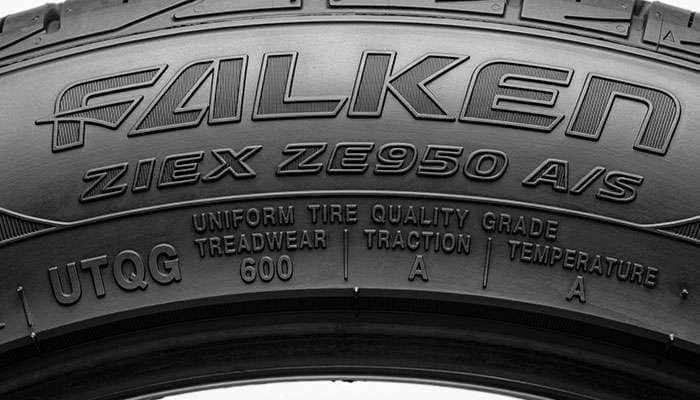
Sit with that for a second, because it flips how most people shop. Traction and temperature are pass-fail measurements against a federal standard. A tire graded AA for traction actually out-stopped one graded B on wet pavement in a controlled test, and that holds whether one is a premium brand and the other is not.
Treadwear is a different animal. Each manufacturer tests its own tire against a control tire and assigns the number itself. There is meaningful room for interpretation in that process, and there is an obvious commercial incentive to be generous. The result is that a 600 from one company and a 600 from another were not produced by the same yardstick.
So use treadwear to choose between two tires from the same manufacturer, where the yardstick is at least consistent. Do not use it to decide that Brand X beats Brand Y. We take this apart in more detail in UTQG tire ratings decoded.
Meanwhile, the two letters almost nobody looks at will actually tell you something real. If I am handed two tires I do not know and asked which is better built, the first thing I read is the traction grade.
Traction grading runs the tire on a wetted skid surface and measures how much braking friction it can generate. There are two surfaces in the test, asphalt and concrete, and the tire has to clear a threshold on both to earn each letter. AA is the top grade, then A, then B, then C. The spread between AA and C is not cosmetic - it is a measurable difference in how much grip the tire can find on wet pavement when you stand on the brake pedal.
Temperature grading is about heat. The tire is run against an indoor test wheel at increasing sustained speeds and graded on how well it resists heat buildup. A is the top grade, C is the legal floor. Heat is what destroys tires from the inside - it degrades the bond between the rubber and the steel belts - so a tire that handles heat poorly is a tire with a shorter safe life, regardless of how the tread looks.
Both of those are measurements. Neither depends on what a manufacturer wants to claim. That is precisely why they are worth more to you than the number sitting next to them.
The grades are one input out of several. Here is the whole checklist, in the order I go through it on the shop floor.
What to Check |
Where to Find It |
What Good Looks Like |
What It Tells You |
|---|---|---|---|
DOT date code |
Last four digits of the DOT serial, e.g. 2126 |
Within about two years of today |
Rubber ages whether or not it is driven on |
DOT plant code |
First two characters after "DOT" |
A code that resolves to a known plant |
Where it was actually made, regardless of the name on it |
Traction and temperature |
Molded near the UTQG treadwear number |
A or AA traction, A temperature |
Verified wet braking and heat resistance |
Load index and speed rating |
End of the size, e.g. 95W |
Equal to or above your door placard |
Whether it is legal and safe on your vehicle |
Mileage warranty |
Manufacturer literature, not the sidewall |
A stated mileage figure with terms |
The maker is willing to stand behind the wear claim financially |
3PMSF versus M+S |
Mountain-snowflake symbol on the sidewall |
Symbol present if snow is claimed |
M+S is self-applied; the snowflake required passing a test |
Uniformity |
Measured on a road force balancer at mounting |
Low road force variation |
How consistently the tire was actually built |
That last one is the sleeper. A road force balancer presses a loaded roller against the tire while it spins and measures how much the stiffness varies around the circumference. Weight balancing only finds heavy spots. Road force finds construction inconsistency, which is a direct readout of manufacturing quality. Two tires can weigh the same and balance the same and one of them will still shake your steering wheel at 65. Our breakdown of what road force balancing is explains what the numbers mean.
Speed rating deserves a note too, because people treat it as a bragging right when it is really a construction spec. The rating reflects verified performance in standardized high-speed testing, and the tire has to be built to shed the heat that speed produces. Never fit below what your vehicle specifies. Details in tire speed rating explained.
I will say this as plainly as I can. A six-year-old premium tire is a worse tire than a fresh budget tire, and it is not close.
Rubber is a chemical product and it changes with time whether the tire is on a car or sitting in a warehouse. The oils that keep the compound flexible migrate out. Oxygen works into the rubber and stiffens it. The bond between the rubber and the steel belts inside gradually gives up. None of that requires a single mile of driving.
You read the age off the DOT code. The last four digits are week and year - a tire marked 2126 was built in the 21st week of 2026. Manufacturers and vehicle makers commonly recommend replacement somewhere in the six to ten year window regardless of remaining tread, and plenty specify six. Full walkthrough in how to read DOT tire date codes.
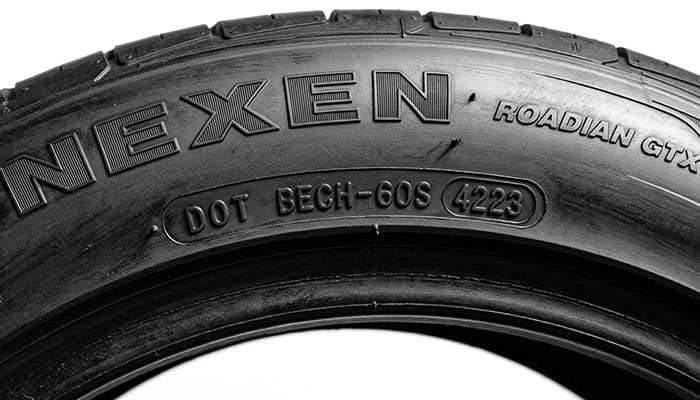
Here is why this matters more than any brand question. That online deal that seemed too good on a premium tire? Check the date code before you get excited. A shop clearing five-year-old inventory is not doing you a favor, and the tread depth will look perfect the whole time it is fooling you. This is the single most common way people end up with a genuinely bad tire while believing they bought a good one.
Buy from somebody whose stock actually turns. Ask what the date codes are before you order. Anybody legitimate will tell you.
It is worth understanding how aged stock ends up in front of you, because it is rarely anybody hiding anything deliberately. Tires get built in enormous production runs and then sit in the distribution chain waiting for demand in that specific size. Odd sizes move slowly. A popular size on a common sedan turns over in weeks; a size that fits one trim of one model year can sit for years in a warehouse before anybody orders it. Nothing sinister happened. The tire is simply old.
Two situations put you at higher risk. The first is buying an unusual size, where slow turnover is structural. The second is buying a closeout or clearance deal, because the reason it is closing out is often that it has been sitting. Neither means do not buy - it means read the code first and decide with your eyes open.
Same goes for the spare in your trunk, incidentally. It has been aging quietly since the day the car was built, and a lot of people discover a fifteen-year-old spare at the worst possible moment.
The UTQG system is useful and limited, and knowing the limits keeps you from over-trusting it.
Traction grading only measures straight-line wet braking. Not cornering grip. Not dry braking. Not snow. A tire can earn AA and still feel vague turning into a wet corner, because that is not what the test looks at.
Whole categories are exempt. Light truck tires with an LT prefix, winter and deep-tread tires, temporary spares, and trailer tires are outside the system. If you are shopping LT or winter, there are no UTQG grades to compare and you need other evidence entirely.
Nothing in it measures noise, ride comfort, or rolling resistance. Three of the things you will notice most every day, completely unaddressed.
It says nothing about consistency. Grades come from testing representative samples. They tell you nothing about whether the specific tire in front of you was built to the same standard as the one they tested. That is what road force measurement is for.
So treat the grades as a floor, not a verdict. They screen out the genuinely deficient. They do not identify the best.
Fifty years in this business and this is the misconception I would most like to kill.
Price tells you about brand marketing budgets, distribution costs, motorsport programs, and dealer margins. It is correlated with quality, loosely. It is not the same as quality, and the correlation is a lot weaker than people assume.
A tire is low quality when it fails the tests above. Old date code. C traction grade. No mileage warranty. A DOT plant code that goes nowhere. Load rating below your placard. A tire is good quality when it passes them, and there are tires under a hundred dollars that pass every one.
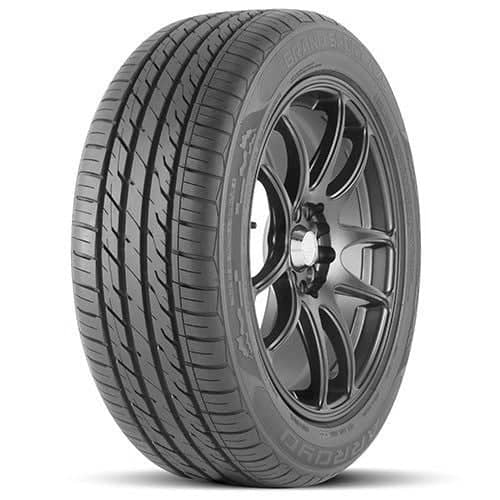
The Arroyo Grand Sport A/S at $77.99 is a W-rated performance all-season. The Milestar Weatherguard AS710 Sport at $141.53 is a V-rated all-season. The Falken Ziex ZE950 A/S at $201.40 and the Nexen Roadian GTX at $247.00 sit in the middle of the market. Every one of those is a current-production tire from a manufacturer that publishes warranty terms and stands behind them.
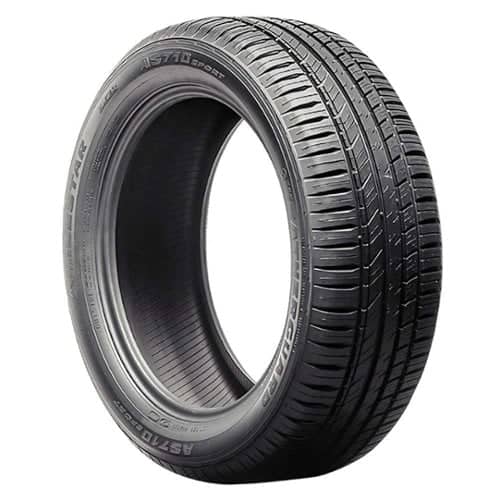
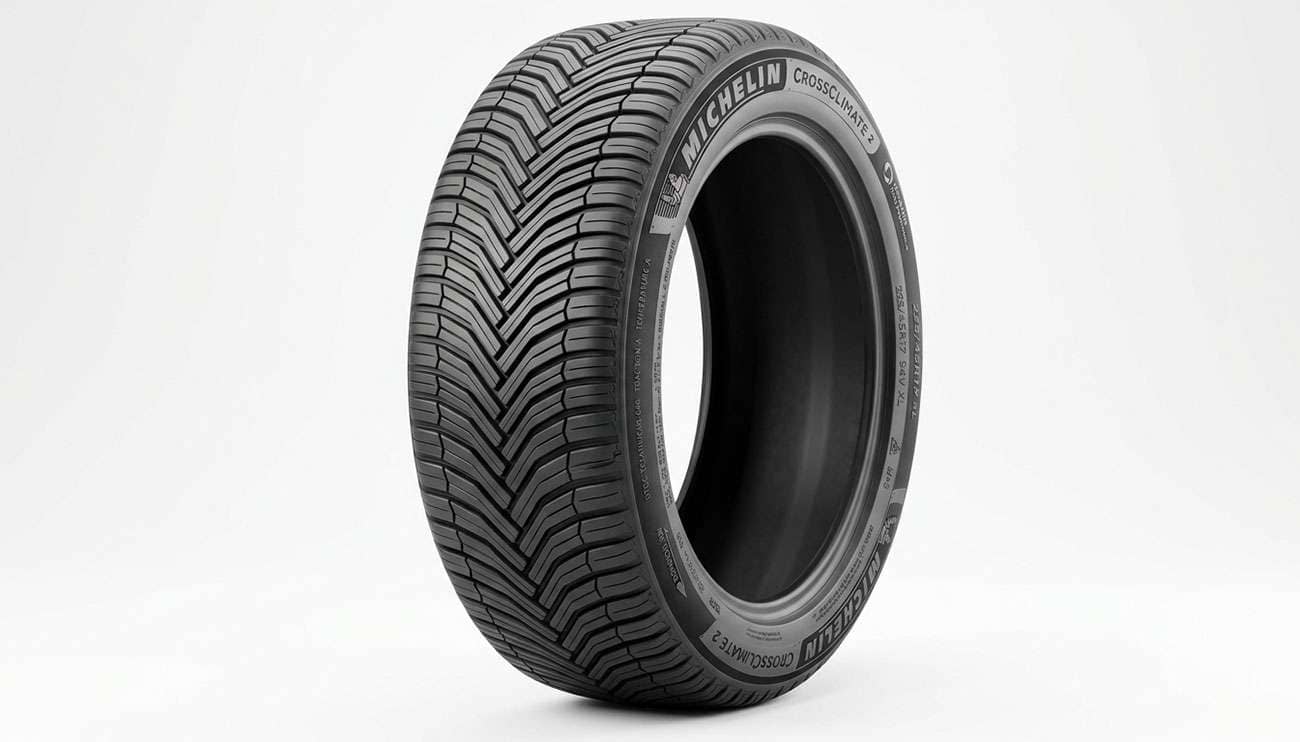
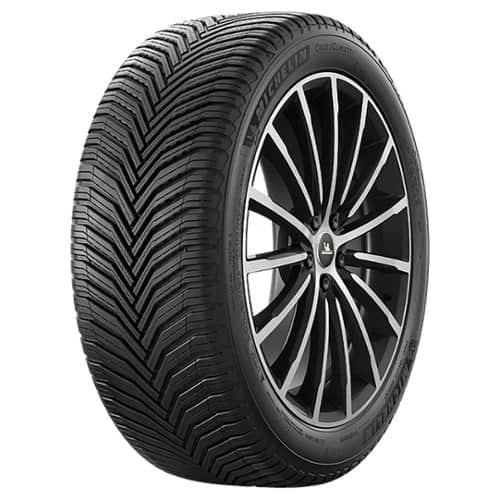
Do they match a Michelin CrossClimate 2 at $277.99 in ultimate wet grip and tread life? No, and I would not tell you otherwise. But "not as good as the best" and "low quality" are different statements, and the gap between a decent value tire and a premium tire is far smaller than the gap between a fresh tire and a six-year-old one at any price.
The thing to be careful of is not the budget brand at your local shop. It is the no-name tire from an online marketplace with no traceable plant code, no published warranty, and a date code nobody will confirm before you pay. That is the actual hazard. If you want the test data on how value brands hold up, we ran it in are budget tires good.
When you spend up on a premium tire, the money mostly goes into three things, and it is worth knowing which of them you care about.
The first is compound development. Premium manufacturers run large research operations working on silica dispersion, polymer blends, and the tradeoff between grip and rolling resistance. That work shows up as a tire that grips better wet without giving up as much tread life as it should have to. It is real engineering and it is expensive.
The second is manufacturing consistency. A tighter process produces tires with less variation between individual units - which is exactly what road force balancing measures. This is the least visible thing you buy and often the most valuable, because it is the difference between a set that balances easily and a set that fights you.
The third is everything that is not the tire: motorsport programs, advertising, sponsorships, dealer margin structures. That portion buys you nothing on the road.
A good value-brand tire generally gives up some of the first two and almost all of the third. That is a reasonable trade for a lot of drivers, and it is a very different proposition from a tire that fails the basic checks.
A poor tire does not usually fail dramatically at first. It charges you in stages.
Right away - longer stopping distances. The difference between an AA traction grade and a C is real wet braking distance. On a panic stop from highway speed that is car lengths, and car lengths are the whole ballgame.
Week one - vibration you cannot balance out. A tire with high road force variation will shake no matter how many weights go on the wheel. Shops chase these for hours. The tire was built wrong and no amount of balancing fixes construction.
Month two - uneven wear that eats the set. Inconsistent construction wears unevenly, and uneven wear accelerates itself. A tire that should have gone 50,000 miles is finished at 25,000 with a scalloped, cupped tread.
Ongoing - heat you never see. A C temperature grade means the tire is at the legal minimum for heat resistance. Heat degrades the bond between rubber and belts from the inside. Nothing about this is visible during an inspection, and it is the mechanism behind most sudden tread separations.
The end of the line. An aged or heat-damaged tire fails at speed, under load, usually on a hot day on a highway. NHTSA has connected tire-related failures to thousands of crashes a year, and age and construction quality are leading contributors. This is why I get particular about date codes.
If you already have tires on the car and you are wondering about their condition rather than shopping for new, that is a different inspection and we cover it in how to tell if tires are bad. And if you are seeing cuts, bulges, or cracking on the sidewall, read tire sidewall damage and whether it is safe to drive before you take another trip.
Step 1 - Read the date code first. Last four digits of the DOT serial. Week and year. If it is more than about two years old on a new purchase, ask why before anything else.
Step 2 - Read the traction grade, then the temperature grade. Look for A or AA traction and A temperature. These are the verified numbers. Give them the weight you were going to give the treadwear figure.
Step 3 - Check treadwear only against the same brand. Use it to pick between two Michelins. Do not use it to pick between a Michelin and anything else.
Step 4 - Match load index and speed rating to your door placard. At or above, never below. This is a pass-fail check, not a preference.
Step 5 - Confirm there is a published mileage warranty. A manufacturer willing to put money behind a wear claim is telling you something. One that will not is telling you something too. Read the terms while you are at it - these are prorated, so falling short of the number does not mean a free set.
Step 6 - Ask for road force balancing. It measures build consistency on the specific tires you bought, which no printed grade can do.
Step 7 - Buy where the stock moves. Fresh inventory is a quality feature, and it is the one nobody advertises.
If you want to see what we carry that clears every one of those checks, start with our discount tires selection, or call the shop and we will read the date codes to you before you commit.
You can tell a good tire from a bad one without knowing anything about the brand. Read the date code, read the traction and temperature grades, match the load index and speed rating to the placard, confirm there is a warranty behind it, and have it road force balanced when it goes on.
What you cannot do is read the treadwear number, compare it across brands, and think you have learned something. That is the one grade the manufacturer assigns itself, and it is the one everybody quotes.
The good news is that quality is verifiable. It is stamped right there on the tire in front of you. You just have to know which marks were earned in a lab and which were written by the marketing department.
Check five things on the sidewall: the DOT date code for age, the traction grade (look for A or AA), the temperature grade (look for A), the load index and speed rating against your vehicle's door placard, and whether the manufacturer publishes a mileage warranty. Traction and temperature come from standardized federal tests and are comparable across brands, while the treadwear number is assigned by the manufacturer itself and is not.
Not across brands. Each manufacturer runs its own tire against a control tire and assigns its own treadwear grade, with real latitude in how the result is interpreted. That makes the number reasonably useful for comparing two tires from the same manufacturer and unreliable for comparing tires from different manufacturers. A higher number also often means a harder compound, which typically trades away grip.
For a tire you are buying new, look for a date code within roughly two years of today. Rubber compounds degrade over time whether or not the tire is driven on, as plasticizing oils migrate out and oxidation stiffens the rubber. Manufacturers and vehicle makers commonly recommend replacement somewhere in the six to ten year range regardless of remaining tread depth, and many specify six.
No. Price correlates loosely with quality but is not the same thing. A value-brand tire with a current date code, an A or AA traction grade, a load rating that meets your placard, and a published mileage warranty is a legitimate tire. The real hazard is untraceable stock sold with no identifiable manufacturing plant code, no warranty, and a date code the seller will not confirm before purchase.
It measures straight-line wet braking friction on standardized asphalt and concrete test surfaces, graded AA, A, B, or C from best to worst. It does not measure cornering grip, dry braking, snow traction, or hydroplaning resistance. So a tire with an AA grade has demonstrably better wet stopping performance, but the grade tells you nothing about how it behaves through a wet corner.
No. The system covers most passenger vehicle tires but exempts several categories, including light truck tires with an LT prefix, winter and deep-tread tires, temporary spare tires, and trailer tires. If you are shopping in one of those categories there are no grades to compare, so you have to rely on the date code, load rating, warranty terms, and independent testing instead.



