
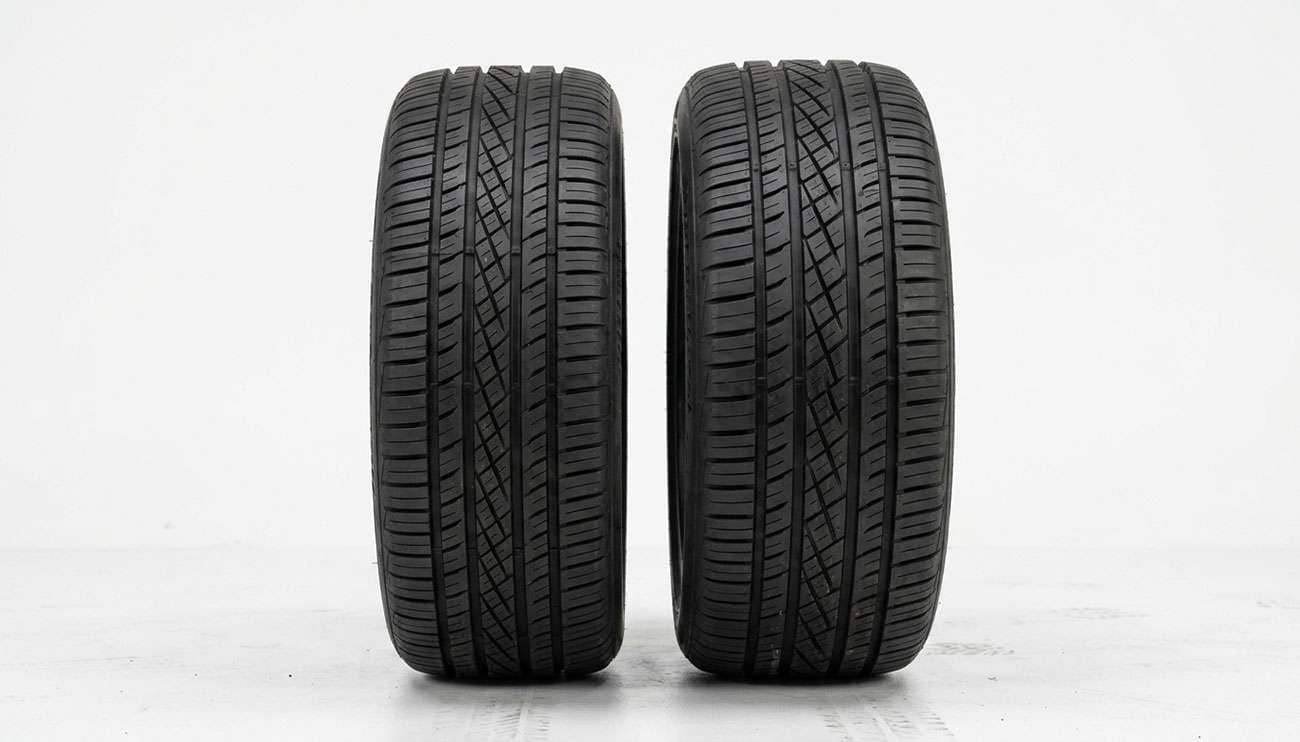
I get this question at the counter just about every week. Somebody finds a great deal on a set of 225s, or the size they want is out of stock, and they want to know if they can run them in place of the 235s the car came with. The short version is yes, in most cases you can, and a 10-millimeter difference in width is not the dramatic change a lot of folks fear. But there is a right way to do it and a wrong way, and the difference comes down to a few numbers that most articles skip right over. Let me walk you through it the way I would if you were standing in my shop.
For most everyday vehicles, swapping a 235 for a 225 is fine as long as you keep three things in line: the wheel diameter stays the same, the overall tire diameter stays within roughly three percent of the original, and the load rating still meets what your vehicle needs. Do that and the car will drive just fine. The 225 is a touch narrower, so you trade a small amount of grip for slightly better fuel economy, a quieter ride, and usually a lower price. That is the whole trade in a nutshell. The rest of this article is about doing it correctly so you do not end up with a speedometer that lies to you or a tire that cannot carry your car.
Before we go further, let's make sure we are reading the size right. On a tire stamped 235/65R17, that first number, 235, is the section width in millimeters. The 65 is the aspect ratio, meaning the sidewall height is 65 percent of the width. The R means radial, and the 17 is the wheel diameter in inches. So a 225 tire is simply 10 millimeters narrower than a 235, a little under half an inch. If any of that is fuzzy, I broke the whole code down in our guide on how to read tire size, and it is worth a two-minute read before you buy anything.
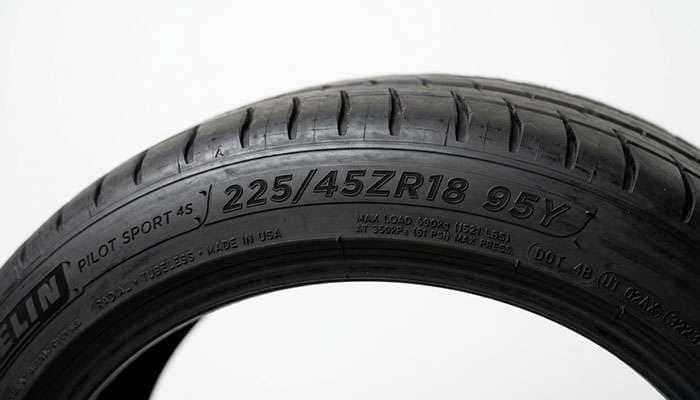
Here is what that 10 millimeters actually does. A narrower 225 has a slightly smaller contact patch, so you lose a small amount of dry grip and cornering bite compared to the 235. In exchange, you gain a few things. Narrower tires have less rolling resistance, so fuel economy ticks up a little. They tend to run a touch quieter, and they often cost less because there is less material in them. Narrower tires also cut through snow and slush better, which is why a lot of folks deliberately go down a width for winter tires.
None of these changes is dramatic at a single 10-millimeter step. The tire itself, the compound and the tread design, will affect ride and grip more than the width difference will. If you want the full rundown on the grip side of the equation, I covered it from the opposite direction in the disadvantages of wider tires, and the same logic runs in reverse here.
This is the part that trips people up, so pay attention. If you keep the same aspect ratio and just drop the width, say 235/65R17 down to 225/65R17, the tire does not only get narrower. It also gets a little shorter, because 65 percent of 225 is less sidewall than 65 percent of 235. Run the numbers and the 235/65R17 stands about 29.0 inches tall while the 225/65R17 stands about 28.5 inches. That is roughly a 1.8 percent drop in diameter.
What does that mean in the real world? Your speedometer will read a little high, showing about 61 when you are actually doing 60, and your odometer will rack up miles slightly faster than you are really traveling. At under two percent, that is well inside the three percent window the industry treats as acceptable, so it is not a problem, just something to know. If you want to keep the diameter dead-on, you bump the aspect ratio up to compensate, going from 235/65R17 to something like 225/70R17. Our guide to plus sizing tires walks through how to balance width and sidewall so your overall diameter stays put.
Here is the one that actually matters for safety, and almost nobody brings it up. A narrower tire often carries a lower load rating, and you cannot ignore that. Let me give you a real example from a tire we stock. The Accelera Omikron H/T comes in both sizes. In 235/65R17 it carries a load index of 104, which is good for about 1,985 pounds per tire. In 225/65R17 that same tire drops to a load index of 102, or about 1,874 pounds per tire. That is roughly 110 pounds less capacity per corner.
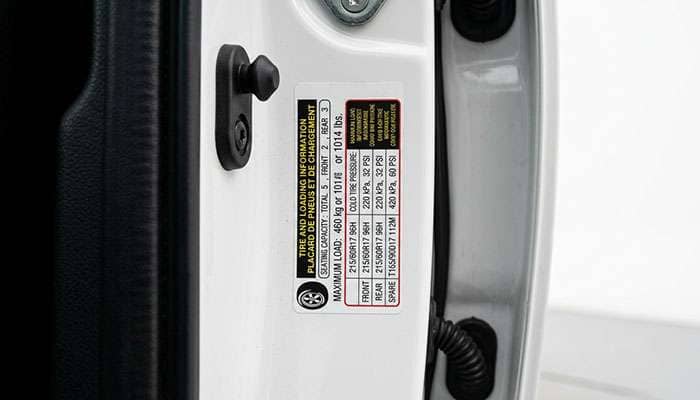
On a light sedan that margin does not matter. On a loaded SUV, a minivan hauling a full family, or anything towing, it absolutely can. The rule is simple: the load index on your new tire must meet or exceed what your vehicle requires, which you will find on the door jamb sticker. Never go down in load rating below the factory spec just to fit a narrower tire. If you are unsure what your vehicle needs, the door jamb and owner's manual are the final word.
Two more practical points. First, your existing wheels. A 225 and a 235 share a lot of acceptable rim-width range, so the 225 will almost always mount on the same wheel that held your 235. It just sits at the slightly narrower end of that range, which is perfectly safe. If you want to confirm your wheel falls in the right window, our breakdown of tire size for wheel width spells out the compatible ranges.
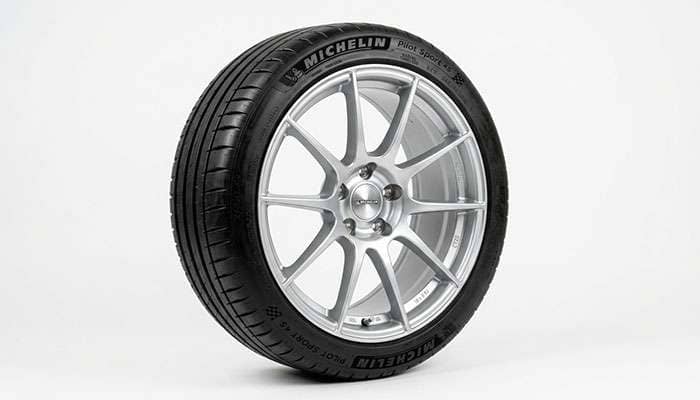
Second, never mix widths on the same axle. If you put a 225 on the left front, the right front gets a 225 too. Ideally you replace all four at once, or at minimum match them front-to-rear in pairs, so the car handles predictably. For more on whether you need a full set, see our guide on whether to replace all 4 tires or not.
There are a few times I'll tell a customer to stick with the 235. If your vehicle is a heavy SUV or truck near its load limit, and the 225 you found drops below your required load index, that is a hard no. If you have a performance car where the factory sized the tires for grip and your handling matters to you, going narrower will dull the car and I would not recommend it. And if dropping the width also pushes your overall diameter outside that three percent window, you risk throwing off your speedometer, traction control, and anti-lock brakes enough to matter. The 225 is a common, easy-to-find size, by the way, as I explain in is 225/65R17 a common tire size, so availability is rarely the deciding factor. Match the load, keep the diameter close, and you are good to go.
So, can you replace a 235 tire with a 225? In most cases, yes. Keep the wheel diameter the same, keep the overall tire diameter within about three percent, and make sure the load rating meets your vehicle's requirement. Do that and you get a slightly narrower tire that drives nearly the same, costs a little less, and may even sip a bit less fuel. The only real traps are load rating and diameter, and now you know how to check both. If you want a second set of eyes before you buy, that is exactly what we do all day. Tell us your year, make, and model and we will confirm the right fit. Browse the options at our tire store, and if you are still weighing widths, our comparison of 235 vs 245 tires shows what happens when you go the other direction.
No. The difference is 10 millimeters, a little under half an inch. You are unlikely to feel it in normal driving. The tire's compound and tread design affect grip and ride far more than a single 10-millimeter step in width.
Slightly, if you keep the same aspect ratio. A 225/65R17 is about 1.8 percent shorter than a 235/65R17, so your speedometer will read roughly one mile per hour high at highway speed. That is inside the acceptable range. To keep the diameter exact, bump the aspect ratio up, such as 225/70R17.
Almost never. A 225 and a 235 share enough acceptable rim-width range that the 225 will mount on the same wheel that held your 235. It simply sits at the narrower end of that range, which is safe.
The load rating. A narrower tire can carry a lower load index, and it must still meet or exceed what your vehicle requires, listed on the door-jamb placard. This matters most on SUVs, trucks, minivans, and anything towing.



