
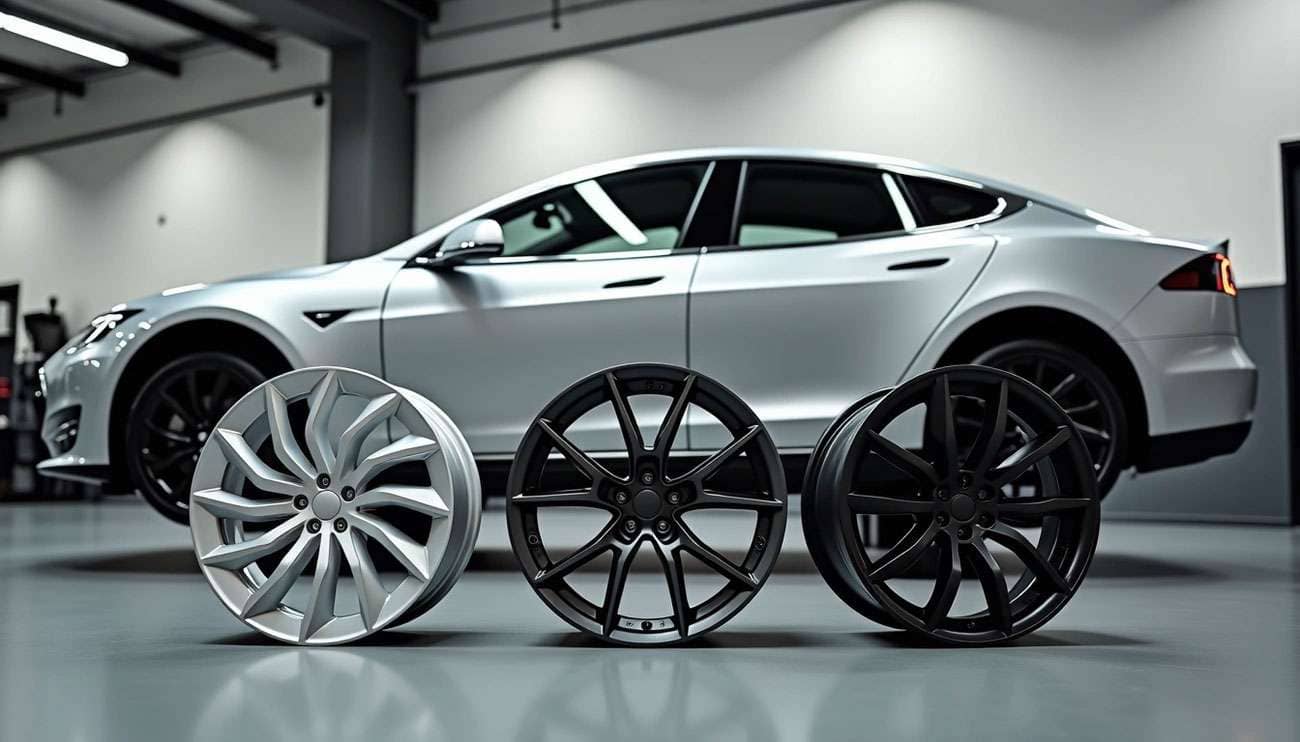
The 2021+ Tesla Model S delivers incredible performance with configurations offering more than 1,000 hp. Selecting the right tesla model s aftermarket wheels can maximize that performance potential while transforming your vehicle's appearance. We understand that the 2021+ Model S's wider body design changed everything - OEM wheel widths increased to 9.5" at the front and 10.5" at the rear, creating exciting opportunities for aftermarket upgrades.
Whether you drive a 2018 Tesla Model S or the latest Plaid configuration, choosing compatible wheels requires understanding key specifications and fitment requirements. At Performance Plus Tire, we've seen too many owners struggle with wheel selection, which is why we created this guide to help you make the right choice.
Understanding Tesla Model S wheel specifications is important before making a purchase. We'll walk you through wheel sizes, offset measurements, manufacturing methods, and tire compatibility. Our expert knowledge covers everything from bolt patterns to brake clearance, ensuring you get wheels that fit perfectly and perform flawlessly.
By the end of this guide, you'll have the confidence to select the perfect aftermarket wheels for your Model S at prices that won't break the bank.
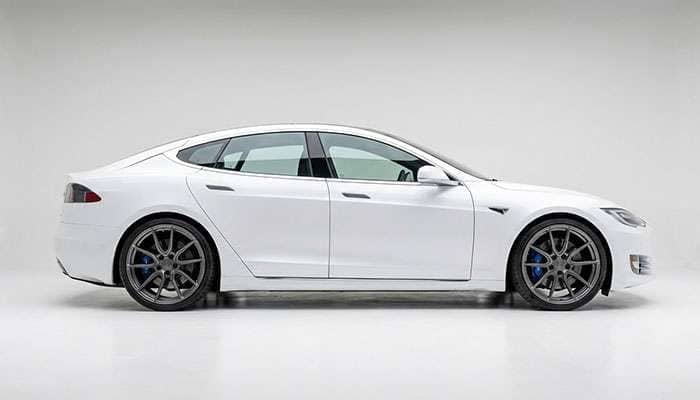
Your Model S generation determines which tesla model s aftermarket wheels will fit correctly. The differences between generations are significant and affect every aspect of wheel selection.
The 2012-2020 generation came with narrower factory wheel widths, typically ranging from 8.0" to 9.0" in staggered configurations. Tesla designed these wheels for the original body proportions and performance targets of the first-generation Model S.
The 2021+ refresh changed everything. Factory widths expanded dramatically to 9.5" front and 10.5" rear to support the wider body design. This change opens up exciting possibilities for aftermarket wheel upgrades that simply weren't available on earlier models.
Every Model S generation uses identical mounting specifications, which simplifies aftermarket wheel selection. The bolt pattern remains 5x120 across all model years from 2012 through 2025. The center bore measures 64.1mm universally, ensuring proper hub-centric mounting that prevents vibration and premature wear.
Your lug nuts require a 21mm hex socket with 14x1.50 thread pitch, torqued to 129 lb-ft. These specifications stay consistent regardless of your model year.
Offset measurements vary between generations. The 2012-2020 models used factory offsets ranging from +35mm to +40mm depending on wheel design. The 2021+ models standardized on +40mm offset at the front and +45mm at the rear. When shopping for aftermarket options, staying within these ranges ensures proper fitment without clearance issues.
Load capacity becomes critical when selecting 2018 tesla model s aftermarket wheels or any model year. Your vehicle's Tire and Loading Information Label, located on the center door pillar, lists maximum vehicle capacity weight and original tire specifications.
The Model S operates near the limits of a 98 load index rating. Matching your tire's load index to vehicle requirements prevents premature tire failure and handling compromises. We've seen customers experience tire problems when they ignore load ratings, so verify these specifications before making your selection.
Tesla offered different factory wheel options depending on your model year, and understanding these helps you evaluate aftermarket alternatives.
The 2012-2020 generation included several popular options. The 19" Base Wheel measured 19x8.0" with +40 offset and weighed 29.5 lbs. The 19" Tempest Aero came in 19x8.5" with +35 offset at 29.6 lbs. Tesla also offered 21" Turbine wheels in staggered setups - 21x8.5" front and 21x9.0" rear with +40 offset. The lightweight 21" Arachnid wheels represented the premium option at just 27.85 lbs front and 28.75 lbs rear.
Tesla simplified the 2021+ lineup to two main options. The 19" Cardenio Aero wheels measure 19x9.5" front and 19x10.5" rear. The 21" Arachnid wheels use the same sizing - 21x9.5" front and 21x10.5" rear. These wider configurations support the enhanced performance capabilities of 2022 tesla model s aftermarket wheels upgrades and Plaid variants.
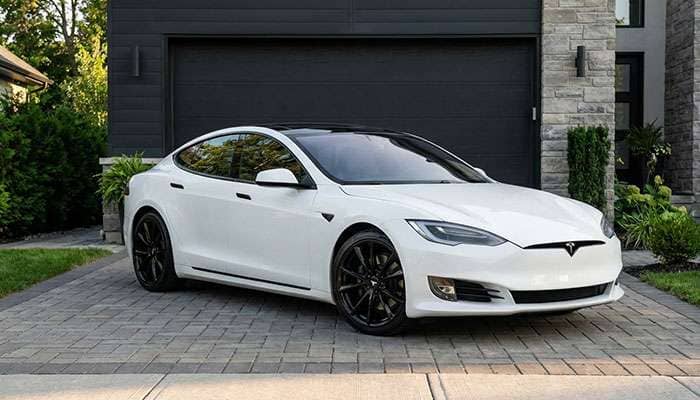
Diameter represents the size of tesla model s aftermarket wheels when viewing your car from the side. This measurement runs from bead seat to bead seat, not from the outer edges. The bead seat marks where the tire mounts to the rim. Larger diameter wheels contain more aluminum, which increases weight and affects performance.
Width measurements follow the same bead-seat-to-bead-seat principle. An 8.0" wide wheel measures 9.0" from flange to flange in reality. For every half-inch change in rim width, tire section width changes by approximately two-tenths of an inch. This relationship between rim and tire width influences your contact patch and handling characteristics.
When selecting wheel sizes, consider your driving priorities. Larger diameters provide more space for bigger brakes but add weight. Wider wheels improve cornering grip but can reduce ride comfort on rough surfaces.
Offset measures the distance from the wheel's centerline to the mounting surface, expressed in millimeters. Positive offset places the mounting surface toward the street side of the centerline. Negative offset positions it behind the centerline, creating a deep-dish appearance. Zero offset aligns the mounting surface with the centerline.
Deviation from factory specifications affects more than appearance. Avoid changing offset by more than 5 millimeters from original specifications. Incorrect offset reduces vehicle stability and can interfere with braking systems. Backspacing must be factored in alongside offset, especially when installing wider 2022 tesla model s aftermarket wheels.
Understanding offset helps you avoid clearance issues while maintaining proper handling characteristics.
PCD measures the diameter of an imaginary circle passing through the center of all bolt holes. Incorrect PCD creates misalignment between wheel and hub, leading to uneven tire wear and compromised handling. Center bore diameter must match your hub precisely to avoid vibration and noise at speed. Most aftermarket wheels use a larger standard bore with hubcentric rings to ensure proper centering.
Tesla's 5x120 bolt pattern and 64.1mm center bore remain consistent across all Model S generations, simplifying wheel selection.
Unsprung weight includes wheels, tires, brakes, and suspension components not supported by the suspension. Reducing unsprung weight improves handling by allowing suspension to stabilize the vehicle more effectively. One pound of rotating wheel weight equals approximately 5-10 pounds of static vehicle weight in acceleration impact. Weight concentrated near the rim affects rotational inertia more than weight near the hub.
Lighter wheels deliver noticeable improvements in acceleration, braking, and steering response. The performance difference becomes more apparent in spirited driving situations.
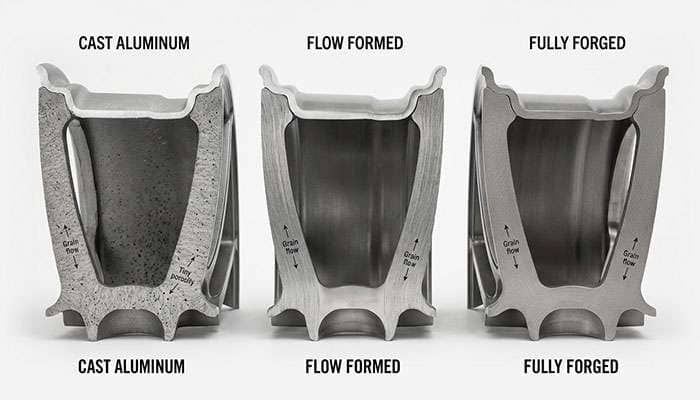
Manufacturing processes determine the performance characteristics and price points of tesla model s aftermarket wheels. Understanding these methods helps you select options matching your driving priorities and budget.
Cast wheels account for 90% of originally equipped wheels. Molten aluminum pours into a mold where it cools and hardens. Low-pressure casting injects aluminum from the bottom up, reducing air bubbles in the final product. This straightforward process keeps costs down but requires additional material to compensate for potential porosity during cooling. Cast wheels prove reliable for daily driving conditions but remain the heaviest option among manufacturing methods.
Flow forming starts with a cast blank, then applies pressure and heat while spinning the wheel. Rollers stretch and compress the barrel section, aligning the grain structure. This hybrid approach delivers 15-25% weight reduction compared to cast wheels. The barrel gains forged-like strength while the face remains cast. When shopping deals on tesla model s aftermarket wheels at Performance Plus Tire, flow forged options provide performance gains without premium pricing.
Forged wheels compress solid aluminum billets under 8,000 to 10,000 tons of pressure. This process eliminates porosity and aligns the metal's grain structure. Forged wheels achieve 25-40% weight reduction over cast alternatives while offering up to 300% greater strength. The superior strength-to-weight ratio allows manufacturers to use less material, creating slimmer spoke designs.
Cast wheels may crack under severe impact owing to internal voids. Flow forged barrels resist cracking better than cast but retain cast spoke construction. Forged wheels bend rather than crack under extreme stress, allowing drivers to stop safely. For 2022 tesla model s aftermarket wheels applications, forged construction provides the highest durability for performance driving.
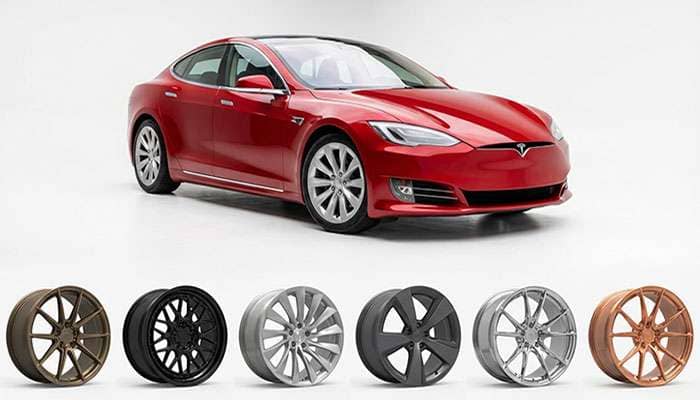
Choosing the right wheels for your Model S depends on your driving priorities and performance goals. We'll help you make the right selection based on your specific needs.
Track-focused setups perform best on 17-18 inch diameters paired with 245-275 width tires. Smaller diameters allow taller sidewalls for better grip and feedback while reducing rotational inertia. The additional sidewall height provides better road feel and absorbs track imperfections more effectively.
Daily drivers benefit from 19-inch lightweight wheels that balance ride quality, grip, and cost. This size offers the sweet spot between performance and comfort for most owners. For tesla model s plaid aftermarket wheels applications, forged construction in 19-20 inch sizes supports large brakes while maintaining efficiency.
Staggered configurations place wider tires at the rear, enhancing acceleration traction and creating understeer for stability. This setup works well for high-performance driving but limits your tire rotation options. Front tires wear faster on staggered setups since rotation options become limited.
Square setups use identical sizing all around, enabling tire rotation and providing neutral handling. Square configurations feel more twitchy on imperfect surfaces but deliver sharper steering response. Most track enthusiasts prefer square setups for the improved balance and tire rotation benefits.
Aftermarket stems and seals adapt stock sensors to custom rims while maintaining proper orientation. When sensors don't fit original holes, band them on the drop center opposite the valve stem. Most premium wheels accommodate commercially available sensors, but always verify compatibility before purchasing.
Recalibrate TPMS after changing tire size or load rating. This ensures accurate pressure readings and prevents warning lights on your dashboard.
Download brake profile templates from manufacturers and print at full scale. Place templates inside wheels with 3mm clearance in all directions from the caliper. This simple step prevents costly mistakes and ensures proper fitment.
Hubcentric spacers move wheels outward if spokes contact calipers. When you shop deals on tesla model s aftermarket wheels at Performance Plus Tire, we verify clearance before mounting to prevent installation issues.
Powder coating resists rust, heat, chips, and scratches through electrically charged particles baked in curing ovens. Chrome plating creates mirror-like reflectivity but adds weight. Consider your maintenance preferences when selecting finishes.
Polished aluminum wheels require buffing and clear coating for shine without weight penalties. Brushed finishes take up to 8 hours per wheel through artisan hand brushing but offer durability with distinctive appearance.
Entry-level wheels start around USD 887.00 for complete sets, while premium forged options reach USD 1672.00. Professional powder coating costs USD 160.00+ per wheel but delivers longevity. Match finish maintenance requirements to your lifestyle - road salt and intense sun demand durable finishes.
Look for wheels that balance your performance needs with long-term value. Premium materials and construction methods typically provide better durability and weight savings that justify the higher initial investment.
You now have the expert knowledge needed to select the perfect Tesla Model S aftermarket wheels with confidence. Understanding these key specifications and compatibility requirements ensures you make a smart decision that delivers both exceptional performance and stunning appearance.
Whether you're looking for lightweight forged construction for track performance or budget-friendly cast options for daily driving, shop deals on Tesla Model S aftermarket wheels at Performance Plus Tire and experience the difference expert guidance makes. We carry the best selection of Tesla Model S aftermarket wheels at competitive prices, with all the latest designs from top manufacturers.
Your upgraded wheels will transform your driving experience while maintaining the safety and proper fitment your Model S deserves. At Performance Plus Tire, we're confident that we can help you find the perfect set of aftermarket wheels that matches your performance goals and budget.
Ready to upgrade your Model S? Our expert team is ready to help you make the perfect choice for your ride.
Selecting the right aftermarket wheels for your Tesla Model S requires understanding critical specifications and compatibility factors to ensure optimal performance and safety.
• Know your generation specs: 2012-2020 models use narrower wheels (8.0"-9.0") while 2021+ models accommodate wider setups (9.5" front, 10.5" rear) with 5x120 bolt pattern across all years.
• Match manufacturing to driving style: Cast wheels offer budget-friendly daily driving, flow forged provides 15-25% weight reduction, while fully forged delivers 25-40% weight savings with premium strength.
• Verify critical fitment requirements: Maintain factory offset within 5mm, ensure proper brake caliper clearance with 3mm minimum, and confirm TPMS sensor compatibility before installation.
• Consider performance vs. practicality trade-offs: Smaller 17-18" wheels with taller sidewalls excel on track, while 19" options balance ride quality and grip for daily use.
• Budget for quality and maintenance: Entry-level sets start around $887 while premium forged options reach $1,672, with powder coating adding $160+ per wheel for durability.
The key to successful wheel selection lies in balancing your performance goals, budget constraints, and maintenance preferences while strictly adhering to Tesla's fitment specifications for safety and optimal handling.
All Tesla Model S vehicles from 2012 through 2025 use a 5x120 bolt pattern with a 64.1mm center bore. The lug nuts require a 21mm hex socket with 14x1.50 thread pitch and should be torqued to 129 lb-ft for proper installation.
Forged wheels achieve 25-40% weight reduction compared to cast wheels while offering up to 300% greater strength. Flow forged wheels provide a middle ground with 15-25% weight savings over traditional cast construction.
Staggered setups use wider tires at the rear for better acceleration traction and stability but limit tire rotation options. Square setups use identical sizing on all four corners, allowing full tire rotation and providing more neutral handling characteristics.
You should avoid changing offset by more than 5 millimeters from the original factory specifications. Exceeding this range can reduce vehicle stability, compromise handling, and potentially interfere with braking systems.
Track-focused driving performs best with 17-18 inch diameter wheels paired with 245-275 width tires for better grip and reduced rotational inertia. Daily drivers benefit from 19-inch lightweight wheels that balance ride quality, grip, and cost effectively.



