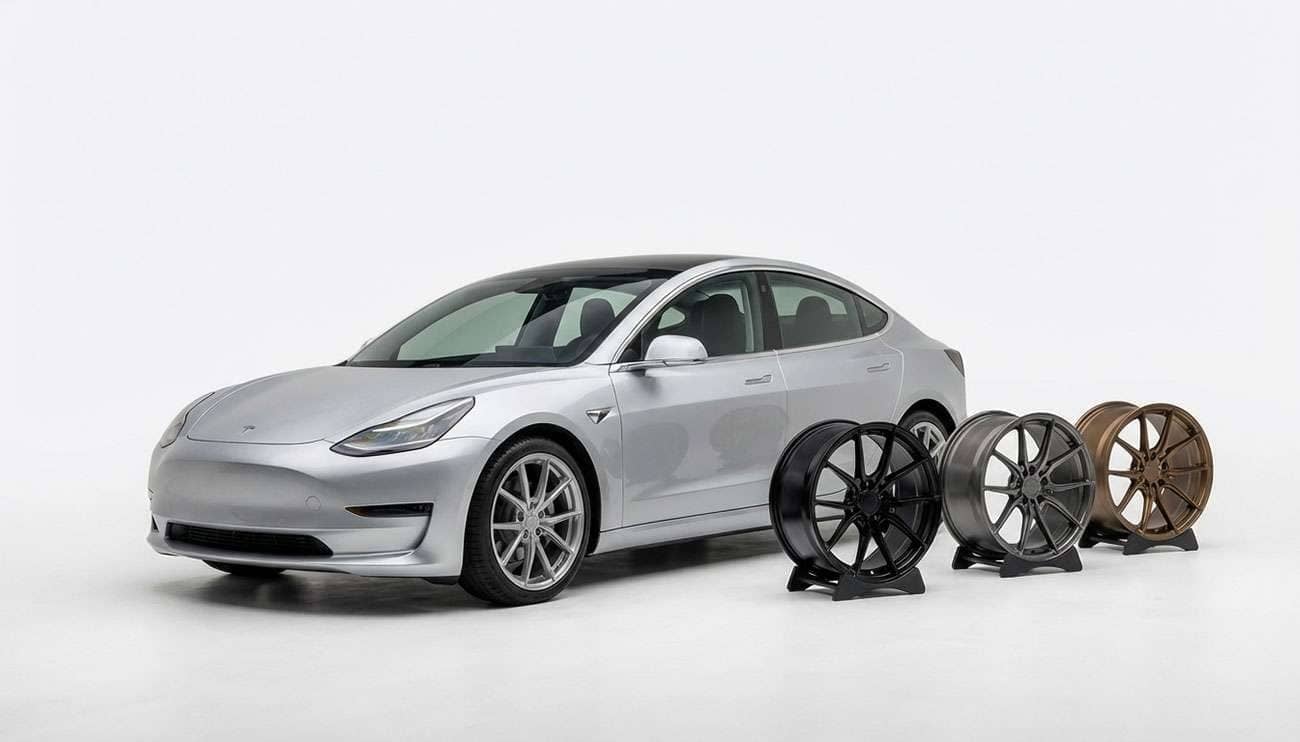
Aftermarket Tesla wheels are a popular way to upgrade your electric vehicle's appearance and performance. Wheels and tires can affect your Tesla's range by 3-10% according to automotive experts. This impact on efficiency means choosing the right wheels goes beyond just looks.
Tesla owners have many options when upgrading from factory wheels. The standard Tesla Model 3 comes with 18x8.5" wheels weighing 21.6 pounds without the aero cover, but aftermarket alternatives offer different weights, styles, and performance characteristics. Tesla Model S owners can select from various staggered setups with 265 and 295 section widths, or square configurations with tire widths up to 315. Whether you're looking at tesla model 3 aftermarket wheels or wondering if you can put custom rims on a tesla, understanding the specifications and compatibility is essential.
We'll guide you through everything you need to know about aftermarket Tesla wheels. You'll learn about OEM versus aftermarket options, Tesla wheel sizes and fitment specifications, the best wheel choices for different Tesla models, and important installation and safety tips to ensure your upgrade goes smoothly.
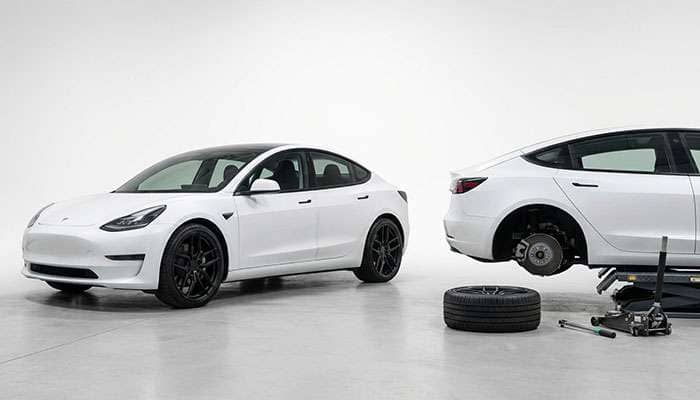
Tesla owners face a key decision when upgrading their wheels: stick with factory options or explore aftermarket alternatives. Understanding the differences between these choices helps you make the right decision for your electric vehicle.
OEM (Original Equipment Manufacturer) wheels come directly from Tesla when your vehicle leaves the factory. These wheels are engineered specifically for your Tesla's make and model, ensuring proper compatibility and performance. Tesla's factory wheels come in 18", 19", and 20" diameters, with most sharing identical specifications for bolt pattern (5x114.3), thread pitch (M14x1.5), and centerbore (64.1mm).
Tesla's factory wheels undergo rigorous testing to meet strict safety standards and quality control protocols, including x-ray inspections and pressurized immersion tests. They're designed to work seamlessly with Tesla's computer systems that control handling and suspension.
Aftermarket Tesla wheels are manufactured by third-party companies rather than Tesla itself. These wheels vary significantly in quality, from budget options with minimal quality control to premium brands using advanced manufacturing techniques.
The main differences include manufacturing processes (cast, flow-formed, or forged), material quality, and design intent. Aftermarket wheels often feature unique styles that allow for greater personalization. Looking for high-quality aftermarket Tesla wheels? Check out Performance Plus Tire's selection for options that balance style with functionality.
High-quality aftermarket wheels focus on improved durability, enhanced appearance, better resistance to impacts, and optimized fitment beyond factory tolerances.
OEM Tesla Wheels:
Pros: Perfect fit and compatibility without modifications, engineered for optimal Tesla performance, maintained vehicle value, and covered under vehicle warranty.
Cons: Limited design options, higher upfront cost, and potentially heavier than premium aftermarket alternatives.
Aftermarket Tesla Wheels:
Pros: Greater design variety, potentially lighter weight improving performance, sometimes better value over time, and possibilities for enhanced durability with premium options.
Cons: Variable quality control, potential fitment issues affecting handling, possible interference with vehicle computer systems, and inconsistent warranty coverage.
Quality aftermarket wheels designed specifically for Teslas can offer significant advantages, especially if they match or exceed OEM specifications for load ratings and fitment.
Understanding wheel options available for your Tesla is important before selecting aftermarket alternatives. Each size delivers different benefits for performance, efficiency, and appearance.
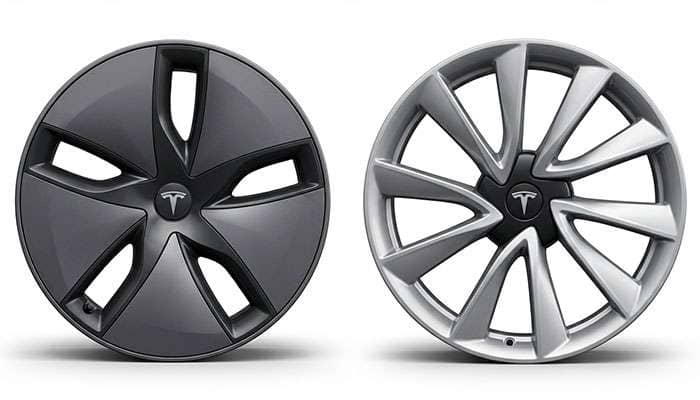
Tesla's 18" Aero wheels come standard on Model 3 Standard Range and Long Range variants. These wheels feature a base split-5 design with removable aero covers. The 18x8.5" wheels weigh 21.6 lbs without the cover and 23 lbs with it. This lightweight design paired with 235/45R18 tires maximizes range and comfort through reduced rolling resistance. Companies like T Sportline offer 18" aftermarket wheels specifically engineered to Tesla specifications with proper load ratings and TUV quality standards.
The 19" Sport wheels deliver an optimal balance between performance and efficiency. Tesla's 19" Sport wheels (19x8.5", +40 offset) come with Continental ProContact RX or Hankook Ventus S1evo3 tires in 235/40R19 size. These wheels typically weigh around 25 lbs and provide improved cornering capabilities without significantly affecting range. Tesla also offers 19" performance winter packages for enhanced grip in cold conditions.
Performance-focused Teslas primarily feature 20" wheels. The Uberturbine wheels (20x9.0", +34 offset) come standard on Model 3 Performance vehicles from October 2020 onward. These wheels weigh approximately 32 lbs and come equipped with Pirelli P Zero tires (235/35ZR20). Track enthusiasts can choose Tesla's Zero-G wheels that deliver optimal grip with Michelin Pilot Sport Cup 2 tires.
All Tesla Model 3 vehicles use a 14x1.50 thread pattern with 21mm hex lug nuts torqued to 129 lb-ft (175 Nm). This standardization ensures compatibility across various wheel options.
The critical specifications for Tesla wheels include:
PCD (Pitch Circle Diameter): 5x114.3 for Model 3/Y
Center bore: 64.1mm across all Tesla models
Offset: Typically ranges from +34 to +40mm depending on wheel size and model
Proper alignment of these specifications ensures optimal handling, clearance, and performance from your aftermarket Tesla wheels.
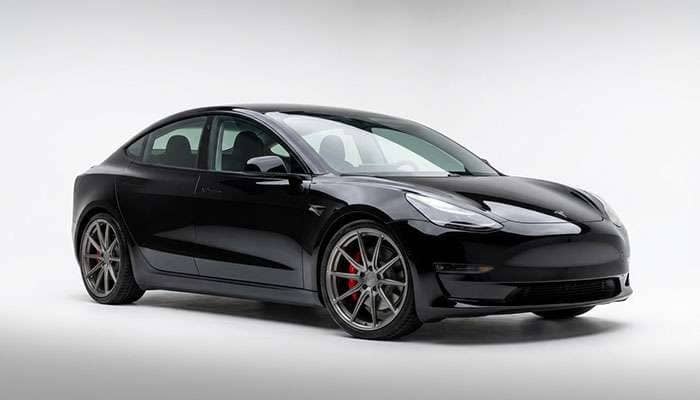
Selecting aftermarket wheels for your Tesla involves balancing style with performance needs. Leading manufacturers have created specialized options designed specifically for each Tesla model.
Unplugged Performance delivers premium USA-made UP-03 Lightweight Forged Wheels engineered specifically for Tesla Model 3. These wheels are professionally designed and manufactured in Hawthorne, CA. Vossen has earned recognition as an industry leader with their Hybrid Forged wheels that provide custom fitments while maintaining OEM functionality. T Sportline wheels meet Tesla load ratings and TUV quality standards and work seamlessly with factory Tesla center caps and TPMS sensors.
Model Y owners typically choose 20-inch wheels for the ideal balance between appearance and performance. Most aftermarket setups feature widths between 10-11 inches with offsets ranging from +30 to +40. T Sportline's 18-inch Tesla Model Y wheels fit all 2020-Present vehicles, including Performance variants. Ready to upgrade your Tesla with premium wheels and tires? Explore Performance Plus Tire's selection for options that complement your specific model.
T Sportline dominates the market with trendsetting wheels engineered to exact Tesla specifications for Model S vehicles (2012-2020). Evannex offers various custom-designed options including forged and cast alloy wheels like FAST EV01s and Uberturbine styles.
Tesla owners who switched from 20-inch to 19-inch wheels report slightly improved ride quality, potential range increases, and significantly lower tire replacement costs. However, some find 19-inch wheels less visually appealing compared to larger options.
Yes, you can install custom rims on your Tesla! Tesla wheels aren't particularly unique except for the Model 3 Performance, which features a specific hub lip requiring compatible wheel designs. Many aftermarket options exist that maintain proper load ratings for Tesla's weight requirements.
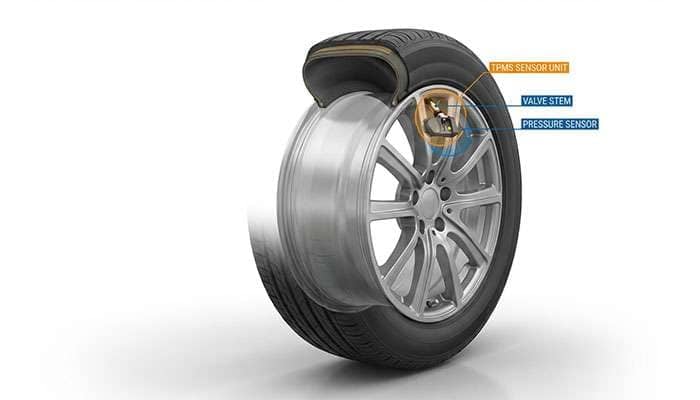
Installing aftermarket Tesla wheels requires attention to several important details to ensure both safety and optimal performance. Getting these factors right during installation prevents problems down the road.
Tesla vehicles manufactured before September 2020 use 433MHz RF tire pressure monitoring sensors, while newer models use Bluetooth Low Energy (BLE) TPMS. These Bluetooth sensors initially cost around $75 each but have increased to $95 per sensor. When selecting aftermarket wheels, make sure you choose the correct TPMS type for your vehicle's production date.
Tesla Model 3 lug nuts require precisely 129 lb-ft (175 Nm) of torque. These 21mm lug nuts use a 14x1.50 thread pattern. Always use a calibrated torque wrench to achieve the proper specification when installing aftermarket wheels. Under-torquing can cause wheels to become loose during driving.
Wider tires with 265 treadwidth might rub against factory wheel speed sensors and require rerouting. Higher offset wheels may have clearance problems with the front knuckle. Consider installing AlloyGator rim guards to protect against curb rash, which prevents costly damage and helps maintain resale value.
Reset your tire configuration after installation:
Navigate to Controls > Service > Wheel & Tire Configuration > Tires
Select the appropriate wheel size
The TPMS auto-learning process takes up to 20 minutes while driving above 25 mph
Aftermarket wheels are one of the most impactful upgrades you can make to your Tesla. They affect range, performance, appearance, and handling all at once. Proper wheel selection goes beyond just looks - the right wheels can actually enhance your driving experience.
Weight plays a crucial role when selecting wheels for your electric vehicle. Lighter wheels improve range efficiency, but you need to balance this against durability requirements. Proper fitment specifications matter just as much - correct bolt patterns, offsets, and TPMS compatibility are essential for safety and performance.
Installation requires precision. Tesla lug nuts must be torqued to exactly 129 lb-ft. Incorrect installation can lead to serious safety issues or damage your investment. We recommend professional mounting unless you have the right experience and tools.
Ready to upgrade your Tesla wheels? Performance Plus Tire offers a selection that meets Tesla's exacting specifications while providing style options beyond factory limitations. These wheels are specifically designed with Tesla's weight and performance characteristics in mind.
Regular inspection and proper maintenance will extend your wheels' lifespan regardless of which ones you choose. Wheels serve as both functional components and personal expression of your Tesla's character. The right set balances efficiency, performance, and distinctive style that makes your Tesla uniquely yours.
Upgrading to aftermarket Tesla wheels can significantly impact your vehicle's performance, efficiency, and esthetics while offering greater customization than factory options.
• Wheel weight directly affects Tesla range by 3-10% - lighter aftermarket wheels can improve efficiency while heavier ones may reduce it
• All Tesla models share identical bolt specs - 5x114.3 PCD, 64.1mm center bore, and M14x1.5 thread pattern ensure broad compatibility
• TPMS compatibility varies by production date - pre-September 2020 Teslas use 433MHz sensors while newer models use Bluetooth Low Energy
• Proper torque specification is critical for safety - Tesla lug nuts must be torqued to exactly 129 lb-ft (175 Nm) using calibrated tools
• Quality aftermarket wheels can outperform OEM options - premium brands offer lighter weight, enhanced durability, and superior esthetics while maintaining Tesla specifications
When selecting aftermarket wheels, prioritize manufacturers that specifically engineer for Tesla's unique requirements, including proper load ratings and computer system compatibility. Professional installation ensures optimal performance and safety.
Yes, you can install aftermarket wheels on your Tesla. However, it's crucial to choose wheels that meet Tesla's specific requirements to ensure optimal performance, safety, and compatibility with the vehicle's systems.
Aftermarket wheels can impact your Tesla's range by 3-10%. Lighter wheels generally improve efficiency, while heavier ones may reduce it. The wheel design and aerodynamics also play a role in range performance.
When selecting aftermarket Tesla wheels, consider the bolt pattern (5x114.3), center bore (64.1mm), thread pitch (M14x1.5), and proper load ratings. Also, ensure compatibility with your Tesla's TPMS sensors (433MHz for pre-September 2020 models, Bluetooth Low Energy for newer models).
No, installing aftermarket wheels does not void your Tesla's warranty. However, any damage caused by improperly installed or incompatible wheels may not be covered under warranty.
When installing aftermarket Tesla wheels, use a calibrated torque wrench to tighten the lug nuts to exactly 129 lb-ft (175 Nm). Ensure proper TPMS sensor installation and reset the tire configuration in your Tesla's settings. For safety and optimal performance, professional installation is recommended.