
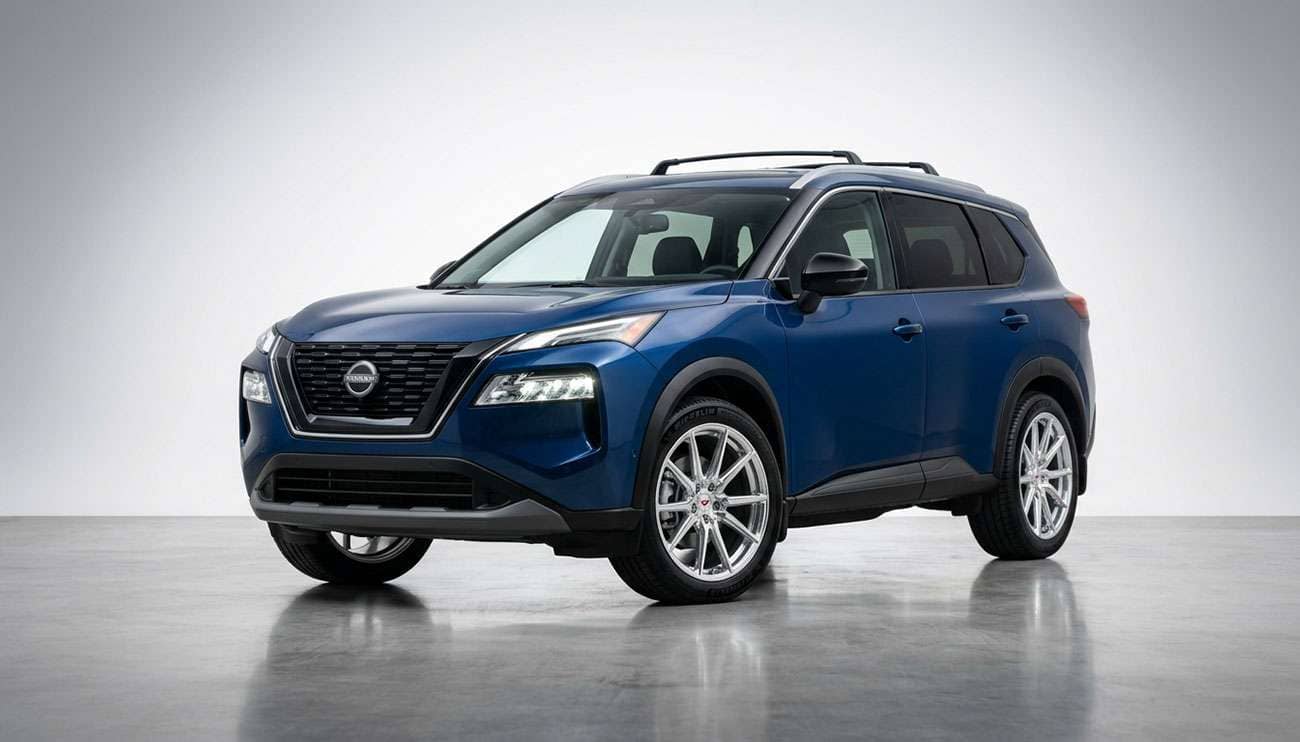
Nissan Rogue aftermarket wheels offer an excellent way to upgrade your vehicle's appearance and performance beyond factory specifications. The Nissan Rogue aftermarket wheels market provides extensive options, from 17-inch to 19-inch aluminum-alloy configurations that match or exceed your factory wheel performance. Custom wheels can dramatically improve your Rogue's stance, handling characteristics, and overall road presence.
Understanding proper fitment starts with knowing your nissan rogue wheel bolt pattern. Every Rogue model from 2008 through 2026 uses the same 5×114.3 bolt pattern, making wheel selection straightforward once you know this specification. Getting your nissan rogue lug pattern and nissan rogue wheel size requirements right prevents costly mistakes and ensures safe installation.
We'll walk you through the essential specifications and selection criteria that determine proper wheel fitment. Our guide covers everything from bolt patterns and offset measurements to material choices and brake clearance requirements, helping you choose nissan rogue rims that enhance both style and performance.
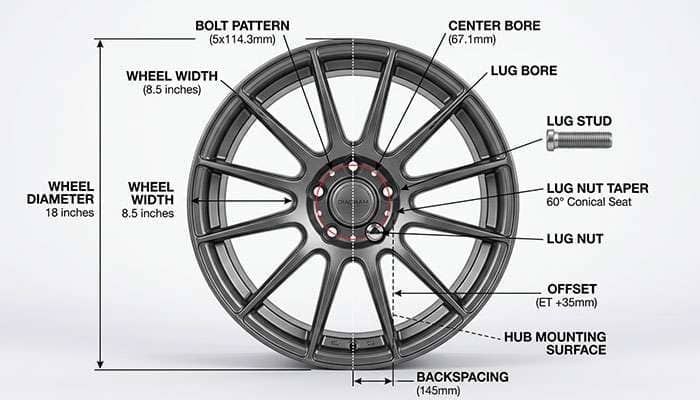
Understanding wheel specifications helps you make smart choices when selecting aftermarket wheels. These measurements determine whether wheels will fit your Nissan Rogue properly and perform as expected.
Wheel dimensions use a simple format: diameter x width, both measured in inches. An 18×9 wheel has an 18-inch diameter and 9-inch width. Aftermarket options range from 15-inch wheels up to 26-inch sizes for those wanting maximum visual impact.
Diameter measures the wheel from rim to rim where the tire bead sits. Width measures the inside distance between the bead seats where your tire mounts. These dimensions directly affect tire selection and your vehicle's overall appearance.
The bolt pattern tells you exactly how the wheel attaches to your vehicle. This specification includes two numbers: the number of bolt holes and the diameter of the circle they form.
Your Nissan Rogue uses a 5×114.3 pattern - five bolt holes arranged in a 114.3mm circle. Measuring bolt patterns varies by design. Even-numbered patterns measure straight across from center to center. Five-lug patterns require measuring from one bolt center to the farthest bolt edge.
Offset measures how far the mounting surface sits from the wheel's centerline, expressed in millimeters. This specification dramatically affects how your wheels fit and how your vehicle handles.
Zero offset places the mounting surface exactly at center. Positive offset moves the mounting surface toward the street side, common on front-wheel drive vehicles. Negative offset creates the "deep dish" look by moving the mounting surface inward.
Staying within 5 millimeters of your factory offset maintains proper suspension geometry and prevents bearing wear. Incorrect offset changes steering feel and can cause premature component failure.
The center bore opening fits over your vehicle's hub, supporting the wheel's weight and keeping it centered. Hub-centric wheels match your hub diameter exactly, reducing vibration and ensuring smooth operation. Lug-centric wheels depend on lug nuts for centering instead of the hub fit.
Aftermarket wheels typically have larger center bores to fit multiple vehicle types. Hub-centric rings fill the gap when the wheel's center bore exceeds your hub diameter.
Steel wheels combine iron and carbon for maximum durability at lower cost, but weigh 2.5 to 3 times more than aluminum options. Alloy wheels blend aluminum with other metals, creating lighter wheels that improve acceleration, braking, and fuel efficiency.
Alloy wheels dissipate heat better and come in countless finishes and designs. Steel wheels resist impact damage better and provide weight advantages for winter traction. Choose based on your priorities: performance and appearance favor alloy, while durability and cost savings favor steel.
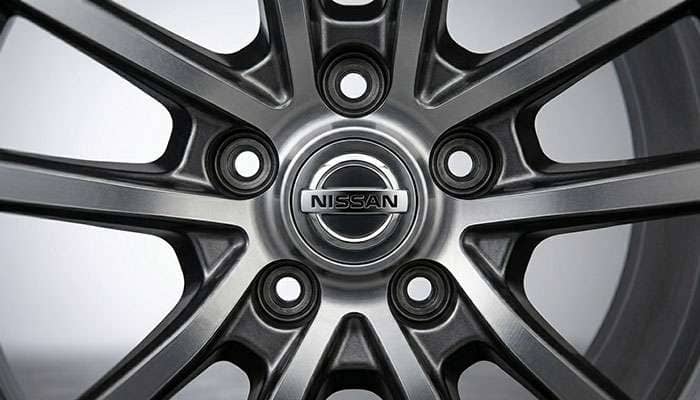
Current Rogue models offer three distinct factory wheel setups: 17-inch (7.5Jx17), 18-inch (7.5Jx18), and 19-inch (7.5Jx19), each featuring ET40 offset specifications. Center bore measurements hold steady at 66.1mm across all wheel sizes, maintaining the established standard from previous model years. Factory lug nuts require M12 x 1.25 threading with proper torque specifications of 113 Nm (83 lbf⋅ft). These baseline measurements become your reference point when selecting nissan rogue aftermarket wheels for proper fitment.
Recent generation Rogues maintained uniform wheel specifications despite offering both 1.5T and 2.5i engine options. Wheel configurations spanned from 7.5Jx17 ET40 to 7.5Jx19 ET40, with the consistent 66.1mm center bore measurement throughout the range. Offset tolerances run between 38-42mm, creating reasonable flexibility when choosing aftermarket options.
Second-generation models brought notable offset changes worth understanding. Early production years (2014-2016) used 7Jx17 through 7Jx19 wheels with ET35 offset. The refreshed 2017-2020 models kept similar sizing but adjusted to ET35 for 17-18 inch wheels and ET40 for 19-inch applications. Wheel width specifications grew from 7 inches to 7.5 inches on select trim levels during this production run.
Original Rogue models established the platform with wheel sizes from 16 to 18 inches. Center bore specifications measured 66.1mm, identical to current models. First-generation models typically featured narrower 7-inch widths compared to later generations.
The most important specification remains constant: every Nissan Rogue from 2008 through 2026 uses the 5x114.3mm (5x4.5") bolt pattern. This consistency eliminates guesswork when selecting aftermarket wheels, as any wheel matching this bolt pattern mounts directly regardless of your Rogue's model year. Hub bore measurements also remained constant at 66.1mm across all generations.
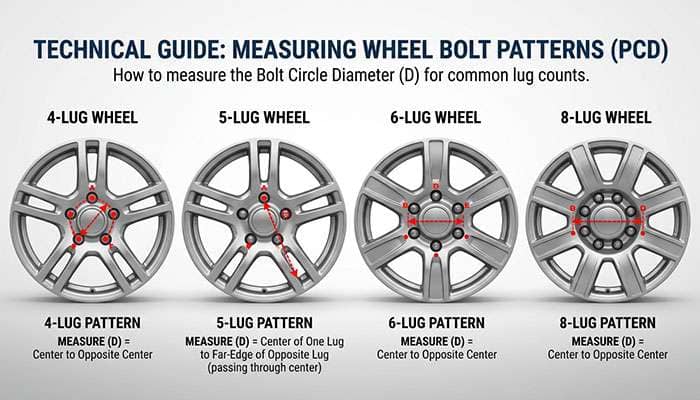
Choosing nissan rogue aftermarket wheels becomes straightforward when you follow the right sequence. Skipping steps leads to fitment problems that cost time and money.
Your 5x114.3mm nissan rogue lug pattern must match exactly. No exceptions exist for this specification. Wrong patterns cause vibration or complete installation failure. This requirement eliminates incompatible options immediately.
Stay within 5 millimeters of your factory offset to protect wheel bearings and suspension components. Excessive offset changes create stress that causes premature joint failure. Width changes alter suspension geometry, so check compatibility before ordering.
Aftermarket wheels often feature larger center bores for universal fitment. When your wheel's center bore exceeds the hub diameter, hub-centric rings prevent highway speed vibration. Browse fitment-verified options that specify ring inclusion.
Maintain 2-3mm minimum spacing between brake calipers and wheel spokes. Download manufacturer templates when available to confirm clearance before purchase.
Alloy wheels reduce unsprung weight, delivering sharper steering response and improved braking performance. Steel wheels handle impact damage better for harsh winter conditions.
Larger diameter wheels create a more aggressive appearance but require lower-profile tires that increase road harshness. Consider your daily driving conditions when making this choice.
Proper verification prevents costly mistakes when ordering nissan rogue aftermarket wheels. Smart buyers take time to double-check specifications before purchasing.
Fitment calculators help you compare your current nissan rogue wheel size against aftermarket options. These online tools analyze offset, backspacing, and clearance changes to show exactly how new wheels will position on your vehicle. The best calculators examine wheel diameter, width, bolt pattern, centerbore, offset, hub height, brake profile, and load capacity before confirming compatibility. Small offset changes can push wheels outward, potentially requiring fender modifications.
Aftermarket wheels often need different lug nuts than your factory hardware. The lug nut seat must match the wheel's machined surface perfectly - whether conical (60° or 45°), ball seat, or mag/shank style. Mismatched seats create loose connections, vibration, and can damage your wheels permanently. Most aftermarket applications use conical 60° seats, while European vehicles typically feature ball seat designs.
Test wheel clearance at full steering lock before mounting tires. Turn the steering wheel completely in both directions and check spacing at the front and rear of each wheel well. You should have at least 2-3 fingers worth of clearance between the tire and wheel well liner at full lock.
Professional installers use calibrated torque wrenches and specialized balancing equipment to ensure proper mounting. They apply manufacturer torque specifications and perform re-torque service after your first 50-100 kilometers to account for wheel settling.
At Performance Plus Tire, we help customers verify fitment before purchase. Our experience with nissan rogue aftermarket wheels helps you avoid common mistakes that waste time and money.
With the right specifications and fitment knowledge, selecting nissan rogue aftermarket wheels becomes straightforward and rewarding. The consistent 5x114.3 bolt pattern across all Rogue model years simplifies your search considerably. Focus on matching offset requirements, center bore compatibility, and brake clearance specifications for optimal results.
Browse verified fitment options that eliminate guesswork and ensure perfect compatibility with your specific Rogue model. Quality aftermarket wheels enhance both your vehicle's appearance and driving performance when properly selected and installed.
Your Rogue deserves wheels that reflect your personal style while maintaining safety and reliability. Choose wisely, and enjoy the improved stance, handling, and visual impact that the right wheel upgrade delivers.
Master the essential specifications and avoid costly mistakes when upgrading your Nissan Rogue with aftermarket wheels.
• All Nissan Rogues (2008-2026) use the same 5×114.3mm bolt pattern - this consistency simplifies wheel selection across all model years and trims.
• Stay within 5mm of factory offset to prevent suspension damage - incorrect offset increases load on wheel bearings and can cause premature component failure.
• Verify center bore compatibility and use hub-centric rings when needed - aftermarket wheels often have larger center bores requiring rings to prevent highway vibration.
• Check brake clearance with 2-3mm minimum spacing - insufficient clearance between calipers and wheel spokes can cause dangerous contact during operation.
• Use fitment calculators and professional installation - online tools help verify compatibility while proper torque specifications ensure safe mounting and performance.
Getting these fundamentals right ensures your aftermarket wheels enhance both appearance and performance while maintaining safety and reliability for years to come.
Start by confirming the 5×114.3mm bolt pattern, which is standard across all Nissan Rogue models from 2008-2026. Then check the wheel diameter, width, offset (staying within 5mm of factory specs), and center bore (66.1mm). Use online fitment calculators to compare your current specifications with aftermarket options, and verify brake clearance by ensuring 2-3mm minimum spacing between calipers and wheel spokes.
Focus on bolt pattern compatibility first, then evaluate offset and width to prevent suspension stress. Check if hub-centric rings are needed for proper center bore fit, verify adequate brake clearance, and choose between steel or alloy materials based on your priorities. Balance your esthetic preferences with performance needs, keeping in mind that larger wheels require lower-profile tires which can increase road harshness.
Nissan Rogue wheels range from 17 inches to 19 inches depending on the model year and trim level. The latest 2024-2025 models come with three factory configurations: 17-inch (7.5Jx17), 18-inch (7.5Jx18), and 19-inch (7.5Jx19), all with ET40 offset. Earlier generations used similar sizing with slight variations in width and offset specifications.
Yes, you can upgrade to 18-inch wheels as long as they match the 5×114.3mm bolt pattern and maintain proper offset within 5mm of factory specifications. When increasing wheel size, you'll need to adjust tire size accordingly to maintain the same overall diameter. Use a tire diameter calculator to ensure the new combination matches your original setup to keep speedometer accuracy.
Offset determines where the wheel sits in relation to the wheel arch and affects vehicle handling and component wear. Staying within 5 millimeters of your factory offset prevents excessive stress on wheel bearings and suspension joints. Incorrect offset can decrease vehicle stability, alter steering characteristics, and lead to premature component failure, making it a critical specification for safe fitment.



