
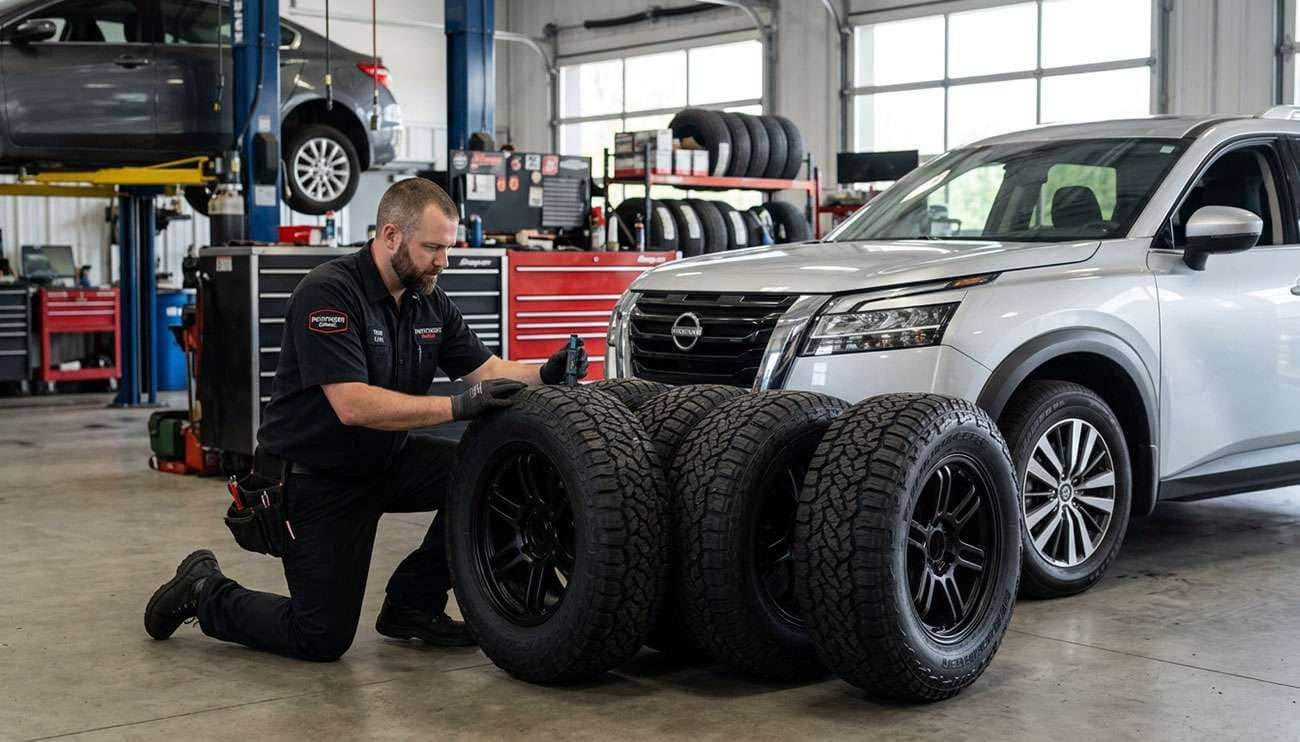
The right Nissan Pathfinder aftermarket tires can dramatically improve your vehicle's handling, braking performance, and fuel economy. Quality tires make the difference between a mediocre driving experience and one that delivers confidence on every road. Whether you're navigating daily commutes or exploring off-road trails, selecting the proper tires for your Pathfinder requires understanding specific sizing requirements and performance characteristics.
We'll walk you through the essential details of nissan pathfinder tire size specifications across different model years, covering everything from 2014 nissan pathfinder tire size to 2017 pathfinder tire size and 2020 pathfinder tire size requirements. You'll discover how to select the ideal tire type for your driving style and learn which aftermarket brands offer the best value. Our expert guidance ensures you'll have the knowledge needed to choose the perfect set of tires for your Pathfinder.
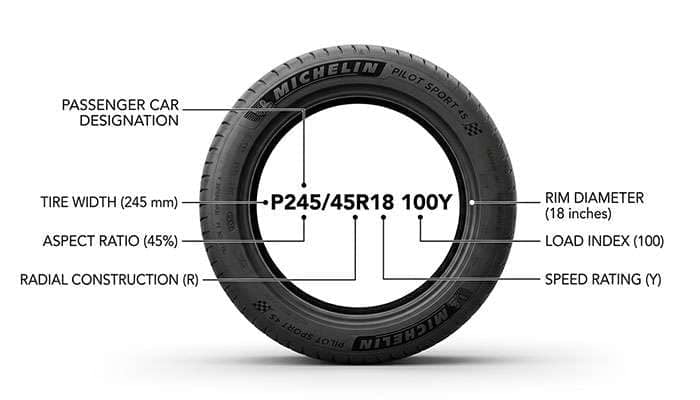
Your Pathfinder displays tire information in three key locations: the tire sidewall, driver's side door jamb, and owner's manual. The door jamb sticker shows Nissan's recommended original equipment tire size. Look for a code like P235/65R18 106T on the sidewall. Each part of this code tells you something specific about the tire. The "P" means passenger vehicle tire. The numbers and letters that follow indicate width, aspect ratio, construction type, diameter, load index, and speed rating.
The first number shows tire width in millimeters from sidewall to sidewall. P235/65R18 has a width of 235 millimeters. The aspect ratio comes after the forward slash as a two-digit number. This percentage shows sidewall height compared to tire width. A 65 aspect ratio means sidewall height equals 65% of the tire's width. Calculate actual sidewall height by multiplying width times aspect ratio: 235mm x 0.65 = 152.75mm. Taller sidewalls give you a smoother ride with more cushioning. Shorter sidewalls deliver sharper handling and better cornering response.
The "R" indicates radial construction. The number following it shows wheel diameter in inches. Our example shows 18, meaning this tire fits an 18-inch wheel. The load index appears as a two or three-digit number after the diameter. The number 106 means a maximum weight capacity of 2,094 pounds per tire when properly inflated. Replacement tires must meet or exceed the original load index. Lower load ratings create overloading risks that cause premature wear and possible tire failure.
The final letter shows the speed rating, indicating maximum safe sustained speed under controlled conditions. Speed ratings range from S (112 mph) to Y (186 mph). Common ratings include T (118 mph), H (130 mph), and V (149 mph). Your replacement tires should match or exceed Nissan's original speed rating specification.
The 2014 nissan pathfinder tire size depends on your trim level: S, SL, and SV models use 235/65R18, while Platinum trims come with 235/55R20. For 2020, the pathfinder tire size stays at 235/65R18 across most configurations. Different trim levels require different sizes, so check your specific model's requirements before buying aftermarket tires.
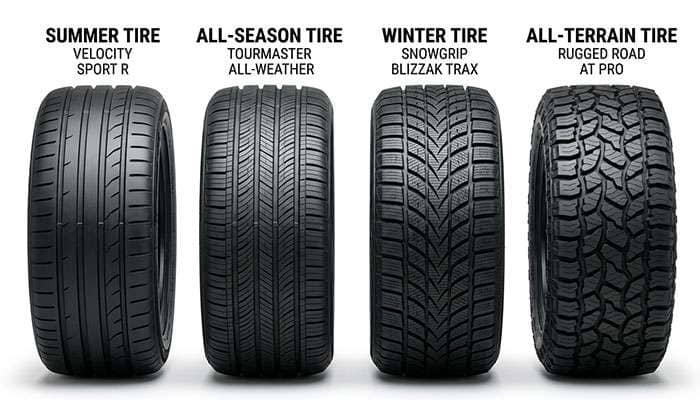
Selecting the right tire type determines how your Pathfinder performs in different conditions. Each tire category serves specific driving needs and weather requirements. Understanding these differences helps you match your tire selection to your typical driving patterns.
All-season tires provide dependable traction across various weather conditions, including wet roads, dry pavement, and light snow. The versatile tread pattern channels water efficiently while maintaining solid grip during dry conditions. These tires work best for Pathfinder owners who drive primarily on paved roads in moderate climates, offering an excellent balance of performance, comfort, and value. The rubber compounds remain flexible when temperatures stay between 5 to 10°C, making them suitable for regions that don't experience extreme weather.
Performance all-season options deliver enhanced warm weather handling without sacrificing year-round capability. Summer tires excel in warm, dry conditions with superior handling and performance compared to standard all-seasons. These aren't suitable for cold or snowy weather use. Drivers who enjoy spirited driving benefit from performance all-season compounds that emphasize cornering grip and precise braking response.
Winter tires excel in cold and snowy conditions through specialized rubber compounds that stay soft and flexible in low temperatures, providing better road grip. Standard tire rubber hardens as temperatures drop, becoming rigid and losing traction capabilities. Winter tires feature sipes - tiny cuts in the tread blocks that create additional biting edges for improved grip on icy surfaces.
All-terrain tires serve Pathfinder owners who regularly venture off paved roads. The aggressive tread design provides enhanced traction in mud, sand, and challenging terrain. Reinforced sidewall construction supports heavier loads while resisting cuts and punctures from rocks and debris. All-terrain tires deliver capable performance on both highways and trails, making them ideal for weekend outdoor adventures.
Highway tires prioritize comfort and efficiency for daily driving situations. These tires deliver smooth, quiet rides while maximizing fuel economy through reduced rolling resistance. Highway tires work well for Pathfinder owners who primarily drive on paved surfaces and value longevity over aggressive off-road capabilities.
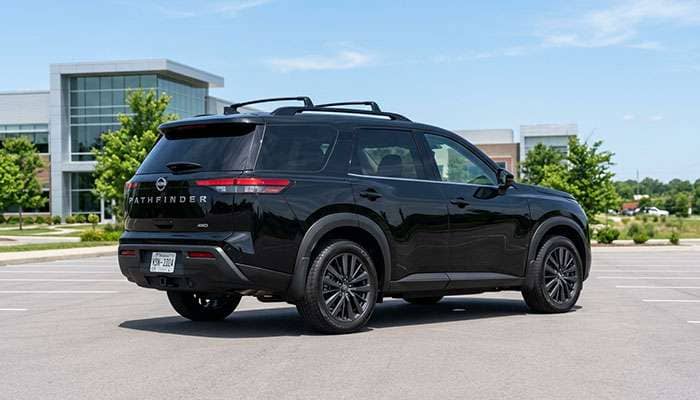
Multiple manufacturers offer quality nissan pathfinder aftermarket tires that meet Pathfinder requirements. Continental CrossContact LX25 delivers excellent all-season performance backed by up to 70,000 miles warranty coverage. Michelin CrossClimate2 provides year-round safety with extended durability. Hankook Dynapro AT2 Xtreme suits off-road enthusiasts, while Yokohama Geolandar CV G058 delivers impressive longevity scores. Pirelli Scorpion All Season Plus 3 and Goodyear Assurance MaxLife offer solid alternatives for pathfinder tire size requirements.
Look beyond the initial price tag when selecting tires. The inexpensive GT Radial Champiro VP1 at $64 wears only half as long as the Michelin Defender at $120, making their cost per mile nearly identical. Higher-performance tires cost more and wear faster, leading to higher cost per mile. Premium brands typically offer better wet braking and handling performance. Shopping around reveals discounts, free shipping, and rebates that can adjust value calculations.
UTQG ratings display treadwear, traction, and temperature grades on tire sidewalls. Traction ratings range from AA (highest) to C, indicating wet stopping ability. Temperature grades (A, B, or C) show heat resistance during high-speed driving. Higher treadwear numbers indicate longer expected tread life.
Tread life warranties offer prorated replacements if tires wear prematurely, requiring proof of proper rotation and maintenance. Road hazard warranties, typically $10-$20 per tire, cover damage from nails and debris. Workmanship warranties protect against manufacturing defects for the tire's life.
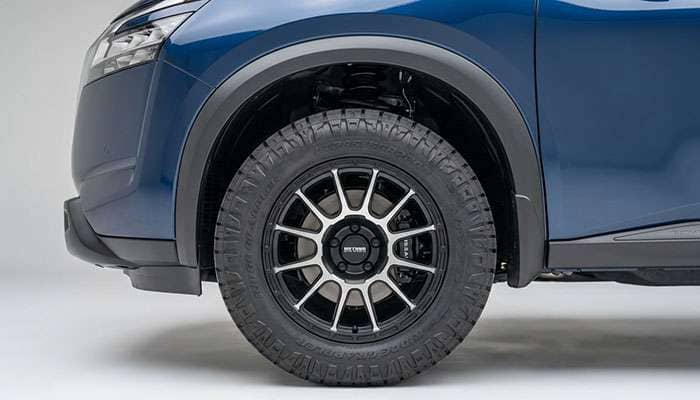
Stock tire configurations change significantly across Pathfinder generations. The 2002 nissan pathfinder tire size varied from 255/65R16 to 245/65R17 based on trim level. The 2014 pathfinder tire size includes 235/65R18 for base models and 235/55R20 for Platinum editions. The 2016 nissan pathfinder tire size matches 2014-2015 specifications. For 2017 pathfinder tire size requirements, you'll find 235/65R18 or 235/55R20 depending on trim. The 2018 nissan pathfinder tire size maintains these same dimensions. Browse performance tire options for your specific model year.
Upsizing demands careful attention to clearance limits. One 2015 Pathfinder owner successfully installed 255/65R18 tires but encountered rubbing during sharp turns. This fender contact signals you've reached the maximum size without vehicle modifications.
Significantly larger tires require bodywork. Installing 34"x10.5" tires on stock WD21 Pathfinders needs approximately 3 inches of trimming from both front and rear fenders. Folding the fender lip inward provides additional clearance while preserving structural integrity.
Understanding offset prevents fitment problems. Offset measures the distance in millimeters from the wheel's centerline to the mounting surface. Positive offset moves the mounting surface toward the wheel's outer face. Backspacing measures in inches from the wheel's back edge to the mounting surface. Wrong measurements cause rubbing against fenders and suspension components.
Check your tire pressure monthly and before extended trips. Nissan typically recommends 32-36 PSI for most configurations. The 255/60R18 tire size specifically requires 33 PSI. Every 1 PSI drop in pressure reduces fuel economy by 0.2%.
You now have the essential knowledge to select the perfect aftermarket tires for your Pathfinder. From decoding tire size specifications to matching the right type with your driving conditions, we've covered the critical factors that determine tire performance and safety.
Your tire choice directly affects how your Pathfinder handles, stops, and performs on the road. Match your specific model year's requirements, consider where and how you drive, and choose quality brands that deliver long-term value within your budget.
Ready to upgrade your Pathfinder's performance? Start shopping for the right tires today and experience the difference quality aftermarket tires can make.
Master these essential steps to select the perfect aftermarket tires that enhance your Pathfinder's performance, safety, and driving experience.
• Decode your tire specifications correctly - Find your exact size on the door jamb sticker and match the load index and speed rating requirements for safety.
• Match tire type to your driving habits - Choose all-season for year-round versatility, winter tires for cold climates, or all-terrain for off-road adventures.
• Balance price with long-term value - Premium tires often cost less per mile due to longer tread life and better performance than budget options.
• Verify fitment before purchasing - Stock sizes vary by model year (235/65R18 for most 2014-2020 models), and larger tires may require modifications.
• Maintain proper tire pressure monthly - Keep pressure at 32-36 PSI as recommended by Nissan to maximize fuel economy, safety, and tire longevity.
The right aftermarket tires transform your Pathfinder's handling, braking, and fuel efficiency while ensuring optimal safety for your specific driving needs and conditions.
Yes, 255/60R18 tires work well as an alternate size for Pathfinders. The total diameter difference is minimal (about 0.02 inches), so your speedometer accuracy won't be affected. The 2019 Rock Creek Edition actually uses this size as standard equipment. You'll gain slightly more width, which may improve traction, though fuel economy might decrease slightly.
The aspect ratio is the two-digit number after the slash in your tire size (like the "65" in 235/65R18). It represents the sidewall height as a percentage of the tire's width. For example, a 65 aspect ratio means the sidewall height equals 65% of the tire's width. Taller sidewalls provide a smoother, more cushioned ride, while shorter sidewalls offer sharper handling and better cornering response.
Premium tires often provide better value over time despite higher upfront costs. An inexpensive tire at $64 may wear twice as fast as a $120 premium tire, making their cost per mile nearly identical. Higher-quality tires typically offer superior wet braking performance, better handling, longer tread life, and more comprehensive warranties. Consider the total cost of ownership rather than just the purchase price.
It depends on how much larger you go. Slightly oversized tires like 255/65R18 may fit without modifications but could rub during sharp turns. Installing significantly larger tires (such as 34-inch tires) requires approximately 3 inches of fender trimming and possibly a lift kit. Always verify fitment specifications before purchasing to avoid rubbing against fenders or suspension components.
Check your tire pressure at least once a month and before any long trips. Nissan generally recommends maintaining 32-36 PSI, though specific requirements may vary by tire size (for example, 255/60R18 tires require 33 PSI). Proper inflation is crucial because every 1 PSI drop in pressure decreases fuel economy by 0.2% and can lead to premature tire wear and reduced safety.



