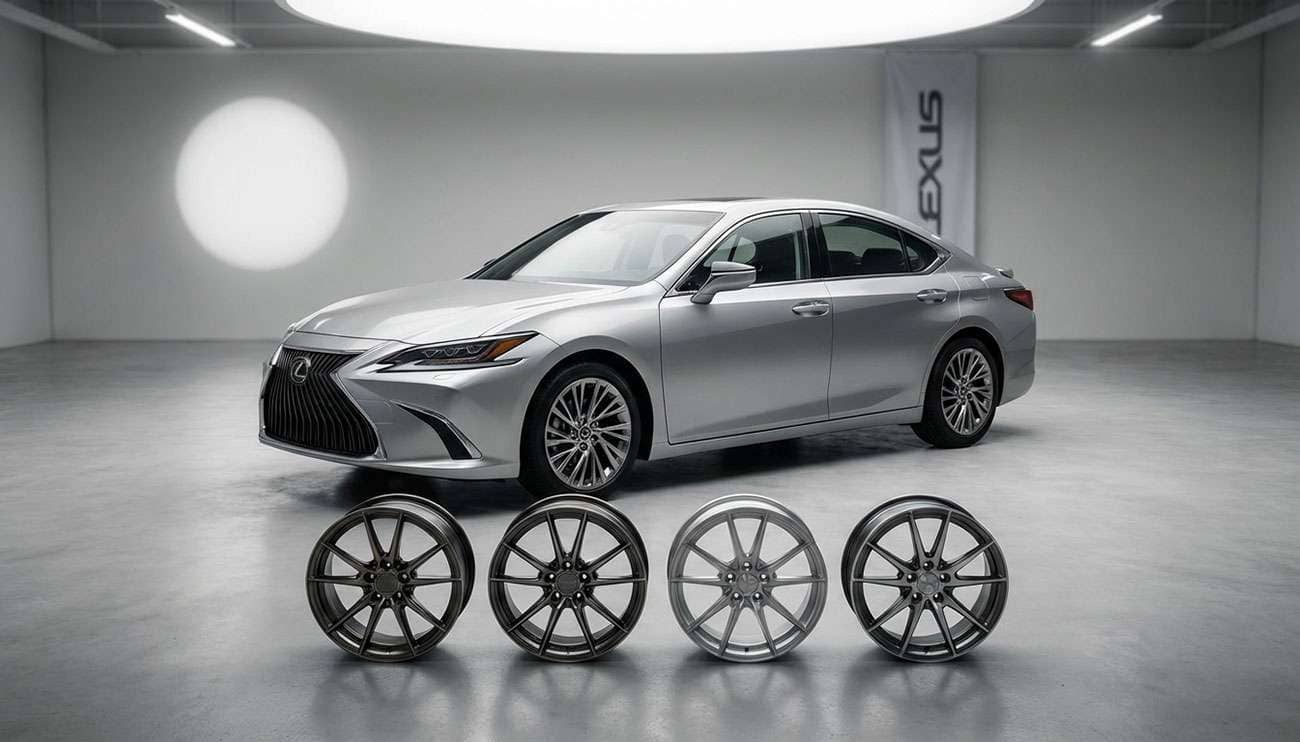
Quality aftermarket wheels for your Lexus cost $270 to $400 per wheel compared to OEM options at $700 to $1,300. That's substantial savings for achieving the same premium appearance your vehicle deserves.
Fitment goes beyond price considerations. Most Lexus models share the 5×114.3 bolt pattern, but choosing incorrect offset or diameter specifications creates rubbing problems and reduced performance. These details matter when you want both style and reliability.
We carry extensive selections for lexus gx 550 aftermarket wheels, lexus ls430 aftermarket wheels, lexus gx 460 aftermarket wheels, wheels for lexus is350, and lexus is350 aftermarket wheels. Our expertise helps you navigate the selection process with confidence.
This guide covers fitment fundamentals, wheel construction types, and the step-by-step selection process to guarantee perfect compatibility with your Lexus. You'll understand exactly what specifications work with your vehicle and why proper fitment ensures both performance and safety.
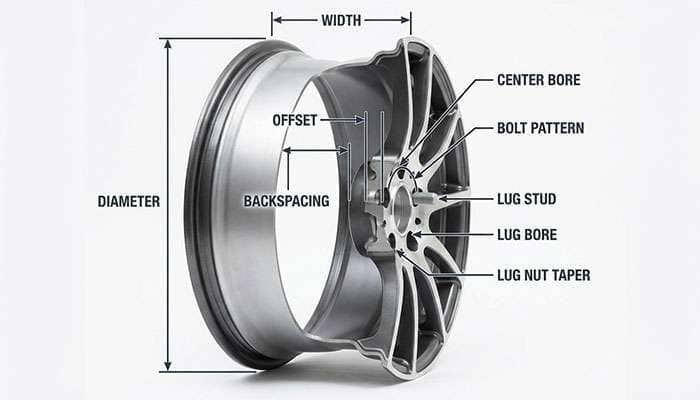
Understanding wheel fitment starts with knowing your vehicle's specifications. Lexus engineers design each model with specific requirements that ensure proper performance and safety.
The 5×114.3mm bolt pattern appears on most Lexus sedans and crossovers, featuring five lug holes arranged in a 114.3mm diameter circle. You'll find this configuration on IS, ES, GS, and RX series models. Lug nuts use M12 x 1.5 threading across these platforms.
SUV applications require different approaches. GX series models use a 6×139.7mm pattern built for higher load capacity. LX models employ a 5×150mm configuration designed for heavy-duty applications. These patterns handle the increased torque demands and off-road performance requirements that body-on-frame SUVs encounter.
Center bore diameter measures 60.1mm on nearly all Lexus sedans and the RX crossover. This specification stays consistent across multiple generations, creating reliable wheel compatibility. GX models feature a larger 106.1mm hub bore, while LX platforms require 110mm openings.
Hub-centric rings fill the gap when aftermarket wheels have larger center bores than your vehicle's hub. Apex wheels with 70.5mm center bores need aluminum rings to adapt to the 60.1mm Lexus hub. These rings eliminate vibration by centering the wheel on the hub instead of relying only on lug nuts.
Wheel offset measures the distance from the wheel's centerline to its mounting surface. Lexus sedans typically run offsets between +35mm and +45mm. RX crossovers use slightly lower offsets from +30mm to +40mm to accommodate their wider stance. Body-on-frame GX SUVs sit lower at +15mm to +25mm.
Staying within 5mm of factory specifications prevents handling issues and premature tire wear. Negative offset pushes wheels outward from the wheelwell. Positive offset tucks them deeper inside.
Sedan platforms like the IS and ES commonly use 17-inch or 18-inch configurations. Upgrading to 18-inch wheels improves steering response without drastically affecting ride comfort. SUV models accommodate larger diameters, with 20-inch wheels being popular upgrades for the RX, GX, and LX. Each diameter change affects brake clearance, sidewall height, and suspension articulation.
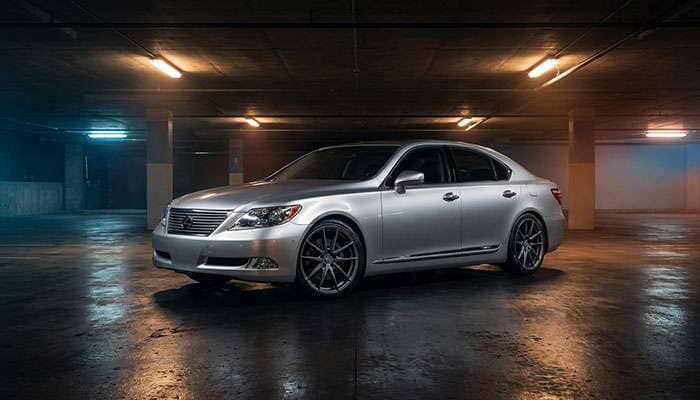
Factory-style replica wheels deliver identical appearance at significant savings. OE replica wheels for Lexus start around $300 per wheel, while genuine OEM options cost $300 to $500 for standard models. These wheels come from ISO-9000 certified manufacturing facilities, ensuring consistent quality standards. Reconditioned factory wheels offer another cost-effective path, restored to original specifications at similar pricing.
The replica approach gives you authentic Lexus styling without the premium price tag. You get the exact look and fitment of factory wheels while keeping more money for other upgrades.
Flow-formed construction uses high-pressure rollers on spinning cast blanks, compressing and elongating the barrel material. This creates superior strength-to-weight ratios compared to standard casting methods. The process reduces unsprung weight, which improves suspension response and handling precision.
Forged wheels represent the ultimate in performance construction. Lexus F-SPORT split-six-spoke forged alloy wheels save 4 pounds compared to standard 18-inch wheels. The NX 300 F-SPORT features 19-inch forged wheels with 39mm offset and 7.5-inch width, while GS and IS models use 40mm offset with 9-inch rear widths. Custom manufacturers like RVRN craft wheels from aerospace-grade 6061-T6 aluminum using 10,000 to 12,000-ton forging presses. Complete custom sets begin at $3,996.
Flow-formed wheels provide enhanced durability through improved grain structure while staying lighter than cast alternatives. The stronger material allows thinner barrel walls, reducing overall wheel weight.
High-end manufacturers offer wheels engineered specifically for Lexus applications. Vossen produces hybrid forged wheels for lexus gx 550 aftermarket wheels with custom CNC machining for precise fitment. HRE's R101 Lightweight series starts at just 16 pounds, using model-specific engineering to maximize stiffness while removing excess material. SPLUX creates fully forged monoblock and multi-piece wheels from 6061-T6 aluminum with over 100 powder-coated finish options.
These premium options combine cutting-edge construction with styles that complement Lexus design language. You get wheels that enhance both performance and appearance while maintaining the luxury feel your vehicle deserves.
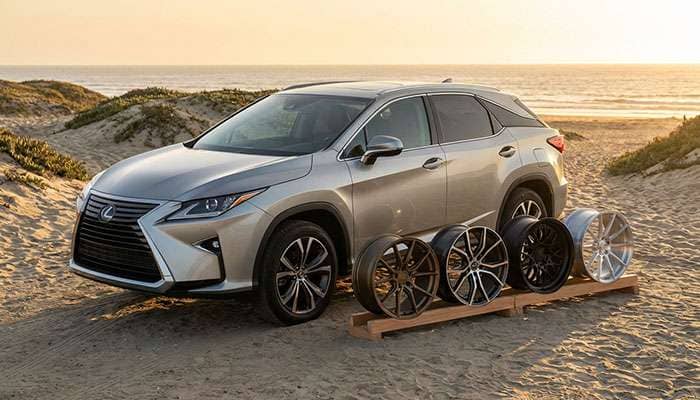
Daily driving priorities favor comfort and durability, whereas spirited weekend use demands lighter wheels and wider tires. Show-focused builds emphasize visual impact without compromising structural integrity. Your driving style determines which features matter most for your selection.
IS models accommodate 16 to 20-inch diameters with widths from 6.5 to 9.5 inches. Offsets between +30 to +45 provide guaranteed fitment without modification. Popular IS setups run 19x8.5 front and 19x9.5 rear with mid-30s offsets. These configurations balance performance with reliability.
Staggered configurations feature wider rear wheels for improved traction on rear-wheel-drive models. Square setups use identical wheels at all corners, enabling tire rotation and balanced handling characteristics. AWD applications require tire diameter differences within 2% front to rear. A 225/40 front paired with 255/35 rear falls within tolerance limits.
Wheel design affects brake caliper clearance more than offset. Contact manufacturers to confirm compatibility with your specific brake setup, particularly on F-Sport trims with larger calipers. This step prevents costly returns and ensures proper installation.
Multi-spoke and concave designs complement Lexus styling in brushed, gloss black, or gunmetal finishes. Consider how the finish will look with your paint color and overall aesthetic goals for the best visual impact.
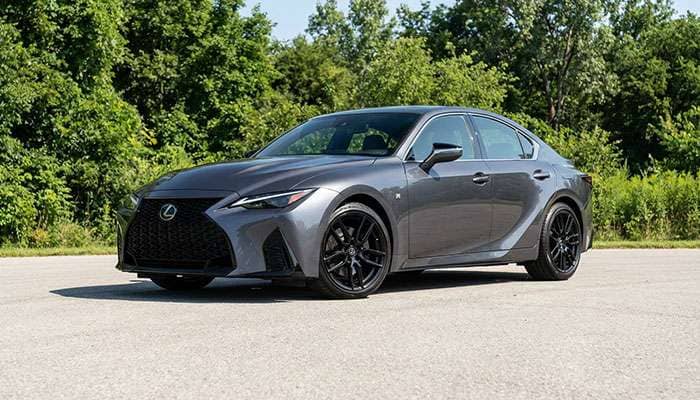
Choosing aggressive offsets creates contact problems between tires and fenders or suspension components. One IS300 owner experienced rubbing with 19x8.5 front and 19x9.5 rear wheels at +38mm offset, despite research suggesting compatibility. The rubbing occurred under load when carrying winter wheels. GX owners report similar contact issues with 265/70/18 tires hitting upper control arms during turns.
Staying within 2mm of factory offset specifications prevents these problems. For IS models, +40mm or higher offsets eliminate rear rubbing at stock height. When in doubt, choose higher positive offsets rather than pushing the limits.
The 2013 RX350 has a Gross Vehicle Weight Rating of 5,560 lbs, requiring wheels rated at minimum 1,840 lbs per wheel. Installing wheels below this threshold risks structural failure under loaded conditions. Federal Standard 120 violations carry fines up to $1,000 per violation.
Calculate your vehicle's GVWR from the owner's manual and verify wheel load ratings exceed this divided by four. This calculation ensures safe operation under maximum vehicle capacity.
Wheels marketed as universal Lexus fitment don't account for model-specific brake caliper designs or fender contours. Generic compatibility charts miss these critical details that affect real-world fitment.
Verify fitment through manufacturer databases rather than assuming universal compatibility. Each Lexus model has unique requirements that generic fitment guides overlook.
The 2016 RX350 requires different TPMS sensors depending on build date and manufacturing location. Installing aftermarket wheels without maintaining functional TPMS violates the TREAD Act.
Transfer OEM sensors or purchase manufacturer-verified aftermarket units to avoid registration failures. TPMS functionality isn't optional – it's legally required and affects your vehicle's safety systems.
You have the knowledge needed to select aftermarket wheels that perfectly match your Lexus. We've covered bolt patterns, offset specifications, construction types, and the step-by-step selection process that ensures proper fitment.
Successful wheel upgrades start with verifying your vehicle's specifications before purchase. Check bolt pattern, offset, and load ratings to prevent fitment issues and maintain safety standards.
Your Lexus deserves wheels that enhance both appearance and performance while delivering significant savings over OEM options. Follow these guidelines, and you'll achieve the perfect combination of style, safety, and value.
Choosing the right aftermarket wheels for your Lexus requires understanding specific fitment requirements and avoiding common costly mistakes that can compromise safety and performance.
• Most Lexus sedans use 5×114.3mm bolt pattern with 60.1mm center bore, while SUVs like GX use 6×139.7mm pattern • Stay within 5mm of factory offset specifications to prevent rubbing issues and premature tire wear • Verify wheel load ratings exceed your vehicle's GVWR divided by four to meet safety standards • Flow-formed wheels offer superior strength-to-weight ratio compared to cast wheels for better performance • Always confirm TPMS sensor compatibility and brake caliper clearance before purchasing aftermarket wheels
When done correctly, aftermarket wheels can transform your Lexus's appearance while maintaining the luxury driving experience you expect, all at significant savings compared to OEM replacements.
Most Lexus sedans and crossovers, including the IS, ES, GS, and RX series, use a 5×114.3mm bolt pattern with five lug holes arranged in a 114.3mm diameter circle. However, SUV models differ: the GX series uses a 6×139.7mm pattern, while LX models employ a 5×150mm configuration to support their heavier-duty applications.
Quality aftermarket replica wheels typically cost between $270 to $400 per wheel, while genuine OEM Lexus wheels range from $700 to $1,300 per wheel. Performance forged wheels start at higher price points, with custom forged sets beginning around $3,996 for a complete set.
Flow-formed wheels are created by applying high-pressure rollers to spinning cast blanks, compressing the material to create superior strength-to-weight ratios. Forged wheels go further by using 10,000 to 12,000-ton presses on aerospace-grade aluminum, resulting in even lighter construction—typically 4 pounds less than standard options—with enhanced performance characteristics.
You should stay within 5mm of your Lexus's factory offset specifications to avoid handling issues and premature tire wear. Deviating beyond this range can cause rubbing against fenders or suspension components, particularly under load or during turns.
Yes, TPMS sensor compatibility is essential. You must either transfer your original sensors or purchase manufacturer-verified aftermarket units that match your specific Lexus model and build date. Installing wheels without functional TPMS violates the TREAD Act and can result in registration failures.