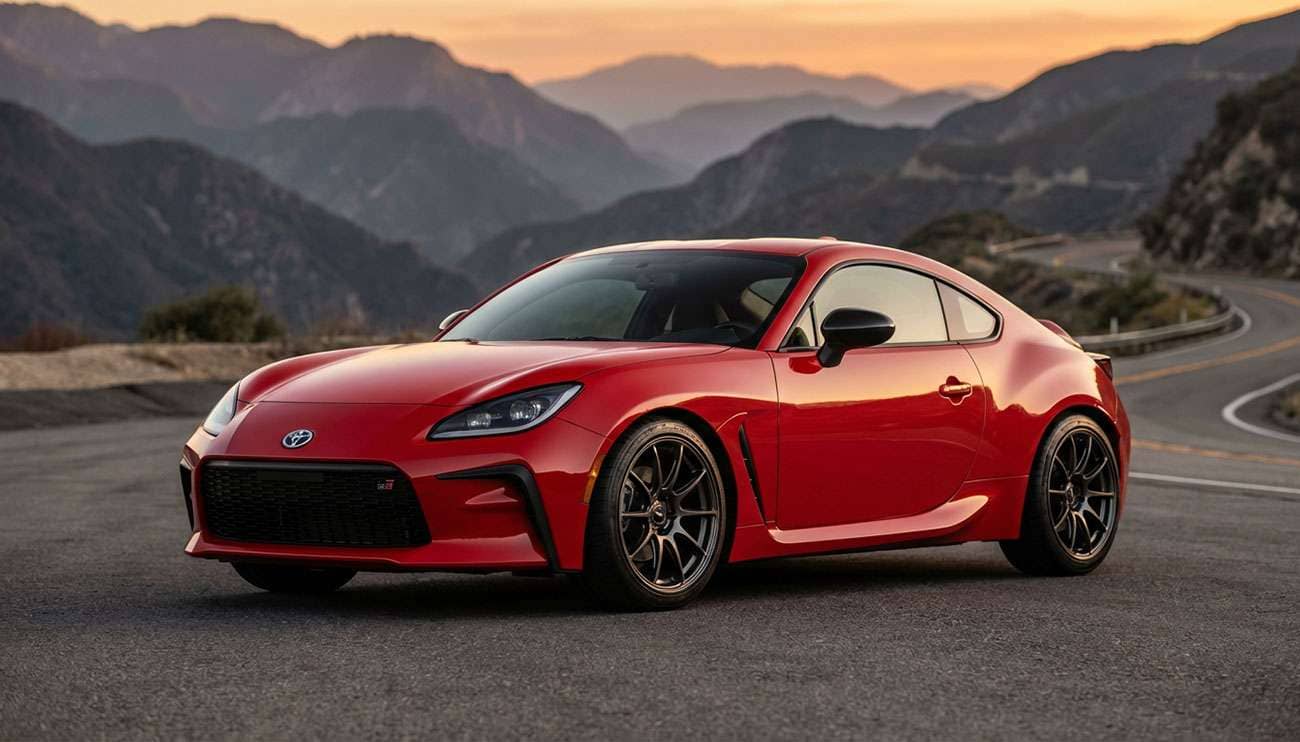
Wheel upgrades offer one of the most dramatic visual changes you can make to your GR86. Whether you want an aggressive stance or improved performance characteristics, the right wheels can completely change how your car looks and handles.
The GR86's rear-wheel drive platform and balanced chassis come with square wheel setups from the factory. This configuration opens up numerous possibilities for aftermarket upgrades, but proper fitment requires understanding several critical specifications. The most important consideration with stock suspension is front strut clearance. We can confirm that wheels measuring 18x8.5 +45 or smaller will fit the GR86/BRZ without any contact issues.
Your GR86 uses a 5×100 bolt pattern with a 56.1mm hub bore. Wheel diameter options typically range from 16 to 19 inches, but width and offset become increasingly critical as you go larger. Those wanting a wider stance without fender modifications should increase width by 1 inch while reducing offset by approximately 13mm.
This guide covers everything you need to select the perfect aftermarket wheels for your GR86. We'll explain stock specifications, ideal sizing combinations, and how to match wheels with tires for your specific driving style and appearance goals.
Understanding your GR86's factory wheel specifications provides the foundation for any aftermarket upgrade. These measurements determine what will fit properly and help avoid common problems like rubbing or speedometer errors.
Toyota offers different wheel configurations across GR86 trim levels. Base models come with 17×7.5" wheels using a +48mm offset. Premium trims feature 18×7.5" wheels with the same +48mm offset. The offset measurement shows how far the mounting surface sits from the wheel's centerline, directly affecting both clearance and your car's stance.
Special editions like the 10th Anniversary model use 18×8" wheels with +40mm offset. Knowing your current specifications helps determine which aftermarket options will work with your setup.
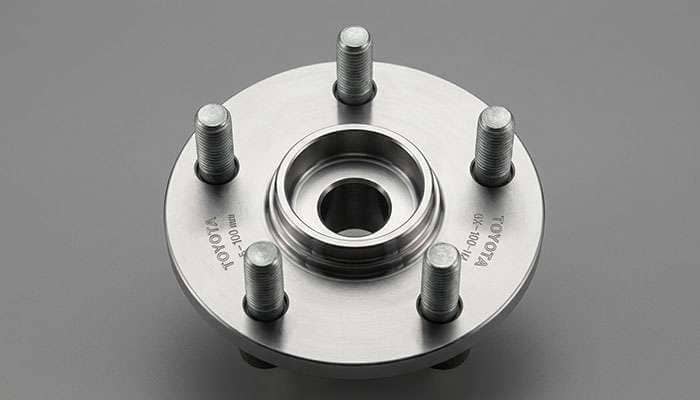
Every GR86 uses a 5×100mm bolt pattern, meaning five lug holes arranged in a 100mm diameter circle. Any aftermarket wheel must match this pattern exactly for proper mounting.
The center bore measures 56.1mm. This dimension determines how the wheel centers on your hub. Most aftermarket wheels have larger center bores and need hub-centric rings to eliminate vibrations and ensure proper fitment.
Lug nuts use M12 x 1.25 threads with a torque specification of 120 Nm (89 lbf⋅ft). These specifications matter when selecting aftermarket hardware.
Factory tire sizes correspond to wheel diameter:
17" wheels: 215/45ZR17 (standard models)
18" wheels: 215/40ZR18 (higher trims)
16" wheels: 205/55R16 (Japanese market only)
All factory combinations maintain approximately 24.7-24.8 inches of rolling diameter. Keeping close to this measurement preserves speedometer accuracy and prevents clearance issues when upgrading.
When increasing wheel width, offset adjustments become necessary. Each half-inch width increase typically requires reducing offset by 6-7mm to maintain similar fitment characteristics.
Selecting the perfect dimensions for your GR86 wheels means balancing the look you want with real-world performance needs. Here's what actually works on this platform without creating headaches.
GR86 owners who want a hassle-free upgrade can safely run wheels sized 18x8.5 with +45 offset or smaller. This setup provides plenty of clearance for the front strut and fender liner, even when you're pushing hard through corners. Many enthusiasts want a more aggressive look, which means understanding where the limits are.
Your biggest concern with wider wheels is tire-to-strut clearance when you're at full lock. The second issue comes from tire contact with the fender or liner when the suspension compresses during hard cornering. Those seeking wheels flush with the fenders will find that 18x8.5 with +40 offset hits the sweet spot. Go below +40 offset and you'll need additional modifications or very careful tire selection.
The GR86 comes with matching wheel sizes front and rear, and there are solid reasons to stick with this approach:
Better tire longevity: Square setups let you rotate wheels in any direction
Balanced handling: Equal contact patches front and rear maintain the chassis balance
Easier maintenance: One wheel size simplifies everything from rotations to replacements
Staggered setups (wider rears) do offer some benefits:
More rear grip: Helpful for putting power down, especially with engine modifications
Aggressive appearance: The stance appeals to many enthusiasts
Most experts still recommend square setups for the GR86 platform. Toyota engineered the chassis specifically around equal-width wheels.
Wheel offset determines where your wheels sit relative to the fenders. Lower offsets like +35 push wheels outward for an aggressive stance. Higher offsets like +48 tuck wheels inward for a more conservative look.
Your offset choice depends on your priorities:
Daily driving: 5-10mm lower than stock (+38 to +43)
Show car looks: 15-25mm lower than stock (+23 to +33)
Track performance: Stay within 0-5mm of stock (+43 to +48)
Finding the right balance takes careful consideration of these factors. Need help selecting wheels that are proven to fit? Check out Performance Plus Tire's GR86-specific selection for wheels tested specifically on this platform.
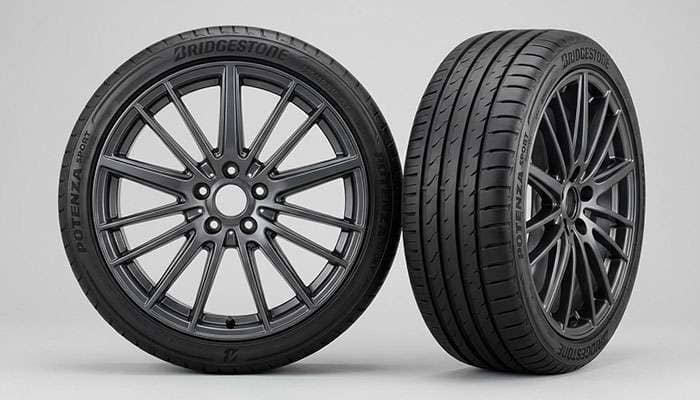
After selecting your gr86 aftermarket wheels, choosing the right tires becomes equally critical for both performance and accuracy. The right tire combination can enhance your GR86's handling characteristics while maintaining proper speedometer readings.
For 17" wheel applications, we recommend these proven combinations:
17×8" wheels: 225/45-17 (direct replacement) or 235/40-17 (wider contact patch)
17×9" wheels: 245/40-17 (our top choice) or 255/40-17 (requires negative camber adjustment)
When running 18" wheels, the preferred setup is:
18×9" wheels: 255/35-18 (needs approximately -2.5° camber)
Most GR86 enthusiasts find 18" wheels offer the best balance of improved handling and acceptable ride comfort. At Performance Plus Tire, we carry GR86-specific tire selections that have been tested for proper fitment and performance.
Sidewall ratio directly influences both ride quality and speedometer accuracy. Lower profile tires deliver sharper steering response but create a firmer ride. More importantly, changing overall tire diameter affects speedometer readings since each wheel revolution covers different distances.
Maintaining similar overall diameter to your stock setup ensures accurate speedometer readings. Factory speedometers typically read 5% higher than actual speed, which provides some flexibility when selecting new tire sizes.
Your GR86 comes equipped with summer tires designed for maximum performance in dry and wet conditions. However, Ultra High Performance (UHP) all-season tires provide excellent alternatives for drivers in changing climates.
For areas with mild winters and occasional snow, UHP all-seasons like Continental DWS06+ deliver strong dry grip while maintaining wet weather capability. Summer tires become dangerously hard in near-freezing temperatures, while all-seasons maintain their flexibility and performance in colder conditions.
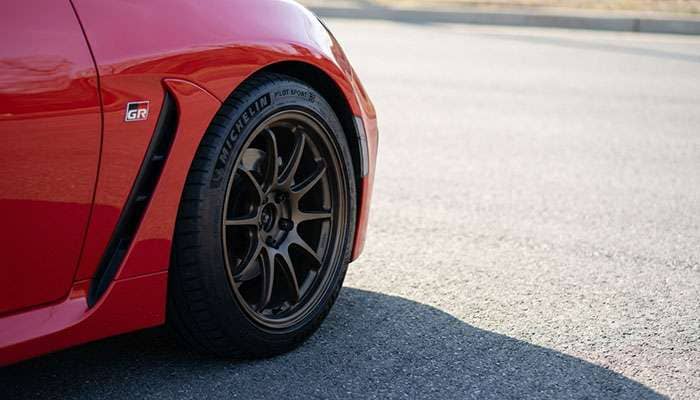
Once you've selected your GR86 aftermarket wheels, several supporting modifications and proper installation techniques ensure optimal performance and safety.
Hub centric rings center your wheels properly on the hub, eliminating vibrations at higher speeds. The GR86's 56.1mm hub bore works with most aftermarket wheels that have larger center bores. While conical lug nuts can center the wheel during tightening, we recommend hub centric rings for the best results.
Plastic rings are easier to remove during maintenance, but metal versions last longer. Track drivers should choose metal rings because they handle higher brake temperatures better. Always apply anti-seize compound to prevent the rings from bonding to your hubs.
Proper torque specification is critical for wheel safety. The GR86 uses M12x1.25 lug nuts that should be torqued to 76 ft-lbs (103 Nm) according to Toyota specifications, though some sources recommend 89 ft-lbs. Use a calibrated torque wrench and follow a star pattern when tightening to distribute pressure evenly.
Your GR86's TPMS sensors must be compatible with aftermarket wheels to avoid dashboard warning lights. The system uses 315MHz sensors that communicate directly with the vehicle's computer. When swapping between multiple wheel sets, the car's computer needs to learn each sensor's unique ID.
Performance package models and vehicles with upgraded brakes require additional clearance checks. Standard fitments like 18×8.5 ET40-45 typically install without spacers. For big brake kits, consult with wheel fitment experts to ensure your chosen wheels provide adequate clearance.
Choosing the best aftermarket wheels for your GR86 comes down to understanding the fundamentals and making smart decisions. The factory 5×100 bolt pattern and 56.1mm hub bore provide your starting point when evaluating wheel options.
We've covered the key sizing guidelines that work reliably on this platform. Wheels measuring 18x8.5 with +45 offset or smaller deliver hassle-free fitment, while more aggressive setups require careful planning and potential modifications. Square configurations maintain the balanced handling characteristics that make the GR86 special.
Tire selection plays a crucial role in both performance and speedometer accuracy. Whether you choose summer performance compounds or UHP all-seasons depends on your driving conditions and preferences. Keeping the overall diameter close to factory specifications ensures your speedometer remains accurate.
Don't forget the supporting details that make the difference. Hub-centric rings, proper lug nut torque, and TPMS compatibility ensure your wheel upgrade delivers both safety and performance benefits.
Ready to upgrade your ride? Visit Performance Plus Tire's GR86-specific selection for wheels that have been tested specifically for your vehicle. With the right combination of wheels, tires, and proper installation, your GR86 will deliver the performance and style you're looking for on every drive.
Master these essential fitment principles to upgrade your GR86 wheels safely and effectively while maintaining optimal performance and esthetics.
Safe fitment guarantee: Wheels sized 18x8.5 with +45 offset or smaller will fit without rubbing on stock suspension
Maintain square setup: Keep equal wheel sizes front and rear for balanced handling and easier tire rotation maintenance
Preserve speedometer accuracy: Match original tire diameter (~24.8") when upgrading to avoid speedometer errors and clearance issues
Essential specs to remember: GR86 uses 5×100 bolt pattern, 56.1mm hub bore, and M12x1.25 lug nuts torqued to 76-89 ft-lbs
Consider supporting mods: Hub-centric rings and proper TPMS sensors ensure vibration-free performance and dashboard compatibility
The key to successful GR86 wheel upgrades lies in understanding these fundamental specifications and fitment principles. Whether you're seeking improved esthetics or enhanced performance, following these guidelines ensures your investment delivers the desired results without compromising safety or functionality.
Wheels sized 18x8.5 with +45 offset or smaller will fit the GR86 without any rubbing issues on stock suspension. This configuration provides sufficient clearance for both the front strut and fender liner, even during aggressive driving.
A square setup (same size wheels front and rear) is generally recommended for the GR86. This maintains the balanced handling characteristics designed by Toyota engineers, allows for easier tire rotation, and provides neutral handling. Staggered setups are possible but may compromise some of these benefits.
Changing wheel and tire size can impact speedometer accuracy if the overall diameter differs significantly from the stock setup. To maintain accuracy, try to keep the new wheel and tire combination close to the original rolling diameter of approximately 24.7-24.8 inches.
For 17" wheels, 225/45-17 or 235/40-17 are good options depending on wheel width. For 18" wheels, 255/35-18 is a popular choice, especially for 18x9" wheels. These sizes offer a good balance of performance and fitment for the GR86 chassis.
While not absolutely necessary, hub-centric rings are beneficial for most aftermarket wheels on the GR86. They help center the wheel properly on the 56.1mm hub bore, reducing potential vibrations at higher speeds. Plastic rings are easier to remove, while metal rings offer better durability, especially for track use.