
Tires wear out, and flats happen. Choosing the right GMC Yukon aftermarket tires goes beyond replacing worn rubber—it's about maximizing performance, safety, and value for your specific driving needs.
Your daily commute, heavy towing loads, or winter road conditions all demand different tire capabilities. The right gmc yukon tires make all the difference between confident handling and compromised performance. Aftermarket options deliver significant improvements over stock configurations, from all-season versatility to specialized winter traction. Understanding key specifications like bolt patterns, load ratings, and TPMS compatibility ensures proper fitment and optimal performance.
We'll guide you through everything you need to know to select the best aftermarket tires gmc yukon for your driving style. Our expert knowledge helps you make a confident, informed decision that enhances your vehicle's capabilities while protecting your investment.
Selecting GMC Yukon aftermarket tires starts with understanding your vehicle's specific requirements. These specifications directly affect handling, safety, and warranty coverage—they're not arbitrary numbers.
Factory tire sizes vary by trim level and model year. The 2019 Denali came with either 275/55R20 or 285/45R22 options, while SLE trims used 265/65R18 or 275/55R20. The 2024 lineup features AT4 models standardized on 275/60R20 and Denali trims offering 275/60R20 or 275/50R22 configurations.
Tire nomenclature tells the complete story. Consider the example LT 265/70 R17 121/118 S 10PR. Each element matters: "LT" indicates Light Truck construction, "265" represents width in millimeters, "70" shows the aspect ratio (sidewall height as 70% of width), "R" confirms radial construction, and "17" specifies the wheel diameter in inches. These components directly impact ride quality and performance characteristics.
Load ratings determine the maximum weight your gmc yukon tires can safely support. The load index appears as a number on the sidewall—load index 115 translates to 2,679 pounds per tire, while 121 supports 3,197 pounds. Multiply this by four tires, and proper load ratings become critical for safety.
Towing applications demand careful attention to load ratings. Your load index must meet or exceed your vehicle's Gross Vehicle Weight Rating (GVWR), which includes the vehicle weight, cargo, passengers, and trailer tongue weight. C-rated LT tires provide adequate capacity for towing applications up to 3,500 pounds, though P-metric tires might suffice for lighter loads. The load range or ply rating (like 10PR) indicates tire durability—higher ply ratings handle heavier loads more effectively.
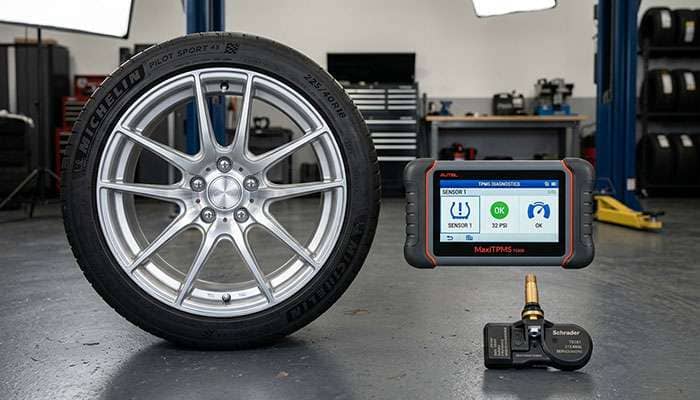
All Yukon models from 2000 onwards include Tire Pressure Monitoring System sensors. TPMS compatibility varies across model years, creating potential complications. 2021 Silverado TPMS sensors operate on different frequencies than 2007-2014 Yukon sensors and lack dual-frequency capability. When purchasing best aftermarket tires gmc yukon with new wheels, verify sensor compatibility with your specific model year to avoid warning lights and safety monitoring gaps.
Matching these three specifications precisely prevents costly mistakes. Skip this step, and you risk poor handling, premature wear, or TPMS malfunctions.
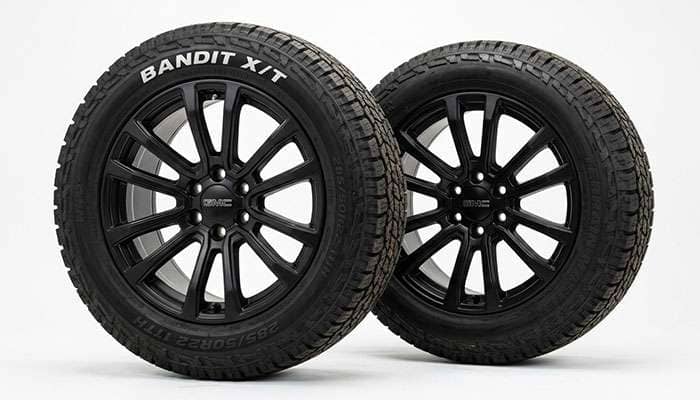
Selecting the right tire category transforms how your Yukon performs. Each type delivers specific advantages for different driving conditions and priorities.
All-season tires handle year-round driving in dry, wet, and light winter conditions. The Bridgestone Alenza A/S Ultra stands out with an impressive 80,000-mile limited manufacturer tread life warranty. This tire's high-silica rubber compound delivers superior grip on wet and wintry surfaces, while angled tread blocks with dense siping provide enhanced traction on ice, slush, and snow. QuietTrack Technology reduces road vibrations and minimizes tread noise for a comfortable ride. Performance ratings demonstrate its capabilities: 9.5 in handling, 9.7 in traction, and an outstanding 9.8 in longevity.
All-terrain options take you confidently from paved roads to challenging off-road terrain. The Falken Wildpeak A/T3W earns Three Peak Mountain Snowflake certification and includes a solid 55,000-mile limited manufacturer tread life warranty. Performance scores show its balanced capabilities: 9.0 in handling, 9.7 in traction, and 8.7 in longevity. Aggressive tread patterns optimize performance across both on-road and off-road conditions. Browse GMC Yukon tire options to explore our all-terrain selection.
Performance tires feature specialized tread compounds and lower aspect ratios designed for maximum dry and wet road performance. However, these compounds lose effectiveness in cold climates and on ice and snow. When temperatures drop below 40°F, the rubber hardens and traction decreases significantly.
Winter tires excel when temperatures consistently stay below 40°F. The Nokian Hakkapeliitta R5 SUV carries Three Peak Mountain Snowflake certification. Arctic Grip Crystals function like studs, creating additional biting edges for superior winter traction. Combined with Double Block Grip shoulder design, this tire delivers impressive performance: 8.5 in handling, 9.9 in traction, and 8.5 in longevity.
Run-flat tires include reinforced sidewalls that support your vehicle's weight even with complete air pressure loss. These tires allow you to continue driving up to 50 miles at speeds below 50 mph after a puncture.
Selecting the right GMC Yukon aftermarket tires requires weighing multiple factors that go beyond tire type. Your specific driving circumstances dictate which characteristics deliver the most value.
Climate drives tire category decisions. Harsh winters demand winter tires as essential safety investments. Mild seasons make all-season tires practical choices. All-weather tires offer capable performance for drivers experiencing varied climate conditions. Winter tires deliver optimal performance when temperatures drop below 45 degrees Fahrenheit. Off-road adventures require mud-terrain or all-terrain capabilities, while spirited driving benefits from summer tire compounds.
Trade-offs between comfort and performance require strategic choices. Higher aspect ratios deliver more sidewall cushioning for smoother rides. A 275/60R20 provides 6.5 inches of sidewall height, while 275/70R18 offers 7.5 inches. Softer sidewalls enhance ride comfort but increase rollover risk during aggressive cornering. Browse GMC Yukon tire options to compare detailed specifications.
Treadwear ratings predict longevity potential. A rating of 800 indicates the tire lasts 800 times longer than standard test tires. Premium options like the Bridgestone Alenza A/S Ultra back their quality with 80,000-mile warranties. GMC offers tire protection plans extending coverage up to 7 years.
Budget tires create false economy. They wear out tens of thousands of miles faster, requiring two or three times more replacements over your vehicle's life. Cheap options compromise safety through reduced grip and longer stopping distances. Quality tires protect your investment while delivering superior performance and peace of mind.

Most buyers make critical errors that compromise safety and waste money. Understanding these mistakes helps you avoid expensive repairs and dangerous situations.
Your yellow door jamb sticker lists your specific cargo carrying capacity. Subtract the weight of all occupants, gear, and actual tongue weight from that number to determine if you're overloaded. Maximum payload on 2021 Yukon Denali ranges from 1,616 pounds for 4WD to 1,671 pounds for 2WD models. Add passengers at 150 pounds each, gear, and a 500-pound tongue weight, and you quickly exceed safe limits. The load index must be greater than GVWR by a healthy margin.
We see this mistake frequently. Customers assume their Yukon can handle any load, but the numbers tell a different story. Skip proper load rating calculations, and you risk tire failure at the worst possible moment.
Wrong offset causes tires to rub against fenders or suspension components. Stock 275/60R20 tires measuring 33.4 inches in diameter rub when paired with incorrect offset. Negative offset pushes wheels outward, hitting fenders during turns, while excessive positive offset forces contact with suspension parts. Bigger tires affect speedometer accuracy and can strain suspension components. Clearance issues cause tires to rub against inner components, affecting longevity and safety.
These fitment problems create expensive headaches. Damaged fenders require bodywork, while suspension contact leads to premature tire wear and handling problems.
TPMS complications create headaches when GM switched from 315MHz sensors to 433MHz mid-2019. Improper mounting damages tire beads, causing air leaks or blowouts at highway speeds. Without professional equipment, correct pressure, balance, and alignment become impossible to achieve.
We recommend professional installation for good reason. The specialized equipment and expertise prevent costly mistakes that compromise your safety and tire investment.
You have the essential knowledge to select the perfect GMC Yukon aftermarket tires for your vehicle. Understanding load ratings, TPMS compatibility, and matching tire types to your driving conditions protects both your investment and safety.
We recommend verifying all specifications and choosing professional installation to avoid costly mistakes. Browse GMC Yukon tire options that match your exact requirements and driving needs. The right aftermarket tires transform your Yukon's performance, comfort, and capability for years ahead.
At Performance Plus Tire, we're confident that the perfect set of tires is waiting for your Yukon. Our expert knowledge guides you to the ideal selection that enhances your vehicle's capabilities while delivering exceptional value.
Selecting the right aftermarket tires for your GMC Yukon requires understanding critical specifications and matching them to your specific driving needs and conditions.
• Verify factory specifications first: Check your door jamb sticker for exact tire size, load rating, and TPMS compatibility to avoid costly fitment mistakes and safety issues.
• Match tire type to driving conditions: Choose all-season for year-round versatility, all-terrain for off-road capability, or winter tires when temperatures drop below 45°F consistently.
• Don't ignore load ratings for towing: Ensure your tire's load index exceeds your vehicle's GVWR, especially when towing - passenger weight plus cargo can quickly exceed safe limits.
• Invest in quality and professional installation: Premium tires with longer warranties save money long-term, while professional installation prevents TPMS issues and dangerous mounting problems.
• Consider total cost of ownership: Cheaper tires require 2-3 times more replacements and compromise safety with reduced grip and stopping distances compared to quality options.
The right aftermarket tires transform your Yukon's performance, safety, and capability while protecting your investment through proper specification matching and professional installation.
Factory tire sizes vary by trim level and model year. For example, 2019 Denali models came with either 275/55R20 or 285/45R22 options, while SLE trims used 265/65R18 or 275/55R20. The 2024 AT4 models standardized on 275/60R20, and Denali trims offer 275/60R20 or 275/50R22 configurations. Always check your door jamb sticker for your specific vehicle's tire specifications.
Your tire's load index must meet or exceed your vehicle's Gross Vehicle Weight Rating (GVWR), which includes vehicle weight, cargo, passengers, and trailer tongue weight. For instance, a load index of 121 supports 3,197 pounds per tire. When towing up to 3,500 pounds, C-rated LT tires provide adequate capacity. Check your yellow door jamb sticker for your specific cargo carrying capacity.
All-season tires handle year-round driving in dry, wet, and light winter conditions on paved roads, offering longer tread life warranties (up to 80,000 miles). All-terrain tires feature aggressive tread patterns designed for both on-road and off-road performance, with capabilities on loose surfaces and trails. All-terrain options typically have shorter warranties (around 55,000 miles) but provide better traction on unpaved terrain.
Winter tires should be installed when temperatures consistently drop below 40-45°F. At these temperatures, all-season tire compounds harden and lose traction. Winter tires feature specialized rubber compounds and tread designs that maintain flexibility in cold weather, providing superior grip on ice, snow, and slush. They're essential for safety in harsh winter climates.
Professional installation prevents critical issues like TPMS complications (especially with GM's mid-2019 sensor frequency change), improper mounting that can damage tire beads causing air leaks or blowouts, and incorrect wheel offset that causes rubbing against fenders or suspension components. Professionals also ensure proper pressure, balance, and alignment that are impossible to achieve without specialized equipment.



