
Ford Mustang aftermarket wheels rank among the most popular upgrades Mustang owners make to personalize their vehicles. Most Mustang enthusiasts install new wheels during the first day or two of ownership. This makes perfect sense when you see how dramatically the right set of wheels can enhance your Mustang's appearance and performance.
Understanding wheel selection basics is important before making any purchase. Mustang wheel sizes typically range from 16 inches to 20 inches, with each size delivering different advantages. Moving up one rim size from your stock wheels generally improves handling without changing the ride quality. Upgrading to 17-inch wheels from 16-inch stock wheels can enhance performance while maintaining comfort. You'll need to consider several key factors including the mustang wheel bolt pattern, appropriate mustang rim size, and mustang wheel offset to ensure proper fitment.
Whether you want to improve your quarter-mile time or give your Mustang a more aggressive stance, selecting the right aftermarket wheels takes careful consideration. We carry the best selection of Mustang wheels at competitive prices, and our expert team is ready to help you find the perfect match for your ride.
This guide walks you through everything you need to know about choosing the perfect wheels for your Ford Mustang. We'll cover sizing fundamentals, fitment requirements, performance considerations, and style options to help you make the right choice for your specific needs.

Understanding the relationship between wheels and tires is essential before purchasing Ford Mustang aftermarket wheels. Wheel sizing affects everything from handling to appearance, and getting it wrong can lead to expensive mistakes.
The relationship between rim size and tire size is critical for proper fitment. A tire size like "255/40R19" provides three key measurements: width (255mm), aspect ratio (40% of width), and wheel diameter (19 inches). When wheel diameter increases, the tire's sidewall must decrease proportionally to maintain similar overall diameter. When upgrading from factory 17" wheels to 19" wheels, you'll need tires with smaller sidewalls to preserve proper speedometer readings and clearance.
Wheel width determines what tire widths can be safely mounted. The S550 Mustang can accommodate wider setups than factory specifications, with many owners upgrading to 19x9.5" front and 19x10" rear wheels for improved grip. Wider wheels allow for wider tires, which increases road contact and traction.
Ford Mustang wheel size charts show compatible wheel and tire combinations for different model years. S550 Mustangs (2015-2023) come equipped with wheels ranging from 17" to 20" depending on trim level. Earlier S197 Mustangs (2005-2014) typically featured 16" to 19" wheels.
To use these charts effectively, identify your Mustang's year and model first. Then check the recommended wheel diameters, widths, and corresponding tire sizes. Most charts indicate the maximum wheel size your Mustang can accommodate without modifications—generally around 22 inches for modern Mustangs.
Stock Mustang wheels contain valuable fitment information. Recent generations follow this pattern:
S650 Mustang (2024-present): 17"-20" wheels
S550 Mustang (2015-2023): 17"-20" wheels
S197 Mustang (2005-2014): 16"-19" wheels
SN95 Mustang (1994-2004): 15"-17" wheels
Fox Body (1979-1993): 14"-16" wheels
The bolt pattern for 1994-present Mustangs is consistently 5x114.3mm with a 70.5mm center bore. Earlier Fox body Mustangs used a 4x108mm pattern with a 63.4mm center bore. When selecting aftermarket wheels, ensure these specifications match your vehicle's requirements regardless of style preferences.

Proper fitment determines whether your Ford Mustang aftermarket wheels will perform correctly. The most stylish wheels become useless if they don't match your Mustang's specifications. Here are the critical compatibility factors you need to verify before making any purchase.
The bolt pattern refers to the arrangement of lug holes on your wheel. Most modern Mustangs (1994-present) share a consistent 5x114.3mm bolt pattern (also called 5x4.5 inches). This commonality creates extensive aftermarket options since it's a popular specification among performance vehicles.
Earlier Fox Body Mustangs (1979-1993) used a 4x108mm pattern, making wheel compatibility more challenging across generations. First-generation Mustangs (1965-1973) came with either 4x114.3mm or 5x114.3mm patterns depending on the model. When shopping for wheels, always verify your specific year's bolt pattern to ensure proper fitment.
There are no bolt pattern differences between 2015 and 2018 Ford Mustangs—both use the standard 5x114.3mm pattern. However, S550 Mustangs (2015-2023) have specific characteristics worth noting. These models use a 70.5mm center bore and M14x1.5 lug nuts, unlike the 1/2" x 20mm studs on previous generations.
When swapping wheels between generations, you might need different lug nuts even when bolt patterns match. This detail often gets overlooked during wheel selection but becomes critical during installation.
Original equipment manufacturer (OEM) specifications provide the foundation for proper wheel fitment. Start by identifying your Mustang's year and trim level, as brake components can limit wheel choices. Performance models with Brembo brakes require specific clearances—GT350s need at least 19" wheels, while GT500s require 20" wheels up front.
Suspension modifications affect fitment requirements. Lowered Mustangs have reduced clearance in different areas of the wheel well. Look for wheels with the correct center bore to prevent vibration at highway speeds. At Performance Plus Tire, we have the most advanced fitment search engine to help you find wheels that match your exact specifications.
Offset measures the distance from the mounting surface to the wheel's centerline. Modern Mustangs (1994-present) typically use wheels with 35-50mm positive offset. This specification affects handling, stance, and component clearance significantly.
Three offset types exist: zero offset (mounting surface aligned with centerline), positive offset (mounting surface toward wheel face), and negative offset (mounting surface toward brake side). Too much positive offset can cause poor handling, while excessive negative offset creates stress on suspension components. For wider wheels, particularly on lowered S550 Mustangs, offsets between +20mm to +35mm provide proper clearance without rubbing.

Selecting the right Ford Mustang aftermarket wheels depends on how you use your vehicle. Different wheel configurations deliver specific performance benefits that match your Mustang's primary purpose.
Street driving demands a different approach than performance applications. For daily use, 20-inch wheels provide an attractive balance between style and practicality. Track enthusiasts often choose lightweight 18-19 inch wheels that improve handling responsiveness. Drag racers typically select skinny front wheels with wider rear wheels to maximize traction and reduce weight where it counts most.
The choice between staggered and square setups affects your Mustang's handling characteristics. Staggered setups feature wider rear wheels than front, improving acceleration and cornering by placing wider tires on the drive wheels. This configuration creates an aggressive stance but prevents tire rotation. Square setups use identical wheels all around, allowing tire rotation while providing more balanced handling and often reducing understeer. Track performance enthusiasts frequently prefer square setups with 19x10 or 19x11 wheels all around.
Wider wheels increase the contact patch between tires and road, dramatically improving grip and handling. Upgrading to 10-inch rims allows for 285/35 tires, enhancing traction during acceleration. Looking for performance-focused wheel and tire packages? Check out options at Performance Plus Tire for your specific Mustang model.
Lighter wheels significantly enhance performance by reducing unsprung and rotational mass. This improvement allows the suspension to work more effectively while requiring less energy to accelerate and brake. Many performance enthusiasts consider lightweight wheels "free horsepower" due to the noticeable improvement in responsiveness.
When choosing between options, consider your primary use case first, then factor in weight and width requirements to narrow down your selection.
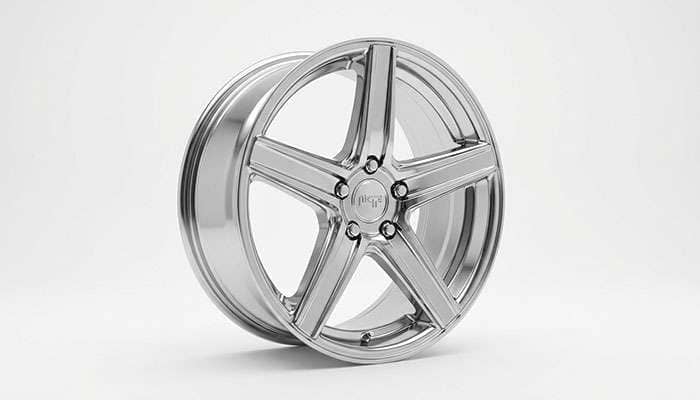
The style and finish of your Ford Mustang aftermarket wheels create the visual impact that sets your car apart from the crowd. Beyond performance, these choices determine how your Mustang presents itself on the road.
Chrome wheels deliver maximum shine and reflectivity, creating classic elegance for any Mustang. However, they require more frequent cleaning to maintain their appearance. Matte black finishes provide a stealthy look that complements every paint color while hiding minor imperfections. Satin finishes offer a middle ground between high-gloss and matte textures.
Gunmetal wheels in dark gray tones provide sophisticated appeal for drivers who find solid black too aggressive. Bronze wheels create striking visual contrast, particularly effective against blue, red, or black paint schemes. When choosing finishes, consider both the initial appearance and long-term maintenance requirements.
Deep dish wheels add distinctive visual depth by creating space between the spokes and outer rim. These styles enhance classic Mustangs effectively, though they're gaining popularity on S550 models. Concave wheels feature inward-curving spokes that create an aggressive, three-dimensional appearance.
Deeper wheel profiles may affect bearing loads due to increased leverage between the wheel position and bearing assembly. Verify clearance measurements before purchasing, especially with dramatic concave or deep dish designs that could cause fender interference.
Most aftermarket wheels feature clear coat protection similar to automotive paint. Clean these wheels using appropriate wheel cleaners, followed by polishing products designed for painted surfaces. For stubborn brake dust buildup, apply iron-removing products before standard cleaning procedures.
Apply quality automotive wax every few months for protection and enhanced shine. Uncoated polished aluminum wheels require specialized metal polish rather than paint-safe products. Regular maintenance prevents permanent staining and preserves the original finish.
Quality lug nuts are essential since OEM hardware may not fit aftermarket wheels properly. TPMS sensors maintain tire pressure monitoring functionality when upgrading wheels. Valve stem caps and center caps provide personalized finishing touches that complete the custom appearance.
Enthusiasts seeking additional customization can explore specialty accessories like illuminated rings and decorative wheel accents for enhanced visual appeal. These accessories help create a unique appearance that reflects your personal style preferences.
Selecting the right aftermarket wheels for your Ford Mustang comes down to matching technical specifications with your specific driving needs. Understanding wheel sizing fundamentals ensures you choose options that enhance both performance and appearance without compromising safety. Proper fitment specifications—including bolt pattern, offset, and center bore—determine whether your new wheels will work perfectly with your Mustang.
Your driving style should guide your wheel selection process. Daily drivers need different configurations than track enthusiasts or drag racers. The choice between staggered and square setups affects handling characteristics, while wheel width and weight directly impact your Mustang's performance capabilities.
Style preferences deserve equal consideration with technical requirements. Take time to explore various finishes and designs that complement your Mustang's appearance. Regular maintenance will preserve your wheels' appearance and performance for years to come.
Ready to upgrade your ride? Check out the extensive selection of Mustang-specific wheel options at Performance Plus Tire where you'll find fitment-guaranteed wheels for every generation and model. Our knowledgeable team can help you select the perfect wheels for your specific Mustang and driving needs.
The right aftermarket wheels make your Mustang stand out from the crowd while enhancing its driving dynamics. Few modifications deliver such dramatic improvements in both appearance and performance at the same time.
Selecting the right aftermarket wheels for your Ford Mustang involves understanding critical specifications and matching them to your driving needs.
• Master the basics first: Understand wheel sizing, bolt patterns (5x114.3mm for 1994+ models), and offset requirements before shopping to avoid costly fitment mistakes.
• Match wheels to your driving style: Daily drivers need different setups than track or drag racers—consider wheel weight, width, and configuration based on your primary use.
• Verify fitment specifications carefully: Check bolt pattern, center bore (70.5mm for S550s), and offset requirements, especially if you have performance brakes or suspension modifications.
• Balance performance with maintenance: Lighter wheels improve handling and acceleration, while finish choice affects both appearance and upkeep requirements.
• Consider the complete package: Factor in accessories like proper lug nuts, TPMS sensors, and regular maintenance to maximize your wheel investment's longevity and performance.
The right aftermarket wheels can dramatically transform your Mustang's appearance and performance, but success depends on understanding these fundamental compatibility and performance factors before making your purchase.
The ideal wheel size depends on your specific needs. For daily driving, 20-inch wheels offer a good balance of style and practicality. Track enthusiasts often prefer 18-19 inch wheels for improved handling, while drag racers may opt for different sizes front and rear for optimal traction and weight distribution.
Wider wheels increase the contact patch between tires and road, significantly improving grip and handling. For example, upgrading to 10-inch wide rims allows for wider tires, enhancing traction during acceleration and cornering.
Staggered setups have wider rear wheels than front, improving acceleration and cornering but preventing tire rotation. Square setups have identical wheels all around, allowing for tire rotation and providing more balanced handling. Many track drivers prefer square setups for consistent performance.
Wheel weight is crucial for performance. Lighter wheels enhance acceleration, braking, and handling by reducing unsprung and rotational mass. This allows the suspension to work more effectively and requires less energy to move the wheels, resulting in noticeable improvements in responsiveness.
Consider both esthetics and maintenance when choosing wheel finishes. Chrome offers a classic shine but requires more upkeep. Matte black provides a stealthy look that complements any paint color. Satin finishes offer a middle ground, while gunmetal or bronze can create striking contrasts. Also factor in your willingness to perform regular cleaning and maintenance.