
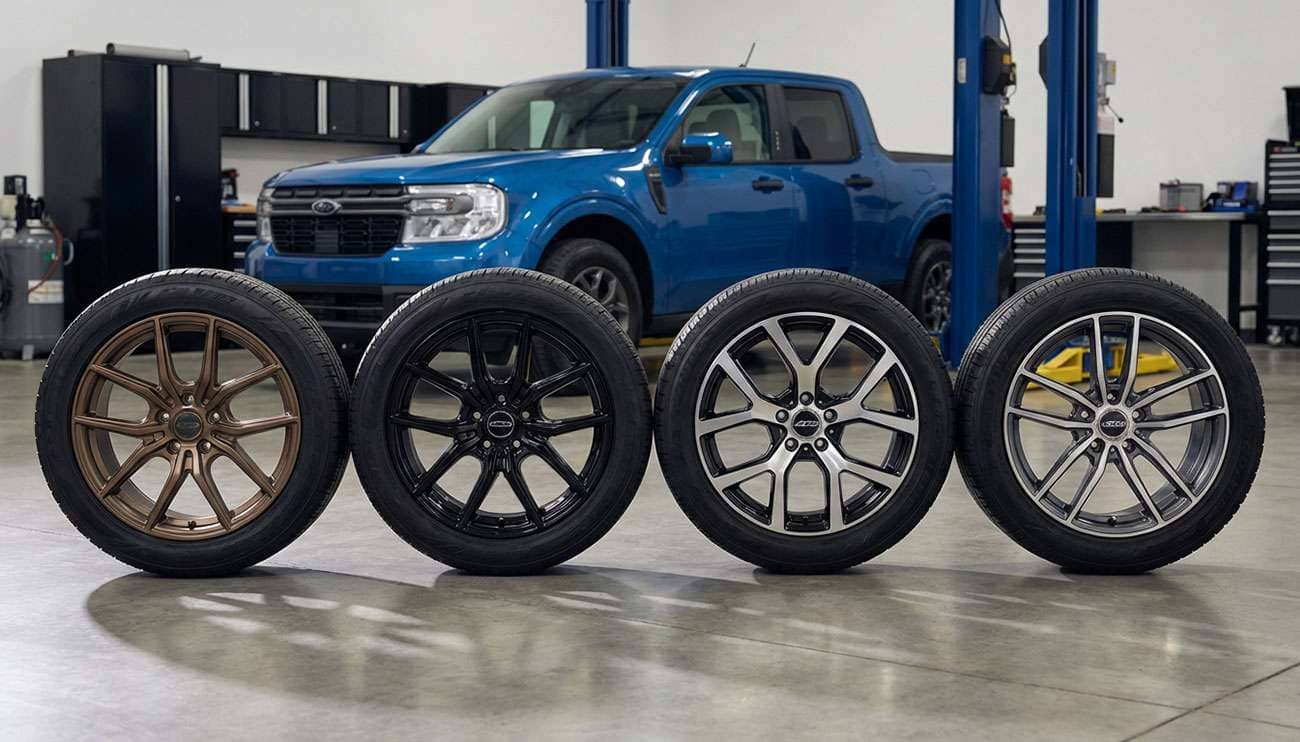
The standard Ford Maverick rolls off the lot with 17-inch wheels on most trims, while the Lariat features distinctive 18-inch black-painted aluminum wheels. These factory options represent just the beginning of what's possible for your truck.
Ford maverick aftermarket wheels open up a world of possibilities that go far beyond the factory setup. Whether you want to enhance your truck's appearance, boost its performance, or tackle more demanding terrain, the right wheels make all the difference. However, selecting aftermarket wheels isn't simply about picking the design you like best - it requires understanding your Maverick's specific requirements.
Your Ford Maverick uses a distinct 5×108 mm bolt pattern paired with a 63.4 mm center bore and a positive offset of 44 mm. The stock wheels measure 7 inches wide on base models. These specifications aren't just numbers - they're critical measurements that determine whether wheels for ford maverick will fit safely and perform properly on your truck.
When these specifications don't match, you can face serious problems. Incompatible wheels create safety hazards, reduce performance, and can damage expensive components. That's why getting the fitment right matters more than anything else.
This guide breaks down everything you need to know about ford maverick wheels. We'll start with the technical specifications that determine compatibility, then move through the different types available and how to choose the right option for your driving style. Whether you're upgrading for the first time or you're an experienced enthusiast, this step-by-step approach ensures you find aftermarket wheels that fit perfectly and perform exactly as you expect.
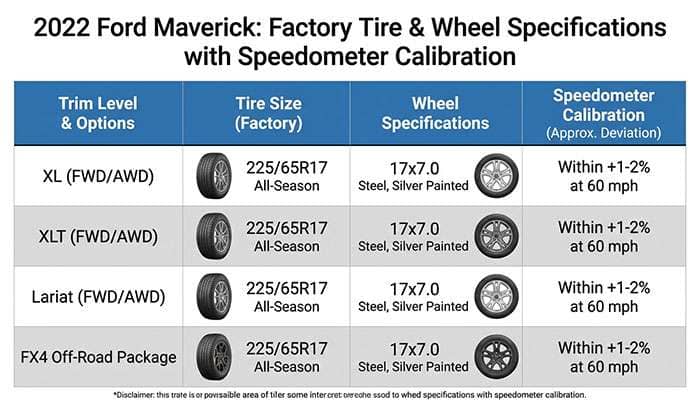
Selecting the right ford maverick aftermarket wheels starts with knowing exactly what your truck requires. The Maverick uses specific measurements that differ from other trucks, and these details determine whether wheels will fit safely and perform properly.
Every wheel decision begins with the bolt pattern. Your Ford Maverick uses a 5x108mm pattern across all model years from 2021-2025. This means five lug nuts arranged on a 108mm diameter circle. Fortunately, this pattern appears on other Ford vehicles like the Escape and Bronco Sport, giving you more aftermarket choices.
The lug hardware specifications include:
Thread size: M14x1.5 thread pitch
Lug nut type: Conical seat with 60° taper
Torque specification: 150 Newton-meters (110 lb-ft)
Your Maverick's factory wheels vary by trim level:
XL and XLT trims: 17x7 inches
Lariat trim: 18x7 inches
Some XLT BAP models: 18 inches
Offset measures the distance between the wheel's mounting surface and its centerline. All Maverick wheels use a +37.5mm offset. This number matters more than you might think. Wrong offset causes wheels to rub against fenders or suspension components, changes your truck's handling characteristics, and puts excessive stress on wheel bearings.
The safe range for offset deviation is approximately ±10mm without requiring modifications. Stay within this range to avoid problems.
The center bore on ford maverick wheels measures exactly 63.4mm. This creates a hub-centric fit that distributes weight evenly across the wheel. Here's why this specification is critical:
Hub-centric wheels center properly and reduce vibration
Larger center bores require hub-centric rings to fill the gap
Lug-centric wheels stress the studs and should be avoided
Load rating deserves attention too. Each wheel needs a minimum rating of 755 kg to handle your Maverick's weight safely. Choose higher ratings if you frequently carry heavy loads or plan serious off-road use.
You can verify wheel specifications by checking the backside of the spokes where manufacturers stamp size, bolt pattern, and offset information. If the stampings aren't clear, measure the bolt pattern yourself using a ruler between opposite bolt centers or adjacent bolts.
Accurate measurements require a straight edge, measuring tape, and potentially a specialized bolt pattern tool. Take your time with these measurements - precision here prevents expensive mistakes later.
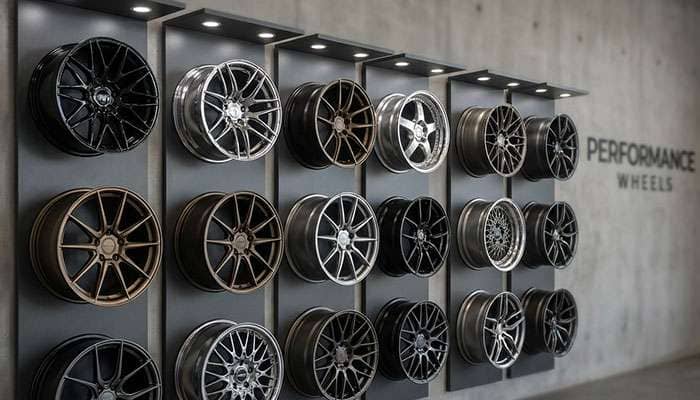
Understanding wheel materials and construction methods helps you choose the right ford maverick aftermarket wheels for your specific needs. Each type offers distinct advantages depending on how you use your truck.
Your first decision centers on wheel material. Steel wheels excel in demanding work environments and off-road conditions. They resist cracking and bending under extreme stress, making them ideal for construction sites or rocky trails. Steel also provides better grip on snow and ice.
Aluminum alloy wheels dominate the aftermarket for good reason. They weigh 2.5 to 3 times less than steel wheels, which improves acceleration, braking performance, and fuel economy. Aluminum also resists corrosion better than steel and offers unlimited design possibilities.
Here's how steel and aluminum compare:
Weight impact on performance: Steel significantly reduces acceleration and increases braking distances
Durability characteristics: Steel handles impacts better, aluminum fights corrosion longer
Style variety: Aluminum provides countless design options, steel offers limited choices
Cost considerations: Steel costs less initially, aluminum may save money long-term through better fuel economy
Cast wheels represent the most common aftermarket option. Manufacturers pour molten aluminum into molds to create these affordable wheels. For better performance, flow-formed wheels start as cast wheels but undergo high-pressure spinning that creates stronger, lighter barrel sections.
Forged wheels sit at the premium end of the market. Manufacturers apply tremendous pressure to heated aluminum blocks, creating wheels with exceptional strength-to-weight ratios. These wheels often cost over $1,000 each, but they deliver unmatched performance for serious enthusiasts.
Serious off-road driving demands specialized wheels for ford maverick. Beadlock-style wheels like the Method MR106 (around $587) mechanically clamp tire beads to prevent slippage when running low air pressures on trails. This feature becomes crucial when you need maximum traction on rocks or sand.
Performance Plus Tire offers a great selection of rugged options specifically designed for the Ford Maverick for those ready to tackle challenging terrain.
The Maverick's 5x10⁸ bolt pattern opens up numerous styling possibilities. Multi-spoke designs complement the truck's modern appearance while providing excellent strength. Finish options range from classic matte black to machined faces with colored accents.
Popular choices include the Reika Teton with its satin black finish and the KMC KM542 Impact featuring an aggressive concave design. Both options offer the durability your Maverick needs while delivering the style that sets your truck apart.
Choosing ford maverick aftermarket wheels comes down to matching your specific driving requirements with the right wheel characteristics. Your decision impacts everything from fuel economy to off-road capability.
Your typical driving environment determines which wheel features matter most. City drivers benefit from lightweight aluminum wheels that boost fuel efficiency and provide a smoother ride. These wheels reduce unsprung weight, which improves acceleration and braking response on paved roads.
Off-road enthusiasts need wheels built to handle punishment. Flow-formed or forged options deliver the strength required to withstand rock impacts and debris without cracking. The extra durability justifies the higher cost when you're regularly tackling trails or work sites.
Wheel size and weight directly affect your Maverick's fuel consumption. Larger, heavier wheels force the engine to work harder during acceleration, potentially reducing fuel efficiency by several MPG. When fuel economy tops your priority list, stay close to factory wheel dimensions and weights.
However, performance-focused drivers often accept the fuel penalty for benefits like improved handling and enhanced appearance. The key is understanding the trade-offs before you buy.
Quality aftermarket wheels vary dramatically in price, from budget-friendly cast options to premium forged designs. Your budget needs to cover more than just the wheels themselves. Factor in costs for compatible tires, TPMS sensors, and potentially hub-centric rings for proper fitment.
Proper fitment represents a smart long-term investment. Cutting corners on compatibility can lead to safety issues and expensive repairs down the road.
When evaluating wheels for your Maverick, these specifications are non-negotiable:
Center bore must be exactly 63.4mm
Wheel tightening torque specification is 200 Nm
Load ratings must support your vehicle's weight requirements
Performance Plus Tire offers wheels specifically matched to your Ford Maverick's specifications, taking the guesswork out of compatibility.
The 2022-2024 Ford Maverick uses a 5x108mm bolt pattern exclusively. While bolt pattern adapters exist for different configurations, direct-fit wheels provide superior safety and performance. Even slight variations like 5x110mm patterns create safety risks that experts strongly advise against.
Direct-fit wheels distribute loads properly across the hub and maintain the precise geometry that Ford engineered into your Maverick's suspension system.
Getting your ford maverick aftermarket wheels installed correctly makes the difference between a safe upgrade and potential problems down the road. We recommend following these essential steps for proper installation and ongoing maintenance.
Clean mounting surfaces thoroughly before installing any wheels. Remove rust, debris, and old residue from the hubs to ensure perfect wheel-to-hub contact. When mounting custom wheels, check that your TPMS sensors fit properly in the new wheels or use adapter stems that maintain proper orientation and function.
The 2022 Ford Maverick requires torque specifications ranging from 140-200 Nm. Use a star pattern when tightening lug nuts, making quarter turns on each nut until you reach the proper torque specification. This crisscross sequence distributes pressure evenly across the wheel mounting surface.
Never skip the torque specification step. Under-tightened wheels can come loose, while over-tightened lugs can damage threads or warp brake rotors.
Different wheel finishes need specific cleaning methods. Clear-coated aluminum wheels work best with Motorcraft Wheel and Tire Cleaner. Start with soap and water, apply the cleaner, let it sit for one minute, then rinse completely.
Avoid chrome cleaners on PVD wheels. The harsh acids damage the clear-coat finish.
Check your wheels regularly for bending, cracks, or corrosion. Look for uneven tire wear patterns that often signal alignment problems. Early detection prevents minor issues from becoming expensive repairs.
TPMS compatibility remains crucial with ford maverick wheels. Stock sensors that don't fit new wheels require programmable sensor replacements. When sensors don't fit the original rim holes, mount them on the drop center using band kits, positioning them opposite the valve stem.
Always recalibrate your TPMS system when changing tire size or load rating. The system needs to learn the new parameters to function correctly.
Choosing the right ford maverick aftermarket wheels comes down to understanding what works for your specific truck and driving style. We've covered the critical specifications your Maverick requires - that 5×108 mm bolt pattern, 63.4 mm center bore, and proper offset that ensure safe, proper fitment.
Your driving habits make the decision easier. City drivers get the most benefit from lightweight aluminum wheels that boost fuel efficiency. Off-road enthusiasts need the durability that comes with flow-formed or beadlock-capable options. Your budget determines which tier works best, from reliable cast aluminum to premium forged wheels.
Installation matters just as much as selection. Following proper torque specifications and tightening sequences keeps your investment safe and performing well. TPMS compatibility prevents headaches down the road.
At Performance Plus Tire, we carry ford maverick wheels specifically matched to your truck's requirements. Our selection includes options for every driving style and budget, all designed to deliver the perfect fit you need.
The right aftermarket wheels do more than change how your Maverick looks. They enhance performance, improve handling, and give you the confidence that comes from proper fitment. Whether you're seeking better performance, head-turning style, or off-road capability, the perfect wheels are waiting for you.
Your Maverick deserves wheels that match its capability and your vision. With the knowledge from this guide, you can make the right choice and enjoy the results for years to come.
Choosing the right aftermarket wheels for your Ford Maverick requires understanding critical specifications and matching them to your driving needs for optimal performance and safety.
• Know Your Specs: Ford Maverick uses 5×108mm bolt pattern, 63.4mm center bore, and +44mm offset - these exact measurements are non-negotiable for safe fitment.
• Match Material to Use: Steel wheels offer durability for off-road/work use, while aluminum alloy wheels provide better fuel economy and style options for daily driving.
• Consider Total Cost: Budget for wheels, compatible tires, TPMS sensors, and installation - quality fitment prevents safety issues and component damage.
• Prioritize Proper Installation: Follow 150 Nm torque specs and star-pattern tightening sequence, plus ensure TPMS compatibility to maintain safety systems.
• Balance Performance vs Economy: Larger, heavier wheels reduce fuel efficiency but may improve handling - choose based on your primary driving conditions.
The key to successful wheel upgrades lies in understanding that compatibility isn't just about bolt pattern - center bore, offset, load rating, and TPMS integration all play crucial roles in achieving the perfect fit for your Maverick.
The Ford Maverick requires wheels with a 5x108mm bolt pattern, 63.4mm center bore, and a +44mm offset. For off-road setups, 17x8.0 wheels with a 38mm offset are recommended, while street setups can use 18" or 19" wheels with 40-45mm offset.
Larger and heavier aftermarket wheels can reduce fuel efficiency. Sticking closer to factory wheel dimensions and weights will help maintain optimal fuel economy. Lightweight aluminum wheels are a good choice for those prioritizing efficiency.
Consider your driving style, terrain, budget, and desired esthetics. Ensure the wheels match the Maverick's specifications, including bolt pattern, center bore, and load rating. Also, factor in the cost of compatible tires, TPMS sensors, and installation.
Yes, proper installation is crucial. Use the correct torque specification (140-200 Nm) and follow a star pattern when tightening lug nuts. Ensure TPMS sensors are compatible or use appropriate adapters. Clean mounting surfaces thoroughly before installation.
Popular choices include multi-spoke designs that complement the truck's modern look. Options like the Reika Teton with satin black finish or the KMC KM542 Impact with a concave design are stylish and durable choices compatible with the Maverick's specifications.



