
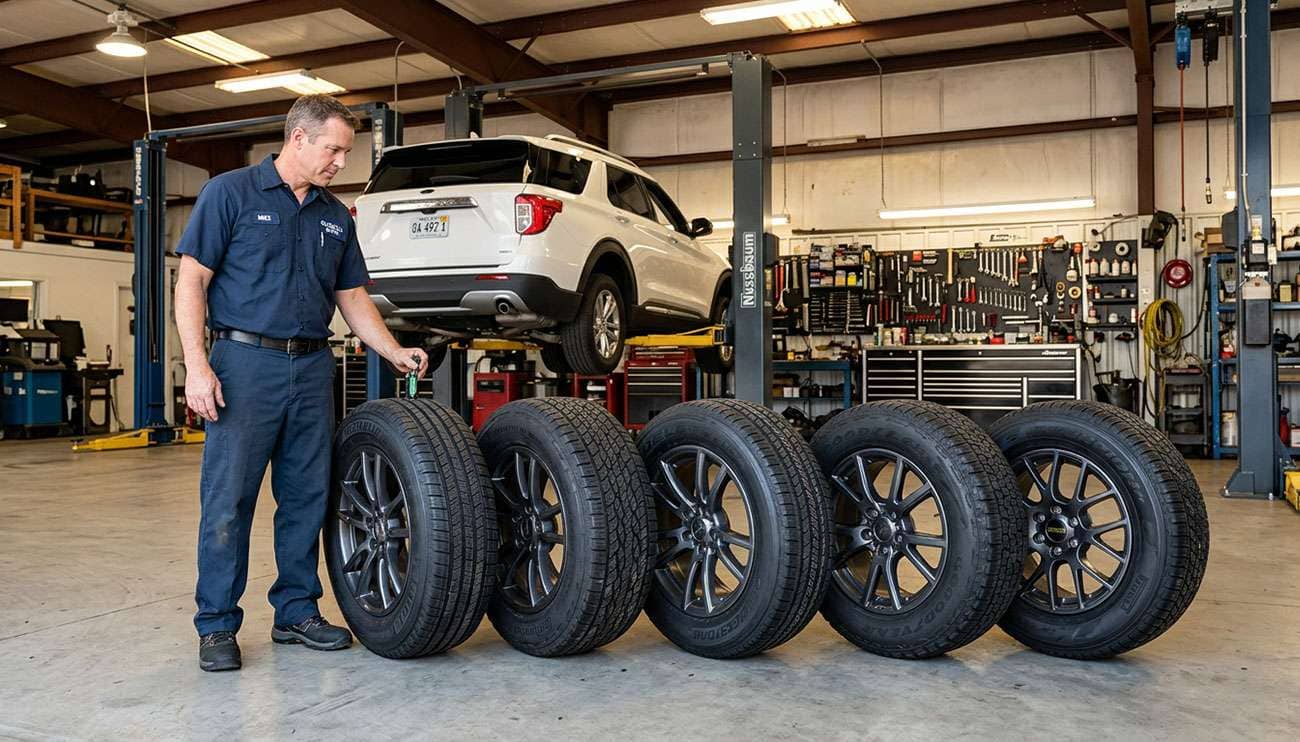
The Ford Explorer ranks among America's most trusted SUVs, and selecting the right Ford Explorer aftermarket tires directly impacts your vehicle's performance, safety, and driving experience. Ford designs every vehicle with tires that meet specific performance standards. However, tires require replacement every 6 to 10 years depending on their condition, or when tread depth reaches 2/32 of an inch.
Whether you're upgrading ford explorer tires and rims, researching ford explorer aftermarket wheels, or decoding ford tire sizes, we're here to provide expert guidance. Our extensive knowledge of Explorer fitment ensures you'll find the perfect aftermarket tires for your specific needs.
Understanding Ford Explorer tire selection starts with knowing your driving patterns and vehicle requirements. We'll guide you through ford tire size markings, help you match tire types to your actual driving conditions, and ensure you make an informed decision that enhances both performance and value. Your Explorer deserves tires that deliver the reliability and capability you expect from this popular SUV.
Every tire sidewall displays critical information through a standardized marking system. Take 255/65R18 as a typical example. The first number, 255, represents tire width in millimeters measured from sidewall to sidewall. The aspect ratio, 65, indicates the sidewall height equals 65% of the tire's width. The letter R stands for radial construction, which refers to how the tire's internal structure is built. The final number, 18, represents the rim diameter in inches.
Ford tire sizes often begin with specific letters that indicate the tire's intended use. P designates passenger vehicle tires, while LT indicates light truck tires designed for heavy-duty applications with high towing capacity. For instance, P215/65R17 identifies a passenger tire, whereas LT markings signal enhanced durability for demanding conditions.
Two additional specifications follow the tire size marking. Using 99H as an example, the number 99 represents the load index, which corresponds to the maximum weight a tire can safely support when properly inflated. A load index of 99 means the tire handles up to 775 kg. Load indexes typically range from 70 to 110 for passenger cars and light trucks.
The letter H indicates the speed rating, showing the maximum safe operating speed for that tire. An H rating means the tire can handle speeds up to 130 mph safely. Speed ratings directly affect ride comfort, wear patterns, and cornering ability. Higher speed ratings generally deliver better grip and stopping power but may result in shorter tread life.
Current sixth-generation Explorers (2020-2026) come equipped with 18x7.5-inch wheels and P255/65R18 tires on base models. The 2025 Explorer lineup offers multiple configurations: 255/65R18 for Active trim levels, 265/65R18 for mid-range options, and 255/55R20 for higher trim packages. Performance-oriented models feature larger 21-inch wheels with 255/50R21 or 275/45R21 tires.
Earlier fifth-generation models (2011-2019) used 17x7.5-inch wheels with P245/65R17 tires on base versions. XLT and Limited trims upgraded to 18x8-inch wheels paired with P255/60R18 tires for enhanced performance and appearance.
Selecting ford explorer aftermarket wheels requires matching specific measurements for proper fit and performance. The bolt pattern remains consistent at 5x114.3 (5x4.5 inches) across all Explorer generations. The center bore measures 70.6mm, while wheel offset typically ranges from 35.5 to 39.5mm. Proper wheel fitment prevents uneven tire wear, improves handling characteristics, and ensures safe operation under all driving conditions.
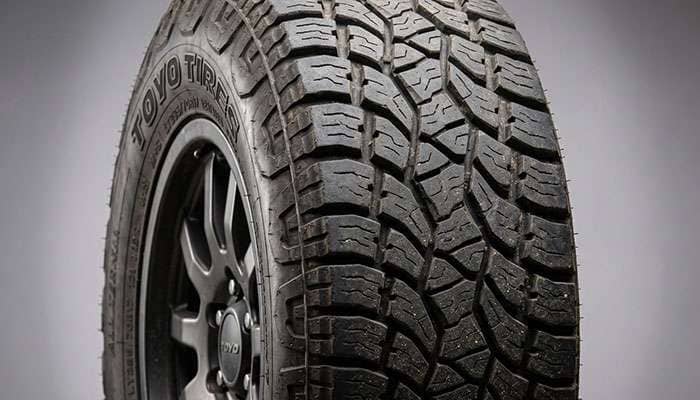
Your Explorer needs the right tire category to match how you actually use the vehicle. SUVs like the Ford Explorer are mostly driven on paved roads, which makes all-season, all-terrain, all-weather, touring, and winter tires the best fit for the vehicle.
All-season tires deliver excellent performance throughout the year in dry, wet, or light winter weather conditions. These tires provide a natural fit for an SUV such as the Ford Explorer, offering confident traction in changing weather conditions. The Goodyear Assurance CS Fuel Max stands out with a 9.2 rating and comes backed by a 65,000 mile limited manufacturer tread life warranty. This tire is optimized for consistent wear and longer tread life.
All-weather options exceed standard all-season capabilities. The Goodyear Assurance WeatherReady 2 earns a 9.2 rating and carries Three Peak Mountain Snowflake certification for use in moderate to severe winter conditions. These tires blend year-round capability with genuine winter traction performance.
Winter tires feature aggressive tread designs and flexible rubber compounds that withstand freezing temperatures. The Cooper Evolution Winter offers a studdable option with an 8.4 rating. This tire includes a sawtooth center rib that enhances stability in icy, slushy, snowy, and cold weather conditions.
Performance tires support sporty driving with precise control and exceptional grip. Their unique tread patterns and specialized compounds allow for confident cornering and acceleration. These work exceptionally well on high-performance Explorer models that demand enhanced handling and responsiveness.
All-terrain tires handle challenging terrains such as rock, dirt, gravel, mud, and snow. The Nitto Nomad Grappler scores 8.7 and includes a 60,000 mile warranty. Pirelli's Scorpion All Terrain Plus is engineered for optimal off-road performance with 4x4 vehicles. Browse ford explorer tires and rims to find the perfect match for your driving style.
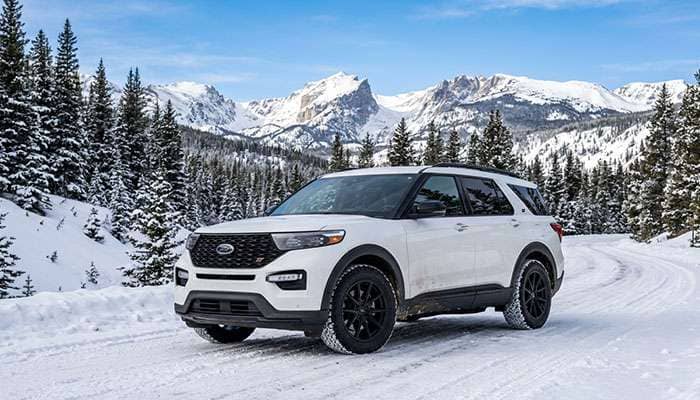
Your tire choice should match how you actually drive, not just what looks good. Here's how to select the right option for your specific driving patterns.
City streets and highway miles demand tires that prioritize comfort and fuel efficiency. All-season touring tires minimize road noise and provide the smooth, quiet ride you want during long commutes. Look for options designed specifically for extended highway travel, as these reduce driver fatigue and deliver consistent performance mile after mile. The Michelin CrossClimate 2 stands out for drivers who need reliable year-round performance.
Snow and ice change everything about tire performance. Winter tires use specialized rubber compounds that stay flexible when temperatures drop. The difference comes from advanced siping and tread features that grip frozen surfaces where all-season tires struggle. These softer compounds maintain traction in frigid conditions that would leave other tires slipping.
All-terrain tires bridge the gap between pavement comfort and trail capability. When you're ready to explore beyond city limits, ford explorer aftermarket wheels paired with quality all-terrain tires give you traction on dirt, gravel, and moderate trails while remaining civilized for daily driving.
Sporty driving calls for tires that respond to your inputs with precision. Performance tires deliver the grip and handling response that makes spirited driving enjoyable and safe. Their specialized tread patterns and compounds provide confident cornering and quick acceleration when you want to make the most of your Explorer's capabilities.

Beyond matching tire type to your driving patterns, several critical factors determine the best value and performance for your Explorer.
Longer-lasting tires utilize specialized rubber compounds, advanced tread designs, and multiple steel belt construction that enhance strength and puncture resistance. Most manufacturers provide defect coverage for 6 years from purchase date or until tread reaches 2/32 of an inch. BFGoodrich and Michelin both offer 6-year coverage, while Continental extends warranties to 72 months. Free replacement typically covers the first 12 months or first 2/32nds of wear. Hankook provides free replacement during the first 25% of tread wear.
Ford Explorer tires range from $150 to $350 per tire. High-performance options can exceed $500. Remember to include mounting, balancing, and disposal fees in your total budget.
Research manufacturer track records and customer feedback before making your selection. Independent testing organizations evaluate braking performance, handling characteristics, comfort levels, and treadwear through real-world conditions.
The Uniform Tire Quality Grade system provides standardized ratings for treadwear, traction, and temperature resistance. A treadwear rating of 200 should deliver twice the lifespan of the 100 baseline. Traction grades range from AA (highest) to C (lowest) for wet stopping performance. Temperature grades of A, B, or C indicate heat resistance capabilities.
Tire balance, proper pressure, tread pattern, and wheel alignment all influence ride comfort. Review manufacturer noise ratings if cabin quietness ranks high in your priorities.
Low-rolling-resistance designs reduce friction and boost fuel efficiency. Tire weight directly impacts MPG, since heavier tires demand more engine power.
With this expert guidance, you're equipped to select aftermarket tires that will enhance your Ford Explorer's performance and safety for years to come. The right tire choice depends on matching quality options to your actual driving patterns and budget requirements. We recommend taking time to explore Ford Explorer tire options that deliver the specific benefits you value most.
At Performance Plus Tire, we understand that your Explorer represents a significant investment. Our extensive selection of Ford Explorer aftermarket tires ensures you'll find options that provide excellent traction, durability, and value. Whether you prioritize all-season reliability, off-road capability, or performance handling, the perfect tire solution is available at prices that fit your budget.
Your Explorer deserves tires that deliver dependable performance mile after mile. Choose options that enhance your driving confidence and maximize your vehicle's capabilities.
Choosing the right aftermarket tires for your Ford Explorer requires understanding specifications, matching tire types to your driving needs, and considering key performance factors for optimal safety and performance.
• Decode tire specifications correctly: Read sidewall markings (width/aspect ratio/construction/rim diameter) and match load index and speed ratings to your Explorer's requirements for safe operation.
• Match tire type to driving patterns: Choose all-season for daily commuting, winter tires for snow/ice, all-terrain for off-road adventures, and performance tires for sporty driving.
• Consider total cost of ownership: Factor in tread life warranties (typically 6 years), price range ($150-$350+ per tire), and fuel efficiency impact when making your selection.
• Prioritize quality indicators: Research UTQG ratings for treadwear and traction grades, read manufacturer reviews, and consider noise levels for ride comfort that matches your preferences.
• Maintain proper compatibility: Ensure aftermarket wheels match Ford Explorer's 5x114.3 bolt pattern and 70.6mm center bore to prevent uneven wear and handling issues.
Remember that tires should be replaced every 6-10 years or when tread depth reaches 2/32 of an inch, making your selection an important long-term investment in your Explorer's performance and your safety.
The best tires depend on your driving needs. For daily commuting, all-season touring tires like the Goodyear Assurance CS Fuel Max or Michelin CrossClimate 2 offer excellent year-round performance. If you frequently drive in winter conditions, consider winter tires with Three Peak Mountain Snowflake certification like the Goodyear Assurance WeatherReady 2. For off-road adventures, all-terrain options such as the Nitto Nomad Grappler provide versatility on both paved and unpaved surfaces.
Tire markings like 255/65R18 contain specific information: 255 is the tire width in millimeters, 65 represents the aspect ratio (sidewall height as a percentage of width), R indicates radial construction, and 18 is the rim diameter in inches. Following the size, you'll find numbers and letters like 99H, where 99 is the load index (maximum weight capacity) and H is the speed rating (maximum safe speed).
Tires should be replaced every 6 to 10 years depending on their condition, or when the tread depth wears down to 2/32 of an inch. Regular inspection of tread wear and tire condition is essential for maintaining safety and performance, regardless of the tire's age.
Low-rolling-resistance tires reduce friction between the tire and road, which improves fuel economy. Additionally, tire weight directly impacts fuel consumption—heavier tires require more engine power to move, resulting in lower MPG. When selecting tires, look for options specifically designed for fuel efficiency if maximizing mileage is a priority.
Most tire manufacturers cover defects for 6 years from the purchase date or until tread reaches 2/32 of an inch. Free replacement typically applies within the first 12 months or the first 2/32nds of wear. Some brands like Hankook offer free replacement during the first 25% of tread wear. Always review the specific warranty terms, as coverage varies by manufacturer and tire model.



