

Chevrolet Tahoe aftermarket wheels are a popular way to upgrade both the appearance and performance of your vehicle. The Tahoe's robust build and commanding road presence make it an ideal candidate for wheel upgrades, with 22-inch diameter options being particularly popular for their ability to improve the vehicle's look while maintaining its utility.
Choosing the right wheels requires more than just selecting an attractive design. The Tahoe's substantial size and weight—up to 6,200 pounds curb weight—mean that incorrect rim specifications can cause handling problems, CV joint wear, or brake caliper interference.
When selecting aftermarket wheels, you'll need to understand crucial fitment parameters. The bolt pattern for Tahoe models is 6x139.7mm, center bores measure 78.1mm, and offsets typically range from +24mm to +31mm. These specifications ensure proper wheel alignment with your vehicle's body, maintaining handling characteristics and preventing rubbing against wheel wells.
Budget planning is another important factor. Standard aftermarket options range from $200 to $500 per wheel. Pricing varies based on materials, brand reputation, design complexity, and whether you're buying individual wheels or complete sets.
We'll guide you through everything you need to know about selecting the perfect aftermarket wheels for your Chevy Tahoe. From understanding bolt patterns to exploring material options, we have the expertise to help you make the right choice for your vehicle and budget.
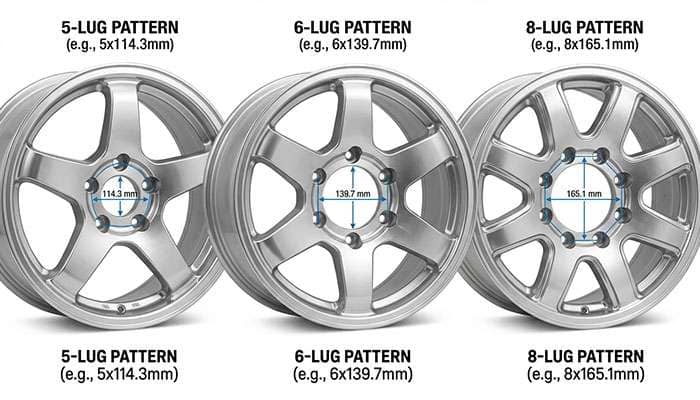
Understanding custom wheels is important before making a purchase. Wheel fitment requires precise measurements to maintain safety and handling characteristics—unlike universal accessories, wheels demand exact specifications for proper performance.
The bolt pattern represents the most critical measurement when choosing compatible wheels. Chevrolet Tahoe models use a 6x139.7mm bolt pattern. This specification means six lug nuts arranged in a circle with a 139.7mm diameter. First generation Tahoes (1995-2000) offered both 5x127mm and 6x139.7mm patterns, but all subsequent generations standardized on the 6x139.7mm configuration.
We measure bolt patterns in a straight line from the center of one bolt hole to the center of the hole directly across from it. Even small deviations in bolt pattern prevent proper installation, creating dangerous driving conditions. Chevy uses this same 6-lug pattern across many trucks and SUVs, commonly called a "6-5.5 inch" pattern in imperial measurements.
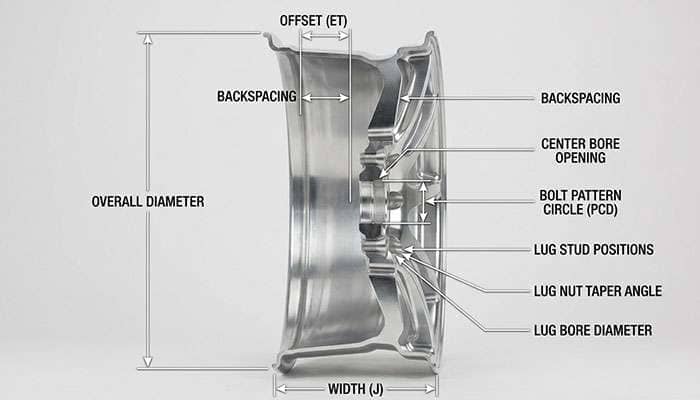
The hub bore—sometimes called the center bore—is the machined opening at the wheel's center that fits over your vehicle's hub. This precise fitment centers the wheel on the hub assembly. A properly sized hub bore ensures the wheel's weight distributes evenly around the axle, reducing vibration and improving ride quality.
Aftermarket wheel manufacturers typically produce wheels with larger center bores to accommodate various vehicles. When the wheel's center bore exceeds your Tahoe's hub diameter, the wheel won't center properly, leading to vibration that worsens at higher speeds. The hub bears your vehicle's weight, not the lug nuts, which secure the wheel rather than center it.
Hub-centric rings solve this problem when the wheel's center bore exceeds your Tahoe's hub diameter. These rings fill the gap between the oversized wheel bore and your vehicle's hub, creating a perfect fit. Made from durable plastic or aluminum, they transfer your vehicle's weight from the wheel to the hub.
Offset measures the distance between the wheel's mounting surface and its centerline. Expressed in millimeters, offset comes in three types:
Zero offset: The mounting surface aligns perfectly with the wheel's centerline
Positive offset: The mounting surface sits toward the street side of the centerline
Negative offset: The mounting surface positions toward the vehicle side
Backspacing refers to the distance from the wheel's mounting surface to its back edge. While related to offset, backspacing provides a different perspective on wheel positioning.
Correct offset maintains proper clearance between your wheels and suspension components, brake calipers, and fenders. Factory Tahoe wheels typically feature positive offset between +24mm and +31mm, keeping wheels properly tucked under the fenders. Some enthusiasts prefer wheels with less positive (or even negative) offset to create a wider stance or "poke" appearance.
Selecting aftermarket wheels with wrong offset can affect handling characteristics, accelerate suspension wear, and potentially cause tire rubbing against fenders during turns or over bumps.
Wheel sizing for your Tahoe affects everything from appearance to ride quality. The right dimensions depend on your priorities—whether you want maximum comfort, aggressive styling, or the perfect balance between both.
Chevrolet equips Tahoes with different wheel sizes based on trim level and model year. Factory wheels typically range from 18 to 22 inches in diameter. LS and LT trims usually come with 18 or 20-inch alloys, while High Country and Z71 models often feature 20 or 22-inch options. These factory sizes provide an optimal balance of performance, comfort, and appearance.
Aftermarket wheels offer much more flexibility in both size and style. Wheel width for the Tahoe typically ranges from 7.5 to 9.5 inches, giving you options for both factory-equivalent fitment and more aggressive setups. We recommend staying within 1 inch of your factory wheel diameter to maintain proper speedometer calibration and avoid rubbing issues.
Wheel width directly determines which tires will fit properly on your Tahoe. Wider wheels require wider tires, creating a chain reaction that affects your vehicle's handling characteristics. The relationship between wheel width and tire sidewall height also impacts both appearance and ride comfort.
Running 18-inch wheels on your Tahoe means the appropriate tire size would be 265/65R18. 20-inch wheels pair best with 275/55R20 tires, and 22-inch wheels work optimally with 285/45R22 tires. These combinations maintain proper tire sidewall height relative to wheel diameter, preserving both handling dynamics and comfort.
Most Tahoe owners find the sweet spot within the 18-22 inch diameter range for optimal performance. Larger wheels create a more dramatic appearance but often result in a firmer ride due to reduced tire sidewall height. One Tahoe owner noted after switching from 20-inch wheels back to factory 17-inch wheels, "The ride is 10x more comfortable".
For daily driving, 18-20 inch wheels in the factory-specified 6x139.7mm bolt pattern provide the best balance of appearance, comfort, and durability. These sizes resist curb damage better than larger 22-inch alternatives while maintaining a stylish look. If you frequently drive on rough roads or prioritize ride comfort, staying at the lower end of this range makes sense.
The correct offset for Tahoe wheels falls between +24mm and +31mm, ensuring proper alignment with the vehicle body while preventing rubbing against wheel wells during turns or over bumps. This specification becomes more critical as wheel width increases.
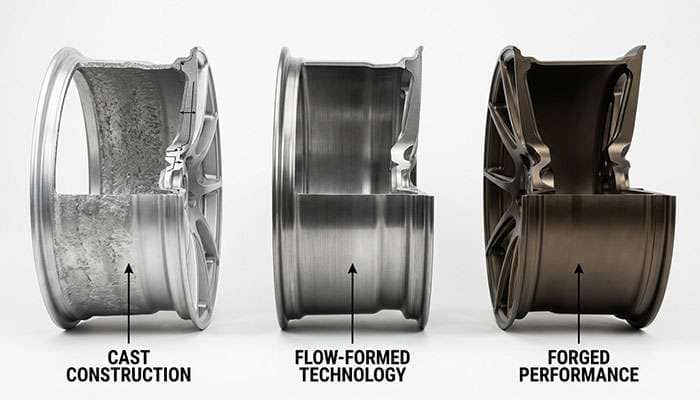
Understanding wheel materials and construction methods is important before making a purchase. Different manufacturing processes create wheels with varying strength, weight, and performance characteristics. Each type offers specific advantages depending on your driving needs and budget.
Cast wheels are the most common wheel type, making up approximately 90% of OEM wheels. Manufacturers create cast wheels by pouring molten aluminum into molds using gravity or low-pressure methods. Low-pressure casting produces denser wheels with better mechanical properties than older gravity casting methods.
Forged wheels start with a solid aluminum billet subjected to enormous pressure—often 8,000-10,000 tons—creating a dense wheel blank with aligned grain structure. This process eliminates porosity and creates wheels that are 25-30% lighter than cast wheels of similar size. The superior strength allows for thinner spoke designs that reduce unsprung weight, improving handling, acceleration, and braking performance.
The price difference is substantial—forged wheels typically cost about four times more than cast options. Forged wheels make sense if performance is your priority, especially for track use or high-performance driving applications.
Flow-formed wheels (sometimes called "rotary forged") offer a middle ground between cast and forged construction. The process begins with low-pressure casting to create the wheel face, then spins, heats, and presses the barrel portion to align its grain structure.
This method creates wheels with cast spoke faces and stronger, forged-like barrels at a price point well below fully-forged options. For most Tahoe owners seeking better performance without premium pricing, flow-formed wheels provide excellent value.
Steel wheels offer compelling advantages despite their basic appearance. Starting at just $50 compared to $75 for alloy options, they deliver exceptional strength that makes them nearly impossible to crack. Steel wheels bend rather than break under extreme conditions, making them ideal for off-road use.
Steel's weight penalty creates significant drawbacks—approximately 2.5-3 times heavier than aluminum wheels. This extra mass forces your engine to work harder, reducing fuel economy by roughly 8% compared to lighter setups. Steel wheels also face size limitations, typically maxing out at 16 inches, making them unsuitable for Tahoes requiring larger diameters to clear brake calipers.
Steel wheels excel in winter conditions, providing better traction on snowy and icy roads thanks to their weight advantage. They're worth considering as a seasonal option for cold-weather regions.
Understanding wheel compatibility across GM's vehicle lineup can save you both time and money when shopping for Tahoe aftermarket wheels. This knowledge opens up significantly more options beyond wheels specifically marketed for Tahoe models.
GM's standardized 6x139.7mm (6x5.5 inches) bolt pattern creates excellent opportunities for wheel interchangeability. Wheels from Silverado 1500 (1999-2024), Suburban, Yukon, and Cadillac Escalade models can fit your Tahoe when other specifications align properly. All GM full-size 1500 series trucks and SUVs from 1999 onward share this identical bolt pattern.
However, center bore specifications vary slightly between generations. Tahoes from 2000-2006 require 78.1mm bores, 2007-2014 models maintain 78.1mm with tighter tolerances, 2015-2020 models increased to 78.3mm, and 2021+ models use 78.5mm.
Proper load rating verification starts with your vehicle's Gross Vehicle Weight Rating (GVWR) located on the driver's door jamb. Divide this number by four, then add a 20% safety margin. With a 7,200 lb GVWR, each wheel should support at least 2,160 lbs.
Brake clearance verification requires checking the wheel's "total indicated runout" (TIR) certification, which should be ≤0.030". This ensures adequate space between your wheel and brake components. Load-rated wheels designed for 2021-2024 Tahoe models exceed typical payload requirements while providing superior brake clearance.
Hub-centric rings solve the common problem of oversized wheel center bores on your Tahoe's hub diameter. These rings center the wheel properly on the axle rather than depending on lug nuts, which secure rather than center the wheel.
Most Tahoe models need rings with an inner diameter matching your vehicle's hub size (78.1mm for most models) and an outer diameter matching your aftermarket wheel's center bore. Available in durable plastic or aluminum, these inexpensive accessories reduce vibration significantly and prevent uneven lug nut stress.
Need to find the perfect wheels for your Tahoe? Browse our Chevrolet Tahoe wheel options at Performance Plus Tire.
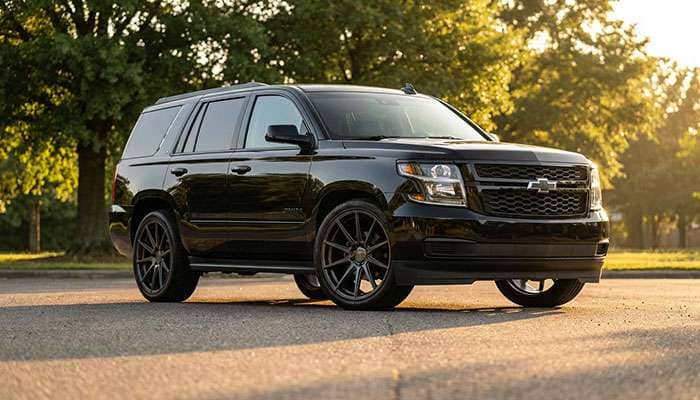
The appearance of your Chevrolet Tahoe aftermarket wheels depends heavily on the finish you choose. Style decisions reflect both personal preferences and practical considerations like maintenance requirements and long-term durability.
Chrome wheels are known for their mirror-like finish that creates instant attention with brilliant shine. Matte finishes offer the opposite approach—a flat, non-reflective surface that creates a sophisticated, understated appearance. Powder coating delivers excellent durability with a wide range of color choices, while PVD (physical vapor deposition) provides chrome-like brilliance without the additional weight. Satin finishes strike a middle ground for Tahoe owners, offering more shine than matte but less than full gloss options.
Tahoe wheel prices vary significantly based on materials, brand reputation, and design complexity. Standard aftermarket wheels typically cost $200-$500 per wheel, putting complete sets in the $800-$2000 range. Premium or custom designs can exceed $1000 per wheel, potentially pushing full sets above $4000. OEM 2025 Tahoe wheels range from $635-$1013 depending on the specific style.
Chrome requires careful maintenance—regular cleaning with specialized products prevents tarnishing, especially in areas where road salt is used. Polished aluminum needs periodic repolishing as natural oxidation occurs over time. Painted or powder-coated wheels are the easiest to maintain, requiring only mild soap and water for regular cleaning. Most wheel finishes include 12-month warranties against manufacturing defects under normal use conditions.
Selecting the right aftermarket wheels for your Chevy Tahoe involves understanding several key factors that work together to ensure both safety and satisfaction. The combination of proper size, offset, and material choice directly affects how your vehicle handles and looks. Most Tahoe owners find success with wheels in the 18-22 inch range that maintain the factory 6x139.7mm bolt pattern while delivering the appearance and performance they want.
Understanding wheel construction differences helps you make informed purchasing decisions. Flow-formed wheels provide excellent value for those seeking performance improvements without the premium cost of fully forged options. Your budget plays a significant role in your choices, with quality sets ranging from $800 for solid aftermarket options to over $2,000 for premium designs.
The compatibility across GM's lineup creates opportunities beyond Tahoe-specific wheels. You might find excellent options on wheels designed for Silverados, Suburbans, or Escalades—provided you verify the exact fitment specifications match your Tahoe's requirements.
Proper fitment ensures both safety and performance. Using hub-centric rings when necessary and confirming load ratings prevents potential problems down the road. Shop for Chevrolet Tahoe wheels now at Performance Plus Tire where you'll find options that match your vehicle's specifications while improving its overall appearance.
We believe the time spent understanding these specifications pays off in both driving experience and vehicle appearance. Your Tahoe deserves wheels that match its robust character while meeting your specific performance needs and style preferences.
Master these essential considerations to select the perfect aftermarket wheels that enhance your Tahoe's performance and appearance while ensuring proper fitment and safety.
• Verify critical fitment specs: Tahoe requires 6x139.7mm bolt pattern, 78.1-78.5mm center bore, and +24mm to +31mm offset for proper alignment and clearance.
• Stay within 18-22 inch diameter range: This size range balances appearance enhancement with ride comfort while maintaining speedometer accuracy and preventing rubbing issues.
• Consider flow-formed wheels for best value: They offer 25-30% weight reduction over cast wheels at significantly lower cost than fully forged options.
• Budget $800-2000 for quality sets: Standard aftermarket wheels cost $200-500 each, while premium options can exceed $1000 per wheel.
• Leverage GM compatibility: Wheels from Silverado, Suburban, Yukon, and Escalade models often interchange with proper attention to center bore and load ratings.
• Use hub-centric rings when needed: These affordable accessories eliminate vibration and ensure proper wheel centering when aftermarket wheels have oversized center bores.
The most important specifications are the 6x139.7mm bolt pattern, center bore (ranging from 78.1mm to 78.5mm depending on the model year), and offset (typically between +24mm and +31mm). These ensure proper fitment and maintain the vehicle's handling characteristics.
Most Tahoe owners find that wheels between 18 and 22 inches in diameter work best. This range offers a good balance between enhanced appearance and ride comfort while maintaining proper speedometer calibration and avoiding potential rubbing issues.
Cast aluminum wheels are the most common and affordable option. Flow-formed wheels offer better performance at a moderate price increase. Forged wheels provide the best strength-to-weight ratio but are significantly more expensive. For most Tahoe owners, flow-formed wheels offer the best balance of performance and value.
Yes, many wheels from other GM full-size trucks and SUVs (like the Silverado, Suburban, Yukon, and Escalade) can fit a Tahoe due to shared bolt patterns. However, it's crucial to verify other specifications like center bore and offset for proper fitment.
A set of quality aftermarket wheels for a Tahoe typically costs between $800 and $2000. Standard options usually range from $200 to $500 per wheel, while premium or custom designs can exceed $1000 per wheel. The final price depends on factors like material, brand, and design complexity.



