
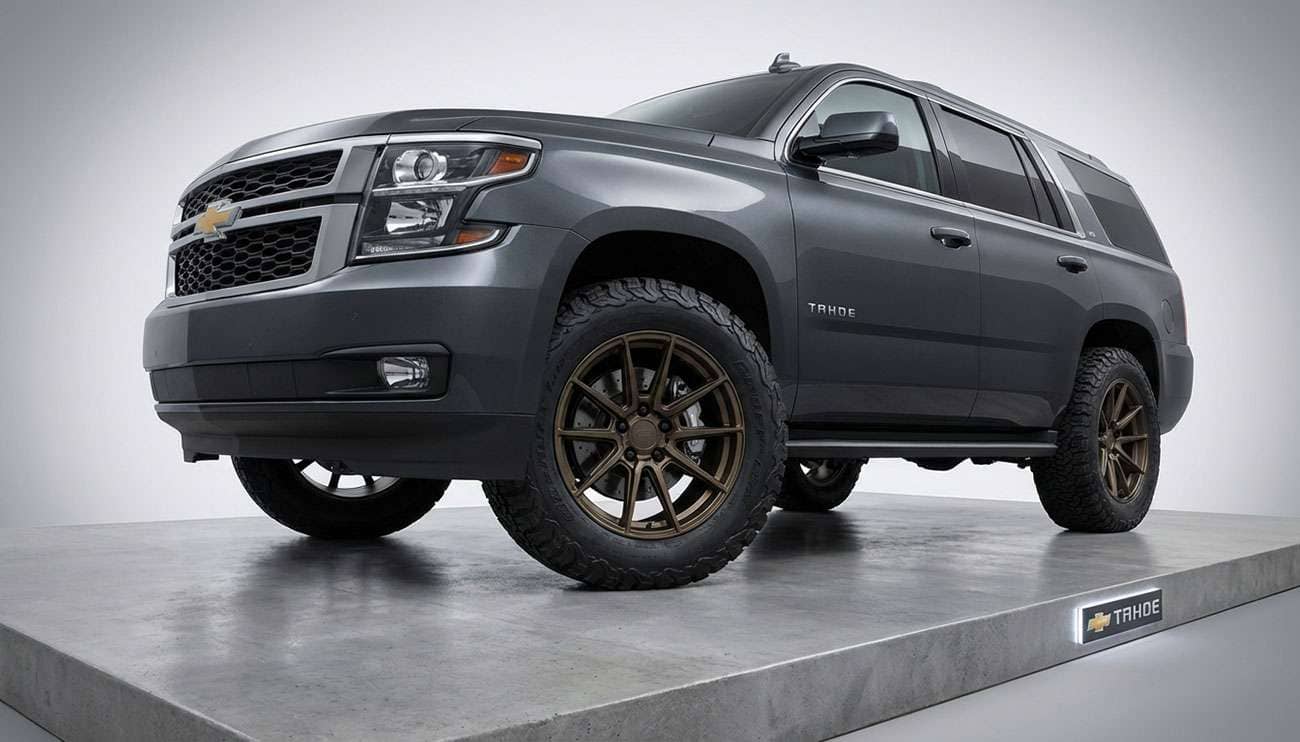
Tahoe aftermarket tires demand precise selection for optimal performance and safety. Your Tahoe's substantial 6,200-pound curb weight creates specific requirements that generic tire choices simply cannot meet. When you're investing $200 to $500 per wheel in quality aftermarket wheels, the wrong tire specifications can trigger handling problems, premature component wear, and compatibility headaches.
We understand the critical factors that make Tahoe tire selection successful. Your chevy tahoe bolt pattern, load ratings, and clearance specifications work together as an integrated system. Getting one element wrong affects vehicle performance and can damage expensive aftermarket wheels.
This guide covers everything you need to select the perfect chevrolet tahoe tires for your specific driving needs. Whether you're pairing tires with new chevy tahoe aftermarket wheels or maintaining your factory wheel setup, our expert guidance will help you make the right choice. From understanding fitment basics to selecting tire types for different terrains, we'll walk you through each decision point that affects your Tahoe's performance and safety.
Factory Tahoe tire sizes evolved dramatically across generations, ranging from 235/75R15 on 1995 two-wheel-drive models to today's massive 285/40R24 configurations on 2025-2026 High Country trims. This progression reflects the industry trend toward larger wheels and shorter sidewalls for improved handling and aggressive styling.
The 2015 model year marked a standardization point, with base models settling on 265/65R18 while premium trims adopted 275/55R20 and later 285/45R22 sizes. When the 2021 redesign arrived, engineers introduced 275/60R20 as the common denominator across multiple trim levels, streamlining the previous 275/55R20 applications.
Fourth-generation Tahoes (2007-2014) kept things simpler with 265/70R17 and 275/55R20 as primary configurations. Earlier third-generation models (2000-2006) used more conservative 245/75R16, 265/70R16, and 265/70R17 sizes. Z71 off-road packages consistently specified different tire dimensions than standard models, with current Z71 variants exclusively running 275/60R20.
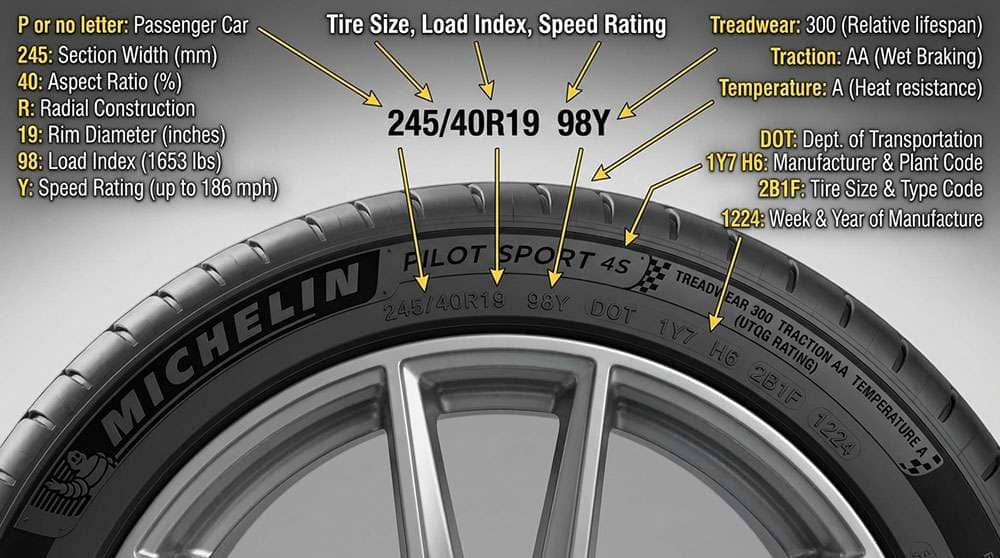
Tire sidewall markings follow a standardized sequence that reveals construction details and performance capabilities. The prefix letter indicates application: P designates passenger vehicles, LT identifies light trucks, ST marks special trailer use, and T indicates temporary spare tires. Most Tahoes use P-metric sizing, though heavy-duty applications may specify LT construction for enhanced load capacity.
The three-digit number following the prefix shows section width in millimeters, measured between sidewalls when properly mounted. A 265mm tire maintains that exact width under correct inflation pressure. The aspect ratio appears next as a two-digit percentage, expressing sidewall height relative to tire width. A 265/65R18 tire features sidewalls measuring 65% of 265mm in height.
Construction type follows, with R indicating radial design. Radial tires arrange internal cords perpendicular to travel direction, delivering superior grip and longevity compared to older diagonal patterns. The final number specifies wheel diameter in inches, representing the distance between bead seats where rubber seals to metal.
Service descriptions appear after tire size as number-letter combinations that define load capacity and speed limits. Load index numbers translate directly to weight ratings per tire under proper inflation. Index 112 supports 2,469 pounds, while index 114 handles 2,601 pounds. Given the Tahoe's hefty curb weight, selecting adequate load ratings prevents premature wear and dangerous handling degradation.
Speed ratings specify maximum sustained velocity under controlled test conditions. Tahoe applications typically carry S (112 mph), T (118 mph), H (130 mph), or V (149 mph) ratings. These letters reflect tire construction quality and heat dissipation engineering. A 265/65R18 112T tire safely carries 2,469 pounds per corner while maintaining integrity at speeds up to 118 mph.
Replacement tires must meet or exceed original specifications for safety and warranty compliance. Installing lower-rated tires compromises vehicle dynamics and creates liability issues. When mixing different speed ratings, the lowest-rated tire determines safe operating limits for the entire vehicle. Load requirements work identically - each tire must support its proportional share of vehicle weight plus passengers and cargo.
Factory tire sizes deliver balanced performance for most driving conditions. Your Tahoe already rides and handles well with original equipment sizes, so maintaining these specifications eliminates compatibility concerns. Plus sizing offers an alternative approach, increasing wheel diameter while reducing tire sidewall height to maintain overall diameter for sharper handling and aggressive styling.
Plus sizing follows a specific formula: add 10 millimeters to tire width and decrease aspect ratio by 5 to 10 percent for each 1-inch wheel diameter increase. Factory Tahoe wheels span 18 to 22 inches, with LS and LT trims using 18 or 20-inch alloys while High Country and Z71 models feature 20 or 22-inch options. Aftermarket applications can extend this range, though staying within 1 inch of factory diameter maintains proper speedometer calibration and prevents clearance issues.
Weight considerations become critical with larger setups. Plus-four packages add 104 pounds over factory equipment, while plus-eight configurations increase weight by 152 pounds. This additional mass strains brakes, wheel bearings, and suspension components while reducing acceleration and fuel efficiency. Daily drivers achieve optimal appearance, comfort, and durability with 18-20 inch wheels using the factory-specified 6x139.7mm chevy tahoe bolt pattern.
Width and aspect ratio determine key tire characteristics. 18-inch wheels require 265/65R18 tires, 20-inch wheels pair with 275/55R20, and 22-inch wheels match 285/45R22 configurations. These combinations preserve proper sidewall height relative to wheel diameter, maintaining handling dynamics and comfort levels.
Aspect ratio controls sidewall flex and road contact behavior. Lower ratios create stiffer sidewalls that reduce deflection during cornering, delivering sharper turn-in and better steering feedback. Shorter sidewalls improve brake pedal feel by minimizing tire deflection under hard braking. However, reduced cushioning increases impact harshness over rough pavement and raises the risk of wheel damage from potholes.
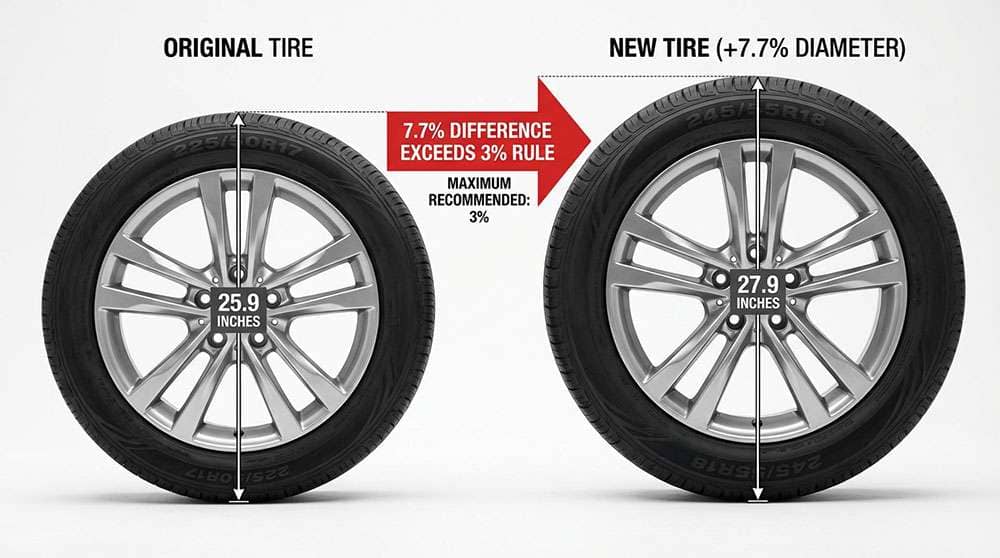
Overall diameter must stay within 3 percent of original equipment specifications, with 5 percent representing the absolute maximum. Exceeding these tolerances affects gearing, vehicle computer systems, and component operation. A 3 percent tire diameter increase creates speedometer inaccuracy - the display shows 60 mph while actual speed reaches 63.3 mph.
Testing speedometer accuracy requires a simple highway procedure. Set cruise control at 60 mph using mile markers as reference points. A stopwatch should register 60 seconds between markers. Average time deviating by 3 seconds or more across multiple tests indicates recalibration is necessary.
Wheel offset specifications fall between +24mm and +31mm for proper chevy tahoe aftermarket wheels alignment. This measurement prevents rubbing against wheel wells during turns or over bumps, particularly as width increases. Proper offset ensures chevy tahoe tires and rims function as integrated systems rather than creating clearance problems.
Browse compatible chevrolet tahoe tires to explore options matching your specific wheel configuration and driving requirements. Wheel width typically ranges from 7.5 to 9.5 inches, accommodating both factory-equivalent fitment and aggressive setups. Quality varies significantly in aftermarket wheels, with forged construction offering superior strength compared to some cast alloy alternatives.
Selecting the right tire type makes the difference between good performance and exceptional results. Each category delivers specific benefits designed for different driving conditions and preferences.
All-season tires handle dry, wet, and light snow conditions with consistent performance. The Goodyear Eagle LS-2 delivers impressive results with wide grooves that evacuate water effectively, earning an 8.4 SimpleScore with outstanding handling and traction ratings of 8.7 and 8.8. The Hankook Ventus ST (RH06) achieves an 8.7 overall score through V-shaped tread patterns that channel water away while dual depth pitch technology reduces road noise, backed by a comprehensive 50,000-mile warranty.
These tires combine summer and winter rubber characteristics, staying flexible in cold weather while remaining firm enough to handle heat without becoming soft. The Kumho Ecsta STX KL12 scores 8.7 overall with wide grooves that increase wet traction and reduce hydroplaning risk. Quality all-season tires deliver 50,000 to 80,000 miles of tread life, with mainstream options priced from $80 to $200 per tire.
All-terrain tires bridge the gap between highway comfort and off-road capability. They tackle paved roads and challenging surfaces like gravel, dirt, and light mud with equal confidence. Reinforced sidewalls and durable tread compounds resist punctures and damage better than standard street tires.
The trade-off comes in fuel economy due to increased rolling resistance from aggressive tread patterns. Higher speeds generate more road noise from the larger voids and open shoulder blocks that provide off-road traction. These same features bite into mud, snow, and loose surfaces while self-cleaning debris. All-terrain tires work perfectly when your driving splits between pavement and adventure, offering enough ruggedness for trails while remaining civilized for daily commutes.
Highway tires prioritize quiet operation, superior on-road traction, and excellent treadwear. They excel for vehicles that see mostly paved roads with only occasional travel on well-maintained dirt surfaces. These tires provide the longest tread life and best fuel efficiency among all tire categories for predominantly street driving.
Winter tires use specialized compounds and designs that maximize traction when temperatures drop. They feature aggressive patterns for snow evacuation, sipes and biting edges for slick surface grip, and soft compounds that stay flexible in freezing conditions. The Bridgestone Blizzak LM-32 combines directional tread patterns with advanced compounds, achieving a 9.3 SimpleScore with exceptional handling and traction scores of 9.7 and 9.9.
Look for the three-peak mountain snowflake (3PMSF) symbol on the sidewall, which indicates the tire meets severe snow service requirements. Options like the Cooper Discoverer True North provide peace of mind for winter travelers. Always install winter tires in complete sets of four for optimal safety.
The Pirelli Scorpion WeatherActive offers year-round capabilities with superior winter performance compared to standard all-season tires, earning a 9.5 SimpleScore. The 3-rib tread block design and specialized rubber compound deliver excellent traction across dry, wet, and moderate winter conditions while providing a 60,000-mile warranty. Browse Chevrolet Tahoe Aftermarket Tires to explore performance options that match your chevy tahoe bolt pattern and specific driving requirements.
Modern Tahoes use the 6x139.7mm (6x5.5") chevy tahoe bolt pattern consistently across generations. This specification applies to 2000-2006, 2007-2014, 2015-2020, and current 2021-2026 models. Earlier 1995-2000 Tahoes occasionally featured a 5x127 pattern on specific configurations. Always verify your exact bolt pattern before ordering chevy tahoe aftermarket wheels, as this measurement determines compatibility regardless of your location.
Clearance issues arise when tires make contact with fender liners or body panels during normal operation. Wide 305mm tires combined with -28mm offset frequently cause rubbing that demands fender liner modifications. Even minor 10mm offset variations can trigger contact problems on Tahoes due to their squared wheel well design. Wheel spacers compound these issues by pushing the assembly outward, increasing the likelihood of fender interference. Rear clearance presents additional challenges where body panel seams create tighter restrictions.
Proper wheel offset ranges from +24mm to +31mm for optimal alignment and performance. Offset measurements below +15mm risk fender protrusion and steering system interference. The center bore must measure exactly 100mm or utilize hub-centric rings to eliminate vibration issues. Hub-centric rings bridge the gap between oversized wheel center bores and your vehicle's hub, ensuring proper centering without depending entirely on lug nut positioning.
Quality wheels must support a minimum 2,500-pound load capacity. Look for JWL or VIA certification marks that verify structural integrity and load ratings. Pre-matched chevy tahoe tires and rims packages eliminate fitment guesswork by coordinating bolt pattern, offset, hub bore, and load capacity specifications with your specific model year requirements.
Budget chevrolet tahoe tires cost $200 to $400 per set, while premium options run $800 or more. The initial price difference tells only part of the story. Premium tires deliver 70,000 to 85,000 miles of service compared to budget options wearing out after 20,000 to 30,000 miles.
Safety performance reveals the real gap between price tiers. Premium tires stop over 7 meters shorter from 80 km/h than budget alternatives during wet braking tests. When you calculate cost per mile, premium options at $800 lasting 70,000 miles cost about 1.1 cents per mile, while $400 budget tires lasting 30,000 miles cost approximately 1.3 cents per mile. Premium tires actually save money over time.
Cooper, Atlas, Predator, and Radar offer reliable performance across different price ranges. These brands provide solid value for drivers seeking dependable performance without premium pricing. Michelin, Bridgestone, Continental, and Goodyear represent the premium tier with extensive testing protocols and longer warranties spanning 60,000 to 80,000 miles. Premium brands invest heavily in research and development, creating compounds and tread designs that deliver superior grip, longer life, and better fuel efficiency.
Professional installation runs approximately $99.80 for four tires, including mounting, balancing, and TPMS kits. Balancing alone costs $60 to $200 for all four tires. We recommend rebalancing every 5,000 to 6,000 miles to maintain smooth operation and prevent premature wear. Proper installation ensures your investment in quality tires delivers expected performance and longevity.
Most tires deliver 40,000 to 60,000 miles of service. Regular rotation every 5,000 to 8,000 miles promotes even wear and maximizes tread life. Replace tires when tread depth drops below 4/32 inches, with 2/32 inches being the legal minimum and unsafe for wet conditions.
Browse Chevrolet Tahoe Aftermarket Tires to find options matching your chevy tahoe bolt pattern and budget requirements. Our selection includes both value-oriented and premium choices to meet your specific driving needs and financial considerations.
Selecting the right chevrolet tahoe tires protects your investment and delivers the performance your Tahoe deserves. We've covered the essential factors that separate successful tire choices from costly mistakes – from understanding your chevy tahoe bolt pattern requirements to matching tire types with your driving conditions.
Your Tahoe's 6,200-pound weight demands tires that can handle the load while delivering the comfort and performance you expect. Whether you're running factory wheels or investing in chevy tahoe aftermarket wheels, proper fitment ensures years of reliable service without premature wear or handling issues.
The key lies in matching your selection to your actual needs. Daily commuters benefit from quality all-season tires, while off-road enthusiasts need the durability of all-terrain options. Premium tires deliver better long-term value despite higher upfront costs, while budget options work for specific situations with realistic expectations.
At Performance Plus Tire, we're committed to helping you make the right choice for your vehicle and driving style. Start with your requirements, verify fitment specifications, and select tires that match your priorities. Your Tahoe will reward you with the performance, safety, and reliability you demand.
Master these essential points to select the perfect aftermarket tires for your Chevrolet Tahoe and avoid costly fitment mistakes.
• Verify your Tahoe's 6x139.7mm bolt pattern - All modern Tahoes (2015+) use this specification, but confirm before purchasing aftermarket wheels to ensure proper fitment.
• Stay within 3% of factory tire diameter - Exceeding this tolerance affects speedometer accuracy, gearing, and vehicle computer systems, potentially causing component damage.
• Match tire type to your driving needs - All-season tires work for daily driving, all-terrain for mixed use, and winter tires for cold climates with 3PMSF symbol certification.
• Premium tires cost less per mile long-term - While budget tires cost $200-400, premium options at $800+ last 70,000+ miles versus 20,000-30,000 miles for budget alternatives.
• Check load ratings and offset specifications - Each tire must support 2,500+ pounds, and wheel offset should stay between +24mm to +31mm to prevent rubbing and handling issues.
Proper tire selection directly impacts your Tahoe's safety, performance, and longevity. Take time to verify compatibility with your specific model year rather than focusing solely on appearance, and your investment in aftermarket wheels will deliver years of reliable performance.
The best tires depend on your driving needs. For daily driving, the Goodyear Eagle LS-2 and Hankook Ventus ST offer excellent all-season performance with high traction ratings. For mixed on-road and off-road use, all-terrain tires provide versatility. Premium brands like Michelin, Bridgestone, Continental, and Goodyear offer the longest warranties (60,000-80,000 miles), while Cooper, Atlas, and Radar provide reliable budget-friendly alternatives.
Replace your tires when tread depth drops below 4/32 inches, with 2/32 inches being legally unsafe. Most tires last between 40,000 to 60,000 miles depending on quality and maintenance. Premium tires can last 70,000 to 85,000 miles, while budget options typically wear out after 20,000 to 30,000 miles. Regular rotation every 5,000 to 8,000 miles helps ensure even wear.
You can increase tire size, but stay within 3% of the factory diameter to avoid speedometer inaccuracy and component strain. Plus sizing increases wheel diameter while reducing sidewall height to maintain overall diameter. Exceeding proper offset specifications (+24mm to +31mm) or running excessively wide tires can cause rubbing against fender liners during turns or suspension compression.
All modern Tahoes from 2015 onward use the 6x139.7mm (6x5.5") bolt pattern. This specification remained consistent through the 2000-2006, 2007-2014, 2015-2020, and current 2021-2026 generations. Only the earliest 1995-2000 models offered an alternative 5x127 pattern on some configurations. Always verify your specific bolt pattern before purchasing aftermarket wheels.
Premium tires offer better long-term value despite higher upfront costs. While budget tires cost $200-400 and last 20,000-30,000 miles (about 1.3 cents per mile), premium options at $800+ last 70,000-85,000 miles (about 1.1 cents per mile). Premium tires also provide superior wet braking performance, stopping over 7 meters shorter from 80 km/h, and come with longer warranties spanning 60,000 to 80,000 miles.



