
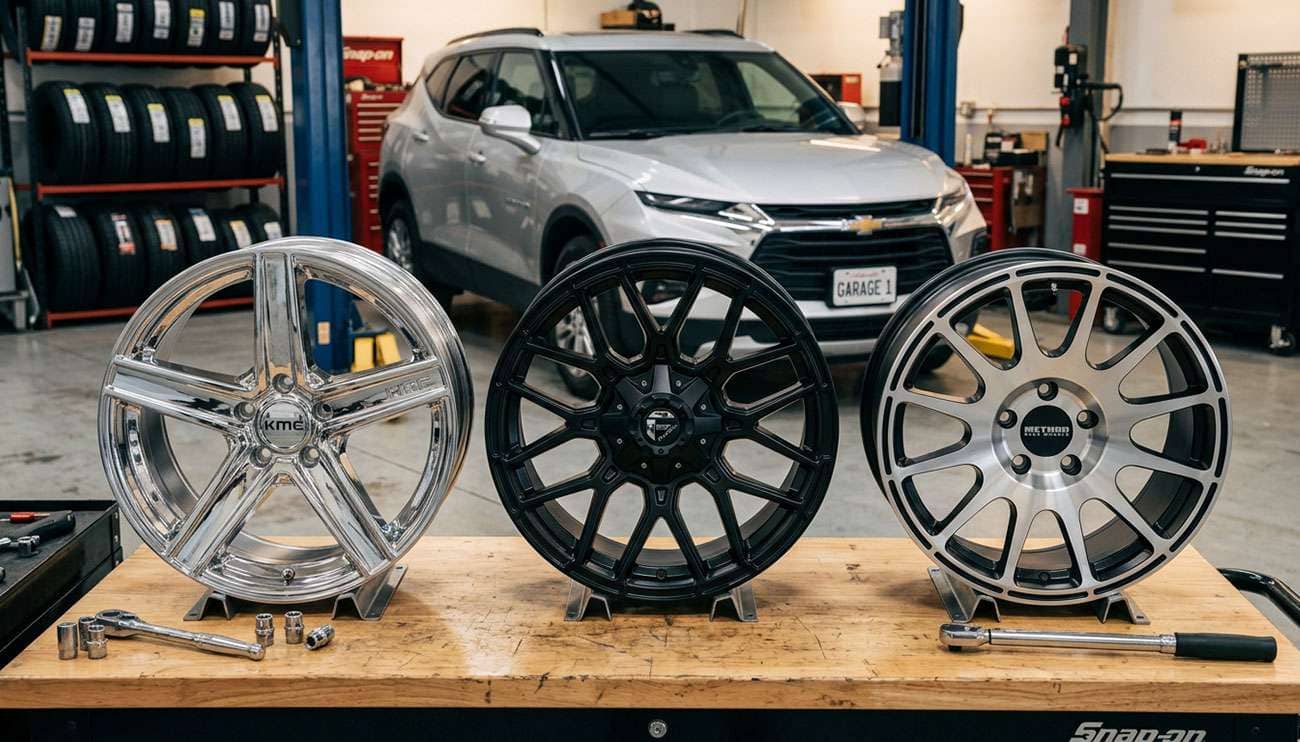
Custom wheels are a popular way to upgrade your Blazer's appearance and performance. When it comes to Chevrolet Blazer aftermarket wheels, selecting the right fitment makes all the difference between a successful upgrade and costly problems. Incorrect wheel selection can cause steering issues, premature tire wear, and safety concerns that affect your daily driving experience.
Understanding Blazer wheel specifications is important before making a purchase. Modern 2019-Present Blazer models use a 5x120mm bolt pattern, +55mm offset, 73.1mm center bore, and wheel diameters ranging from 18" to 21". These specifications determine proper fitment and ensure your new wheels will perform as intended.
We'll guide you through everything you need to know about chevrolet blazer wheels, from the chevy blazer lug pattern to proper offset selection. You'll learn how to avoid common mistakes when upgrading your chevy blazer wheels and tires, giving you the confidence to choose wheels that enhance both style and performance for your specific Blazer model.
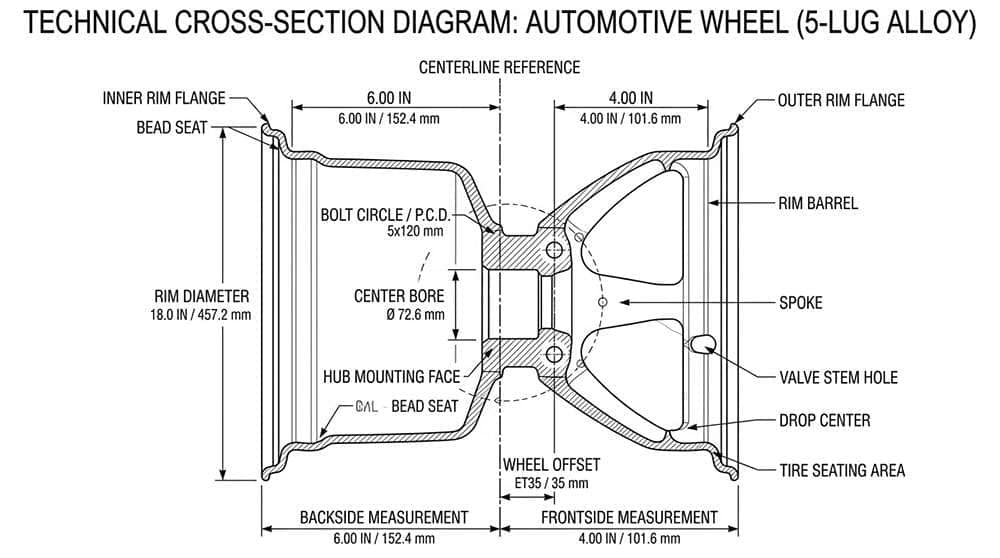
To determine the right fitment for your Blazer, you need to consider several factors including bolt pattern, wheel diameter, offset, and center bore. Each specification plays a crucial role in ensuring proper wheel installation and performance.
The bolt pattern refers to the number of lug nuts and the distance between them. Chevrolet Blazer models use different bolt patterns depending on the generation, making it essential to verify your specific model year.
Modern 2019-2025 Blazer models use a 6x120mm bolt pattern. Earlier generations featured completely different configurations that won't interchange with newer models. The 1973-1991 full-size Blazers used both 5x127mm and 6x139.7mm patterns, while the 1995-2005 compact S-10 Blazers switched to 5x120.65mm. This generation-specific variation means wheels from older Blazer generations will not fit newer models, regardless of appearance.
Factory chevrolet blazer wheels are available in four diameter options: 18", 19", 20", and 21". The width specification corresponds with the diameter, creating specific fitment requirements for each size.
Both 18" and 20" wheels measure 8J (8 inches wide), while 21" wheels measure 8.5J. The 2LT and 3LT trims typically come with 18" wheels as standard equipment, though 20" options are available across multiple trim levels. The RS and Premier trims feature 20" wheels as standard equipment.
Wheel width affects tire fitment and clearance within the wheel wells. Staying within 0.5 inches of your factory width specification prevents rubbing issues and maintains proper handling characteristics.
Offset measures the distance between the wheel's centerline and the mounting surface, expressed in millimeters. Factory Blazer wheels carry offsets between +48mm and +57.5mm, with most models using +50mm.
Positive offset positions the mounting surface closer to the wheel's outer face, keeping wheels tucked within the fenders. This design maintains proper suspension geometry and prevents interference with body panels.
Backspacing measures the distance from the mounting surface to the rear wheel lip in inches. For an 8-inch wide wheel with +50mm offset, backspacing calculates to approximately 6.46 inches. These measurements correlate directly: higher offset creates more backspacing. Factory specifications for the 2019-2025 Blazer show a backspacing of 164mm.
The center bore diameter for 2019-2025 Blazers measures 66.9mm. This circular opening in the wheel's center must accommodate your vehicle's hub diameter for proper hub-centric fitment.
When the center bore matches exactly, the wheel centers itself on the hub, distributing vehicle weight through this connection rather than relying solely on lug nuts. This design eliminates vibrations and ensures smooth operation at highway speeds.
Aftermarket wheels often feature larger center bores (typically 72.6mm or 73.1mm) to fit multiple vehicle applications. Hub-centric rings become necessary to fill the gap between the wheel's center bore and your Blazer's hub, maintaining proper fitment and preventing vibrations.
The quickest way to confirm your current setup is right on your driver's door. Open the door and look for the Tire and Loading Information label on the door jamb. This federally required sticker shows your OEM tire size, load rating, and recommended pressure.
While this sticker tells you the wheel diameter, it won't show wheel width or offset details. Your owner's manual contains the complete original equipment specifications, but the door jamb method gets you started faster.
The most accurate information lives right on your wheels. Look at the backside of your current wheels - you'll find cast or stamped markings that tell the complete story. Use a flashlight to see through the spokes if needed.
Here's what to look for:
Size marking: Shows as "18×8J" where the first number is diameter, second is width, and J indicates the rim profile
Offset: Marked "ET45" (the German term Einpresstiefe means insertion depth)
Bolt Pattern: Written as "5×120" showing five lugs with 120mm spacing
Center bore: A single number like "66.9" for the hub opening diameter
Want to measure backspacing yourself? Lay the wheel face-down, place a straight edge across the rim, then measure from the straight edge to the mounting surface.
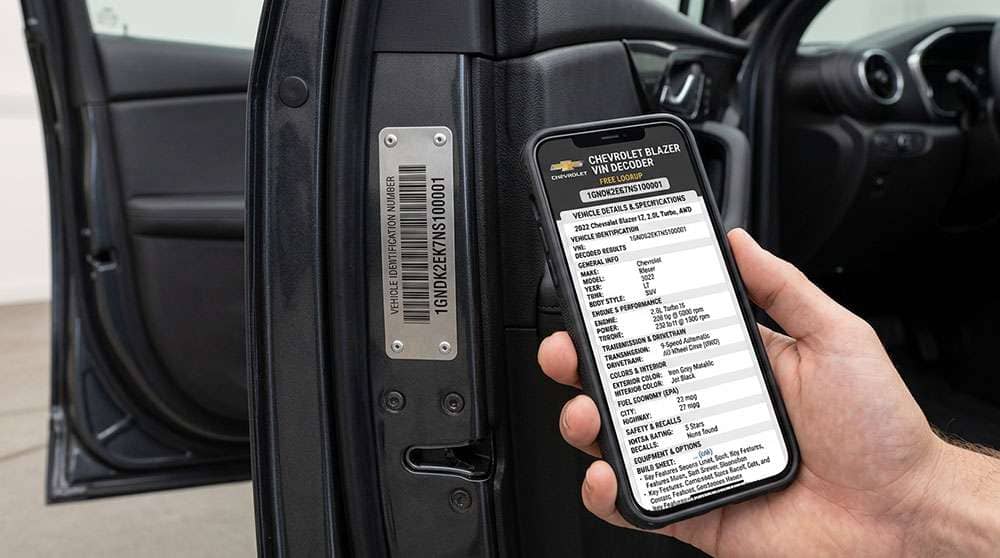
Your 17-digit Vehicle Identification Number unlocks exact factory build details through NHTSA's free decoder service. The VIN breaks down like this: characters 1-3 show manufacturer and origin, characters 4-8 detail engine and body specs, character 10 reveals model year, and character 11 identifies the assembly plant.
Visit vpic.nhtsa.dot.gov/decoder, enter your complete VIN, and check the Plant Information section for manufacturer specifications. This method confirms your Blazer's exact trim level and original wheel configuration, especially when combined with dealer fitment databases.
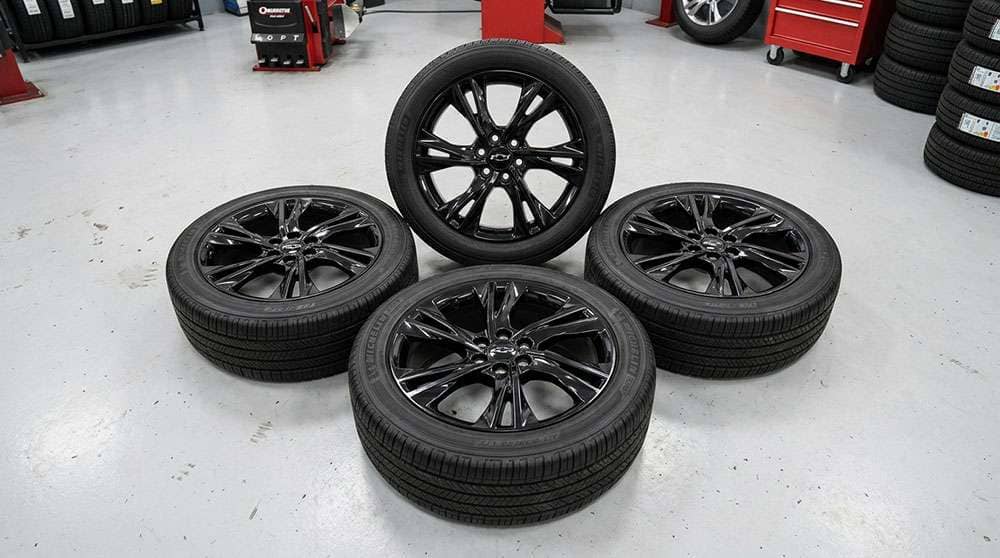
When shopping for custom wheels online, it's important to have a good understanding of what you're looking for. Selecting the wrong wheels can result in poor performance, safety issues, and expensive mistakes that could have been avoided.
Aftermarket wheels must precisely match your Blazer's 5x120mm bolt pattern. A matching bolt pattern allows wheel attachment, but correct center bore ensures proper fitment. Wheels with oversized center bores require hub-centric rings to eliminate vibrations. This is a critical specification that cannot be compromised.
Stay within 15-20mm of your factory offset to avoid clearance and handling issues. For daily driving, maintain stock offset ranges (+48mm to +57.5mm). Lower offsets create aggressive stances but can cause tire rubbing and accelerated component wear. Proper offset selection directly affects your vehicle's handling characteristics and component longevity.
Alloy wheels weigh significantly less than steel, improving fuel efficiency and handling. Steel wheels cost 70-80% less and resist impact damage better. Choose alloy for performance and esthetics, steel for winter conditions and durability. The material choice impacts both your vehicle's appearance and driving experience.
Download brake caliper templates from manufacturers, print at 100% scale, and test-fit against your wheels. Maintain minimum 3mm clearance at all points. Performance brake packages require wheels specifically designed for large caliper clearance. Insufficient clearance can prevent proper wheel installation and create safety hazards.
Powder-coated finishes resist chipping and corrosion. Chrome delivers mirror-like shine but adds weight and costs more to repair. Machined wheels offer lightweight strength with unique styling patterns. Browse verified fitment options that match your Blazer's specifications. The right finish enhances your vehicle's appearance while providing long-term durability.
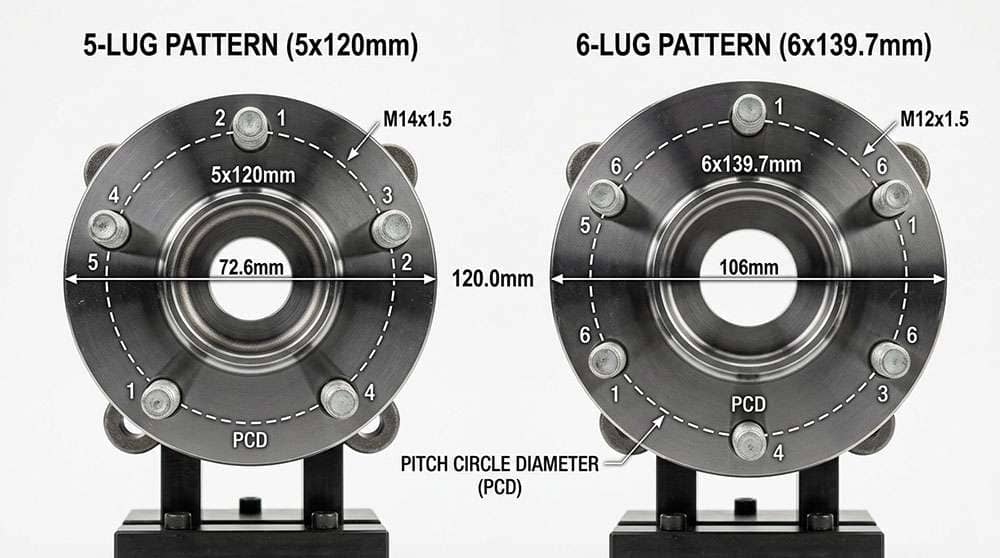
Many buyers make the costly assumption that any 5-lug wheel will fit their Blazer simply because it has five mounting holes. This creates expensive mistakes and shipping hassles that could easily be avoided. Multiple 5-lug patterns exist in the automotive world, including 5x100, 5x10⁸, 5x112, 5x114.3, 5x115, and 5x120 configurations. The spacing between lugs determines compatibility just as much as the lug count itself.
Two wheels from the same manufacturer can appear identical yet feature completely different bolt patterns, making visual confirmation impossible. Without verifying your exact bolt pattern first, you risk ordering wheels that simply won't mount to your vehicle. This leads to return shipping costs and delays in getting your Blazer back on the road with the look you want.
Load rating represents the maximum weight each wheel can safely support during normal driving conditions. You can calculate your minimum wheel load rating by locating the Gross Axle Weight Rating on your door jamb sticker, then dividing that number by two. Wheels used beyond their rated capacity void manufacturer warranties and create serious safety concerns.
Insufficient load ratings result in structural cracks, poor handling characteristics, and damaged suspension components over time. Many enthusiasts mistakenly believe tire and wheel load ratings work interchangeably, but these remain completely separate specifications that must both meet your vehicle's requirements.
Wheels and tires must work together according to Tire and Rim Association standards for safe operation. Mismatched tire styles and tread compounds create varying slip angles that can cause unpredictable handling during emergency maneuvers. Even when your wheel fitment appears correct, incompatible tire sizing prevents proper installation and optimal performance.
When selecting wheel and tire packages, ensure both components meet your driving needs and vehicle specifications. This approach prevents compatibility issues and ensures your investment delivers the performance and appearance you expect.
Selecting the right aftermarket wheels for your Chevrolet Blazer comes down to verifying the critical fitment specifications we've covered. Proper wheel selection requires matching your bolt pattern, center bore, offset, load rating, and brake clearance to ensure both safety and performance.
We've provided you with the knowledge to make an informed decision that enhances your Blazer's appearance while maintaining proper function. Take your time to double-check measurements and verify compatibility before making your purchase. Explore verified fitment options that match your exact model year and trim to find wheels that deliver both the style and performance your Blazer deserves.
Your vehicle is worth the investment in quality wheels that provide years of reliable service. When you follow these guidelines, you can upgrade with confidence knowing your new wheels will perform as intended and enhance your driving experience.
Selecting the right aftermarket wheels for your Chevrolet Blazer requires precise attention to fitment specifications to ensure safety, performance, and proper function.
• Verify your exact bolt pattern first - 2019-2025 Blazers use 5x120mm, but older generations differ significantly, making cross-compatibility impossible.
• Stay within 15-20mm of factory offset (+48mm to +57.5mm) to prevent tire rubbing, handling issues, and premature component wear.
• Match center bore diameter exactly (66.9mm for modern Blazers) or use hub-centric rings to eliminate vibrations and ensure proper weight distribution.
• Check brake caliper clearance by using manufacturer templates and maintaining minimum 3mm clearance at all contact points.
• Calculate proper load rating by dividing your vehicle's Gross Axle Weight Rating by two to ensure wheels can safely support your Blazer's weight.
The difference between a successful wheel upgrade and costly mistakes lies in verifying these five critical specifications before purchase. When done correctly, aftermarket wheels enhance both your Blazer's appearance and driving experience while maintaining factory safety standards.
The bolt pattern varies by generation. Modern 2019-2025 Blazer models use a 5x120mm bolt pattern, while 1973-1991 full-size Blazers used 5x127mm or 6x139.7mm patterns, and 1995-2005 S-10 Blazers featured 5x120.65mm. Always verify your specific model year before purchasing aftermarket wheels, as patterns from different generations are not interchangeable.
You should stay within 15-20mm of your factory offset to avoid clearance and handling problems. For 2019-2025 Blazers, factory offsets range from +48mm to +57.5mm. Going beyond this range can cause tire rubbing against fenders, accelerated suspension component wear, and unpredictable handling characteristics.
Hub-centric rings are necessary when your aftermarket wheels have a larger center bore than your Blazer's hub diameter (66.9mm for 2019-2025 models). These rings fill the gap between the wheel's center bore and the vehicle hub, preventing vibrations at highway speeds and ensuring proper weight distribution through the hub rather than just the lug nuts.
Check the Tire and Loading Information label on your driver's door jamb for tire size and load rating information. Your owner's manual contains original equipment specifications. Alternatively, use your 17-character VIN with NHTSA's free decoder at vpic.nhtsa.dot.gov/decoder to access factory build specifications and confirm your exact trim and wheel configuration.
Alloy wheels weigh significantly less than steel, improving fuel efficiency and handling, while offering better esthetics. Steel wheels cost 70-80% less and resist impact damage better, making them ideal for winter conditions. Choose alloy for performance and appearance, or steel for durability and budget-conscious applications.



