
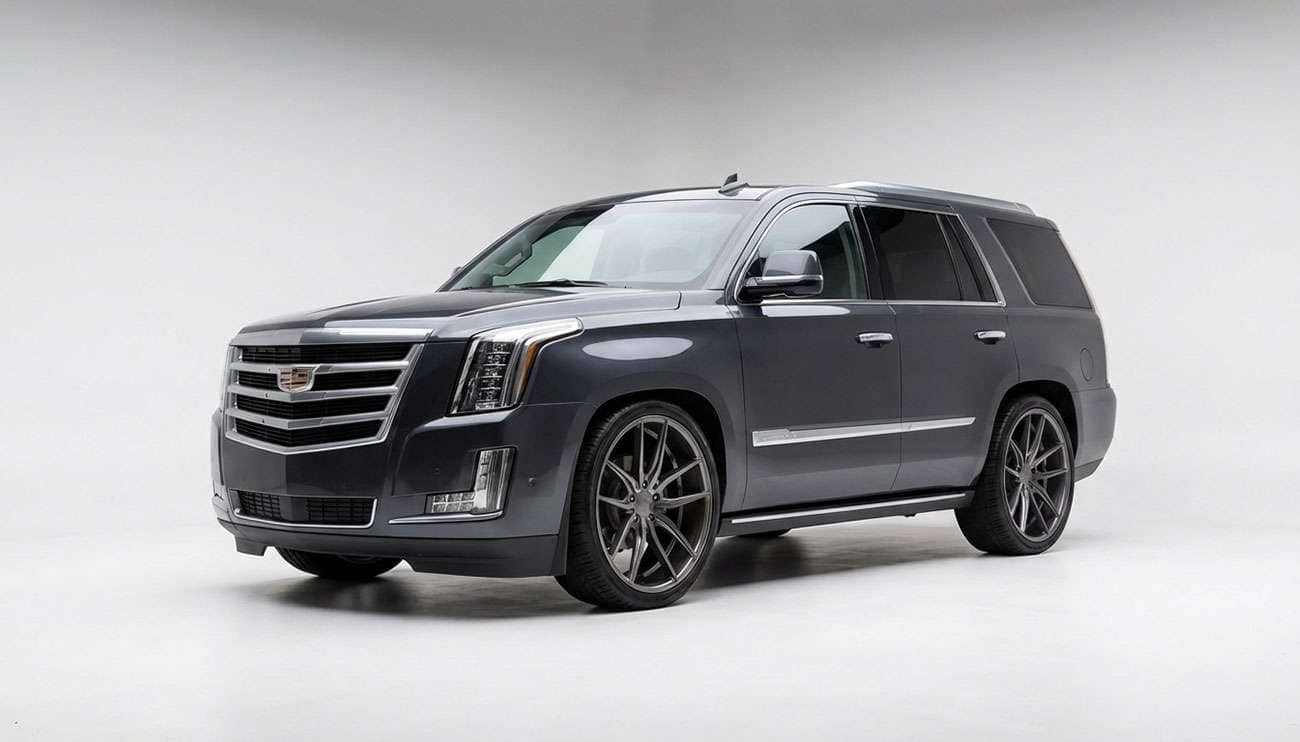
Escalade aftermarket wheels have become essential upgrades for owners seeking enhanced style and performance. Popular sizes like 22-inch and 24-inch models dominate the market, with some enthusiasts choosing 26-inch or even 30-inch options for show-stopping appearances.
Selecting the right escalade wheels involves understanding critical specifications beyond just visual appeal. You need to know your escalade bolt pattern (6x139.7mm for most 2007+ models), proper offset requirements, and how cadillac escalade wheels 24 inch choices impact your cadillac escalade tire size compatibility. We've developed this guide to help you choose escalade rims with confidence, ensuring proper fitment without clearance problems or performance issues.
Understanding Escalade wheel specifications is essential before making any purchase. These technical details determine whether your chosen wheels will fit properly and perform as expected.
The 6x139.7mm bolt pattern remains consistent across all Escalade generations from 1999 through 2026. This measurement, also expressed as 6x5.5 inches, refers to six lug holes positioned 139.7mm apart on the pitch circle diameter. This consistency means escalade wheels from a 2007 model will physically mount on a 2024 model, though proper fitment requires verifying additional specifications.
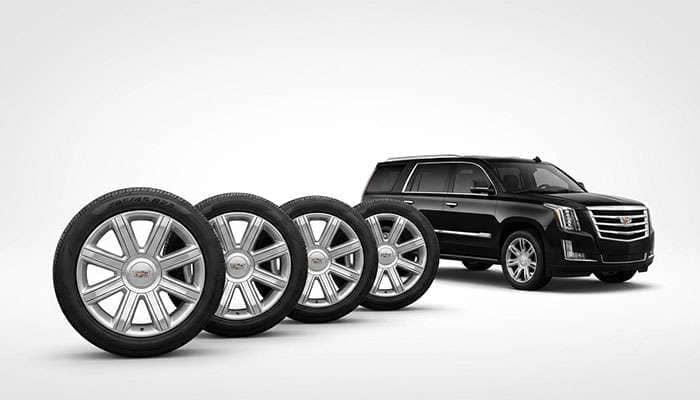
Factory Escalade wheels typically measure 22 inches in diameter with a 9-inch width across most trim levels. The 2021-2024 generation includes seven different 22-inch wheel designs that vary in finish and spoke patterns while maintaining identical diameter specifications. Aftermarket options commonly extend to 24-inch and 26-inch diameters. Larger sizes reduce sidewall height and change ride characteristics significantly.
Offset measures the distance from the wheel's centerline to its mounting surface in millimeters. Factory Escalade specifications range from +24mm to +28mm depending on model year. Positive offset positions the mounting surface toward the wheel's outer face, keeping escalade rims positioned closer to suspension components. Lower offset values push wheels outward, creating a wider stance but potentially increasing stress on wheel bearings.
Backspacing measures from the mounting surface to the wheel's inner edge in inches. A 9-inch wide wheel with +24mm offset (approximately 1 inch) calculates to roughly 5.5 inches of backspacing. These two measurements are directly related - changing one proportionally affects the other.
The Escalade hub measures 78.1mm in diameter. OEM wheels match this dimension exactly for hub-centric fitment, where the hub bears vehicle weight instead of relying solely on lug nuts. Most aftermarket wheels feature larger center bores to accommodate multiple vehicle platforms, requiring hub-centric rings to eliminate the size gap.
Hub-centric rings are critical for proper installation. Without them, wheels rely on lug-centric mounting, which causes vibration and excessive bearing wear. Polycarbonate rings measuring 106.10mm outer diameter and 78.10mm inner diameter adapt aftermarket wheels to Escalade hubs. These rings center the wheel during installation, preventing vibrations that persist even with properly torqued lug nuts.
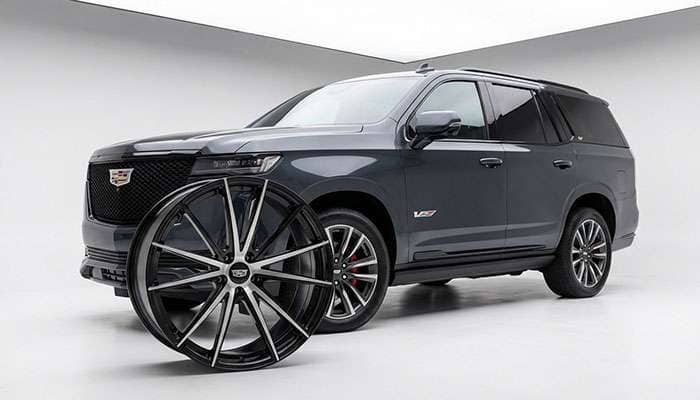
Replica escalade wheels deliver factory appearance while offering significant cost savings over original equipment. These wheels match OEM specifications for the escalade bolt pattern and center bore, providing authentic styling at budget-friendly prices. Replica options cover multiple Escalade generations, from Platinum-style designs to Sport-trim patterns, all engineered for direct bolt-on installation without modifications.
Performance enthusiasts choose hybrid forged construction that combines cast spoke faces with forged-like barrels for reduced weight and enhanced structural integrity. Brands like Vossen manufacture these wheels in TUV-verified facilities, custom-machining each wheel to match specific bolt patterns and offsets. These custom cadillac escalade wheels work with stock-height vehicles running factory 35-inch tires or lifted setups needing 22-inch wheels for off-road tire combinations.
Cast wheels make up 90% of factory-equipped options, created by pouring molten aluminum into precision molds. Low-pressure casting produces denser wheel structures than gravity casting methods. Forged wheels use extreme heat and pressure to compress aerospace-grade 6061-T6 aluminum into designs that weigh 25-30% less than cast equivalents in identical sizes. Flow-formed wheels offer a middle ground, using rotary machines to press cast barrels into forged-like properties at competitive price points.
Escalade rims finishes range from chrome-plated surfaces with mirror-like reflectivity to powder-coated options that resist chips and scratches. Machined clear-coated wheels display metallic luster with protective sealant, while PVD (physical vapor deposition) finishes match chrome brilliance without environmental concerns. Chrome finishes need frequent cleaning to prevent pitting from road salt, while powder-coated surfaces resist chemicals and UV exposure more effectively.
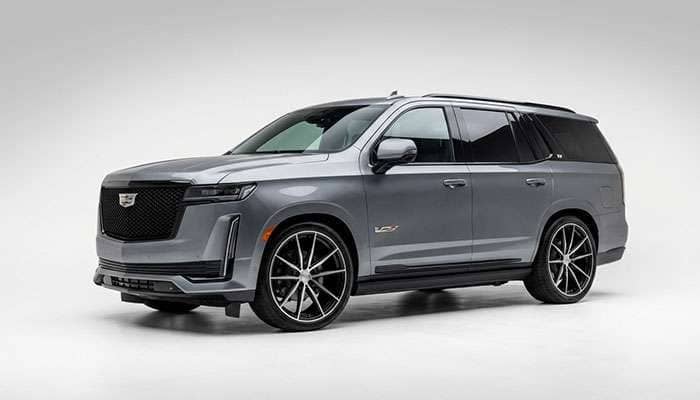
Choosing cadillac escalade aftermarket wheels requires careful evaluation beyond visual appeal. Follow these six essential steps to ensure proper fitment and avoid expensive mistakes.
Wheel specifications differ between ESV and standard versions, making accurate identification crucial. Check your vehicle identification number against factory documentation. This verification prevents ordering wheels that won't clear suspension components or brake calipers specific to your configuration.
Factory setups range from 18-inch base models to 22-inch premium trims. Show trucks and lifted builds often choose 26x10 wheels paired with 305/30R26 tires. Stock suspension limits diameter increases, while leveled builds accommodate 24-inch options without rubbing.
Calculate required load capacity by dividing your vehicle's heaviest gross axle weight rating by two. Each wheel must meet or exceed this figure. Never assume tire load ratings compensate for insufficient wheel capacity, as both components must independently satisfy requirements. Verify load ratings match your GVWR specifications.
Most builds use +25mm to +35mm offset for flush fitment. Larger offset values push wheels inward, while lower offsets create wider, more aggressive stances. Leveled setups running 20x10 wheels typically spec 0 to +20mm offset.
Match tire sizes to wheel dimensions for proper speedometer calibration. Rugged A/T tires pair well with 20-inch or 22-inch wheels for off-road appearance. OE combinations like 275/50R22 on 9Jx22 ET28 wheels provide baseline references.
Research manufacturer certifications and warranty coverage before purchasing. Explore verified options at Performance Plus Tire's Escalade wheel collection where specifications match factory requirements. Check return policies, as some retailers exclude mounted wheels.
Fitment issues can occur even when specifications appear correct on paper. Knowing these common problems helps you avoid installation delays and costly corrections.
Tire contact with suspension components or wheel wells creates rubbing problems during turning or suspension compression. Incorrect wheel offset causes inward rubbing against control arms. Worn control arm bushings alter suspension geometry, creating clearance issues even with properly specified wheels. Rubbing on one side only typically indicates manufacturing tolerance differences between left and right suspension components. Most contact problems resolve through offset adjustments or replacing worn bushings.
Escalade TPMS systems require stationary relearn procedures using specialized tools or specific button sequences. GM changed from 315mhz sensors to 433mhz frequency mid-2019, making verification critical for compatibility. OEM sensors (GM part numbers 13542523 or 13533166) cost approximately $38-52 each and eliminate frequency compatibility issues. Wheels without TPMS sensors trigger constant dashboard warning lights[313]. Tire shops charge additional labor for relearn procedures.
Lowering kits need 18-inch minimum wheel diameter for brake caliper clearance. Air ride systems work with both 2WD and 4WD configurations, but 4WD air ride models can experience front CV axle clearance problems.
Smaller diameter wheels like 18-inch or 19-inch provide extra sidewall height for winter driving conditions. Winter wheel sets require dedicated TPMS sensors and stationary relearn procedures during seasonal changeovers.
Perfect Escalade wheel selection combines technical knowledge with practical application. Understanding bolt patterns, offset requirements, and load specifications prevents expensive fitment problems and ensures your investment delivers both style and performance.
At Performance Plus Tire, we carry verified Escalade wheel options engineered to meet factory requirements while offering the custom appearance you want. Our selection includes wheels tested for proper fitment across all Escalade generations, eliminating guesswork from your purchase decision.
Ready to upgrade your Escalade? Choose wheels that deliver perfect fitment and lasting performance. Your vehicle deserves the best selection at the best prices, backed by expertise you can trust.
Master these essential specifications and selection steps to choose Cadillac Escalade aftermarket wheels that deliver perfect fitment and performance without costly mistakes.
• Verify critical specs first: All Escalades use 6x139.7mm bolt pattern and 78.1mm center bore - confirm your model year's offset (+24mm to +28mm) and load rating requirements before purchasing.
• Follow the 6-step selection process: Verify trim level, determine size goals, check load ratings, select proper offset, ensure tire compatibility, and research brand reputation.
• Avoid common fitment issues: Use hub-centric rings for aftermarket wheels, verify TPMS sensor compatibility (315mhz vs 433mhz), and check suspension clearance to prevent rubbing.
• Choose construction wisely: Forged wheels offer 25-30% weight reduction over cast options, while flow-formed wheels provide middle-ground performance at intermediate pricing.
• Consider your driving needs: Factory 22-inch wheels suit daily driving, while 24-26 inch options work for show builds - larger sizes reduce sidewall height and alter ride quality.
Proper wheel selection requires balancing esthetics with technical specifications. When specifications align correctly, your Escalade will maintain factory performance while achieving your desired appearance goals.
All Escalade models from 1999 through 2026 use a 6x139.7mm bolt pattern (also expressed as 6x5.5 inches). This consistency means wheels from older models will physically bolt onto newer models, though you still need to verify other fitment specifications like offset and center bore.
Yes, 28-inch wheels can fit on an Escalade, though this size is considered extreme and will significantly reduce sidewall height. Most aftermarket setups range from 22 to 26 inches, with 24-inch being a popular choice. Larger wheels alter ride characteristics and may require suspension modifications to prevent clearance issues.
Forged wheels are manufactured using extreme heat and pressure, making them 25-30% lighter than cast wheels of the same size. Cast wheels are made by pouring molten aluminum into molds and represent 90% of factory-equipped wheels. Flow-formed wheels offer a middle ground, providing forged-like properties at intermediate pricing.
Yes, most aftermarket wheels require hub-centric rings because they have larger center bores than the Escalade's 78.1mm hub diameter. Without these rings (typically 106.10mm outer diameter and 78.10mm inner diameter), your wheels will rely on lug-centric mounting, which can cause vibrations and excessive bearing wear.
GM switched from 315mhz to 433mhz TPMS sensors mid-2019. You need to verify which frequency your specific model year uses before purchasing aftermarket wheels with sensors. Using the wrong frequency will trigger dashboard warning lights and prevent proper tire pressure monitoring.



