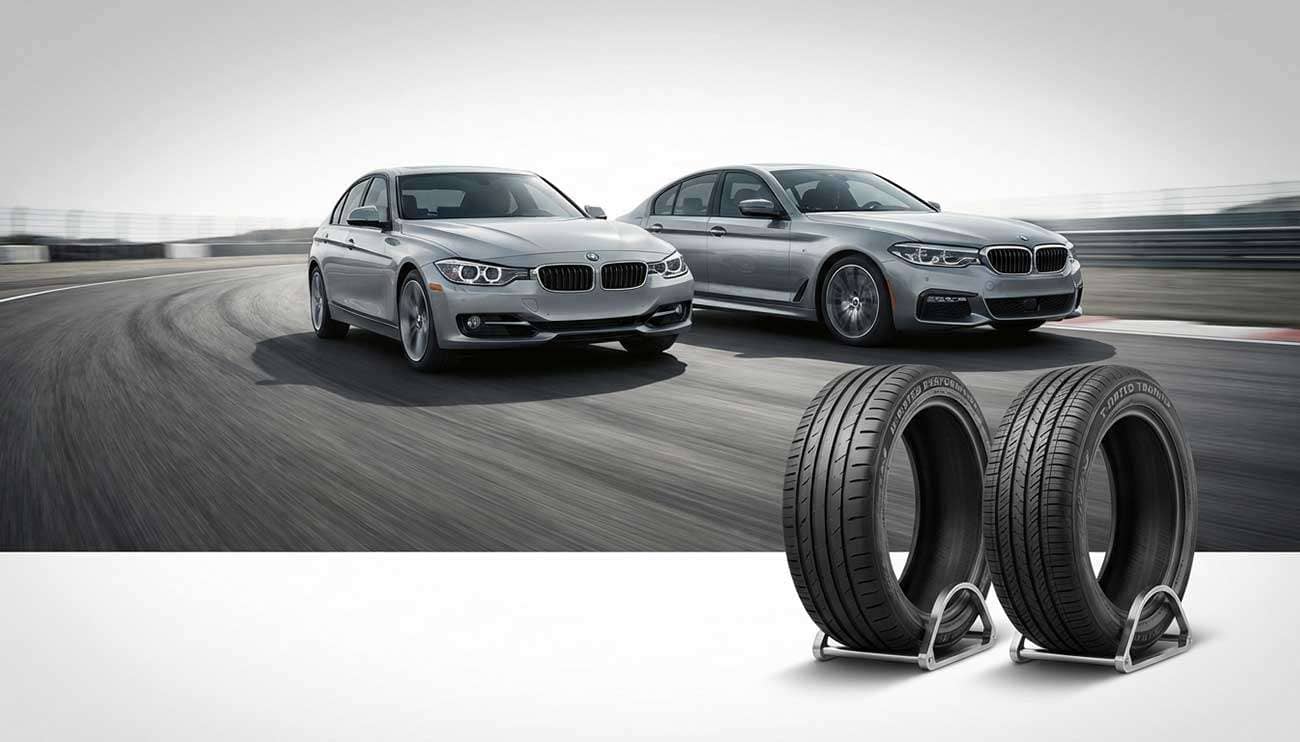
H-rated and T-rated tires represent two of the most common speed ratings you'll encounter when shopping for new tires. H-rated tires support speeds up to 130 mph, while T-rated options max out at 118 mph. These numbers might seem irrelevant for daily driving, but the differences between these ratings affect far more than just top speed capabilities.
The choice between H and T ratings impacts your vehicle's handling, comfort, durability, and your wallet. H-rated tires deliver superior performance for sport sedans, coupes, and light trucks that demand responsive handling and heat resistance. T-rated tires excel in family sedans, minivans, and vehicles where ride comfort and long tread life matter most. Speed ratings determine the maximum velocity a tire can safely sustain before its performance deteriorates.
Your driving style, vehicle type, and priorities should guide this decision. Performance enthusiasts who value precise cornering and responsive steering will appreciate H-rated capabilities. Drivers focused on comfort, fuel economy, and getting maximum miles from their tire investment often find T-rated options more appealing.
We'll show you exactly how these ratings affect your daily driving experience, what performance differences you can expect, and which option makes the most sense for your specific needs. Whether you're replacing worn tires or upgrading for better performance, understanding H vs T tire differences helps you make the right choice for your vehicle and budget.
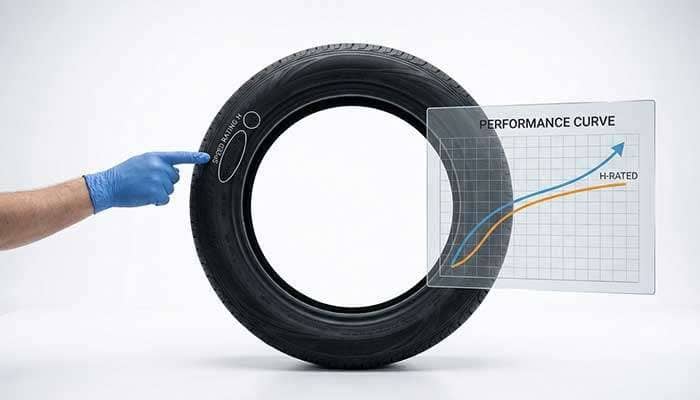
Speed ratings tell you more than just how fast you can drive. They reveal how much heat a tire can handle during sustained high-speed use. These ratings originated in Europe during the 1960s when vehicles started getting more powerful.
H-rated tires break the alphabetical pattern you'll see on most rating charts. The "H" originally stood for "high performance". These tires can run continuously at speeds up to 130 mph, giving you a solid safety margin for highway driving. T-rated tires support sustained speeds up to 118 mph, which still exceeds speed limits across most of the country.
Vehicle manufacturers match tire ratings to their intended use. Sport sedans, coupes, and performance SUVs typically come with H-rated tires because these vehicles need the extra handling capability. Family sedans, minivans, and comfort-focused vehicles usually get T-rated tires. Automakers test extensively to determine which rating works best for each vehicle.
The construction differences between these ratings matter for real-world performance. H-rated tires use stronger internal structures, often featuring nylon cap plies across the full belt width to handle the forces generated at higher speeds. This stronger construction provides better heat resistance when you're driving fast for extended periods.
This enhanced construction translates into noticeable performance gains. H-rated tires give you more precise cornering, quicker steering response, and typically shorter braking distances. T-rated tires trade some of this performance for a smoother, more comfortable ride that many drivers prefer for daily commuting.
Neither rating is automatically better than the other. Your choice depends on what matters most for your specific driving needs and vehicle type.
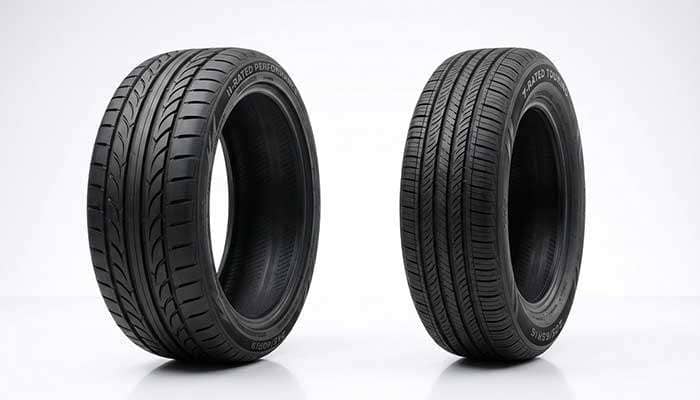
Real-world driving reveals the true differences between H and T rated tires. These performance gaps affect your daily experience behind the wheel, from morning commutes to weekend road trips.
H-rated tires deliver noticeably sharper handling through corners. Their softer rubber compounds provide superior grip, creating precise turns and responsive steering that performance drivers appreciate. When you turn the wheel, H-rated tires respond immediately with enhanced stability, particularly during spirited driving situations. T-rated tires handle adequately for everyday driving scenarios where aggressive cornering isn't necessary.
Emergency stopping reveals critical safety differences in the h vs t tire speed rating comparison. H-rated tires stop shorter distances under hard braking, providing crucial advantages during emergency maneuvers or slippery conditions. Test results show lower-rated tires can require up to 4 meters (13 feet) additional stopping distance - a significant gap that could prevent accidents.
T-rated tires excel where comfort matters most. Their construction emphasizes a smooth, cushioned ride experience that daily commuters value highly. H-rated options use stiffer sidewalls to minimize flex at higher speeds, creating a firmer road feel. Family vehicles benefit from T-rated comfort characteristics, especially on longer trips with passengers.
Quiet operation gives T-rated tires another advantage. Their tread designs and compounds prioritize reduced road noise over maximum performance grip. Since tire noise dominates cabin sound above 35 mph, this quiet operation enhances the driving experience significantly. T-rated tires also improve fuel economy through lower rolling resistance, delivering measurable savings at the gas pump over time.
When it comes to long-term value, T-rated tires offer substantial advantages that smart shoppers appreciate. These practical considerations often matter more than performance specifications for everyday drivers.
T-rated tires deliver exceptional durability that translates into real savings. Consumer Reports testing shows T-rated options averaging 61,080 miles compared to just 49,180 miles for H-rated alternatives. This impressive 24% longevity advantage means fewer tire replacements over your vehicle's lifetime. T-rated tires achieve this extended life through harder rubber compounds optimized for daily driving rather than high-performance demands.
Budget-conscious drivers benefit from T-rated tires' lower purchase prices and extended service life. Popular T-rated models like the Falken Sincera SN250 A/S start around $76, offering excellent value from day one. When you factor in their longer tread life, the cost-per-mile advantage becomes even more compelling. You'll pay less upfront and replace your tires less frequently.
Manufacturers back T-rated tires with generous warranty coverage that reflects their confidence in durability. The Pirelli P4 Persist AS Plus includes an outstanding 85,000-mile warranty, while the Michelin Defender T+H offers 80,000-mile coverage. These warranties require regular maintenance and rotation every 5,000-7,500 miles and remain valid until tread depth reaches 2/32nds of an inch. Such extensive warranty protection demonstrates the superior longevity T-rated tires provide.
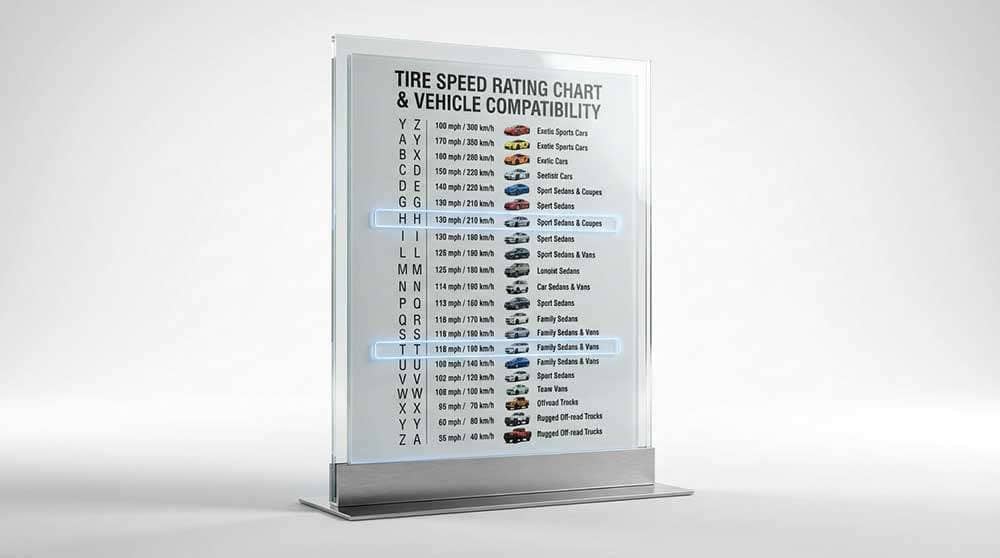
Choosing the right speed rating comes down to matching your driving style with your vehicle's intended use. We've helped thousands of customers make this decision, and the right choice becomes clear when you consider your priorities.
H-rated tires deliver the performance edge that enthusiast drivers appreciate. Sport sedans, coupes, and performance-oriented light trucks benefit most from the enhanced handling and heat resistance these tires provide. If you frequently drive highways at speed or enjoy spirited cornering, H-rated tires offer the stability and responsiveness you'll notice immediately.
Family-focused drivers find T-rated tires provide exactly what they need most. Minivans, family sedans, and crossovers excel with T-rated options that prioritize comfort and longevity over maximum performance. When your driving centers around daily commuting and family hauling, T-rated tires deliver better value through extended tread life and lower overall costs.
The Hankook Ventus V2 Concept2 combines performance with a solid 45,000-mile warranty. Its advanced silica compound provides excellent wet and dry traction with the responsive steering that performance drivers demand. The Atlander ROVERSTAR H/T offers highway-focused performance with superior hydroplaning resistance and the same 45,000-mile coverage.
The Pirelli P4 Persist AS Plus stands out with an exceptional 85,000-mile warranty. Designed specifically for sedans, coupes, and minivans, it excels in wet weather while providing the quiet, comfortable ride families prefer. The Falken Sincera SN250 A/S delivers outstanding durability with an 80,000-mile warranty and the smooth ride quality that makes long commutes more enjoyable.
At Performance Plus Tire, we carry the best selection of both H-rated and T-rated tires at the lowest prices. Our expert team can help you find the perfect match for your vehicle and driving style. Visit https://www.performanceplustire.com/ to explore our huge selection from all the top brands.
When choosing between H-rated and T-rated tires, this quick reference guide helps you compare the key differences at a glance. We've compiled the most important characteristics that affect your driving experience and ownership costs.
Characteristic |
H-Rated Tires |
T-Rated Tires |
|---|---|---|
Maximum Speed |
130 mph |
118 mph |
Typical Vehicle Applications |
Sport sedans, coupes, performance-oriented SUVs |
Family sedans, minivans, comfort-oriented vehicles |
Handling Characteristics |
Superior cornering precision, more responsive steering |
Adequate for standard everyday driving |
Ride Comfort |
Firmer ride, stiffer casing |
Softer, more plush ride |
Average Tread Life |
49,180 miles |
61,080 miles |
Road Noise |
Higher |
Lower |
Fuel Efficiency |
Lower |
Better (due to reduced rolling resistance) |
Typical Warranty Coverage |
~45,000 miles |
Up to 85,000 miles |
Popular Models |
- Hankook Ventus V2 Concept2 |
- Pirelli P4 Persist AS Plus |
Starting Price Example |
Not mentioned |
Around $76 (Falken Sincera SN250) |
This comparison shows why T-rated tires often provide better value for most drivers. The 24% longer tread life combined with lower upfront costs makes T-rated options particularly appealing for budget-conscious vehicle owners. However, performance enthusiasts who prioritize responsive handling and don't mind more frequent replacements will find H-rated tires worth the investment.
The choice between H and T-rated tires comes down to matching your specific driving needs with the right performance characteristics. H-rated tires deliver the responsive handling and speed capabilities that performance vehicle owners demand. T-rated tires provide the comfort, longevity, and value that make them ideal for family vehicles and daily commuters.
Your vehicle type and driving habits should guide this decision. Sport sedan and coupe owners who enjoy spirited driving will appreciate H-rated performance advantages. Family vehicle owners prioritizing comfort, quiet operation, and maximum tire life will find T-rated options more suitable.
The cost equation strongly favors T-rated tires for budget-conscious drivers. With 24% longer tread life and lower initial prices, T-rated tires deliver superior value over their lifetime. Performance enthusiasts should weigh these cost factors against their handling and response requirements.
Safety considerations apply regardless of your choice. Always match or exceed your vehicle manufacturer's minimum speed rating requirements. Never downgrade from your original equipment specifications, as this can affect vehicle stability and insurance coverage.
At Performance Plus Tire, we carry the best selection of both H and T-rated tires at competitive prices. Our expert team can help you find the perfect match for your vehicle and driving style. Whether you choose the performance advantages of H-rated models or the value benefits of T-rated options, we ensure proper fitment and long-term satisfaction.
Find your ideal H or T-rated tires at Performance Plus Tire where we combine expert guidance with competitive pricing to deliver the best tire solution for your needs.
Understanding the difference between H and T tire speed ratings helps you choose the right tires for your driving style, vehicle type, and budget priorities.
The key is matching your tire choice to your actual driving needs rather than assuming higher ratings are always better. Most drivers benefit more from T-rated tires' longevity and comfort advantages.
H-rated tires are designed for speeds up to 130 mph, while T-rated tires are rated for speeds up to 118 mph. H-rated tires generally offer better handling and performance, while T-rated tires typically provide better comfort, fuel efficiency, and longevity.
H-rated tires are ideal for sport sedans, coupes, and performance-oriented SUVs. T-rated tires are better suited for family sedans, minivans, and vehicles where comfort and longevity are priorities.
T-rated tires generally last longer than H-rated tires. On average, T-rated tires can last up to 61,080 miles, while H-rated tires typically last around 49,180 miles.
Generally, H-rated tires tend to be more expensive than T-rated tires. T-rated tires often offer better value in terms of initial cost and longevity, making them a more budget-friendly option for many drivers.
H-rated tires typically provide better handling, more responsive steering, and improved cornering performance. T-rated tires usually offer a softer, more comfortable ride with less road noise, making them ideal for everyday driving and long trips.