

Understanding tire speed ratings is essential before making a tire purchase decision. H and V rated tires represent two of the most common speed classifications you'll encounter, each designed for specific driving needs and vehicle types.
H-rated tires are tested to perform safely at speeds up to 130 mph, while V-rated tires maintain their structural integrity at sustained speeds up to 149 mph. These ratings aren't just arbitrary letters – they indicate the maximum speed your tires can safely carry a load for extended periods under ideal conditions.
Speed ratings follow a letter system from A (the lowest) to Y (the highest), with each designation representing rigorous testing standards. When it comes to tire performance, higher speed ratings typically deliver better grip and stopping power, but this enhanced performance comes with a trade-off in tread life.
The choice between H and V rated tires depends on your driving priorities. H-rated tires excel in comfortable everyday commuting with their focus on durability and ride quality. V-rated tires offer a sportier driving experience with superior grip and handling characteristics designed for speeds up to 149 mph.
Your driving style, vehicle type, and performance expectations determine which speed rating serves you best. Daily commuters who value comfort and longevity will find H-rated tires meet their needs perfectly. Performance enthusiasts seeking responsive handling and enhanced grip will appreciate what V-rated tires bring to their driving experience.
We'll guide you through the key differences between these popular tire speed ratings, helping you select the option that matches your specific requirements and delivers the best value for your driving situation.
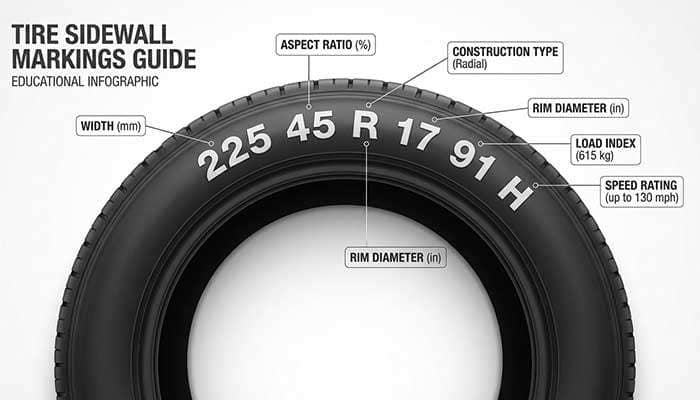
Speed ratings serve as a critical safety specification that every driver should understand before purchasing tires. These alphabetical designations reveal important performance capabilities that directly affect your vehicle's handling and safety characteristics.
Speed ratings indicate the maximum speed at which a tire can safely carry its maximum load for a sustained period under ideal conditions. These ratings reflect a tire's ability to withstand or dissipate heat at high speeds rather than simply suggesting how fast you can drive.
Every speed rating emerges from rigorous laboratory testing with simulated speeds and loads. To receive any rating, a tire must demonstrate capability of sustaining a particular speed. Laboratory conditions cannot simulate every real-world situation, however. Your actual safe driving speed depends on numerous factors including tire inflation, wear, road conditions, weather, and vehicle condition.
Speed ratings become invalid for tires that have been damaged, altered, under-inflated, overloaded, or repaired. A properly repaired punctured tire has a maximum speed capability of only 85 mph regardless of its original rating.
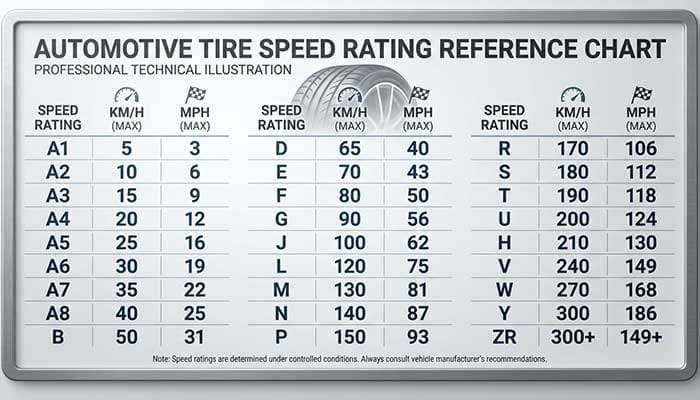
The modern speed rating system uses letters from A through Z, with each corresponding to a specific maximum speed. The ratings generally increase alphabetically, but there are exceptions - notably the H rating, which appears between U and V rather than after G.
Key speed ratings for our H vs V comparison:
H rating: Maximum speed of 130 mph (210 kph) - typically found on sport sedans and coupes
V rating: Maximum speed of 149 mph (240 kph) - once the highest possible rating
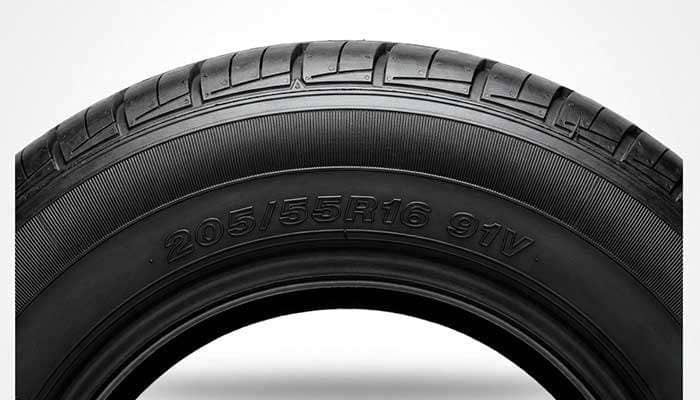
Finding your tire's speed rating is straightforward - it appears as the last character in the tire's size code. For example, in "P225/60R16 97V," the "V" indicates the speed rating.
You can locate this information in several places:
In your vehicle's owner's manual
On a sticker in the driver's side doorjamb
Inside the glove box door
On the gas tank hatch
The speed rating appears after the load index as part of the tire's service description on the sidewall. This standardized placement helps you verify your tires meet the manufacturer's specifications.
Speed ratings generally exceed legal speed limits, but they should never be interpreted as recommended travel speeds. Always choose tires with speed ratings that match or exceed your vehicle manufacturer's specifications to maintain proper handling characteristics and safety.
The differences between H and V rated tires extend far beyond their speed capabilities. These distinctions affect your vehicle's performance, comfort, and long-term value in ways that matter for everyday driving.
H-rated tires maintain structural integrity at speeds up to 130 mph (210 km/h). V-rated tires perform safely at speeds reaching 149 mph (240 km/h). This 19 mph difference represents significant engineering variations in tire construction and heat dissipation capabilities.
The H rating holds a unique position in the speed rating system. Unlike other ratings, H appears between U and V rather than following alphabetical order, a holdover from when H originally stood for "high performance".
V-rated tires feature reinforced sidewall construction designed for stability at higher speeds. This stiffer structure prevents excessive flexing during aggressive maneuvers. H-rated tires use softer sidewall construction that absorbs road imperfections more effectively, delivering superior ride comfort over uneven surfaces.
The sidewall design directly impacts your driving experience. H-rated tires excel at smoothing out road irregularities, making them the better choice for daily commuting and long-distance travel.
V-rated tires deliver exceptional handling precision and cornering grip through their specialized construction. Their stiffer sidewalls minimize tire deformation during hard cornering, creating more responsive steering and better road feedback. Performance testing shows higher-rated tires can stop up to 4 meters shorter from 100 km/h compared to lower-rated alternatives.
H-rated tires typically last longer, averaging approximately 61,080 miles compared to 48,260 miles for V-rated tires. This advantage comes from harder rubber compounds optimized for everyday driving rather than maximum grip.
V-rated tires use softer compounds that prioritize road adhesion over longevity. This trade-off becomes crucial when evaluating overall value and replacement frequency.
H-rated tires work well for passenger cars, family sedans, crossovers, and SUVs. They provide balanced performance with emphasis on comfort and durability for typical driving needs.
V-rated tires suit sports cars, performance sedans, high-end coupes, and luxury vehicles. Their enhanced grip and responsive handling complement vehicles designed for spirited driving.
Your choice should match your driving style and vehicle requirements rather than simply selecting the highest available rating.
When selecting between these speed ratings, understanding the practical trade-offs helps you make the right choice for your specific needs and budget.
H-rated tires excel in areas that matter most to daily drivers. These tires deliver a quieter, more comfortable ride thanks to their flexible sidewall construction that absorbs road imperfections effectively. The result is a driving experience that reduces fatigue on longer trips and makes everyday commuting more pleasant.
Durability represents another significant advantage. Consumer Reports testing shows H-rated tires average 49,180 miles of tread life compared to 48,260 miles for V-rated alternatives. This extended lifespan translates to fewer tire replacements and better long-term value.
Key benefits include: • Superior ride comfort and noise reduction • Longer tread life for better value • Solid all-season performance capabilities • Lower maintenance requirements • Ideal match for family sedans and passenger vehicles
V-rated tires deliver the enhanced performance that driving enthusiasts demand. Their specialized construction provides superior grip and handling capabilities that become noticeable during spirited driving. The stiffer sidewall design minimizes flex during cornering, resulting in more precise steering response and better road feedback.
These performance advantages come from advanced rubber compounds and reinforced construction that maintain tire integrity even during aggressive driving maneuvers. The result is a more connected driving experience with enhanced safety margins.
Performance advantages include: • Superior handling and cornering grip • Enhanced braking performance • More responsive steering feel • Better high-speed stability • Optimal for sports cars and performance vehicles
Price differences between these ratings can reach $20 per tire, but the complete cost picture includes replacement frequency. H-rated tires typically last 20% longer, often providing better overall value despite any initial price differences.
Maintenance requirements differ significantly. V-rated tires need more frequent rotation and alignment checks due to their softer compounds that wear faster. H-rated tires require less maintenance attention throughout their extended service life.
Your driving priorities determine which option delivers the best value. Comfort-focused commuters benefit most from H-rated durability and comfort, while performance enthusiasts may find V-rated capabilities worth the additional cost and maintenance requirements.
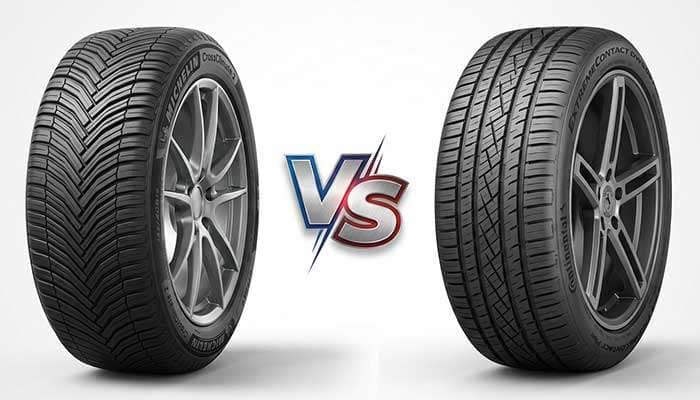
At Performance Plus Tire, we carry the best selection of both H and V rated tires from all the top brands. Our extensive inventory includes premium options that deliver exceptional value across both speed rating categories.
The Michelin Primacy Tour A/S represents one of our most popular H-rated selections for luxury vehicle owners. This grand touring tire comes with a 55,000-mile treadwear warranty and delivers superior noise reduction along with exceptional ride quality. Starting at around $163 per tire, customers frequently report impressive longevity with some sets lasting up to 77,600 miles.
Continental's PureContact LS stands out as another excellent H-rated choice, particularly for drivers who encounter wet road conditions. We recommend this tire for its best-in-class wet braking performance and extended tread life, with pricing starting at approximately $149 per tire. Continental backs this tire with a 70,000-mile limited warranty and offers a 60-day trial period.
The Goodyear Eagle Sport All-Season delivers responsive handling combined with practical all-season capabilities. Its asymmetric tread pattern provides enhanced grip across various conditions, including light snow. Priced from $157 per tire with a 50,000-mile treadwear warranty, this tire features Goodyear's RaceWrap Construction Technology originally developed for NASCAR competition.
For exceptional value in V-rated tires, we highly recommend the Yokohama Avid Ascend GT. Starting at around $113 per tire, this tire features TriBLEND compound technology for enhanced traction and comes with up to a 65,000-mile limited treadwear warranty. The multi-pitch tread design ensures exceptional comfort and noise reduction without sacrificing performance.
We offer flexible financing options to make your tire purchase more affordable. Performance Plus Tire provides competitive installment plans for both H and V rated tire sets. Financing typically starts from approximately $3.50 weekly for a complete set of H-rated tires, while V-rated sets begin around $2.65 weekly. We also provide 60-day satisfaction guarantees, allowing you to test your purchase with complete confidence.
Our knowledgeable staff can guide you through the selection process and help you find the perfect tire that matches both your vehicle specifications and budget requirements.
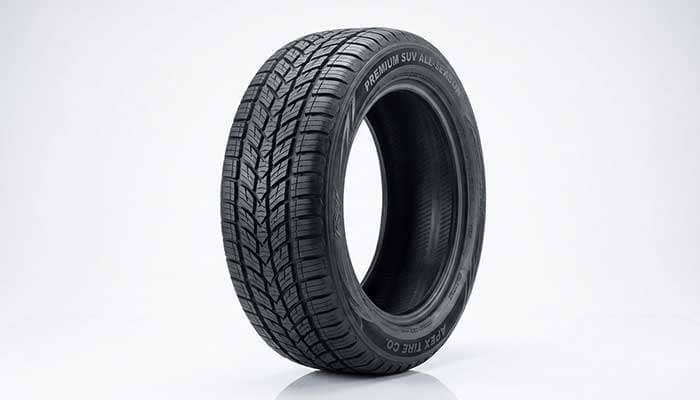
Choosing the right speed rating depends on matching your tire selection to your actual driving needs rather than simply picking the highest available option. The right choice ensures you get the best performance, safety, and value from your tire investment.
Your daily driving habits determine which speed rating serves you best. Daily commuters and family vehicle drivers will find H-rated tires provide all the performance they need with enhanced comfort and longer tread life. These tires work perfectly for sedans, minivans, and crossovers used primarily for everyday transportation.
Sports car owners and drivers who frequently travel at highway speeds should consider V-rated tires for their superior handling and heat resistance capabilities essential for sustained higher-speed driving.
Weather conditions play a significant role in your tire selection process. H-rated tires often deliver better performance across varying weather conditions, including light snow and rain situations. When selecting winter tires, you can choose a lower speed rating than your summer tires since winter driving typically involves reduced speeds.
We don't recommend mixing different speed ratings on your vehicle. When unavoidable, your vehicle's safe maximum speed becomes limited to the lowest-rated tire on your car. Most manufacturers recommend installing tires with matching speed ratings. If you must mount different rated tires, place the lower-speed-rated ones on the front axle to prevent oversteering.
Before making your final tire selection, consider consulting with tire experts at Performance Plus Tire for personalized recommendations based on your specific vehicle and driving requirements.
When comparing H and V rated tires, specific performance characteristics and cost factors help determine which option fits your needs. This breakdown highlights the key differences between these popular speed ratings.
Characteristic |
H-Rated Tires |
V-Rated Tires |
|---|---|---|
Maximum Speed |
130 mph (210 kph) |
149 mph (240 kph) |
Average Tread Life |
61,080 miles |
48,260 miles |
Sidewall Construction |
Softer, more flexible |
Stiffer construction |
Ride Comfort |
Superior shock absorption, quieter ride |
Firmer ride, less comfort-oriented |
Handling Characteristics |
Balanced everyday performance |
Superior grip, better cornering, more responsive steering |
Typical Vehicle Types |
Passenger cars, family sedans, crossovers, SUVs |
Sports cars, performance sedans, high-end coupes, luxury vehicles |
Maintenance Requirements |
Lower maintenance needs |
More frequent rotation and alignment checks |
Starting Price Range* |
Around $163 (Michelin Primacy Tour A/S) |
Around $157 (Goodyear Eagle Sport) |
Primary Advantages |
- Longer tread life |
- Superior handling |
Primary Disadvantages |
- Less responsive handling |
- Shorter tread life |
*Based on specific models mentioned in the article
The data shows clear trade-offs between comfort and performance. H-rated tires deliver 27% longer tread life on average, making them more economical for drivers who prioritize durability. V-rated tires sacrifice longevity for enhanced handling capabilities that performance-focused drivers value.
Your vehicle type often determines the most suitable choice. Family vehicles benefit from H-rated comfort and longevity, while sports cars require V-rated performance characteristics to match their design intentions.
The choice between H and V rated tires comes down to matching your specific driving needs with the right performance characteristics. H-rated tires excel for daily commuters and family vehicles, delivering superior comfort and longer tread life that averages 61,080 miles. V-rated tires serve performance enthusiasts who prioritize handling precision and cornering grip, despite their shorter lifespan of approximately 48,260 miles.
Speed ratings indicate much more than maximum velocity capabilities. They represent fundamental differences in tire construction, ride quality, and durability that directly impact your driving experience. Most drivers will never approach the speed limits these ratings represent during normal road use.
Safety remains the most important consideration when selecting tires. Never downgrade from your manufacturer's recommended speed rating, as this can compromise your vehicle's handling characteristics and safety performance. Mixing different speed ratings limits your safe driving speed to that of the lowest-rated tire.
At Performance Plus Tire, our experienced technicians can help you select the perfect speed rating based on your specific vehicle and driving requirements. We understand that the best tire isn't necessarily the one with the highest speed rating, but the one that delivers the right combination of performance, comfort, and value for your particular situation.
Whether you choose the everyday comfort and longevity of H-rated tires or the responsive handling and grip of V-rated options, selecting the appropriate speed rating ensures optimal performance and safety throughout your tire's lifespan. The right choice depends on your priorities – comfort and durability for daily driving, or enhanced performance for spirited driving experiences.
Contact Performance Plus Tire today to find the perfect speed rating match for your vehicle and driving style.
Understanding the differences between H and V rated tires helps you make an informed decision that balances performance, comfort, and value for your specific driving needs.
• H-rated tires (130 mph) prioritize comfort and longevity, lasting 61,080 miles on average with softer sidewalls for better shock absorption and quieter rides.
• V-rated tires (149 mph) excel in performance and handling, offering superior grip and cornering capabilities but with shorter tread life at 48,260 miles average.
• Never downgrade from your manufacturer's recommended speed rating as this compromises vehicle handling characteristics and safety performance.
• H-rated tires cost less long-term due to extended tread life and lower maintenance needs, making them ideal for daily commuters and family vehicles.
• V-rated tires suit sports cars and performance enthusiasts who prioritize responsive steering, better braking, and enhanced cornering over comfort and longevity.
The key is matching your tire choice to your driving style rather than simply choosing the highest available speed rating. Daily commuters benefit most from H-rated comfort and durability, while performance drivers will appreciate V-rated handling capabilities despite the trade-offs in tread life and cost.
The primary difference is the maximum speed capability. H-rated tires are tested to perform at speeds up to 130 mph, while V-rated tires can handle speeds up to 149 mph. V-rated tires also typically offer better handling and grip, but H-rated tires generally provide a more comfortable ride and longer tread life.
Yes, you can generally replace H-rated tires with V-rated tires, as the V rating exceeds the H rating. However, it's crucial to consult your vehicle's specifications and consider factors like ride comfort, tread life, and cost. Always ensure the new tires meet or exceed the manufacturer's recommended speed rating.
H-rated tires typically offer a more comfortable ride with better shock absorption and longer tread life, making them ideal for daily commuting. V-rated tires provide superior handling, grip, and cornering performance, which is beneficial for sports cars and performance-oriented driving.
Generally, V-rated tires tend to be more expensive than H-rated tires due to their higher performance capabilities. However, when considering long-term value, H-rated tires often last longer and require less frequent replacement, potentially offering better overall value for everyday drivers.
Your choice should be based on your driving style, vehicle type, and manufacturer recommendations. If you prioritize comfort and longevity for daily commuting, H-rated tires might be ideal. For performance-oriented driving or sports cars, V-rated tires could be more suitable. Always check your vehicle's specifications and consult with tire experts for personalized advice.



