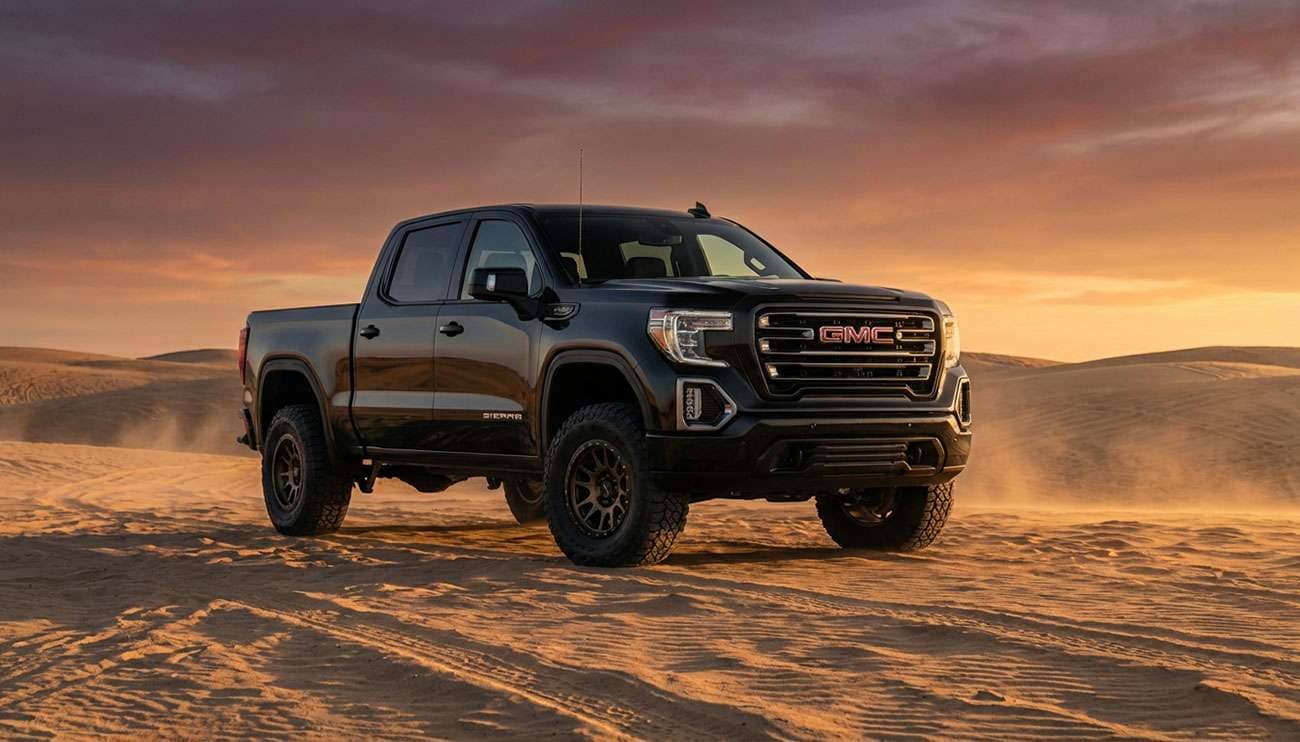
GMC Sierra 1500 aftermarket wheels require careful consideration of your truck's specific technical requirements. The fifth generation GMC Sierra 1500 (2019-present) uses a 6x5.5-inch wheel bolt pattern (or 6x139.7mm in metric) across all trim levels.
Your Sierra's wheel specifications determine what upgrades will work properly on your truck. Factory wheel sizes for the Sierra 1500 range from 17 to 22 inches in diameter and 7.5 to 9 inches in width. Many Sierra owners prefer 9-inch wide wheels for their custom builds. Larger 10 and 12-inch wide wheels work best on trucks with increased lift height.
Your truck has specific size limitations in stock configuration. The smallest tire size you can run is 245/70/17 (30.50 inch), while the largest factory option reaches 285/45/22 (32.10 inch). Most Sierra owners choose 33 or 35-inch tires when upgrading to aftermarket wheels. The factory offset range runs from 24mm to 31mm, and staying within these specifications helps ensure proper fitment.
Proper wheel selection requires understanding these key measurements. The wrong bolt pattern won't fit your truck at all. Incorrect offset can cause clearance problems with suspension components or create handling issues. Getting these specifications right means your new wheels will look great and perform exactly as intended.
Understanding wheel specifications prevents costly fitment mistakes and ensures optimal performance on your Sierra 1500. These technical measurements determine which aftermarket wheels will work properly with your truck's suspension and brake systems.
The bolt pattern determines which wheels physically bolt to your truck. GMC Sierra 1500s use a consistent 6x139.7mm bolt pattern across most generations. This measurement represents six lug nuts arranged in a circle with a 139.7mm diameter (6x5.5 inches in standard measurement).
Current fifth-generation Sierra 1500s (2019-present) maintain this 6x5.5-inch bolt pattern across all trim levels. Previous generations followed the same standard:
2007-2018 models: 6x139.7mm
1999-2006 models: 6x139.7mm
1988-1998 models: Both 5x127mm and 6x139.7mm patterns
Modern Sierra 1500s also feature a 78.1mm center bore (hub diameter). This specification must match your wheel's center bore for proper mounting and to prevent vibration issues.
Factory Sierra 1500 wheels vary by trim level and model year. Standard specifications include:
Wheel diameters: 17 to 20 inches
Wheel widths: 7.5 to 8.5 inches
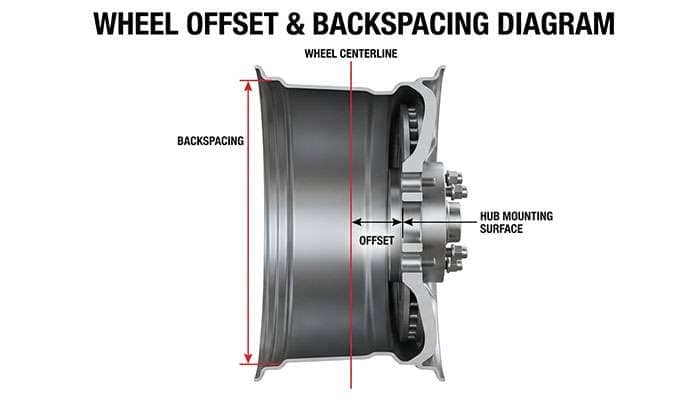
Factory offset typically ranges from +18mm to +27mm. Offset controls how the wheel positions relative to your suspension components and fenders. Positive offset moves the mounting surface toward the face of the wheel, keeping it closer to the truck. Negative offset pushes the wheel outward for a wider stance.
The 6x139.7mm pattern opens up substantial wheel options since several popular trucks share this specification:
Chevrolet Silverado 1500 (direct fit)
Toyota Tundra (verify hub bore compatibility)
Nissan Titan (check offset requirements)
Toyota Tacoma (confirm load rating)
However, the Sierra bolt pattern won't work with Ford F-150 (6x135mm) or RAM 1500 (5x139.7mm) wheels. Newer Sierra models (2019+) also need wheels designed to clear upgraded brake calipers, making this crucial even when bolt patterns match.
Proper fitment requires matching bolt pattern, center bore, and appropriate offset ranges. Getting all three specifications right ensures your wheels mount safely and perform as intended.
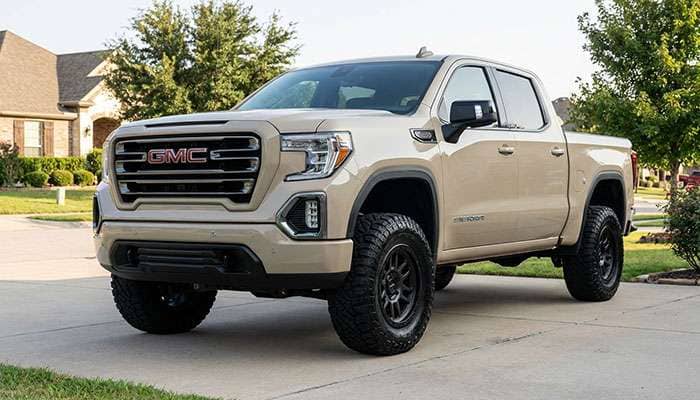
Finding wheels that actually fit your GMC Sierra 1500 requires more than just matching specifications. We see many truck owners struggle with fitment issues that could have been avoided with the right guidance.
Stock Sierra 1500s work well with tire sizes ranging from 255/70 to 275/55, depending on your model year. Factory wheel configurations include 17x7.5, 17x8, 18x8, and 20x9 setups.
These combinations work perfectly on stock suspension without modification:
20x9 +1mm wheels with 275/60 tires (confirmed on 2023 Sierra 1500 AT4X)
20x9 +1mm wheels with 305/55 tires (tested on 2019 models)
We recommend staying within the +18mm to +27mm offset range for stock fitment. Aggressive offsets cause clearance problems because they push wheels outward where space becomes limited.
Looking for wheels that fit your specific Sierra 1500? Performance Plus Tire's Sierra 1500 selection offers properly sized options engineered for your truck.
Leveling kits add 1.5" to 3" of height while maintaining factory ride quality. This creates room for more aggressive wheel and tire combinations:
20x9 +1mm wheels with 295/60 tires (Zone leveling kit)
20x9 +19mm wheels with 33x12.5 tires (Rough Country leveling kit)
Leveled trucks benefit from 0 to -12mm offset for that wider stance look. A 2-inch Rough Country kit accommodates 285/55R20 tires on 20x9 wheels without trimming. Most leveled Sierras handle 33-inch tires without major modifications.
Many truck owners assume all 20" wheels clear upgraded brakes. Performance brake packages need larger diameter wheels, so check compatibility before buying.
Wheel offset and suspension components work together as a system. Extreme negative offset puts serious stress on front-end parts. We've seen front ends fail within a year when owners install wheels with excessive negative offset.
Proper alignment after leveling kit installation prevents premature tire wear and handling problems. The easiest way to avoid fitment issues is choosing wheels and tires designed specifically for your setup.
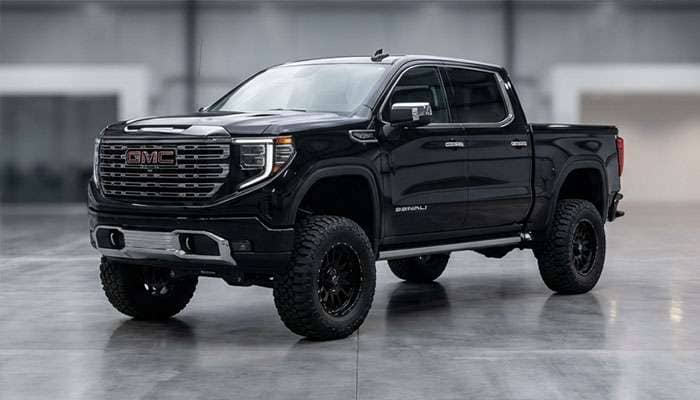
Lifted GMC Sierra 1500 builds unlock aggressive wheel and tire combinations that transform your truck's entire appearance and capability. The height of your suspension lift determines exactly what you can install without running into clearance problems.
Four-inch lifts allow most Sierra owners to run 35-inch tires with minimal modifications. We see these popular combinations working well:
20x10 wheels with -18mm offset paired with 295/55 Nitto Ridge Grappler tires
20x10 wheels with -12mm offset matched with 305/55 Falken Wildpeak AT3W tires
22x12 wheels with -51mm offset using 35x12.5" tires (requires minor metal trimming)
Four-inch lifted Sierras handle more aggressive negative offset wheels that push your tires outward from the fender. This creates the wide stance that makes lifted trucks stand out from stock vehicles. Expect some minor trimming with the largest setups.
Six-inch lifts enable truly impressive wheel and tire packages:
20x10 wheels with -18mm offset and 275/65 Toyo Open Country tires
20x12 wheels with -44mm offset using 35x12.5 Nitto Trail Grappler tires
These substantial lifts maintain your truck's stock track width despite the larger wheel combinations. Most manufacturers recommend wheels with 4.5-inch backspacing for 6-inch lifts. Larger negative offset wheels (-44mm) almost always require significant trimming.
Maximum tire size correlates directly with lift height:
Leveling kit: 33-inch tires maximum
1-2 inch lift: 33-inch tires maximum
3-4 inch lift: 35-inch tires maximum
5-7 inch lift: 37-inch tires maximum
Ready to upgrade your Sierra's wheels? Performance Plus Tire offers Sierra-specific wheel packages engineered for lifted applications with proper offsets and load ratings.
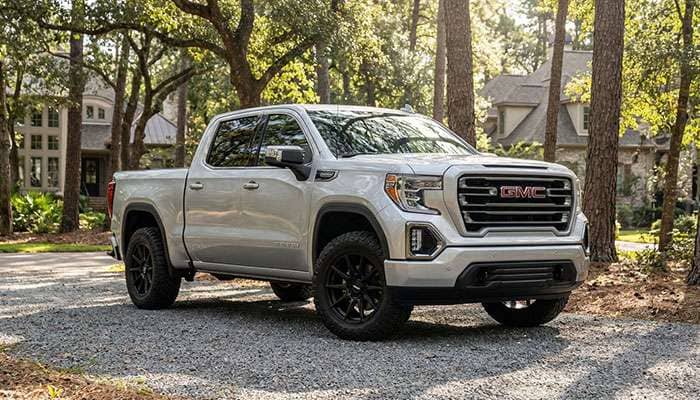
Aftermarket wheels can transform your GMC Sierra 1500's appearance and performance. The right choice depends on how you use your truck and what look you want to achieve.
Daily drivers benefit from 20x9 Fuel Off-Road Rebel wheels that deliver excellent style and practicality. Off-road enthusiasts often choose 18x9 Fuel Rebel wheels with bronze finish and black lip for maximum durability. We carry a huge selection of Sierra-specific wheels at Performance Plus Tire's Sierra-specific collection that are engineered to match your exact specifications and driving needs.
Wheel offset determines how your wheels sit in relation to your fenders and suspension. Positive offset tucks wheels closer to your truck, while negative offset creates that aggressive wide stance many Sierra owners want. Stock fitment works best with +18mm to +27mm offset, while leveled trucks handle 0 to -12mm offset range. Choose 9-inch width for stock builds, or step up to 10-inch and 12-inch widths as your lift height increases.
Aluminum alloy wheels deliver:
Lighter weight for better acceleration and fuel economy
Superior corrosion resistance that lasts longer
More design options and finishes to choose from
Better heat dissipation for brake performance
Steel wheels provide:
Maximum durability for extreme off-road conditions
Better resistance to bending and cracking from impacts
Lower cost compared to aluminum options
Heavier weight that can improve winter traction
Wider wheels with aggressive negative offset can push tires beyond your fender line, which may violate local vehicle regulations. Fender flares solve this problem by legally extending your wheel wells, allowing you to run wider setups without legal issues. Check your local laws before installing extremely wide wheel and tire combinations.
Choosing aftermarket wheels for your GMC Sierra 1500 requires balancing technical knowledge with your specific driving needs. We've covered the essential specifications - bolt patterns, offset ranges, and wheel sizes - that determine proper fitment for your particular truck configuration.
Your suspension setup determines what combinations work best. Stock trucks handle wheel sizes from 17-22 inches with conservative offsets. Leveled trucks accommodate more aggressive setups with negative offsets. Lifted builds support impressive wheel and tire combinations that can completely change your truck's appearance and capability.
Negative offset wheels create that wide stance many truck enthusiasts want, but they may require trimming and fender flares to stay street legal. Wheel material matters too - alloy wheels improve fuel economy and acceleration, while steel wheels offer maximum durability for harsh conditions.
Consider your primary use before making a final decision. Daily drivers need different wheels than weekend off-roaders or show trucks. The best wheel setup balances looks with performance while respecting your truck's engineering limits.
At Performance Plus Tire, we understand that aftermarket wheels can transform your Sierra's appearance and performance. Proper fitment prevents costly mistakes and ensures you'll enjoy your upgraded truck for years to come. We carry the best selection of Sierra-compatible wheels at the lowest prices, with expert guidance to help you make the right choice for your specific needs.
Understanding GMC Sierra 1500 wheel specifications and fitment requirements is essential for successful aftermarket upgrades that enhance both performance and appearance.
All GMC Sierra 1500s use a 6x139.7mm (6x5.5") bolt pattern with factory offsets ranging from +18mm to +27mm for proper fitment
Stock trucks accommodate 17-22" wheels, leveled trucks handle negative offsets up to -12mm, while lifted builds support aggressive setups
Lift height determines maximum tire size: leveling kits fit 33" tires, 4" lifts handle 35" tires, 6" lifts accommodate 37" tires
Negative offset wheels create wider stance but may require trimming and fender flares to meet legal requirements
Choose alloy wheels for lighter weight and fuel economy, or steel wheels for maximum durability in extreme conditions
Proper wheel selection balances your driving needs with your truck's engineering limitations, ensuring both safety and performance while avoiding costly fitment mistakes.
While aftermarket wheels can enhance appearance and performance, they may pose compatibility issues if not chosen carefully. Improper fitment can lead to problems with offset, bolt pattern, and sizing, potentially affecting your truck's performance and safety.
While wheel compatibility isn't typically year-specific, it's worth noting that some Sierra 1500 model years (like 2007 and 2001-2003) had reliability issues. When selecting aftermarket wheels, focus more on your specific truck's specifications rather than avoiding particular years.
The maximum tire size depends on your truck's suspension setup. Stock Sierras can typically fit up to 33-inch tires, while a 4-inch lift can accommodate 35-inch tires, and a 6-inch lift may allow for 37-inch tires. Always consider potential rubbing and legal requirements when upsizing.
Wheel offset influences your truck's handling and appearance. Positive offset tucks wheels closer to the suspension, while negative offset creates a wider stance. However, extreme negative offsets can strain suspension components and may require fender modifications for legal compliance.
Alloy wheels are lighter, improving acceleration and fuel economy, and offer more design options. Steel wheels are more durable, resistant to bending, and typically less expensive. Your choice should depend on your driving conditions and personal preferences.