
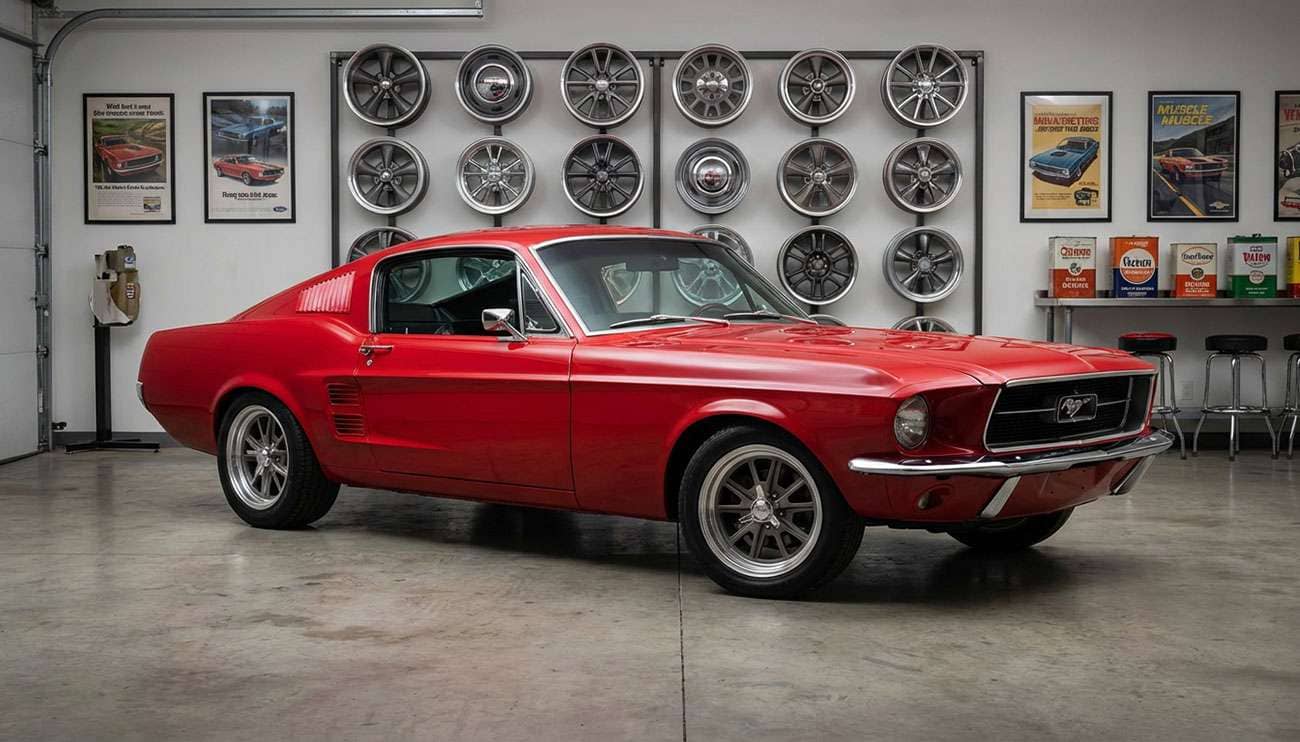
Muscle car wheels have defined automotive style for more than fifty years. The aftermarket wheel industry offers everything from legendary classics to cutting-edge performance designs that transform how your vehicle looks and performs. The American Racing Torq Thrust earned its place as the most popular aftermarket hot rod wheel of all time. The Cragar S/S (Super Sport) has been capturing attention since Roy Richter created it in 1964.
Most classic muscle cars rolled off factory floors with basic 14 or 15-inch wheels. Today's enthusiasts have incredible options for upgrading both appearance and function. You can choose vintage wheels for muscle cars featuring timeless five-spoke designs or modern alternatives with aggressive styling. The right wheels completely change your vehicle's personality. Upgraded wheels that fit larger brake packages can reduce stopping distances by approximately 25 percent, proving that aftermarket wheels for muscle cars deliver both stunning looks and serious performance.
We offer options for every budget and taste. Slotted mag wheels start under $600, while premium choices like Keystone Classics run around $1,000 for a complete set of four. This guide explores the most influential classic wheels for muscle cars and explains why they continue defining automotive style decades after their introduction.
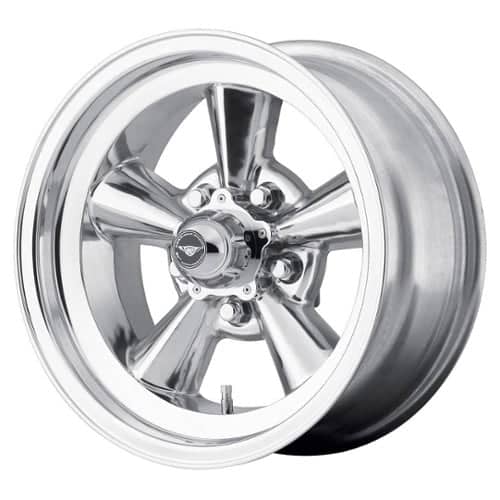
The iconic five-spoke design of American Racing Torq Thrust wheels has shaped aftermarket wheel styling for nearly six decades. These wheels first dominated drag racing before conquering street performance applications. Originally built for pure speed, they evolved into cultural symbols that boost both performance and appearance of classic American muscle.
American Racing Equipment started operations in 1956 when Romeo Palamides partnered with machine shop owner Jim Ellison in San Francisco. Their collaboration initially focused on creating lightweight magnesium wheels for drag racing. They addressed a critical need for performance parts that could reduce weight while maintaining strength.
The wheel that became an icon first appeared in Hot Rod magazine's December 1959 issue. It was advertised simply as "magnesium drag racing wheels" with a steep price of USD 88 per wheel. The official Torq Thrust name and formal market launch came in 1963, marking American Racing's first street wheel.
The company introduced a more affordable aluminum version by 1965, priced at USD 49 including lug nuts and a hub cover. This price reduction opened the distinctive design to a much broader audience of enthusiasts. Chevrolet's introduction of four-wheel disk brakes on the 1965 Corvette required a redesign during this same period, resulting in the Torq Thrust D variant. The "D" specifically meant "disk brake" compatibility, featuring spokes curved inward at their ends to provide clearance for brake calipers.
The Torq Thrust's popularity exploded in 1968 when Steve McQueen's Highland Green Mustang fastback, equipped with these distinctive wheels, tore through San Francisco streets in the film Bullitt. This cinematic moment cemented the wheels' place in automotive history.
After disappearing from the market for a period, Torq Thrusts quietly returned to the American Racing catalog. The company introduced the Torq Thrust Original (TTO) in 2004, a disk-brake friendly version of the early 1960s design.
Hot Rod Magazine recognized the Torq Thrust as "one of the top 20 speed parts that changed the world". The wheel delivered more than visual appeal—it provided functional advancement in wheel technology.
The design offered several revolutionary features:
Exceptional strength while significantly reducing weight through innovative engineering
Open spoke design that allowed superior brake cooling—critical for high-performance applications
Five distinctive spokes that flared outward toward the rim, creating both structural benefits and visual appeal
The Torq Thrust's influence proved so substantial that competitors began creating imitations by the mid-1960s. Despite numerous copies appearing over the years, the original maintained its position as the benchmark for aftermarket wheels. Even Ford Motor Company pays homage to the design, offering a Torq Thrust-inspired wheel option on its Mustang.
American Racing offers several fitment categories for their wheels:
SureFit: Direct bolt-on replacement for factory setups, featuring hub-centric design and single bolt pattern for straightforward installation requiring no modification.
SpecFit: Engineered for drivers seeking OEM to slightly more aggressive fitment, possibly containing dual bolt patterns and requiring hub-centric rings. With proper tire size selection, no vehicle modification is needed.
CustomFit: Designed for vehicles with modified suspension systems, featuring aggressive width and offset that may extend up to 3 inches beyond the vehicle's fender. May require mild trimming, rolling, pulling, or fender flares to prevent rubbing.
CustomFitEXT: The most aggressive fitment specification, made for vehicles with extreme suspension modifications. May extend over 3 inches outside the fender and require significant body and suspension alterations.
The Torq Thrust family has expanded considerably since its introduction. Variants are now available in diameters ranging from 14 to 22 inches, accommodating everything from period-correct classic muscle cars to modern restomods.
Pricing varies significantly based on size, finish, and specific model variant:
Model |
Size Range |
Finish |
Price Range (USD) |
|---|---|---|---|
Torq Thrust D |
14"-16" |
Polished/Gray Painted |
$175-302 per wheel |
Torq Thrust II |
14"-20" |
Polished/Satin |
$249-640 per wheel |
Torq Thrust II 1-pc |
17"-22" |
Polished/Matte |
$312-498 per wheel |
Torq Thrust Original |
15"-17" |
Polished/Gloss Black |
$264-423 per wheel |
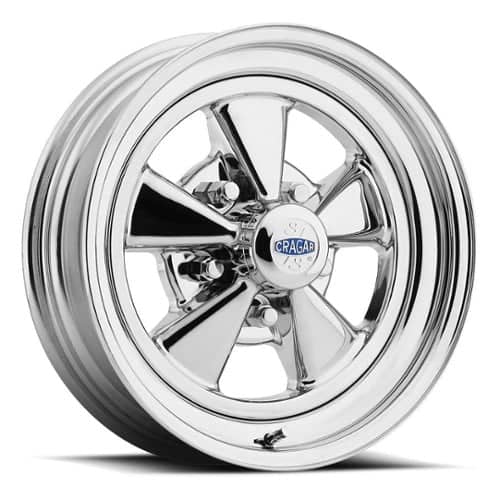
The Cragar S/S wheels earned their nickname as "The Original Muscle Car Wheel" through decades of dominance in the aftermarket wheel scene. Their chrome five-spoke design became synonymous with American muscle performance, appearing on everything from drag strip warriors to street cruisers throughout the 1960s and 1970s.
The S/S (Super Sport) emerged in 1964 from the mind of Roy Richter, who was then the owner of Cragar and a driving force behind Bell Helmets. The wheel's innovative two-piece construction represented a significant engineering advancement over existing designs.
Cragar originally operated as the Crane-Gartz Company, founded by Harlan Fengler and racing legend Wilbur Shaw in California. Richter acquired and expanded the company, transforming it from a specialized racing parts manufacturer into a mainstream performance brand.
The revolutionary two-piece design featured an aluminum center welded to a steel barrel—a construction that would later become industry-standard. This approach provided several advantages over single-piece designs:
Greater strength at stress points through optimized material placement
Ability to achieve deeper dish depths for aggressive styling
Superior chrome plating adhesion on the steel outer ring
The S/S dominated 1960s and 1970s street culture. Its five bell-bottom flare spokes protruding from a central hub became the definitive look for muscle car styling during this golden era of American performance.
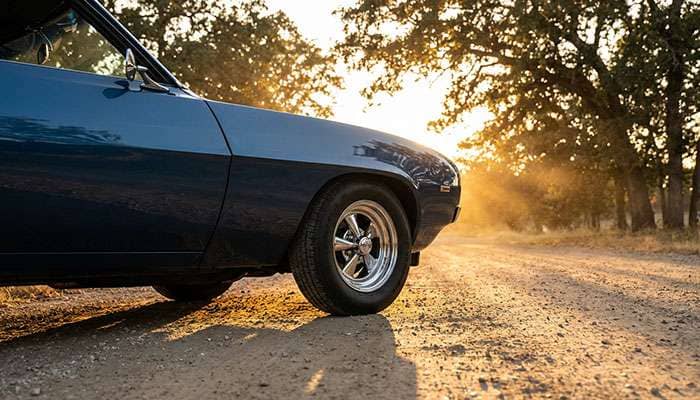
The Cragar S/S wasn't merely popular—it became a cultural phenomenon. At one point, custom vans without S/S wheels were considered incomplete. The wheels achieved something rare in the automotive aftermarket: universal appeal across multiple vehicle types and enthusiast communities.
Their influence extended far beyond traditional muscle cars:
Street-driven drag racers relied on their combination of style and strength
Custom van builders made them nearly mandatory equipment
Gasser enthusiasts appreciated their period-correct appearance
Lowrider culture embraced their chrome appeal
The chrome finish that became the S/S trademark resulted from the steel barrel construction. Steel accepted chrome plating far better than aluminum, allowing Cragar to achieve a brilliant mirror finish that aluminum wheels of the era simply couldn't match.
Cragar S/S wheels cater to most classic American muscle cars through various bolt pattern configurations:
Bolt Pattern |
Compatible Vehicles |
|---|---|
5x4.5" |
Ford Mustangs, Mercury Cougars, AMC vehicles |
5x4.75" |
Chevrolet Camaros, Corvettes, Chevelle, El Camino, Pontiac Firebird, GTO |
5x5" |
Full-size GM vehicles, older Chevrolet trucks |
5x4" |
Early Ford vehicles, various British cars |
Modern production includes sizes from 14 to 17 inches, allowing enthusiasts to maintain period-correct proportions while accommodating contemporary tire sizes. The 15-inch option remains most popular for authentic classic builds.
Current pricing reflects the wheel's continued strong demand:
Size |
Common Specifications |
Price Range (USD) |
|---|---|---|
14" |
14x6, 14x7 |
$100-150 per wheel |
15" |
15x7, 15x8 |
$125-200 per wheel |
17" |
17x8, 17x9 |
$359-503 per wheel |
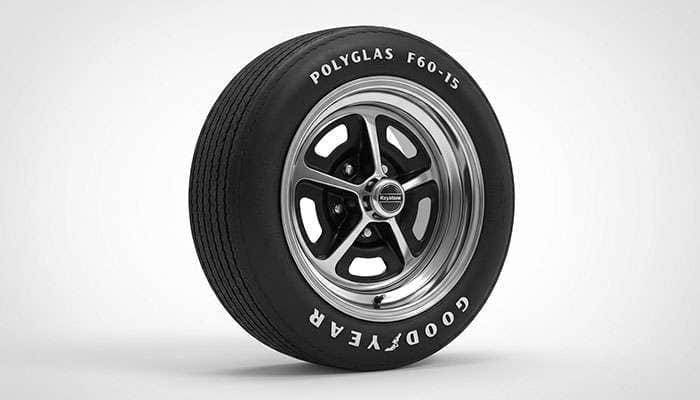
Keystone Klassic wheels carved their own distinctive niche in muscle car culture with their unique five-spoke design that became synonymous with quarter-mile performance. These wheels earned cult status among drag racing enthusiasts, particularly those running Plymouth muscle cars.
The Keystone Klassic emerged during the mid-1960s golden era of muscle car performance. The design featured five boldly scooped-edge spokes with black accents contrasting against the chrome outer ring—a combination that created instant visual impact at any angle.
The wheel utilized a two-piece composite construction approach:
Chrome steel outer rim for brilliant finish and durability
Aluminum center section for weight reduction
Mechanical fastening between components for serviceability
This construction method provided a balance between the strength needed for drag strip launches and the weight savings that improved acceleration. The design philosophy prioritized function alongside form—a necessity in an era when wheels regularly faced extreme stress from high-powered engines and sticky slicks.
The Keystone Klassic achieved near-iconic status in the Plymouth muscle car community. Their appearance on countless Road Runners, GTXs, and Barracudas created an association that persists today among Mopar enthusiasts.
Key distinguishing features include:
Five deeply scooped spokes creating dramatic shadow lines
Black-painted recesses that accentuate the spoke design
Tall outer lip that creates substantial "dish" appearance
Center cap design that complements the overall esthetic
The wheels worked particularly well in staggered fitments with smaller front wheels and larger rears—the classic drag-oriented "bigs and littles" setup that muscle car enthusiasts perfected during this era.
Keystone Klassic wheels were designed primarily for American muscle applications:
Vehicle Type |
Common Bolt Patterns |
Popular Sizes |
|---|---|---|
Plymouth/Dodge Mopar |
5x4.5" |
15x7 front, 15x8 rear |
Ford Mustang/Mercury |
5x4.5" |
15x6 front, 15x7 rear |
GM Muscle Cars |
5x4.75" |
15x7 front, 15x8 rear |
Unlike some vintage designs that have been updated for larger diameters, Keystone Klassics remain primarily available in period-correct 15-inch sizes. This limitation actually appeals to purists seeking authentic muscle car proportions.
Original Keystone Klassic wheels command premium prices in today's market:
Condition/Type |
Price Range (USD) |
Notes |
|---|---|---|
NOS (New Old Stock) |
$383-537 per wheel |
Increasingly rare, collector value |
Restored/Reconditioned |
$250-400 per wheel |
Quality varies significantly |
Used (Good Condition) |
$150-300 per wheel |
Inspect carefully for damage |
A complete set of four 15-inch Keystone Klassics typically runs around $1,000 in good condition, making them a premium choice for authentic restorations.
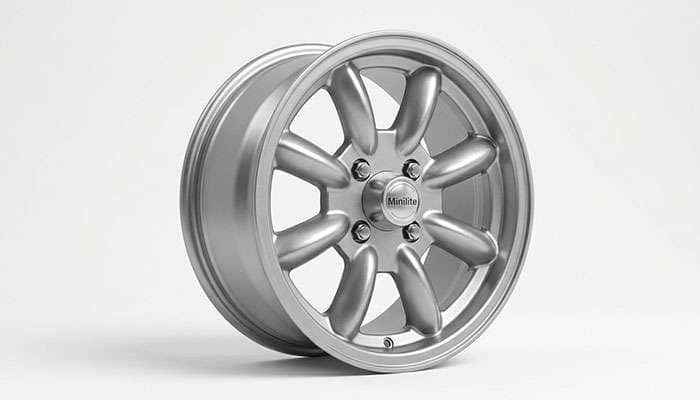
Minilite-style wheels brought European racing heritage to American muscle cars. The distinctive eight-spoke design originated in British motorsport but found enthusiastic adoption among American enthusiasts seeking lightweight performance wheels with sophisticated international flair.
The original Minilite wheel emerged in 1962 as a revolutionary lightweight racing wheel. Engineers designed it from the outset for serious competition use—not as a styling exercise adapted for track duty, but as a purpose-built performance component.
The design featured specific engineering elements that set it apart:
Eight wide spokes radiating from a central hub
Original construction from magnesium alloy for extreme weight reduction
Spoke shape engineered to direct cooling air toward brake components
Rim profiles designed for various tire mounting requirements
The wheels achieved immediate success in European motorsport, appearing on winning cars in Formula Ford, Formula 3, and various sports car racing series. Their reputation for combining light weight with adequate strength made them a favorite of both factory racing teams and privateers.
Modern reproductions typically use aluminum alloy rather than the original magnesium construction. This material change provides improved durability for street use while maintaining much of the original's weight advantage over steel wheels.
The eight-spoke pattern created a distinctively different appearance from the American-dominated five-spoke market. For enthusiasts seeking to distinguish their builds from typical muscle car styling, Minilites offered an alternative that remained performance-focused.
Distinguishing characteristics include:
European racing pedigree with proven competition history
Eight-spoke design creating visual complexity
Typically available in silver or gold finishes rather than chrome
Lightweight construction beneficial for handling-focused builds
The style gained particular popularity among American enthusiasts building European-influenced muscle cars—vehicles modified for road racing rather than straight-line drag performance. Their appearance on Trans-Am racing series cars helped bridge the gap between European and American performance cultures.
Minilite-style wheels are available for various muscle car applications:
Manufacturer |
Size Options |
Bolt Patterns Available |
|---|---|---|
Superlite (Original Minilite successor) |
10"-17" |
4x100, 4x10⁸, 5x100, 5x114.3 |
Revolution Wheels |
13"-15" |
Various classic patterns |
Panasport |
13"-17" |
4 and 5-lug configurations |
Note that authentic Minilites and quality reproductions require careful fitment consideration. The designs were originally created for smaller European vehicles, so wheel well clearance and offset specifications need verification for American muscle applications.
Pricing varies widely based on manufacturer and authenticity:
Type |
Price Range (USD) |
Notes |
|---|---|---|
Authentic Superlite |
$350-450 per wheel |
Direct successor to original Minilite |
Quality Reproductions |
$250-350 per wheel |
Panasport, Revolution, similar |
Budget Alternatives |
$100-200 per wheel |
Varying quality, verify specifications |
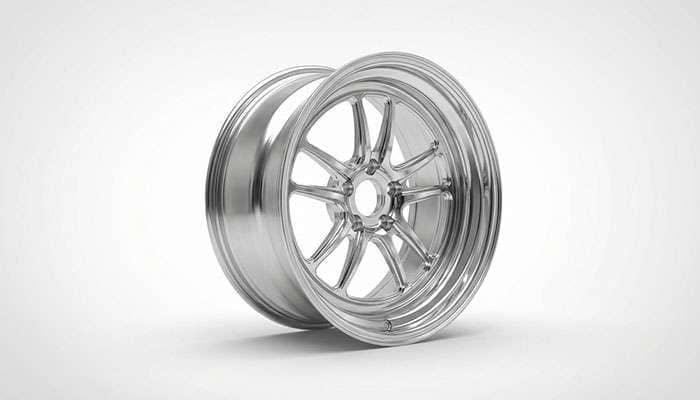
Weld Draglite wheels emerged as defining components of 1980s street machine culture. Their forged aluminum construction delivered weight savings that translated directly to improved quarter-mile performance, making them favorites among serious drag racers and street enthusiasts alike.
Weld Racing was founded in 1967 by Greg Weld, who brought advanced metallurgical knowledge to the performance wheel industry. The company quickly established a reputation for engineering excellence, developing manufacturing processes that produced stronger, lighter wheels than competitors.
The Draglite series incorporated several innovative features:
Two-piece cold-forged aluminum construction
Proprietary heat treatment for optimal strength-to-weight ratio
Mirror-like polished finish that became a signature styling element
Wide range of widths and offsets for drag racing applications
Cold forging—as opposed to casting or hot forging—produced denser, stronger aluminum with improved grain structure. This manufacturing process required significant tooling investment but resulted in wheels that could handle higher loads while weighing substantially less than cast alternatives.
The Draglite's visual appearance defined an era of street machine styling. Their highly polished faces and distinctive spoke pattern became as recognizable as any wheel design in American performance history.
The Draglite's performance credentials separated it from wheels that merely looked fast. Real-world weight savings delivered measurable improvements in acceleration and handling.
Key advantages included:
Up to 40% lighter than comparable cast aluminum wheels
Reduced unsprung weight improving both acceleration and braking
Two-piece construction allowing precise width and offset combinations
Polished finish maintaining appearance with minimal maintenance
The combination of genuine performance benefits with striking visual appeal made Draglites nearly mandatory equipment for serious 1980s street machines. Magazine feature cars and show winners regularly wore Weld wheels, reinforcing their status as premium performance components.
Weld Draglite wheels cover most American muscle car bolt patterns:
Vehicle Platform |
Bolt Pattern |
Popular Configurations |
|---|---|---|
Ford Mustang (1965-2014) |
5x4.5" |
15x3.5 front, 15x10 rear |
Chevrolet Camaro/Corvette |
5x4.75" |
15x4 front, 15x10 rear |
Mopar A/B/E-Body |
5x4.5" |
15x3.5 front, 15x8 rear |
The two-piece construction allows Weld to offer numerous width and backspacing combinations without requiring entirely new tooling for each specification. This flexibility made Draglites practical choices for vehicles with tight wheel well clearances or unusual fitment requirements.
Current Weld Draglite pricing reflects their continued manufacturing and premium positioning:
Size Range |
Typical Configuration |
Price (USD) |
|---|---|---|
15" Front Runner |
15x3.5 |
Starting at $395 per wheel |
15" Rear |
15x10, 15x12 |
$450-550 per wheel |
Complete Front/Rear Set |
Four-wheel package |
$1,700-2,200 |
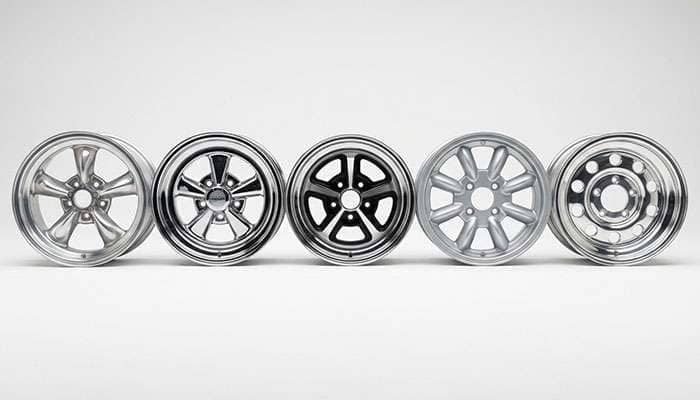
Selecting the right classic wheels for your muscle car requires balancing multiple factors: budget, intended use, fitment requirements, and personal style preferences. Each wheel design we've examined offers distinct advantages for specific applications.
Wheel costs vary dramatically across brands and conditions:
Entry Level ($400-800 for four wheels): Cragar S/S reproductions in 14-15" sizes offer authentic styling at accessible prices. Budget Minilite-style alternatives also fall in this range.
Mid-Range ($800-1,500 for four wheels): American Racing Torq Thrust D models, quality Minilite reproductions, and used Keystone Klassics typically fit this budget.
Premium ($1,500-2,500+ for four wheels): Weld Draglite sets, larger American Racing Torq Thrust variants, and NOS Keystone Klassics command premium pricing.
Before purchasing any wheel, verify these critical specifications:
Bolt Pattern: Must match your vehicle exactly. Common patterns include 5x4.5" (Ford/Mopar), 5x4.75" (GM), and 5x5" (larger GM vehicles).
Wheel Diameter: Consider brake clearance and tire availability. Period-correct 15" wheels suit most classic builds; 17"+ sizes work for resto-mod projects.
Width and Offset: Determine whether wheels will fit within fenders without modification or rubbing.
Center Bore: Hub-centric fitment provides better balance; lug-centric wheels may require rings.
Match wheel selection to your driving intentions:
Show Cars: Chrome finishes like Cragar S/S or polished Torq Thrusts deliver maximum visual impact.
Drag Racing: Lightweight Weld Draglites or proper skinnies-and-meats setups with Keystone Klassics suit quarter-mile duty.
Road Racing/Autocross: Minilite-style wheels provide appropriate weight savings and European handling character.
Daily Driving: Consider maintenance requirements—polished surfaces need more attention than painted finishes.
Different wheels create dramatically different visual statements:
Traditional Muscle: American Racing Torq Thrust and Cragar S/S deliver quintessential 1960s styling.
Drag-Inspired: Keystone Klassics with staggered sizing create that authentic quarter-mile stance.
Euro-Influenced: Minilite-style wheels suit builds with international performance inspiration.
1980s Street Machine: Polished Weld Draglites perfectly complement pro-street and resto-mod aesthetics.
Consider how wheel choice will interact with your car's existing colors, trim levels, and overall build direction. The right wheels should complement rather than clash with your vehicle's character. Think about the specific look you want to achieve. Each design has earned its place in automotive history through proven performance and enduring style.
Wheel Name |
Design/Construction |
Historical Period |
Notable Features |
Size Range |
Price Range (Modern) |
Best Vehicle Applications |
|---|---|---|---|---|---|---|
American Racing Torq Thrust |
Five-spoke design, originally magnesium, later aluminum |
Introduced 1963 |
Open spoke design for brake cooling, hub-centric design options |
14"-22" |
$175-640 per wheel |
Classic muscle cars, especially Corvettes and Mustangs |
Cragar S/S |
Two-piece construction, aluminum center with steel barrel |
Introduced 1964 |
Chrome plating, exceptional strength, distinctive bell-bottom flare spokes |
14"-17" |
$100-503 per wheel |
Muscle cars, custom vans, gassers, lowriders |
Keystone Klassic |
Two-piece composite, chrome steel outer rim with aluminum center |
Mid-1960s |
Five scooped-edge spokes, black accents against chrome |
15" only |
~$383-537 per wheel |
Plymouth muscle cars, Fords, Mopars |
Minilite-Style |
Eight-spoke design, originally magnesium, later aluminum |
Introduced 1962 |
Engineered for brake cooling, lightweight construction |
10"-17" |
$250-450 per wheel |
European-influenced muscle cars, road racing applications |
Weld Draglite |
Two-piece cold-forged aluminum construction |
Introduced 1981 |
40% lighter than cast aluminum, mirror-like polish |
15" common |
Starting at $395 per wheel |
Ford Mustangs, Chevrolet Camaros, Mopar vehicles |
These legendary wheel designs have shaped muscle car culture for decades. The American Racing Torq Thrust and Cragar S/S didn't just change how muscle cars looked—they delivered real performance gains through innovative materials and engineering that reduced weight while maintaining strength.
Each design tells its own story. Torq Thrusts brought racing-inspired five-spoke styling from the drag strip to Main Street. Cragar's S/S wheels became the chrome standard that defined an era. Keystone Klassics created that perfect drag-ready stance, especially for Plymouth enthusiasts. Minilite-style wheels brought European road-racing flair to American muscle. Weld Draglites defined the 1980s street machine scene with their forged aluminum construction.
These iconic wheels have endured because they blend stunning looks with serious performance. The right set can transform any classic muscle car from ordinary to extraordinary. Your wheel choice often says as much about your style as your choice of vehicle.
Today's muscle car builders enjoy expanded sizing options that accommodate modern brake packages while preserving period-correct appearance. The evolution from basic 14-inch factory wheels to modern 17-inch-plus options shows how manufacturers have adapted classic designs for contemporary performance demands.
Ready to find the perfect wheels for your muscle car project? Performance Plus Tire carries an extensive selection of classic wheels for muscle cars at Muscle Car Wheels where authentic and reproduction options await your inspection.
Whether you're building a numbers-matching restoration or creating a resto-mod with modern capabilities, the perfect wheels exist to match your vision. These iconic designs have earned their place in automotive history not as simple accessories, but as essential components that define the complete muscle car experience.
Understanding the most iconic muscle car wheel designs helps enthusiasts make informed choices that enhance both performance and authentic styling for their classic builds.
• American Racing Torq Thrust remains the gold standard - The five-spoke design introduced in 1963 became the most popular aftermarket hot rod wheel of all time, offering superior brake cooling and timeless esthetics.
• Cragar S/S earned its "Original Muscle Car Wheel" title - Created in 1964 with revolutionary two-piece construction, these chrome wheels dominated drag racing and street culture for decades.
• Keystone Klassics deliver distinctive drag-ready stance - The five scooped-spoke design with black accents against chrome creates the perfect "bigs and littles" look, especially popular on Plymouth muscle cars.
• Modern reproductions maintain authentic styling with updated performance - Today's versions accommodate larger brake packages while preserving period-correct esthetics, with sizes ranging from classic 14-inch to modern 22-inch options.
• Wheel choice defines your muscle car's personality - From European-inspired Minilite eight-spokes to 1980s Weld Draglites, each design tells a story about racing heritage and personal style preferences.
The right wheels transform any muscle car from stock to spectacular, proving that these iconic designs have earned their place as essential components that define the complete muscle car experience.
Some of the most popular classic muscle car wheel brands include American Racing, Cragar, Keystone, Minilite, and Weld. These brands offer wheels that combine vintage styling with performance, ranging from chrome designs to lightweight forged options.
Cragar S/S wheels feature a unique two-piece construction with an aluminum center welded to a steel barrel. This design provides exceptional strength while maintaining the iconic chrome look that defined muscle car styling in the 1960s and 70s.
American Racing Torq Thrust wheels gained popularity for their distinctive five-spoke design that improved brake cooling. Their versatility in fitment and timeless esthetics have made them a favorite for muscle cars, especially Corvettes and Mustangs, for decades.
Yes, many manufacturers now offer classic wheel designs in larger diameters to accommodate modern tire sizes and brake packages. For example, American Racing Torq Thrust wheels are available in sizes up to 22 inches, allowing enthusiasts to maintain a vintage look with contemporary performance.
Weld Draglite wheels are constructed from cold-forged aluminum, making them up to 40% lighter than comparable cast wheels. This significant weight reduction improves acceleration and handling by decreasing unsprung weight, while their two-piece design ensures precise fitment for drag racing applications.



