
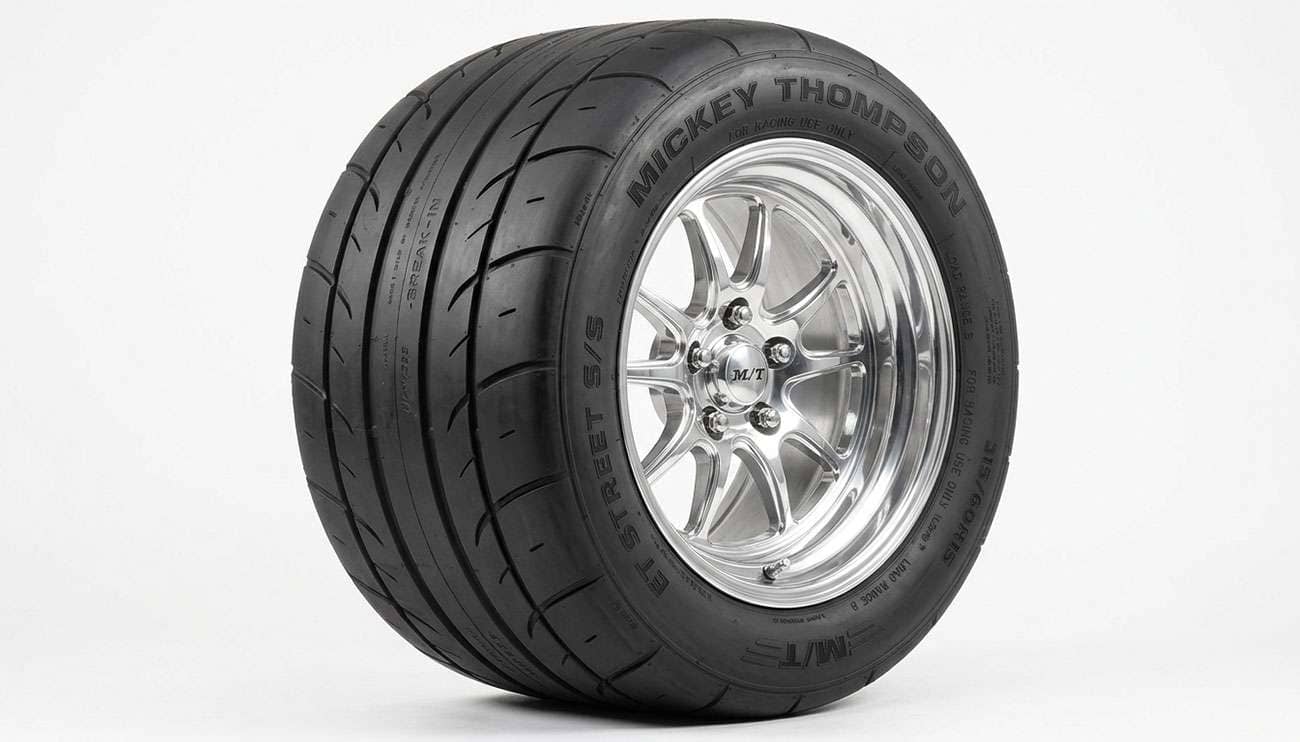
There's a particular dream that drives a lot of muscle car builds: a car that hooks hard at the strip, runs a respectable quarter mile, and then drives home on the same set of tires. Not a trailer queen, not a dedicated race car — a street car that can put down a real time on Friday night and get groceries on Saturday. The tire that makes that dream possible is the drag radial, and getting the right one onto a properly prepared car is the difference between a 60-foot time you brag about and a smoky burnout that goes nowhere.
I've been mounting drag rubber for guys chasing that dream for decades, and the truth is most of them get the tire decision half right and the chassis decision completely wrong. This guide covers both, because a drag radial can't fix a car that won't launch. Let's get into what these tires actually do, how to size them, what the car needs underneath, and which ones to buy.
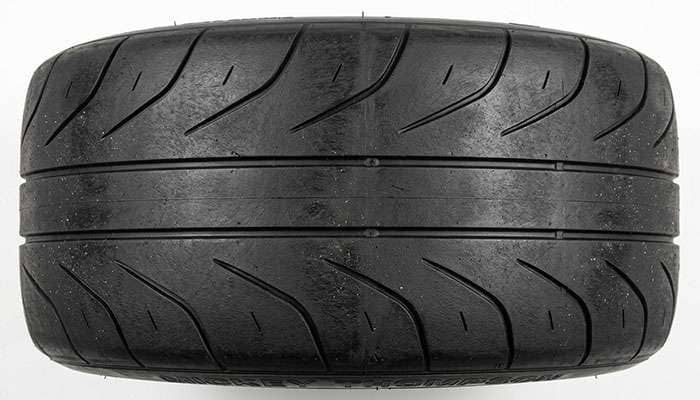
A drag radial is a DOT-legal tire built with a soft, sticky compound and a specialized construction designed to put power to the ground on a hard launch. It's a radial-construction tire — steel belts, perpendicular cords, the works — but everything about the compound and the carcass is optimized for one thing: traction off the line.
Several features separate a drag radial from a regular street tire:
The trade-off is real. A drag radial gives up wet-weather performance, cold-weather grip, tread life, and ride refinement in exchange for that launch traction. It's a specialist tool. Used for what it's built for, nothing beats it. Used as an everyday tire, it'll disappoint you and wear out fast.
The terminology trips people up, so let me lay it out clearly. There's a spectrum from street tire to full race slick, and the drag-oriented tires fall at different points along it:
For most guys reading this, the sweet spot is either the street/strip drag radial (if the car sees more street than strip) or the ET Street class (if it's a genuine 50/50 or strip-leaning build). I'll cover specific picks for each below.
Sizing a drag radial is its own discipline. The goal is to get the widest contact patch your car can physically fit and your chassis can actually use, while keeping the overall diameter in a range that works for your gearing.
If you're working out fitment on a muscle car and want to understand the staggered setup math, our muscle car staggered setup guide covers the front-to-rear proportion question. And before you order, measure your actual clearance — the section width a tire maker prints isn't always the mounted width, and it changes with rim width.
Here's the part nobody wants to hear: the tire is maybe half the equation. The other half is the chassis, and no drag radial on earth will fix a car that can't plant the power. I've watched guys spend $600 on a set of sticky radials, do a massive burnout, launch, and go nowhere but up in smoke — because the rear suspension was unloading the tire at exactly the wrong moment.
The things that actually matter for hooking a car:
If you're building a street/strip car and you're choosing between spending money on stickier tires or on suspension that plants the tire you have — spend it on the suspension first. A mid-tier drag radial on a well-prepped chassis will out-launch a top-tier drag radial on a stock-suspension car every single time.
Four honest categories, matched to how you actually use the car. Pick based on your real street-to-strip ratio, not the ratio you imagine.
If the car spends most of its life on the street and only sees the strip a few times a year, the Nitto NT555R II is the right call. It's a genuine street/strip drag radial — sticky enough to deliver a real launch advantage, but streetable enough that you can drive it daily without hating your life. Drivable in the dry, acceptable tread life for a drag-oriented tire, and it looks great on a muscle car. This is the tire for the guy whose car is a street car first.
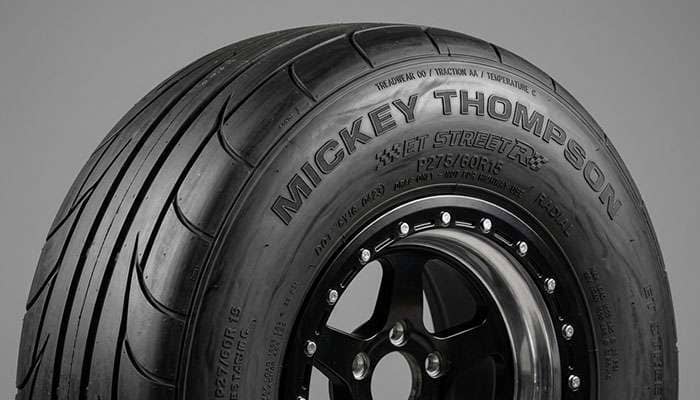
For a genuine 50/50 build — a car you drive to the track, race hard, and drive home — the Mickey Thompson ET Street R is the segment standard. The compound is seriously sticky, the launch traction is in another league from the street-leaning radials, and it's still DOT-legal for the drive home. For builds wanting the latest radial construction, the Mickey Thompson ET Street Radial Pro brings even more bite for cars making serious power. Both are happiest on a properly prepped chassis.
If the car is built to race and the street drive is a bonus, step into the bias-ply ET Street family. The Mickey Thompson ET Street R Bias brings bias-ply launch characteristics — that classic wrinkle-and-plant behavior — with just enough DOT legality to get you home. For the most strip-committed cars, the Mickey Thompson ET Drag is a full drag slick for trailered or barely-street use. These are specialist tools for cars where elapsed time is the priority.
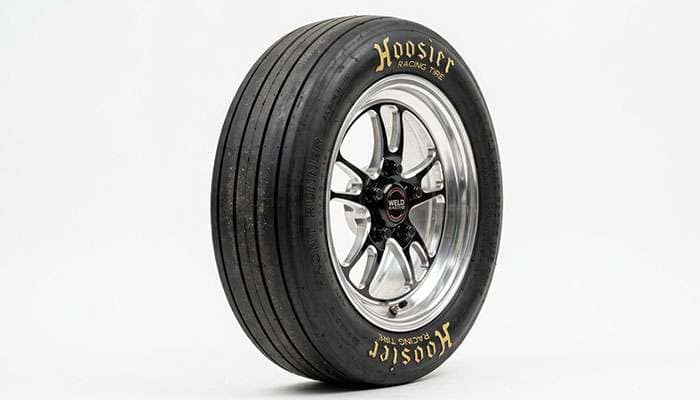
On a serious strip car, lightweight front runner tires reduce rotating mass where it helps. The Mickey Thompson Sportsman Front is the classic skinny front runner for a street/strip car, and the Mickey Thompson ET Street Front brings the same philosophy in a DOT-legal package. These pair with rear drag radials to complete a proper street/strip stance. The Mickey Thompson Sportsman S/R is a radial alternative when you want a street-friendlier front.
Drag radials are consumables — that's the nature of a soft-compound tire. But you can stretch their life and get the most out of them with the right care. A few things I tell every customer:
For the break-in side that applies to the initial street miles on a fresh set, our tire break-in guide covers the procedure.
We keep prices honest across the whole drag racing tire catalog, the Mickey Thompson and Nitto tire lines, and the drag wheel selection to match. Call the shop if you want a complete street/strip package quote — we'll help you size it to your specific car.
A drag radial is the tire that makes the street/strip dream possible — a car that hooks hard at the track and drives home on the same rubber. But the tire is only half the story. Get the sizing right for your chassis, prep the suspension so it can actually plant the power, pick the tire that matches your real street-to-strip ratio, and run the right launch pressure. Do all four and you'll cut your 60-foot times and turn quarter-mile passes you're proud of. Skip the chassis work and the stickiest tire money can buy will still go up in smoke. Match the whole package to how you actually use the car, and come see us when you're ready to build it right.
You can, but you shouldn't. Drag radials are DOT-legal, so it's legal to drive on them. But the soft compound wears fast under daily use, the wet-weather performance is poor, and the cold-weather grip is genuinely dangerous below about 45°F. They're a specialist tool built for the strip with enough street capability to get you to and from the track. For a true daily driver that occasionally races, a street/strip radial like the Nitto NT555R II is the most daily-friendly option in the category.
Both are DOT-legal drag-oriented tires, but they sit at different points on the spectrum. A street/strip drag radial (like the Nitto NT555R II) leans toward street usability while still delivering launch traction. An ET Street tire (Mickey Thompson's family) leans hard toward the strip — stickier compound, more aggressive construction, less street-friendly. You can drive on an ET Street tire, but it's built to race first and tolerate the drive home second. The ET Street R Bias goes further still, using bias-ply construction for maximum launch behavior.
Much lower than street pressure. Most drag radials launch best somewhere between 15 and 20 psi, though the exact number depends on the car's weight, the specific tire, and track conditions. Lower pressure increases the contact patch on launch, but too low and the tire rolls under. This is a tuning variable you adjust at the track based on your 60-foot times. Drive to the track at normal street pressure, then air down for your runs and air back up for the drive home.
They help, but they can't overcome a suspension that won't plant the power. On a stock-suspension leaf-spring car, axle wrap and wheel hop will limit how much of the tire's traction you can actually use. A drag radial on a stock-suspension car will still launch better than a street tire, but to get the full benefit you need wheel hop control — at minimum an adjusted pinion snubber, ideally CalTracs bars or a SuperStock-style leaf kit. Spend on suspension before you spend on the stickiest tire available.
Drag radials are consumables, and they degrade through heat cycles and hard launches more than through street mileage. A set might deliver a season or two of regular strip use, or last considerably longer on a car that only sees the strip occasionally. Aggressive burnouts, high launch loads, and UV exposure all shorten their life. Store them out of sunlight and use disciplined burnouts to get the most out of a set.
Most street/strip muscle cars run a 255 to 315-section rear drag radial, depending on chassis clearance. A stock-bodied car without wheel tubs typically tops out around 275 to 295; a mini-tubbed car can run 315 or wider. Overall diameter in the 26- to 28-inch range works for most street/strip gearing. Always measure your actual fender well and chassis clearance at full suspension compression before ordering — the mounted width of a tire varies with rim width and isn't always the same as the printed section width.



