Tire prices are definitely going up because of tariffs. The numbers tell the story: 63.4% of tires sold in the U.S. were imported last year, making American consumers vulnerable to trade policy changes. Current tariffs hit major suppliers hard - Thailand faces 37%, Indonesia 32%, Vietnam 46%, and South Korea 26%. These tariffs translate directly to your wallet, with major tire manufacturers announcing price increases between 10% and 25% on passenger and light-truck tires. JPMorgan analysts confirm what we're seeing: substantial tire price increases ahead.
At Performance Plus Tire, we know exactly why tires cost so much now. More importantly, we know the smart strategies that help you get the best value despite these tariff challenges. We'll break down the optimal timing for your tire purchases and show you how to maximize every dollar you spend on tires.
American tire buyers face a fundamental problem: our market depends heavily on foreign suppliers. Last year's record shows imported tires made up 63.4% of all sales, creating direct exposure to international trade disruptions. Thailand stands out as our biggest single supplier, shipping 35.3 million passenger tires to the U.S.. This concentration means when tariffs hit major exporters, the cost impact flows straight to American consumers.
Understanding tariff rates helps explain current pricing pressures. Thailand carries a 37% tariff, while Vietnam faces the highest burden at 46%. Indonesia's imports face 32%, and South Korea deals with 26% tariffs. China presents the extreme case with an effective 150% tariff - combining a 25% base rate with a 125% reciprocal tariff. These tariff structures have pushed regional price increases between 15% and 25%.
The current system developed through years of trade actions. Section 301 tariffs first doubled Chinese costs, pushing manufacturers toward Southeast Asian production. Thailand became the primary target for truck and bus radial (TBR) tariffs, with dumping rates spanning 12.33% to 48.39%. Bridgestone's Thai facilities face the maximum 48.39% rate, while Prinx Chengshan received the lowest at 12.33%.
April 2025 brought the game-changing moment when Section 232 tariffs took effect under national security provisions. The federal government applied 25% tariffs to passenger and light truck tires, with commercial truck tires getting a 10% base rate. Steel tariffs compound this impact, jumping from 25% to 95% on most steel products during May and June 2025. This creates a double hit - both finished tire imports and domestic manufacturers using imported steel face higher costs, driving prices up across the entire market.
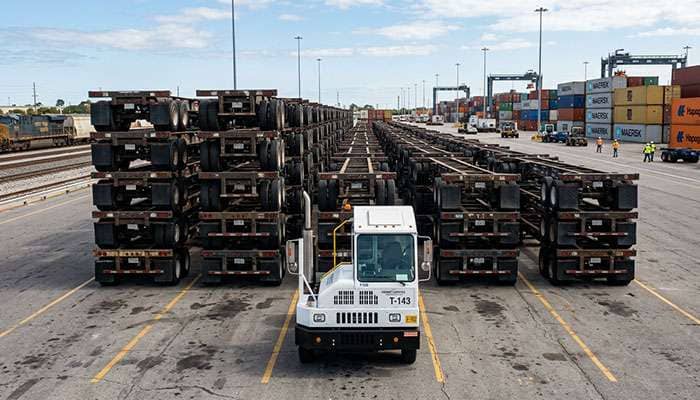
Shipping costs have exploded far beyond what tariffs alone explain. Freight rates jumped up to 500%, adding massive costs to every container of tires that reaches U.S. ports. Transit times from India to the East Coast stretched from 28 to 43 days. Vessels rerouted through the Cape of Good Hope face delays of 15 to 28 days, forcing distributors to order product 45 days earlier than normal.
Global shipping rates swing wildly because of pandemic disruptions, fuel price volatility, labor shortages, and geopolitical tensions. Port congestion and extended vessel routes create longer lead times for container shipments and drive up freight charges on bulk imports. These logistical problems hit tire prices just as hard as the tariffs themselves.
Southeast Asian countries stepped up as Chinese imports declined. Cambodia's passenger tire exports jumped 56% in early 2025, moving it from eighth to fourth-largest supplier. Cambodia's light truck tire exports surged 75% year-over-year. Vietnam remains the third-largest supplier to the U.S. with 10.9 million units. This shift shows manufacturers moving production to avoid tariffs rather than reduced market demand.
Companies loaded up on imported tires before tariffs took effect, delaying the full impact of price increases for consumers. Tire inventories stabilized after availability struggles during the pandemic. New tire levels decreased slightly by 0.3% in 2023, while retread inventory rose by 0.4%. The North American replacement market shows growth driven by buyers purchasing ahead of additional customs duties. JPMorgan analysts noted that the full effect of price increases won't be felt immediately since companies pre-loaded inventory.
Tariffs only tell part of the tire pricing story. Raw material costs hit tire manufacturers from multiple angles, creating price pressures that compound the tariff impact.
Raw materials now account for 60% of total tire production expenses. Natural rubber prices surged 72% over two quarters and 33% year-on-year in early 2023, with natural rubber alone making up approximately 35% of raw material costs for tire companies.
Carbon black presents another challenge. This material makes up roughly half a car tire's composition alongside rubber, and its price doubled over a two-year period. Steel tariffs created additional pressure, jumping from 25% to 95% in 2025. Steel affects tire belts and reinforcements, so these increases impact every tire produced.
Natural rubber shows considerably more price volatility than synthetic alternatives due to agricultural constraints. Production faces a 7-year lag between planting and actual output, making supply adjustments slow and unpredictable.
Workforce expenses escalated sharply across the tire industry. Service centers increased labor rates from $40.00 to $50.00 per hour. Individual technicians saw even steeper wage growth, jumping from $10.00 to $16.50 hourly within a single year.
Labor costs across the tire manufacturing sector now total approximately $3.20 billion. Energy consumption during vulcanization and curing processes adds 15-20% to manufacturing costs, creating ongoing pressure on production budgets.
Regulatory compliance introduces substantial new costs that manufacturers pass to consumers. EPA proposals could cost the tire industry $20.80 million annually, with total annualized compliance costs estimated at approximately $11.00 million per year. The highest unannualized total cost in any single year is estimated at approximately $69.10 million in 2027.
EU regulations will mandate 35% recycled content by 2028, forcing substantial investments in sustainable production methods. These compliance costs ultimately transfer to consumer pricing, adding another layer to tire cost increases.
Don't wait until you need tires immediately. Start your search when tread depth hits 4/32". This gives you time to compare prices and catch manufacturer rebates. Spring and fall deliver the best deals as retailers clear inventory. Look for holiday promotions during Memorial Day, Fourth of July, Labor Day, and Thanksgiving. Manufacturer rebates typically range from $100 to $200 for a set of four tires, and these offers usually launch at the beginning of each month.
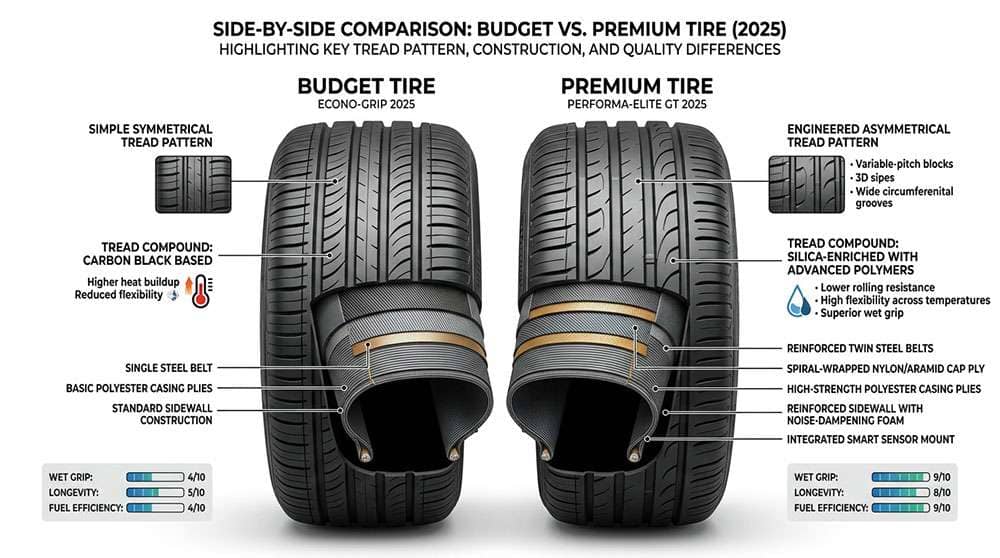
Retread tires cost 30-50% less than new ones. Commercial retreads run $150 to $300 compared to $250 to $600 for new tires. Budget brands like Ironman offer tires from $85.08 to $165.45 each, delivering solid performance without the premium price tag.
Negotiation works. Among consumers who tried it, 63% got better deals. The average savings? $37 per tire. Always ask for price matching when you find lower prices elsewhere.
Look beyond the sticker price. About 82% of customers get at least one free service. Free tire rotation alone saves hundreds over the tire's life. Nearly half of consumers receive free road-hazard warranties, which cover prorated replacements when tires get damaged early.
Tire prices face ongoing pressure from multiple directions. Tariffs, freight costs, and raw material volatility create a challenging environment for consumers looking to replace their tires.
Smart shopping becomes your best defense against these rising costs. Start your tire search when tread depth hits 4/32" - this gives you time to compare options and wait for promotions. Look into value-tier alternatives that deliver safety without the premium price tag. Don't skip the negotiation step, since 63% of consumers who negotiate successfully save an average of $37 per tire.
At Performance Plus Tire, we help you maximize every dollar you spend on tires. Our transparent pricing eliminates surprises, and our free services like tire rotation and balancing add value that extends well beyond your initial purchase. Our expert team guides you through the selection process, ensuring you get the right tires for your vehicle and driving needs.
Ready to beat these tire price increases? Visit Performance Plus Tire and let us show you how to get the best value in today's challenging tire market.
Understanding the current tire market helps consumers make informed purchasing decisions despite significant price pressures from multiple economic factors.
• Tariffs drive 10-25% price increases: With 63.4% of U.S. tires imported and tariffs ranging from 26-46% by country, consumers face substantial sticker shock on tire purchases.
• Start shopping at 4/32" tread depth: Begin tire shopping early to compare prices, wait for rebates, and avoid emergency purchases when negotiating power is weakest.
• Negotiation saves $37 per tire on average: 63% of consumers who negotiated successfully obtained better deals, with median savings of $37 per tire through price matching and free services.
• Consider value-tier and retread options: Budget brands and retreads cost 30-50% less than premium tires while maintaining safety standards, offering significant savings without compromising performance.
• Multiple factors beyond tariffs affect pricing: Raw material costs (rubber up 72%, steel tariffs at 95%), freight rate surges up to 500%, and labor cost increases compound the tariff impact on final tire prices.
The tire market's complexity means smart timing, negotiation skills, and exploring alternative options become essential strategies for managing costs in this challenging pricing environment.
Q1. Will tariffs cause tire prices to increase? Yes, tariffs are significantly impacting tire prices. With over 63% of tires sold in the U.S. being imported, tariffs ranging from 26% to 46% on imports from major suppliers like Thailand, Vietnam, Indonesia, and South Korea are driving price increases of 10-25% on many passenger and light-truck tires.
Q2. When is the best time to buy tires to save money? The optimal time to start shopping is when your tread depth reaches 4/32", which gives you time to compare prices and wait for promotions. Spring and fall typically offer the best deals as retailers discount inventory, and holiday promotions around Memorial Day, Fourth of July, Labor Day, and Thanksgiving often feature competitive pricing with manufacturer rebates of $100-$200 for sets of four.
Q3. Can negotiating really lower tire prices? Yes, negotiation is highly effective. About 63% of consumers who negotiated successfully obtained better deals, with median savings of $37 per tire. Strategies include requesting price matching when lower prices exist elsewhere and asking for free services like tire rotation and road-hazard warranties.
Q4. Are retread or budget tires a good alternative to save money? Retread tires are a cost-effective option, priced 30-50% less than new tires while maintaining safety standards. Commercial retreads typically cost $150-$300 compared to $250-$600 for new tires. Budget brands can range from $85 to $165 per tire, offering substantial savings without compromising on safety.
Q5. What factors besides tariffs are driving up tire costs? Multiple factors contribute to rising tire prices including raw material volatility (natural rubber prices surged 72% and steel tariffs increased to 95%), freight costs that have jumped up to 500%, labor rate increases from $40 to $50 per hour at service centers, and environmental compliance costs estimated at over $20 million annually for the industry.