
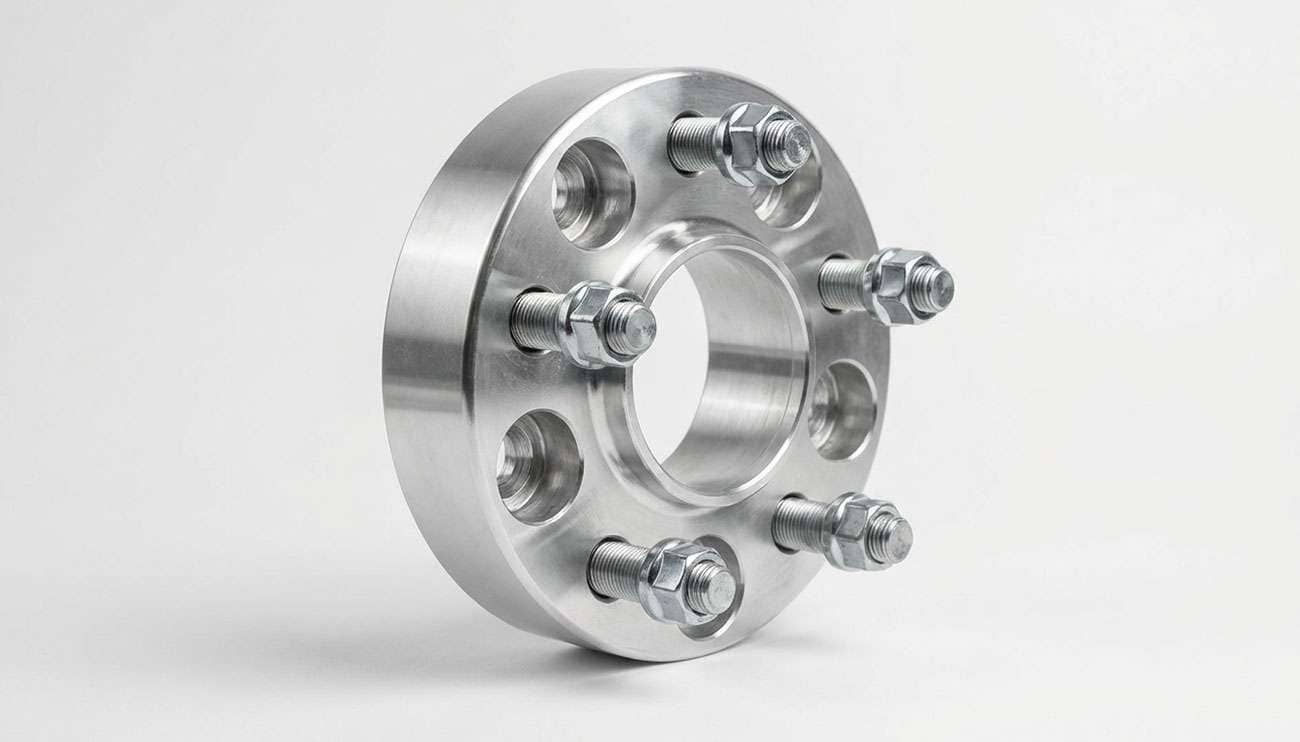
The 5x5.5 bolt pattern appears on countless vehicle makes and models, from ARO and Chevrolet to Chrysler, Dodge, and Dongfeng. This popular configuration is essential knowledge for anyone upgrading wheels or seeking replacements with proper fitment.
Your bolt pattern determines which wheels will mount safely on your vehicle. The first number (5) tells you how many lug nuts or bolts secure the wheel, while the second number (5.5) measures the diameter in inches of the circle formed by these lugs. Five-lug wheels dominate the collector car world, with the 5x5.5 pattern especially common on Jeeps like the Wrangler and Grand Cherokee.
At Performance Plus Tire, we understand that proper wheel fitment is crucial for both safety and appearance. This guide covers what the 5x5.5 bolt pattern means, which vehicles use this configuration, and how to select the right wheels for your ride. From car enthusiasts to drivers needing replacement wheels, you'll find the essential information needed to make the right choice.
Our expert team has worked with this bolt pattern for years, and we're here to help you find the perfect wheels at prices that won't break the bank.
Bolt patterns determine which wheels can be safely mounted on your vehicle. This simple combination of numbers contains crucial information about wheel compatibility and proper fitment.
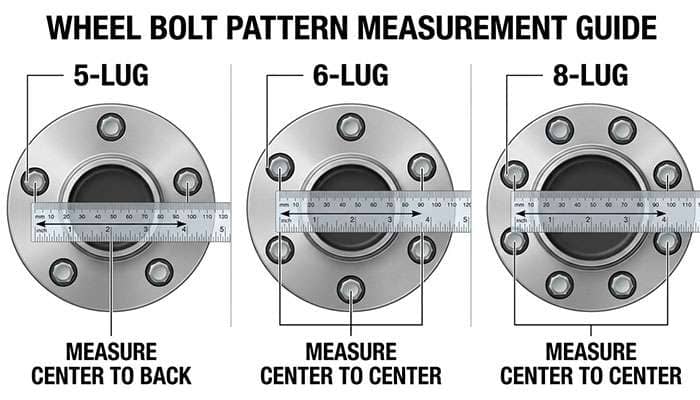
The bolt pattern consists of two essential numbers that define wheel fitment. The first number (5) indicates how many lug holes or studs your wheel has. The second number (5.5) measures the diameter of the imaginary circle formed by the centers of these lug holes, also known as the bolt circle diameter or pitch circle diameter (PCD).
Measuring odd-numbered lug patterns like 5x5.5 requires specific techniques. Even-numbered patterns allow direct measurement across opposing lugs, but 5-lug patterns require measuring from the center of one lug to the outer edge of an opposite lug. This is because the lugs are not directly across from one another in a 5-lug configuration.
You may encounter different terms like "bolt pattern," "lug pattern," or "PCD" used interchangeably. These all refer to the same measurement - the arrangement and spacing of the lug holes that secure your wheel to the vehicle.
The 5x5 and 5x5.5 patterns may look similar, but they have significant differences in dimensions and vehicle applications. The 5x5 pattern (also called 5x127mm) features five lugs arranged in a circle with a 5-inch diameter, while the 5x5.5 pattern has five lugs in a 5.5-inch diameter circle.
This half-inch difference is critical for proper fitment. The 5x5 pattern appears commonly on Jeep Wranglers, Grand Cherokees, and Gladiators, providing enhanced stability and strength compared to smaller patterns like 4x100mm. The 5x5.5 pattern appears frequently on older Ram trucks, the RAM Classic, some older F-150s, and older 4x2 Tacomas (non-PreRunners).
Ford vehicles historically used two main five-lug patterns. The 5x5.5-inch bolt pattern (the "large Ford" pattern) appeared on early Ford passenger cars before becoming exclusive to Ford trucks. The smaller 5x4.5-inch pattern (the "small Ford" pattern) appeared on vehicles like the Ford Fairlane and Mustang.
Early Chrysler full-size and luxury sedans also utilized the 5x5.5-inch pattern before transitioning to smaller configurations.
Bolt patterns are expressed using both imperial (inches) and metric (millimeters) measurements globally. The 5x5.5 bolt pattern equals 5x139.7mm in the metric system. This dual notation serves different markets - the U.S. and Canada typically use the inch measurement (5x5.5), while Europe and Asia generally prefer the millimeter equivalent (5x139.7mm).
Converting between these systems is straightforward: 1 inch equals 25.4 millimeters. Therefore, 5.5 inches multiplied by 25.4 equals 139.7mm. This conversion is essential when shopping for wheels internationally or when manufacturer specifications list only one measurement system.
The 5x5.5 (or 5x139.7mm) bolt pattern is known for its strength and reliability, making it particularly suitable for trucks, SUVs, and off-road vehicles. Its robust design effectively distributes the vehicle's weight across five points of contact, offering greater stability than four-lug designs.
Identifying your vehicle's correct bolt pattern ensures proper wheel fitment, safety, and performance. Whether you're upgrading your wheels for appearance or replacing damaged ones, understanding the 5x5.5 bolt pattern helps you make informed decisions about compatibility.
The 5x5.5 bolt pattern has earned its reputation as one of the most dependable configurations for trucks and SUVs throughout automotive history. This versatile pattern (also known as 5x139.7mm in metric measurements) delivers exceptional strength and reliability, particularly for vehicles designed for heavy-duty performance or off-road adventures.
American truck manufacturers have relied on the 5x5.5 bolt pattern across numerous models for decades. Dodge Ram 1500 trucks manufactured before 2019 feature this robust pattern, alongside the versatile Dodge Dakota. Ford incorporated this configuration across multiple generations, including the F-100 and older F-150 models. The Ford F-150 Lightning Truck (1994-1996) also utilized this durable setup. International options include classic-generation Toyota Tacoma models equipped with this reliable pattern.
These trucks have become favorites among work-oriented drivers and weekend warriors who demand vehicles capable of handling significant loads without sacrificing performance. Performance Plus Tire offers an extensive selection of wheels compatible with these popular truck models.
Off-road enthusiasts know the value of the 5x5.5 bolt pattern for its proven durability on challenging terrain. Jeep has utilized this configuration extensively across multiple models, including the legendary CJ5, CJ7, and CJ8 Scrambler series. The pattern continued with Wrangler YJ and TJ models, plus the classic Wagoneer and select Jeep Gladiator trims.
The Ford Bronco (pre-1997) and Dodge Ramcharger also feature this dependable pattern. International manufacturers recognized its value too, with the Mitsubishi Montero, Suzuki Samurai (1986-1991), and Geo Tracker (1989-2004) all sporting the 5x5.5 configuration.
This bolt pattern has proven ideal for lifted builds, off-road setups, and towing applications due to its robust construction. Off-road enthusiasts continue choosing wheels with this pattern for their ability to withstand demanding conditions.
The 5x5.5 bolt pattern boasts a distinguished heritage spanning several decades. This configuration became common on American vehicles starting in the 1940s. Ford Broncos featured this pattern from 1966 through 1996, covering multiple generations of this iconic off-roader.
Military Jeeps from 1950-1966 utilized this reliable pattern, as did the Jeep J Series trucks produced between 1963-1968. American Motors incorporated the 5x5.5 pattern on all their 5-lug Jeeps manufactured from 1942 to 1986.
Beyond trucks and off-road vehicles, Chrysler used this pattern on their 8-cylinder models and wagons from 1946 to 1955, plus Imperial Special Heavy Duty models from 1954 to 1966. This widespread adoption across different vehicle types demonstrates the versatility and reliability of the 5x5.5 configuration.
Classic car enthusiasts and custom builders continue finding this bolt pattern relevant for vintage restorations, allowing them to maintain period correctness while potentially upgrading performance.
Getting accurate measurements on a 5x5.5 bolt pattern requires specific techniques since five-lug wheels don't have directly opposite lugs. Precise measurement prevents costly mistakes and ensures proper wheel fitment for your vehicle.
Accurate measurements start with the right tools:
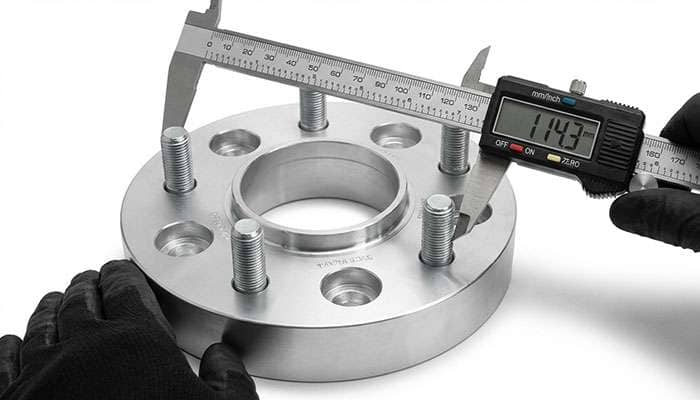
A quality set of calipers (provides the most precise measurements)
A standard ruler or measuring tape (works for quick checks but less reliable)
A bolt pattern gage (the most accurate tool, specifically designed for this purpose)
Bolt pattern gages deliver the gold standard for accuracy. This specialty tool eliminates guesswork and provides exact measurements. However, bolt pattern gages are not widely available as they are specialty tools. Some companies offer precision bolt circle templates that simplify measuring common 5-lug patterns.
Five-lug patterns require special measurement techniques since they lack directly opposite lugs:
Count the lugs to confirm you have five (the first number in 5x5.5)
For direct measurement: Measure from the center of one lug to the imaginary outboard plane bridging the opposite two lugs
Alternative method: Measure from the center of one lug to the outer edge of the lug farthest away
Calculation method: Measure distance between adjacent bolt centers (X), then multiply by 1.701 to find the PCD
For 5x5.5 bolt pattern, the center-to-edge measurement should be approximately 3.25 inches
Measurements on 5-lug wheels are estimates unless you're using a specialized bolt pattern gage. Always consult a bolt pattern guide to confirm your findings, since several 5-bolt patterns have diameters very close to each other.
Even experienced mechanics make errors when measuring bolt patterns. Here are the most common pitfalls:
Measuring from incorrect points on lug holes instead of their centers
Assuming all wheels with the same lug count are interchangeable (spacing between lugs matters significantly)
Using imprecise tools, leading to inaccurate measurements
Mixing metric and imperial units (5x5.5 inches equals 5x139.7mm)
Taking only one measurement instead of readings at different points around the circle
Double-check your measurements by taking readings at different points around the bolt circle. Consistent results confirm accuracy, while variations indicate measurement errors. When in doubt, professional consultation is valuable, particularly with 5-lug patterns where precision is critical.
Wheel selection for your 5x5.5 vehicle involves more than just matching bolt patterns. The right wheels improve both performance and appearance while ensuring safety and proper fitment.
Multi-lug wheels offer versatility for vehicles with less common bolt patterns. These designs feature oval-shaped holes that accommodate multiple configurations, including 5x5.5. Uni-lug wheels use oval washers and shank-style lug nuts to center properly on different patterns.
This flexibility benefits owners who switch vehicles frequently or have uncommon bolt patterns. However, dedicated single-pattern wheels typically provide better centering and appearance.
Steel wheels deliver proven durability:
Superior resistance to cracking and bending
Better winter traction from added weight
Affordable replacement costs
Easy repair when damaged
Alloy wheels provide performance advantages:
Weight reduction of 2.5-3x compared to steel
Better acceleration, braking, and fuel economy
Extensive design and finish options
Superior heat dissipation for braking
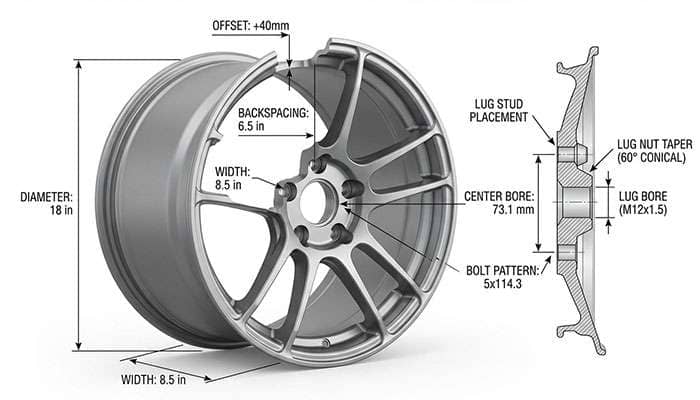
Backspacing measures from the mounting surface to the wheel's back edge. Offset measures from mounting surface to centerline. These specifications determine wheel position within your wheel wells and clearance around suspension components.
Wrong measurements cause rubbing against brakes, fenders, or suspension parts. Always verify these specifications before purchasing wheels.
OEM wheels guarantee perfect fitment since manufacturers design them specifically for your vehicle. They undergo rigorous testing including x-ray inspections and pressure tests.
Aftermarket wheels provide broader design choices and potential performance upgrades. Quality varies significantly—premium options can exceed OEM standards while budget alternatives may compromise safety.
For a complete selection of 5x5.5 (5x139.7mm) wheels that fit your specific vehicle, check the extensive inventory at Performance Plus Tire.
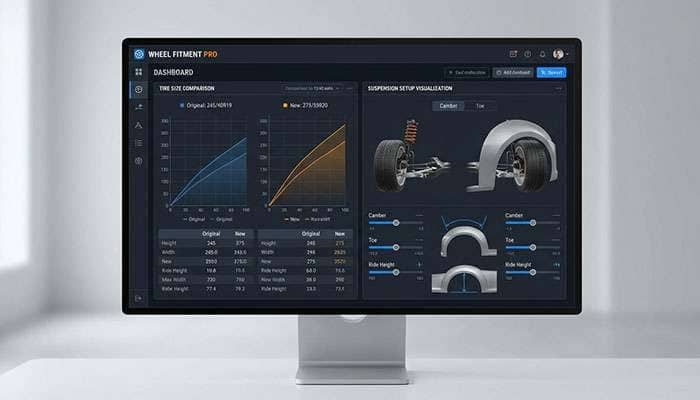
Getting the right wheels for your 5x5.5 bolt pattern vehicle doesn't have to involve guesswork. Modern digital tools make wheel selection straightforward and accurate.
Online databases take the complexity out of wheel selection with vehicle-specific search options. Performance Plus Tire operates a large wheel fitment database with detailed search capabilities. You can search by your vehicle's make, year, and model to find compatible wheels. The platform includes specifications for vehicles using the 5x5.5 (5x139.7mm) bolt pattern.
For enthusiasts selling wheels, Roadkill Customs offers a wheel bolt pattern cross-reference tool that shows matching vehicles. This tool helps potential buyers quickly determine wheel compatibility with their specific vehicle.
Wheel size calculators provide precise comparisons between different tire configurations. Performance Plus Tire features a tire comparison tool for cars and SUVs. The calculator compares two tire sizes (metric or imperial) and generates lists of possible tire equivalents. These tools calculate how changing tire size affects vehicle performance and provide plus/minus sizing options.
Understanding wheel terminology helps you make better decisions:
Wheel backspace: The distance from a wheel's mounting surface to its back edge
Offset: Distance from the centerline to the wheel's mounting face, which can be neutral, positive, or negative
PCD (Pitch Circle Diameter): Diameter of the circle passing through the centers of all studs or wheel bolts
OE tires: Original equipment tires specifically chosen by vehicle manufacturers
Our wheels are available in a range of sizes to fit your 5x5.5 bolt pattern vehicle. Visit Performance Plus Tire's 5x139.7 bolt pattern section for our extensive selection of wheels that fit this popular configuration.
Understanding the 5x5.5 bolt pattern gives you the confidence to make smart wheel decisions for your vehicle. This popular configuration appears on everything from classic Ford trucks to modern Jeep Wranglers and Dodge Rams. When you know exactly what this measurement means, you can choose wheels that fit perfectly and perform as intended.
Proper measurement techniques prevent costly mistakes and safety issues. Whether you use specialized bolt pattern gages or careful manual measurements, accuracy matters. Consider factors like backspacing, offset, and material type to refine your selection and get exactly what your vehicle needs.
Steel wheels offer durability and affordability, while alloy wheels provide lighter weight and better performance. OEM wheels guarantee perfect fit, but aftermarket options give you design variety and potential upgrades. Online fitment databases and wheel size calculators make finding the right 5x5.5 wheels simpler than ever.
At Performance Plus Tire, we've helped countless customers find the perfect wheels for their 5x5.5 vehicles. Our huge selection includes options for every budget, from basic replacements to high-performance upgrades. We carry the best selection of 5x5.5 wheels at the lowest prices.
Ready to upgrade your ride? The right wheels enhance both appearance and performance while maintaining safety standards. Visit Performance Plus Tire today and let our expert team help you find wheels that make your truck, SUV, or classic vehicle stand out from the crowd.
Understanding the 5x5.5 bolt pattern is crucial for safe wheel selection and proper vehicle fitment. Here are the essential insights every vehicle owner should know:
• 5x5.5 means 5 lugs arranged in a 5.5-inch diameter circle - equivalent to 5x139.7mm in metric measurements for international compatibility
• Popular on trucks and SUVs including Dodge Ram 1500 (pre-2019), older Ford F-150s, Jeep Wranglers, and Toyota Tacomas - making it one of the most common heavy-duty patterns
• Measure from center of one lug to outer edge of opposite lug - use calipers or bolt pattern gage for accuracy since 5-lug patterns lack directly opposite holes
• Consider backspacing, offset, and material type when choosing wheels - steel offers durability while alloy provides lighter weight and better performance
• Use online fitment databases and calculators to verify compatibility - tools like Performance Plus Tire size calculator eliminate guesswork and prevent costly fitment mistakes
The 5x5.5 bolt pattern's strength and versatility have made it a standard for decades across American trucks and off-road vehicles. Whether upgrading for performance or replacing damaged wheels, proper measurement and understanding of fitment factors ensures optimal results for your vehicle.
Yes, they are the same bolt pattern. 5x5.5 is the imperial measurement (in inches), while 5x139.7 is the metric equivalent (in millimeters). Both refer to a wheel with 5 lugs arranged in a circle with a diameter of 5.5 inches or 139.7 mm.
The 5x5.5 bolt pattern is frequently found on trucks, SUVs, and off-road vehicles. It's common on older Dodge Ram 1500 trucks (pre-2019), some Ford F-150 models, Jeep Wranglers, and certain Toyota Tacoma generations.
To measure a 5x5.5 bolt pattern, use calipers or a bolt pattern gage to measure from the center of one lug to the outer edge of the lug farthest from it. For this pattern, the measurement should be approximately 3.25 inches or 82.55 mm.
Steel wheels are more durable, affordable, and easier to repair, while alloy wheels are lighter, offer better performance, and come in a wider variety of designs. Both are available for the 5x5.5 bolt pattern, with the choice depending on your priorities for durability, performance, and esthetics.
To choose the right wheels, use online fitment databases and wheel size calculators to verify compatibility. Consider factors like backspacing, offset, and material type. Always double-check your vehicle's specific requirements, as even vehicles with the same bolt pattern may have different fitment needs.



