
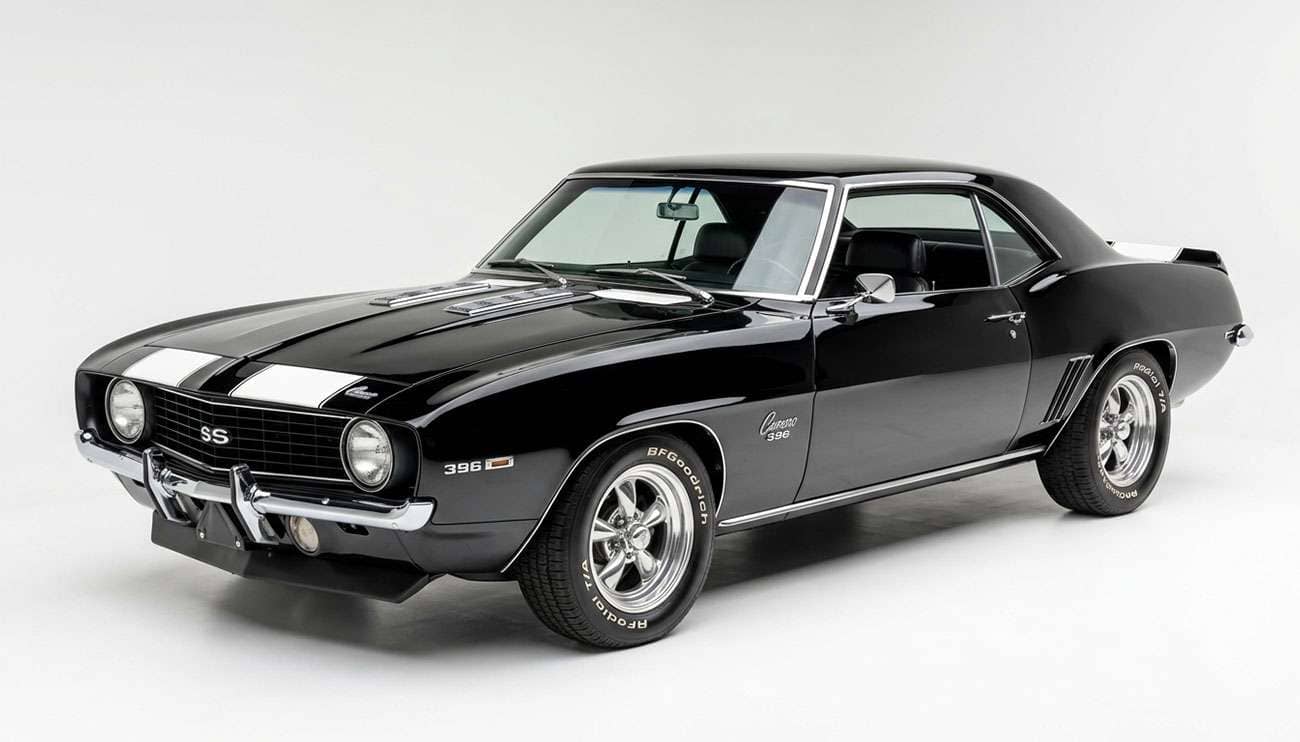
The 5x4.75 bolt pattern means five lug holes spaced evenly around a 4.75-inch circle. Multiply 4.75 by 25.4 and you get 120.65 millimeters, so 5x4.75 and 5x120.65 are the exact same pattern, one written in inches and one in metric. It is the classic General Motors passenger-car pattern, and it has been bolted under Chevys, Pontiacs, Buicks, and Oldsmobiles since 1949. What it is not is 5x120, and that half-millimeter of difference trips people up every single day.
I am Hank, and I have been mounting wheels on classic GM iron since before some of you were born. This is one of the most misunderstood bolt patterns out there, mostly because three different numbers get thrown around like they are the same thing. They are not. Let me walk you through exactly what this pattern is, what it fits, and how to keep from bolting the wrong wheel to your pride and joy.
A bolt pattern, or lug pattern, is described by two numbers: how many lug holes there are, and the diameter of the imaginary circle their centers sit on. So 5x4.75 is five lugs on a 4.75-inch circle. That circle diameter is what the pros call the pitch circle diameter, or PCD.
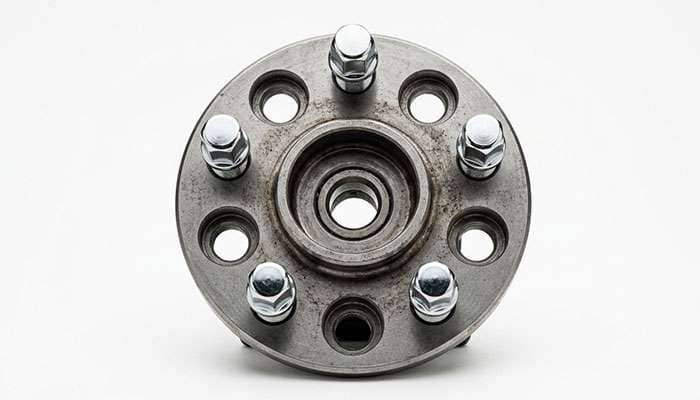
Here is the single most important thing to burn into your memory: 5x4.75 equals 5x120.65mm exactly. Four point seven five inches times 25.4 millimeters per inch comes out to 120.65 millimeters, no rounding. When you see a wheel listed as 5x120.65, that is your GM pattern. Same holes, same circle, same fit. The only difference is which ruler the catalog decided to use. If you want the full framework on reading any pattern, we keep a plain-English guide to wheel bolt patterns, and if you need to measure yours from scratch, here is how to measure a lug bolt pattern.
This is the pattern that defined General Motors for decades. GM put 5x4.75 under most of its passenger cars from 1949 clear through the muscle era and beyond. If you own a classic bow-tie, a Poncho, a Buick, or an Olds, odds are overwhelming this is your pattern. Common fitments include:
The list goes well beyond these, but that is the heart of it: classic GM cars, roughly 1949 into the 1980s. Always confirm your specific year and model before you buy, because there are always oddball exceptions, and the pickup trucks moved to the bigger pattern (more on that below).
Here is where folks get burned. Three patterns sit close together on paper, and only one of them is your classic GM fit. This table sorts them out.
Pattern |
Metric PCD |
Typical Vehicles |
Same as 5x4.75? |
|---|---|---|---|
5x4.75 |
120.65 mm |
Classic Chevy, Pontiac, Buick, Olds |
Yes, this is it |
5x120.65 |
120.65 mm |
Classic GM (metric name) |
Yes, identical |
5x120 |
120 mm |
BMW 3, 5, X series; modern GM metric |
No, 0.65 mm smaller |
5x5 (5x127) |
127 mm |
GM trucks and SUVs, Jeep Wrangler JK |
No, 6.35 mm larger |
5x4.5 (5x114.3) |
114.3 mm |
Ford and Mopar classics |
No, 6.35 mm smaller |
No, and this is the one that costs people money. A 5x120 pattern rides on a 120-millimeter circle. Your 5x120.65 rides on a 120.65-millimeter circle. That is 0.65 millimeters of difference, and while it does not sound like much, it is enough that a true 5x120 wheel does not properly center or seat on a classic GM hub. When GM finally switched to metric hardware they landed on 5x120, just a hair off the old imperial spec, which is exactly why the confusion exists. My rule at the shop is simple: for a classic GM ride, insist on a wheel drilled 5x4.75 or 5x120.65. Do not let a listing that just says 5x120 talk you into a gamble.
No. A 5x5 pattern is 127 millimeters across, a full 7 millimeters bigger than 5x120 and more than 6 millimeters bigger than your 5x120.65. They are three separate patterns. The 5x5, also written 5x127, is the pattern GM used on Cadillacs in the 1950s and then moved onto its light trucks and SUVs after 1971, and it is also what a Jeep Wrangler JK runs. Do not mix it up with your classic GM car pattern.
True 5x120 is mostly a BMW story. You will find it on the 3 Series, 5 Series, and X3 and X5, among others, plus some modern GM vehicles that adopted the metric spec. If you have a BMW, 5x120 is your friend. If you have a 1969 Camaro, it is not. Same five lugs, wrong circle, and that is the whole point of knowing the difference.
Good news: the 5x4.75 pattern is one of the best-supported in the hobby. Because it defined the classic GM lineup, nearly every classic and hot-rod wheel maker drills for it. Even better, a lot of classic wheels come dual-drilled or triple-drilled, meaning one wheel is machined for 5x4.75 (5x120.65) alongside 5x4.5 (5x114.3) and sometimes 5x5 (5x127), so a single design can fit GM, Ford, and Mopar classics. You only ever use one set of holes, but the flexibility is handy. If you are thinking about running a spacer or adapter to change patterns, read up first on the benefits of wheel spacers and adapters, and check your numbers with our guide to offset, backspacing, and bolt patterns.
Here are a few of my go-to choices for a classic GM build, from house brands to the icons.
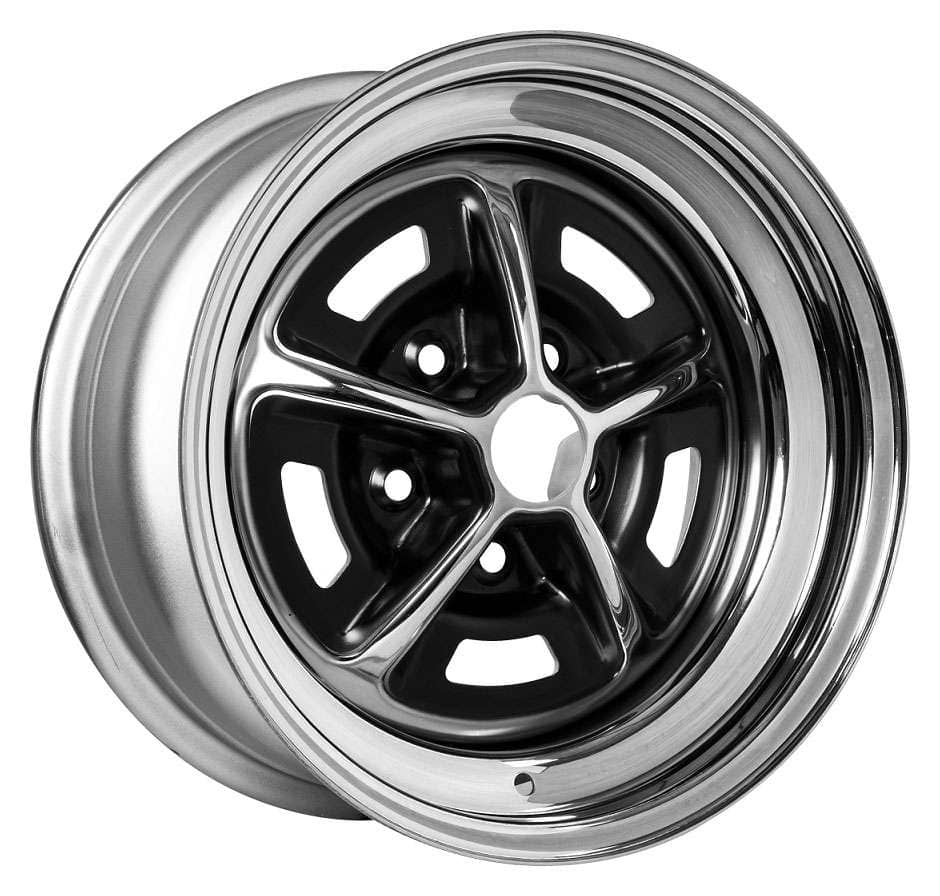
Boyd Coddington 50 Series SS (around 199 dollars). Our own house line, straight from a legend of the hot-rod world. Billet-style looks with modern quality, and it is drilled for the classic GM pattern.
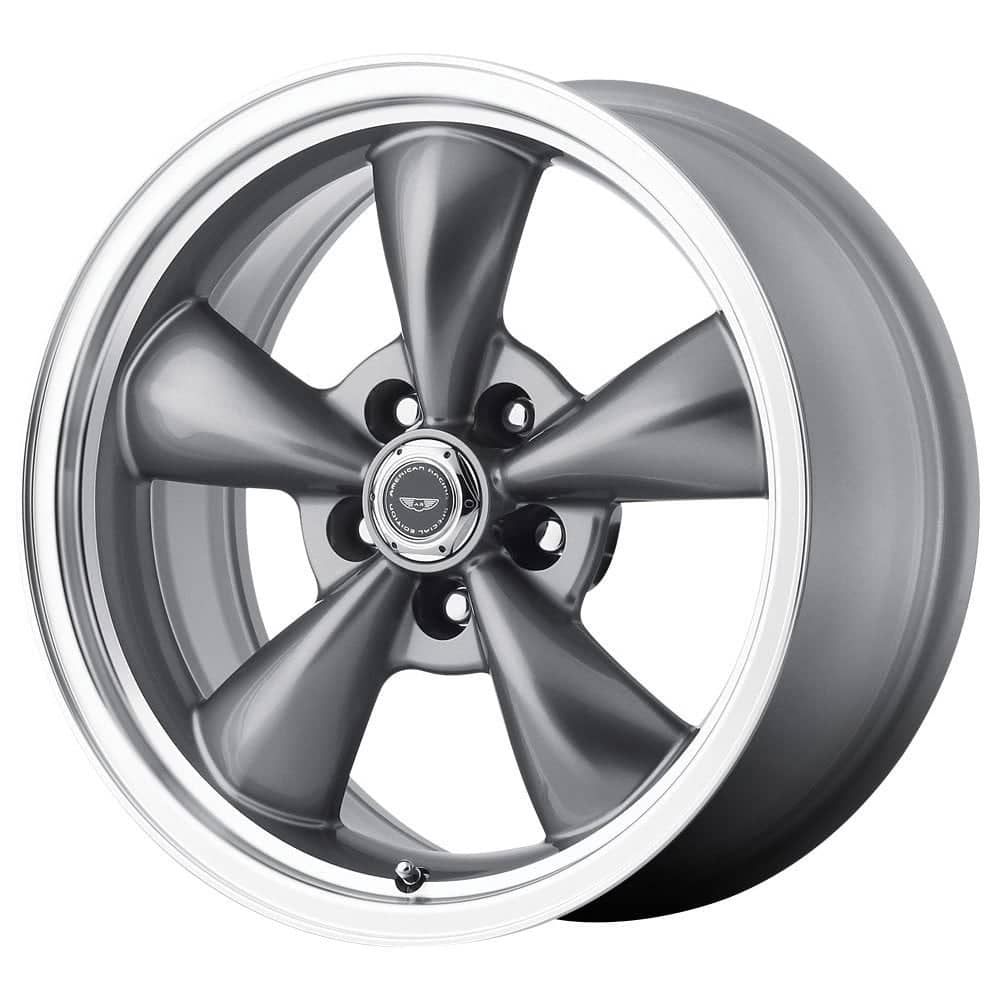
American Racing Torq Thrust M (around 123 dollars). The most iconic five-spoke in the business. Nothing says classic GM muscle like a set of Torq Thrusts, and they are a value at this price.
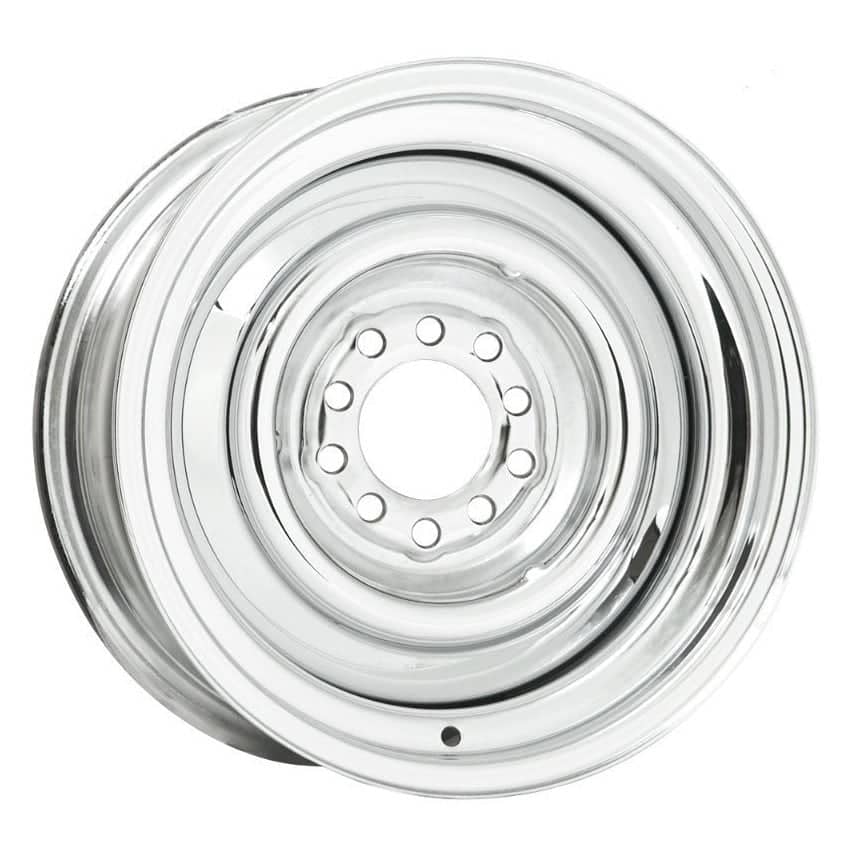
Wheel Vintiques 10 Series Smoothie (around 185 dollars). The go-to house for period-correct steel and classic styling, and this one comes dual-drilled 5x4.5 and 5x4.75 so it fits GM or Ford.
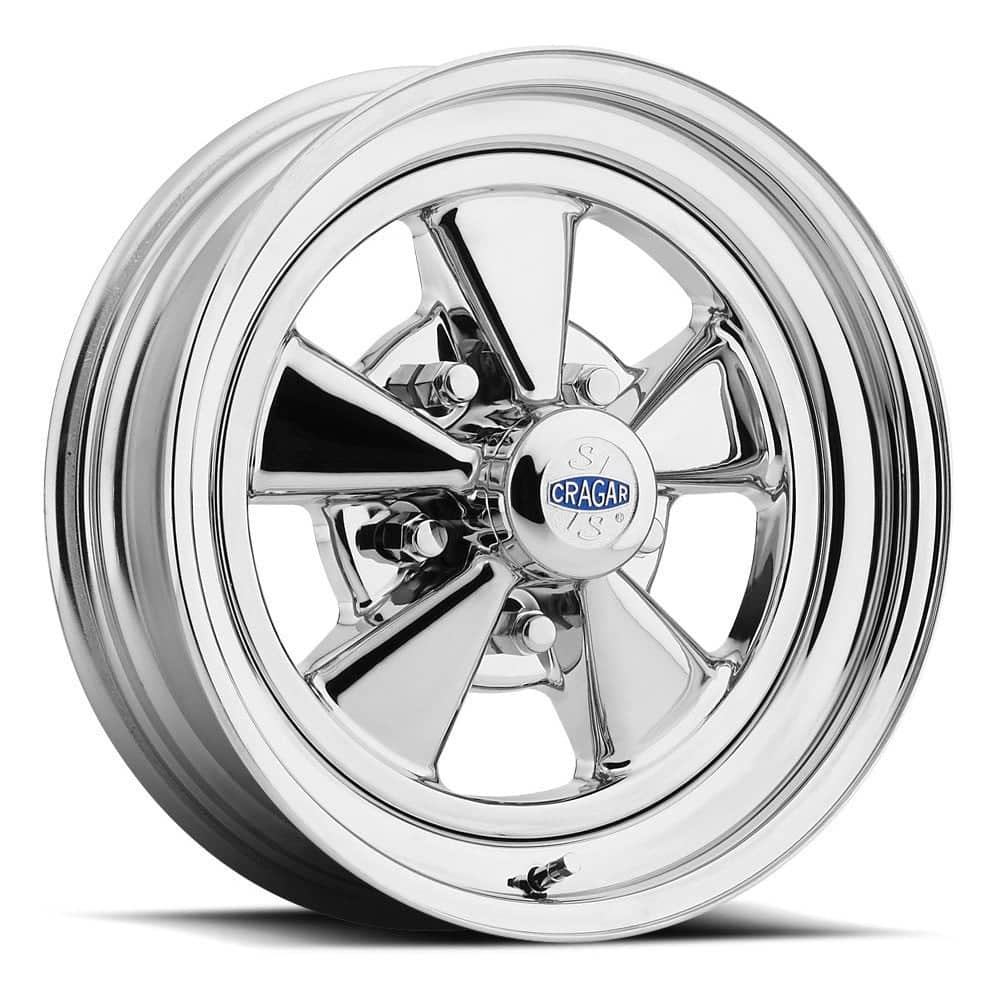
Cragar 08/61 S/S Super Sport (around 297 dollars). A genuine piece of history. The Cragar S/S is one of the most recognizable classic wheels ever made, triple-drilled to fit just about any old five-lug muscle car.
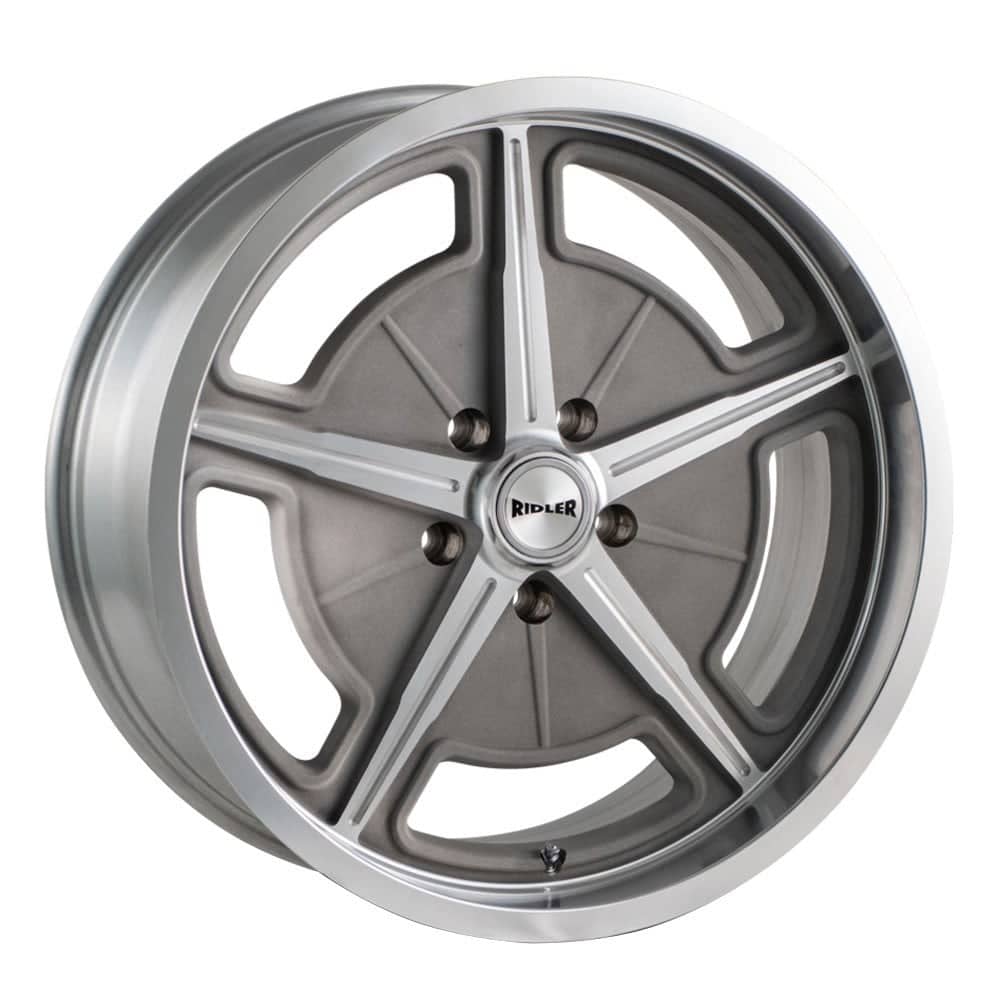
Ridler 605 (around 160 dollars). Clean pro-touring styling if you want your classic to look a little more modern. A great value with machined spokes and a bright lip.
Ready to browse the whole classic lineup for your GM ride? Shop our full selection of classic wheels here.
The 5x4.75 bolt pattern is the backbone of the classic GM world, and now you know exactly what it is: five lugs on a 120.65-millimeter circle, the same thing whether the catalog calls it 5x4.75 or 5x120.65. Just do not let anybody talk you into a 5x120 or a 5x5 and swear it is close enough, because that 0.65 millimeter and that 6.35 millimeter are the difference between a wheel that seats right and one that does not. Match your pattern exactly, pick a wheel that suits your build, and your classic will roll straight and true. Come see us if you want a hand getting it right.
The 5x120.65 (5x4.75) pattern is the classic General Motors passenger-car fit, used from 1949 into the 1980s. It appears on the Chevrolet Camaro, Chevelle, Nova, Impala, El Camino, and Corvette C1 to C3, plus the Pontiac GTO and Firebird, and classic Buick and Oldsmobile models.
Yes, they are identical. 4.75 inches multiplied by 25.4 equals 120.65 millimeters exactly, so 5x4.75 and 5x120.65 describe the same five-lug pattern, one in inches and one in metric.
No. 5x120 sits on a 120-millimeter circle and 5x120.65 sits on a 120.65-millimeter circle, a difference of 0.65 millimeters. That is enough that a true 5x120 wheel does not properly seat on a classic GM hub, so match your exact pattern.
It is a five-lug pattern with the bolt holes spaced around a circle 120.65 millimeters in diameter, which is 4.75 inches. It is the traditional General Motors passenger-car bolt pattern.
No. 5x120 is 120 millimeters and 5x5 is 127 millimeters, a difference of 7 millimeters. They are separate patterns. The 5x5 (5x127) is used on GM trucks and SUVs and the Jeep Wrangler JK.
True 5x120 is most common on BMW models such as the 3 Series, 5 Series, X3, and X5, along with some modern GM vehicles that use the metric spec. It is not the same as the classic GM 5x120.65 pattern.



