

Choosing between wheel sizes when upgrading your vehicle can make or break your driving experience. The debate between 19 vs 20 inch wheels affects far more than just looks. While larger wheels create an impressive visual statement, the difference between 19 and 20 inch wheels directly impacts how your vehicle performs every day.
19-inch wheels deliver superior ride comfort in most driving situations. These wheels pair with tires that feature more sidewall height, allowing them to absorb bumps and road irregularities more effectively. 20-inch wheels create a bold, aggressive appearance but come with thinner tire profiles that produce a noticeably firmer ride. This represents the fundamental trade-off between style and daily comfort.
Fuel efficiency matters to most drivers, and 19-inch rims typically provide better gas mileage. Larger 20-inch wheels add weight to your vehicle, forcing the engine to work harder during acceleration and cruising. The difference shows up at the gas pump over time.
Performance enthusiasts, especially Mustang owners debating 19 or 20 inch wheels, face additional considerations. For aggressive cornering and track-focused driving, 19-inch wheels often deliver better overall performance while maintaining superior ride quality.
When upgrading your current vehicle or selecting options for a new purchase, understanding these key differences helps you make the right choice. We'll examine how these wheel sizes compare across comfort, handling, efficiency, and cost to determine which size truly improves your driving experience.
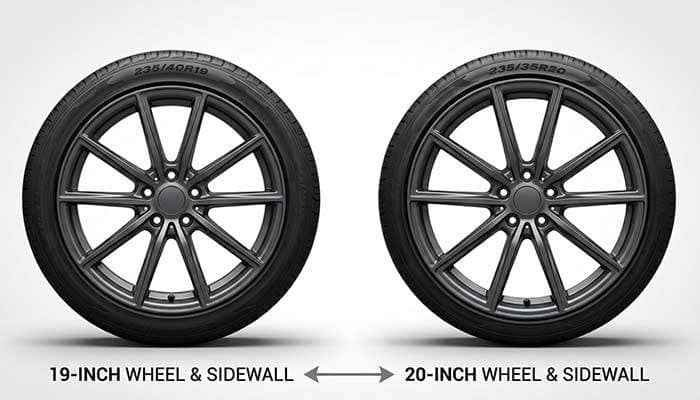
How your vehicle feels on the road depends directly on the rubber connecting you to the pavement. The ride comfort difference between 19 vs 20 inch wheels comes down to one crucial factor: tire sidewall height.
Think of tire sidewalls as your vehicle's first shock absorber. 19-inch wheels use tires with taller sidewalls that bend and flex when you hit bumps, working like an extra suspension component. This flexibility catches road impacts before they reach your car's actual suspension system.
20-inch wheels require low-profile tires with much shorter, stiffer sidewalls. Less rubber means more road harshness travels straight through to your suspension and into the cabin. Performance drivers appreciate this direct road feedback for better vehicle control, but it comes at the cost of daily comfort.
City driving reveals the biggest comfort advantage of 19-inch wheels. Potholes, speed bumps, and cracked pavement get absorbed much better by the additional sidewall flex, creating fewer harsh impacts inside your vehicle.
Highway driving narrows the comfort gap between wheel sizes. Both sizes handle smooth roads well, though 19-inch wheels still provide slightly better bump absorption. The reduced unsprung weight of 19-inch setups also helps your suspension respond more effectively to road irregularities.
Daily driving tests show clear differences between these wheel sizes. Identical vehicles equipped with different wheel diameters demonstrated that 19-inch wheels provided noticeably better bump absorption without losing stability. Tesla owners reported immediate ride quality differences during test drives, describing 20-inch wheels as delivering a "stiffer/bumpier/not comfortable" experience.
Road conditions make the difference even more apparent. One Mustang owner living in an area with poor roads noted, "The roads here are terrible," making the extra cushioning from 19-inch wheels especially valuable. Some drivers found that premium suspension systems could reduce the harshness of 20-inch wheels, showing that your complete vehicle setup matters.
The bottom line: 20-inch wheels create a more aggressive appearance, but 19-inch wheels deliver better daily ride comfort through their taller sidewalls. Most drivers value this comfort advantage over the small handling improvements that larger wheels provide.
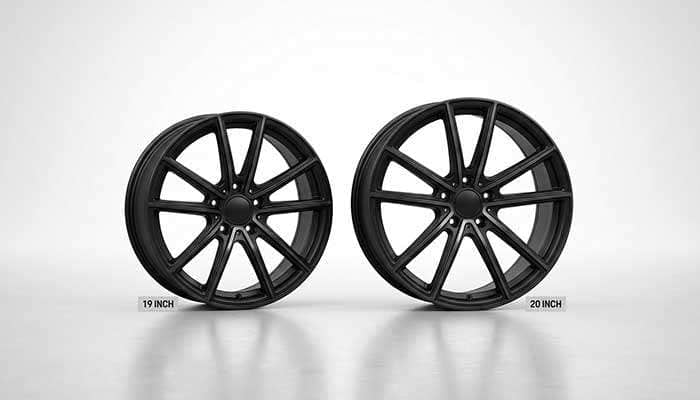
Performance considerations beyond ride comfort reveal significant differences between 19 vs 20 inch wheels. The size you choose directly affects cornering ability, acceleration, and braking performance.
20-inch wheels expand the contact patch with the road, providing increased surface area for better cornering stability and grip. This advantage comes with a trade-off - larger wheels add unsprung weight that can reduce overall responsiveness.
Sidewall height plays a critical role in cornering dynamics. 20-inch wheels use shorter sidewalls that flex less during aggressive turns, delivering more precise steering response and enhanced cornering stability. Drivers consistently report that 20-inch wheels provide excellent precision, while 19-inch wheels offer good cornering with less pinpoint accuracy.
Wheel size creates measurable performance differences. Testing shows acceleration penalties with larger wheels - 0-60 mph times increased from 7.6 seconds with 15-inch wheels to 7.9 seconds with 19-inch wheels. The gap widens at higher speeds, with larger wheels requiring over a full second longer to reach 0-100 mph.
Braking performance also suffers with heavier wheels. Increasing wheel diameter by 10% reduces braking effectiveness by approximately 10%. Bigger wheels mean more rotational mass, forcing your engine to work harder just to get them spinning.
The improved traction from larger wheels with wider tires provides better grip during braking. This creates a balance between increased grip and additional weight that affects overall performance.
Track testing reveals clear performance differences between wheel sizes. Identical BMW 3 Series vehicles showed that lightweight 17-pound aluminum alloy wheels posted faster lap times than heavier 27-pound wheels. The heavier wheels felt "heavy and lethargic" during performance driving.
Track experts often prefer 19-inch wheels over 20-inch options. One Porsche 991 owner who regularly participates in track events noted, "The 19's perform better" on the track. This advantage comes from reduced unsprung weight, which improves suspension response and cornering agility.
Wheel weight impact becomes particularly apparent in smaller performance cars. Testing a Miata showed that reducing wheel weight by approximately 12 pounds per corner delivered a 0.29-second improvement in 0-60 mph acceleration. Lightweight wheels provide the greatest benefits on smaller, performance-focused vehicles.
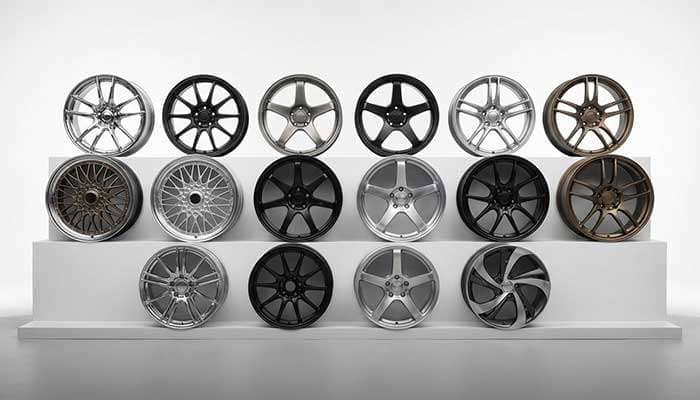
Wheel size affects more than appearance and handling—it directly impacts your fuel consumption and efficiency. The weight difference between 19 vs 20 inch wheels creates measurable variations in fuel economy during daily driving.
Rotational mass explains why wheel weight matters significantly for fuel efficiency. Heavier wheels demand more energy to accelerate and maintain speed, similar to the difference between rolling a bowling ball versus a marble. This effect becomes particularly important with wheels because they represent unsprung weight—mass not supported by your vehicle's suspension system.
Real-world testing shows substantial weight differences between sizes. One comparison revealed a complete 19-inch wheel and tire combination weighing 71 pounds, while a performance-oriented 20-inch setup weighed 56-60 pounds. This occurred despite the 20-inch wheels being wider, primarily due to advanced lightweight construction materials.
The efficiency impact is remarkable: reducing rotational mass by just 1 pound provides benefits equivalent to removing 3-10 pounds of static vehicle weight. This is why performance enthusiasts prioritize the lightest wheels possible, regardless of diameter.
Larger wheels increase rolling resistance—the force required to keep tires moving forward. Studies demonstrate that upsizing typically causes a 4-10% drop in fuel economy. This happens because wider tires create increased friction with the road surface.
Testing with a Tesla Model Y showed 19-inch wheels delivering approximately 7% better efficiency than identical vehicles equipped with 20-inch wheels under similar conditions. Wheel aerodynamics also play a role. The "Aperture Ratio" (percentage of open area in the wheel design) affects airflow, with 19-inch wheels typically featuring about 6% compared to 15% for 20-inch designs.
Based on extensive testing, 19-inch wheels consistently outperform 20-inch alternatives for fuel economy. The key advantages include:
Lower overall weight reduces rotational mass
Decreased rolling resistance improves efficiency
Better aerodynamic properties with most stock designs
Manufacturers acknowledge these differences—Ioniq developed specific "long range" tires exclusively for their 19-inch wheel applications. Additionally, 20-inch tires typically use performance compounds with approximately 15% higher rolling resistance coefficients.
Even during highway driving at sustained speeds, where the efficiency gap narrows, 19-inch wheels maintain their fuel economy advantage in most real-world driving scenarios.
Budget considerations play a major role when selecting wheel upgrades. The financial impact of choosing between 19 vs 20 inch wheels extends well beyond the initial purchase price.
Price differences between wheel sizes are significant. A complete set of 19-inch forged wheels costs between USD 120,000-USD 160,000, while 20-inch forged wheels command USD 140,000-USD 190,000. This price gap reflects the additional materials and manufacturing complexity required for larger diameters.
Racing enthusiasts operating on tight budgets notice this distinction immediately. The Nitto NT01 D.O.T. Competition tire illustrates this perfectly – the 285/35-19 size costs approximately USD 373, compared to USD 462 for the 285/35-20 variant, creating a USD 356 difference across all four wheels.
Tire selection varies between these two sizes. The most common 20-inch tire size is 275/55R20, primarily found on trucks and SUVs. Performance vehicles frequently use staggered setups with wider rear wheels – typically 9.0-inch fronts paired with 9.5-inch or 10.5-inch rears.
20-inch options provide greater variety according to current listings. However, 19-inch sizes offer more ultra-high-performance options like Yokohama AD08, Hankook RS3, and Bridgestone RE11 that aren't available in 20-inch variants.
Ownership costs accumulate differently over time. 19-inch wheel/tire combinations require less frequent alignment and balance checks. Their taller sidewalls help preserve tread life by absorbing impacts that would otherwise damage the tire's structure.
Larger wheels face increased vulnerability to road hazards. One M3 owner explained it clearly: "I agree, having just popped 2 tires on a huge pot hole and the rims on my new M6 with 25 miles on it. I'm sticking with 19 inch rims. They have a better chance of survival on city streets...".
Tesla owners specifically pay USD 50-USD 100 more per tire for 20-inch replacements compared to their 19-inch counterparts. Over a vehicle's lifetime, this difference compounds with each replacement cycle, affecting your total cost of ownership.
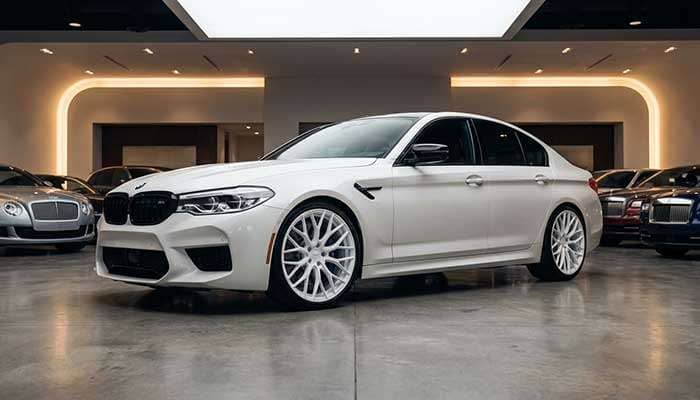
The appearance of your wheels plays a major role in your vehicle's overall look and character. When comparing 19 vs 20 inch wheels, the visual impact creates immediate differences that affect how your car presents itself on the road.
19-inch wheels provide a clean, proportioned appearance that complements most vehicle styles. These wheels offer an understated profile that looks appropriate on both sedans and crossovers without appearing oversized. 20-inch wheels create a much bolder, more aggressive stance that commands attention. The larger diameter fills out wheel wells more completely, giving vehicles a muscular, performance-oriented appearance.
This size difference matters more on certain vehicle types. Larger SUVs and trucks typically look well-proportioned with 20-inch wheels, while sedans and smaller cars often achieve better visual balance with 19-inch options.
OEM wheels typically maintain their finish quality longer than aftermarket alternatives. Many aftermarket wheels look impressive initially, but clear coat finishes can develop cracks and deterioration within two years. When selecting wheel sizes, consider how the proportions work with your specific vehicle - trucks and SUVs generally suit 20-inch wheels better, while sedans often look more balanced with 19-inch wheels.
Proper fitment goes beyond just diameter. You need to ensure the offset, backspacing, and bolt pattern match your vehicle's specifications for both performance and safety.
Resale considerations depend on your vehicle segment and target buyers. Maintaining original equipment sizes often preserves value, which is why some owners keep OEM 20-inch wheels specifically for resale purposes. Premium vehicle buyers tend to prefer larger wheel options, with many Tesla owners noting that 19-inch wheels can give vehicles a more basic appearance compared to the upscale look of 20-inch alternatives.
The key is matching your wheel choice to both your personal preferences and your vehicle's intended market when it comes time to sell.
Characteristic |
19-Inch Wheels |
20-Inch Wheels |
|---|---|---|
Ride Comfort |
Superior bump absorption with flexible sidewalls; Excellent comfort for daily driving |
Firmer ride with less cushioning; More direct road feedback |
Handling Performance |
Good cornering with lighter weight advantage; Better track performance overall |
Excellent cornering stability with precise steering; Larger contact patch for grip |
Fuel Efficiency |
Better fuel economy (approximately 7% improvement); Lower rolling resistance saves gas |
4-10% reduction in fuel economy; Higher rolling resistance costs more at the pump |
Weight Characteristics |
Lighter rotational mass improves acceleration; Typically 71 lbs per wheel/tire combo |
Heavier unsprung weight affects performance; 56-60 lbs for performance setups |
Cost Factors |
Lower initial investment ($1,200-$1,600 for forged set); Less expensive tire replacements |
Higher upfront cost ($1,400-$1,900 for forged set); $50-$100 more per replacement tire |
Tire Availability |
More ultra-high-performance tire options; Smaller selection overall |
Greater variety of tire sizes; Popular for SUV and truck applications |
Visual Appeal |
Sleek, balanced appearance; More understated profile |
Bold, aggressive stance; More muscular, imposing look |
Durability |
Better pothole resistance; Less frequent maintenance needs |
More vulnerable to road hazards; Higher maintenance requirements |
Choosing between 19 vs 20 inch wheels comes down to what matters most in your daily driving. We've examined the key differences, and the patterns are clear.
19-inch wheels win for comfort, efficiency, and value. They deliver a smoother ride, better gas mileage, and cost less to maintain. Performance enthusiasts often prefer them too, especially when lighter weight trumps maximum grip.
20-inch wheels excel at visual impact and precise handling. They create that aggressive stance many drivers want, paired with sharper steering response. These advantages come with trade-offs: firmer ride quality, higher fuel costs, and increased road hazard vulnerability.
Your driving environment should guide your decision. Navigate rough city streets daily? Choose 19-inch wheels. Spend most time on smooth highways where style and precise handling matter? Consider 20-inch options.
Remember this crucial point: wheel weight matters more than diameter. A lightweight 20-inch wheel can outperform a heavy 19-inch alternative.
The best wheel size for your vehicle depends on your priorities. Value comfort and efficiency over aggressive looks? Go with 19-inch wheels. Want maximum visual impact and don't mind the trade-offs? 20-inch wheels deliver that bold appearance.
Make your choice based on how you actually drive, not just how you want your vehicle to look. The right wheel size will improve your driving experience every day.
Choosing between 19 and 20-inch wheels involves significant trade-offs that affect your daily driving experience, costs, and vehicle performance.
19-inch wheels deliver superior comfort and efficiency - offering better bump absorption, 7% improved fuel economy, and lower long-term costs
20-inch wheels prioritize style and handling precision - providing aggressive esthetics, sharper cornering, but with firmer ride quality
Weight matters more than diameter - lighter wheels outperform heavier ones regardless of size, affecting acceleration and fuel consumption
Consider your driving environment - rough city roads favor 19-inch comfort, while smooth highways suit 20-inch performance benefits
Total ownership costs favor smaller wheels - 19-inch setups cost $50-100 less per tire replacement and resist road damage better
The "better" choice depends entirely on whether you prioritize daily comfort and efficiency (19-inch) or visual impact and handling precision (20-inch).
19-inch wheels generally provide a more comfortable ride due to their taller sidewalls, which absorb road imperfections better. 20-inch wheels offer a firmer ride with more road feedback, which some drivers prefer for a sportier feel.
19-inch wheels typically offer better fuel efficiency. They are lighter and have lower rolling resistance, resulting in approximately 7% better fuel economy compared to 20-inch wheels.
20-inch wheels can provide better cornering stability and more precise steering due to their larger contact patch and stiffer sidewalls. However, 19-inch wheels often perform better on the track due to their lighter weight, which improves acceleration and responsiveness.
20-inch wheels generally have higher upfront and long-term costs. They are more expensive to purchase initially, and replacement tires for 20-inch wheels typically cost $50-$100 more per tire than their 19-inch counterparts.
20-inch wheels often provide a more aggressive and sporty look, which many find visually appealing, especially on larger vehicles like SUVs. 19-inch wheels offer a more balanced appearance that some prefer for its subtlety, particularly on sedans and smaller cars.



