

Rims are one of the first things people notice about a vehicle. They frame the whole look, sit at eye level when you walk past, and tell the world something about the driver behind the wheel. But aesthetics are only part of the story. People change their rims for a whole range of reasons — some practical, some performance-driven, and yes, some purely because they want their car to look different from every other vehicle in the parking lot. If you've been wondering whether a rim swap is worth it, understanding why other drivers make the switch is a great place to start.
This is the big one. The overwhelming majority of rim changes come down to one thing: the owner wants their vehicle to look the way they want it to look, not the way it came from the factory. Automakers design stock wheels to appeal to the widest possible audience, which usually means something safe, neutral, and forgettable. Aftermarket rims are how you fix that.
Factory wheels are designed with cost and mass appeal in mind. They're fine — functional, durable, warrantied — but they're not exciting. When you see a vehicle with a genuinely sharp set of aftermarket wheels, you notice it. That's the whole point. Whether it's a set of deep-dish chrome rims on a Chevy, gloss black multi-spokes on a truck, or lightweight mesh wheels on a performance sedan, the aftermarket gives you options the factory never will. Custom wheels let you express your taste instead of the manufacturer's.
A lot of drivers are working toward a specific look — a full build with a consistent color palette, a lowered stance car, a lifted off-roader, or a clean factory-plus aesthetic. Stock wheels rarely fit those visions cleanly. Changing the rims is often one of the first moves in a build because the wheels tie everything together. Get the wheels right and the rest of the build has a foundation to work from.

Some drivers run two sets of wheels year-round — one for summer, one for winter. Winter wheels are typically a smaller, simpler steel or alloy design to protect against road salt and pothole damage. Summer wheels are where the style comes out. Swapping between the two keeps the nice set in good condition and lets you change the whole look of the car with the seasons.
Beyond looks, rims have a real and measurable impact on how a vehicle performs. The right set of wheels can make your car feel sharper, respond faster, and brake shorter. This isn't marketing talk — it's physics. And it's why enthusiasts who couldn't care less about aesthetics still spend serious money on aftermarket wheels.
Unsprung weight — the weight not supported by your suspension — has an outsized effect on handling. Wheels are a major contributor. When you reduce unsprung weight with a lighter aftermarket rim, the suspension can react faster to road changes, cornering improves, steering feels more connected, and the overall ride quality gets better. A quality forged aluminum wheel can weigh significantly less than a stock cast wheel of the same size. That difference is felt immediately behind the wheel.
Many performance upgrades require a wider rim to properly seat a wider, lower-profile tire. If you want to run a serious performance tire with a wider contact patch for better grip, you often need to swap to a wheel that can support it. The rim and tire work as a system — you can't optimize one without considering the other.
Upgraded brake systems — big brake kits, larger rotors, performance calipers — often don't fit inside stock wheels. Switching to a larger diameter rim is frequently a requirement when upgrading brakes, not just a stylistic choice. This is especially common on performance vehicles and trucks where drivers are running serious stopping power that stock wheels simply can't accommodate.
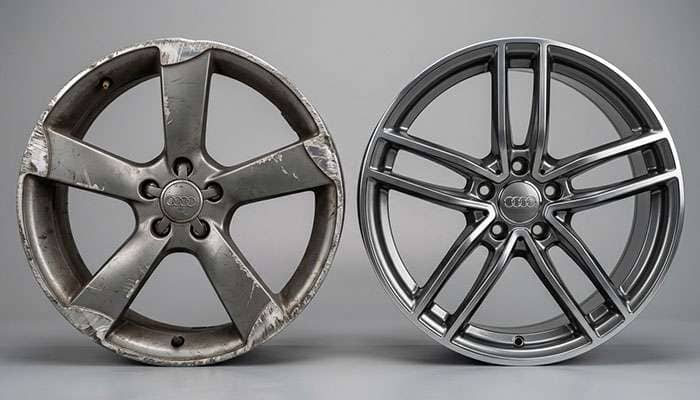
Not every rim change is a choice. Sometimes the wheels just need to go. Rims take a beating from potholes, curbs, road salt, and years of daily driving. When a rim is cracked, severely bent, corroded, or structurally compromised, continuing to drive on it is a safety risk. Replacement isn't optional at that point.
A hard hit from a pothole can crack or warp a rim badly enough that it can no longer hold air properly or maintain a safe seal with the tire. A bent rim causes vibration, uneven tire wear, and handling issues that get worse over time. If you've hit something hard and your car suddenly feels off — pulling to one side, vibrating at speed, or losing tire pressure repeatedly — the rim may be the culprit. Replacement is almost always the right call over attempting to repair a structurally damaged wheel.
Alloy wheels corrode when the protective coating breaks down, especially in climates with road salt exposure. Once corrosion sets in around the bead seat — the part of the rim where the tire seals — you can have persistent slow leaks that no amount of tire inflation fixes. Curb rash, the scraped and gouged finish from parking too close to a curb, is mostly cosmetic but can break down the protective finish and accelerate corrosion over time. When the damage is severe enough, replacement makes more sense than refinishing.
Truck and SUV owners who take their vehicles off pavement have very specific rim requirements that stock wheels rarely meet. Off-road use demands rims built tough enough to handle rocks, mud, and flex without cracking — and sized to support the taller, wider tires that serious off-roading requires.
Off-road wheels are built differently from street wheels. They use thicker spokes, reinforced barrels, and materials and construction methods designed to absorb impacts rather than crack under them. Many off-road enthusiasts also run beadlock wheels, which mechanically clamp the tire bead to the rim so the tire stays seated even when aired down to very low pressures for maximum traction on rocks and sand. Off-road wheels are purpose-built tools, not just a style statement.
Running 35-inch or larger tires on a lifted truck usually means the stock wheels won't cut it — whether because of width, diameter, or backspacing. Getting the right fitment for serious off-road tires means carefully matching rim width, diameter, and offset to the lift kit and tire combination. Use the wheel sizes guide to confirm you're speccing the right rim dimensions before you buy.
Wheels make or break first impressions on a vehicle — including for buyers. A car or truck with a sharp set of aftermarket wheels photographs better, shows better in person, and can command more attention in the used market than the same vehicle on dull, road-worn factory wheels. While not every aftermarket wheel choice adds resale value (oversized spinners on a family sedan probably don't help), tasteful upgrades that suit the vehicle often do.
If you're preparing a vehicle for sale, a set of clean, good-looking wheels is one of the highest-impact visual upgrades you can make. And if you're buying a vehicle with aftermarket wheels already on it, it's worth understanding exactly what you're getting — material, size, brand, and condition all matter. Browse the full selection of wheels at Performance Plus Tire to see what's available across every style and application.
For drivers who want to see how different wheels actually look on their specific vehicle before buying, the Wheel Visualizer is an incredibly useful tool — you can virtually try on different rim styles and sizes on your actual vehicle before committing to a purchase.
People change their rims for as many reasons as there are vehicles on the road. Style is the most common driver — most drivers want their vehicle to reflect their personality, not just the manufacturer's mass-market decisions. But performance, safety, off-road capability, and damage replacement are all equally valid reasons to make the switch. The common thread is that the right set of wheels makes a real difference, whether you're chasing lap times, heading into the backcountry, or just want your daily driver to turn heads.
If you're shopping for a new set of rims — whether it's your first upgrade or your fifth — Performance Plus Tire carries thousands of wheel options across every style, size, and application. And if the upfront cost is a concern, financing options are available to help you get the wheels you want without waiting. Start browsing and find the set that's right for your build.
Here's a quick summary of the main reasons drivers swap their rims.
• Style is the #1 reason: Most rim changes come down to personalization — drivers want wheels that reflect their taste, not the factory default.
• Performance is real and measurable: Lighter wheels improve handling, steering response, and braking. The physics back it up, not just the marketing.
• Damage forces the issue: Cracked, bent, or severely corroded rims are a safety concern. When the rim can't hold a proper seal or is structurally compromised, replacement isn't optional.
• Off-road use demands purpose-built wheels: Street rims aren't built for rocks, flex, or aired-down tire pressures. Off-road applications need wheels engineered specifically for that punishment.
• Presentation and resale matter: Good-looking wheels improve first impressions for buyers and can meaningfully impact how a vehicle is perceived and priced in the used market.
Both, depending on what you buy. Lighter aftermarket wheels genuinely improve handling, acceleration response, and braking by reducing unsprung weight. Wider rims allow wider performance tires with better grip. The performance gains are real and measurable, not just a selling point. That said, some rim upgrades are purely cosmetic — it depends on the specific wheel and your goals.
Key warning signs include persistent slow air leaks that keep coming back even after the tire is checked, visible cracks or fractures in the rim, noticeable vibration at highway speeds, and visible bending or warping of the rim structure. Severe corrosion around the bead seat area — where the tire contacts the rim — can also cause slow leaks that are impossible to permanently fix without replacing the wheel.
Rims must match your vehicle's bolt pattern, hub bore diameter, and must be compatible with the offset and width requirements for your wheel wells. Getting these specs wrong can cause fitment problems, rubbing, handling issues, and in some cases safety risks. Always confirm bolt pattern, diameter, width, and offset before purchasing aftermarket wheels.
Yes. Larger diameter rims typically require lower profile tires with less sidewall, which reduces the tire's ability to absorb bumps and road imperfections. The result is a firmer, more direct ride — which performance drivers often prefer, but which can feel harsh on rough roads. The trade-off is sharper handling and better responsiveness versus comfort. Finding the right balance depends on your driving priorities and typical road conditions.
It can be, especially if the factory wheels are damaged, heavily corroded, or just visually tired. Clean, attractive wheels significantly improve how a vehicle photographs and presents in person to potential buyers. Tasteful upgrades that suit the vehicle's style can positively affect perceived value. Just make sure any aftermarket wheels are the correct fitment for the vehicle and don't create issues that a buyer's inspection would flag.



